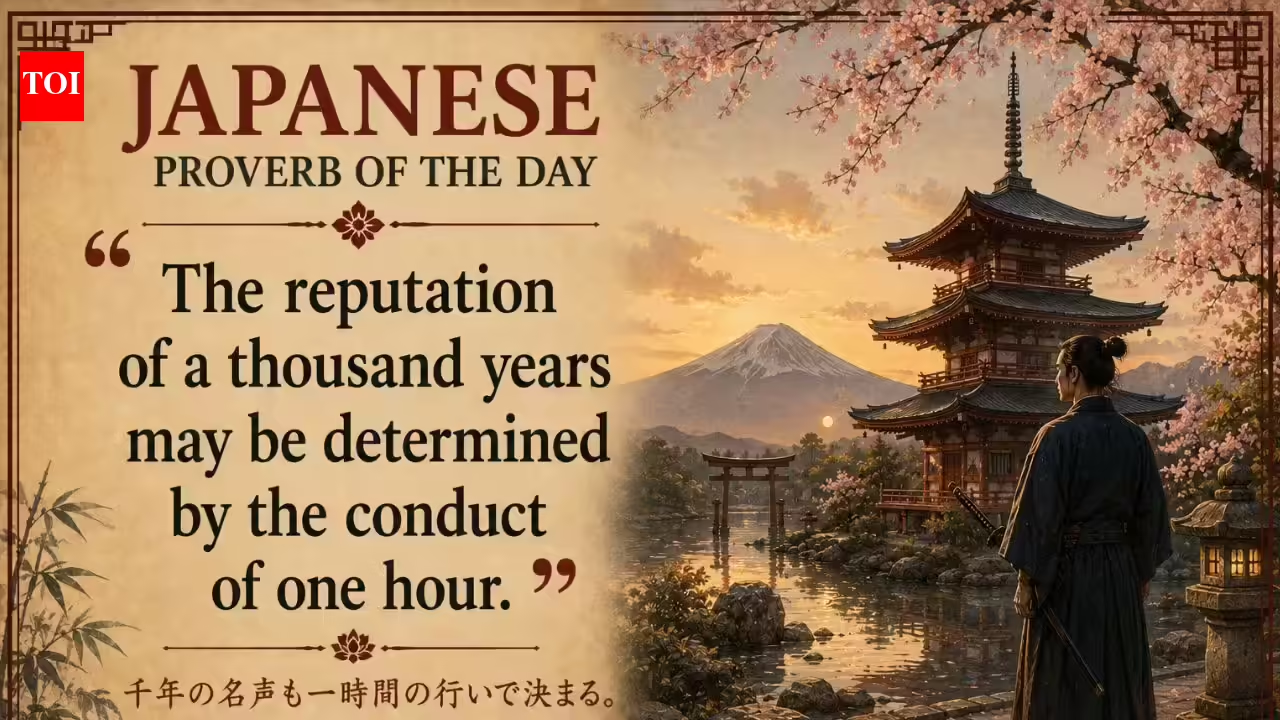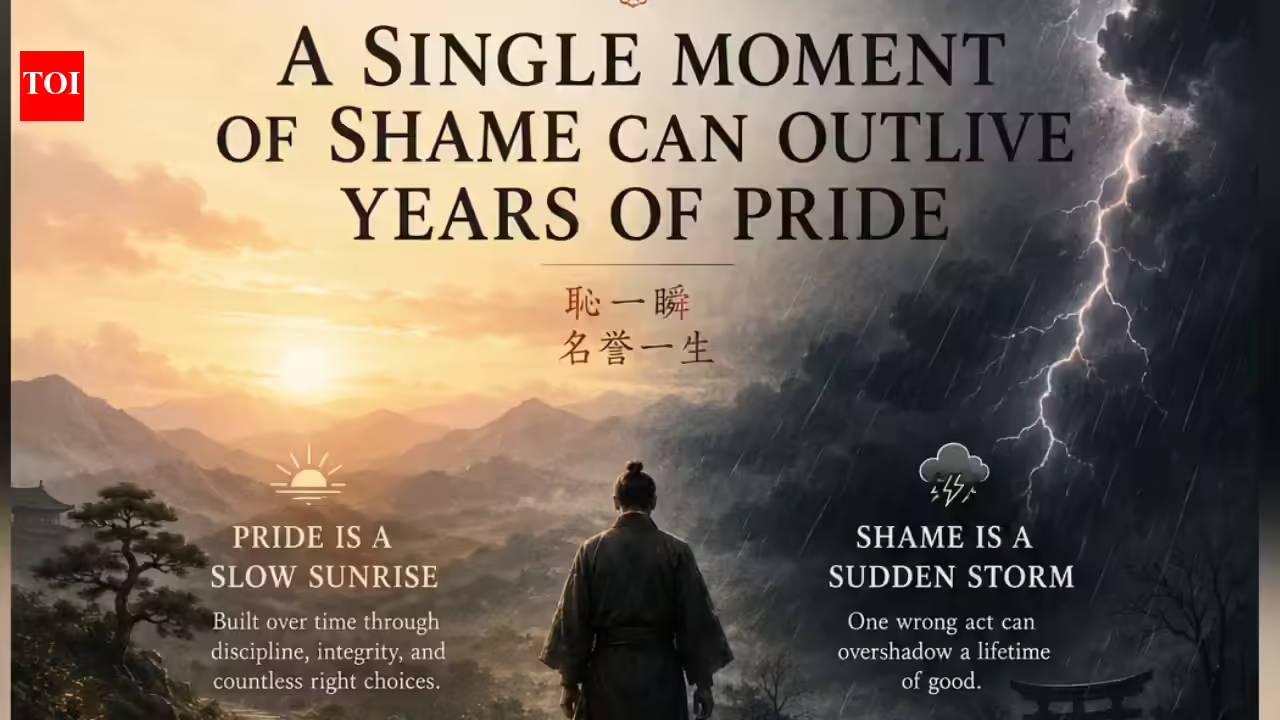
AI-generated imageThe Japanese proverb ‘a single moment of shame can outlive years of pride’ is a counsel of awareness that the world remembers our worst moments far longer than it celebrates our best ones, and that human memory is wired to hold onto disappointment more tightly than admiration. The proverb doesn't ask us to live in anxiety about how we appear, it asks us to live with enough self-respect that the person we are in our most unguarded, unwatched moments is someone we would not be ashamed to introduce to the world. Pride is a slow sunrise; shame is a sudden storm.Japanese proverb of the dayA Single moment of shame can outlive years of prideWhat does it meanThe proverb is a study in asymmetry. Pride accumulates slowly, through years of disciplined work, ethical choices, and reliable conduct. Shame, by contrast, arrives in an instant. A single act of dishonesty, cowardice, or cruelty can eclipse everything that came before it. As a related Japanese saying puts it, the reputation of a thousand years may be determined by the conduct of one hour, you can build and build, and have it destroyed in a single measly hour. The proverb doesn't argue that pride is worthless; it argues that pride is fragile, and that this fragility demands constant vigilance over one's actions.Japanese proverbs (kotowaza) represent Buddhist, Shinto, and Confucian philosophical traditions refined over 1,500 years, encoding generations of accumulated wisdom about human nature, moral conduct, and practical living. They were traditionally transmitted orally from elders to younger generations, serving as the primary vehicle for moral education and cultural preservation.Ingrained in Real LifeLiving by this proverb means treating every decision, especially the small, unobserved ones, as consequential. The moment nobody is watching is precisely when character is tested. Practically, this looks like honouring commitments even when breaking them would be convenient, speaking honestly when a lie would be easier, and resisting shortcuts that compromise integrity. It is also a call for humility: as another Japanese saying warns, one moment of intense happiness prolongs life by a thousand years, the inverse being equally true, that one reckless moment of pride can undo everything.Similar Proverbs Across CulturesThe theme resonates across civilisations. The English tradition offers "pride comes before a fall," drawn from the Book of Proverbs. The Japanese themselves have "tigers die and leave their skins; people die and leave their names", a reminder that reputation is the only legacy that truly endures. In Arabic culture, the saying "a man's honour is his most precious possession" carries the same weight.What gives this proverb its quiet power is its honesty about human memory. We are far quicker to remember a betrayal than a decade of loyalty, a public failure than years of quiet excellence. Rather than making this depressing, the proverb turns it into a daily discipline — a reason to act well not for applause, but because the moment that defines you may arrive without warning. In a world obsessed with personal branding and image, it is a timely reminder that true honour is built in private, one careful choice at a time.
Japanese proverb of the day: 'A single moment of shame can outlive years of pride'- a reminder that reputation is the only legacy that truly endures
The Japanese proverb ‘a single moment of shame can outlive years of pride’ is a counsel of awareness that the world remembers our worst moments far longer than it celebrates our best ones, and that human memory is wired to hold onto disappointment more tightly than admiration. The proverb doesn't ask us to live in anxiety about how we appear, it asks us to live with enough self-respect that the person we are in our most unguarded, unwatched moments is someone we would not be ashamed to introduce to the world.
517 words~2 min read