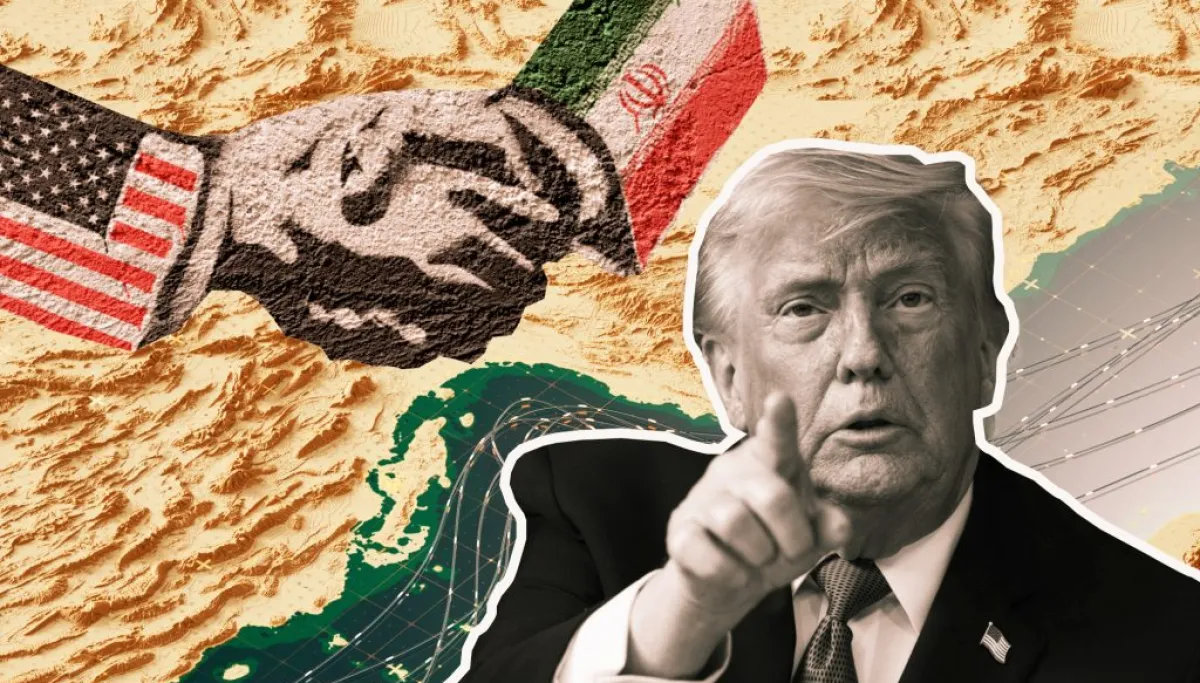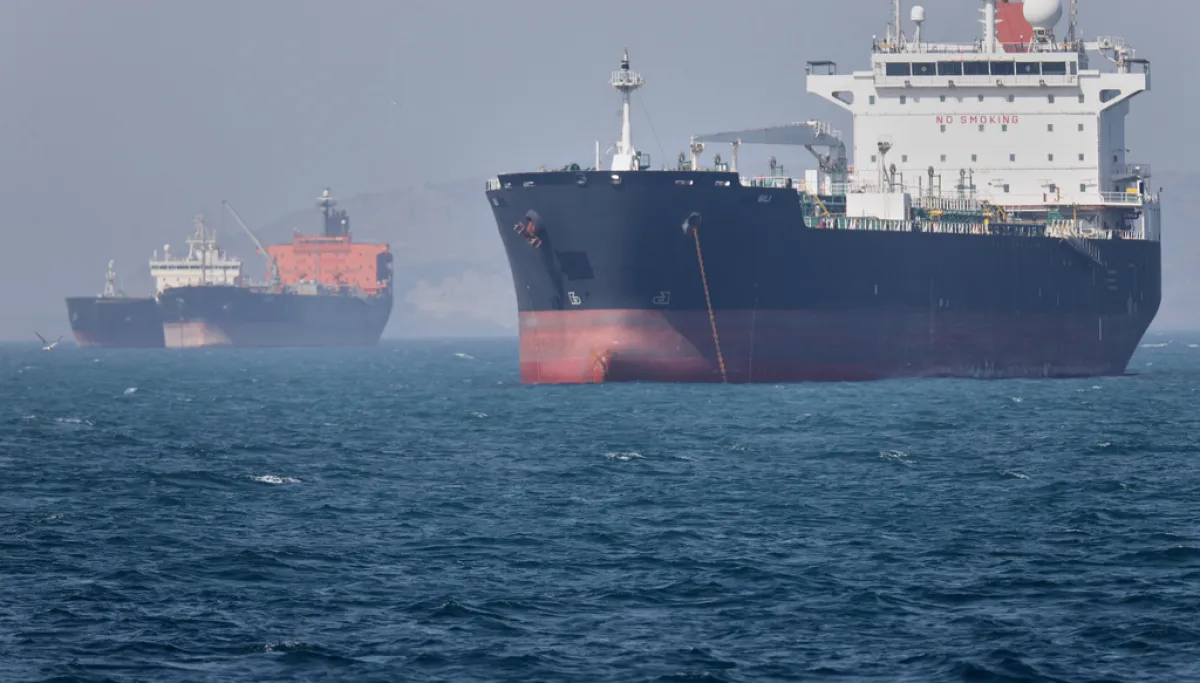
In Focus delivers deeper coverage of the political, cultural, and ideological issues shaping America. Published daily by senior writers and experts, these in-depth pieces go beyond the headlines to give readers the full picture. You can find our full list of In Focus pieces here.The newly released “memorandum of understanding” between the White House and the Iranian regime is not an impressive document from an American perspective. It is packed with financial incentives and carrots for the Iranians, while offering precious little in the way of meaningful concessions from Iran. Opening the Strait of Hormuz (with an apparently temporary ban on “tolls”) does not qualify as a meaningful concession, as that choke point is not Iran’s to open or close. The strategic passageway was also open before the hostilities of Operation Epic Fury commenced.Returning to a previous, very recent status quo is not a substantive climbdown from the theocratic cult that rules that country, even if it’s an economically and therefore politically desirable outcome for America’s president. And as discussed below, this simplest and most basic of requirements isn’t even being honored by the regime. Already.
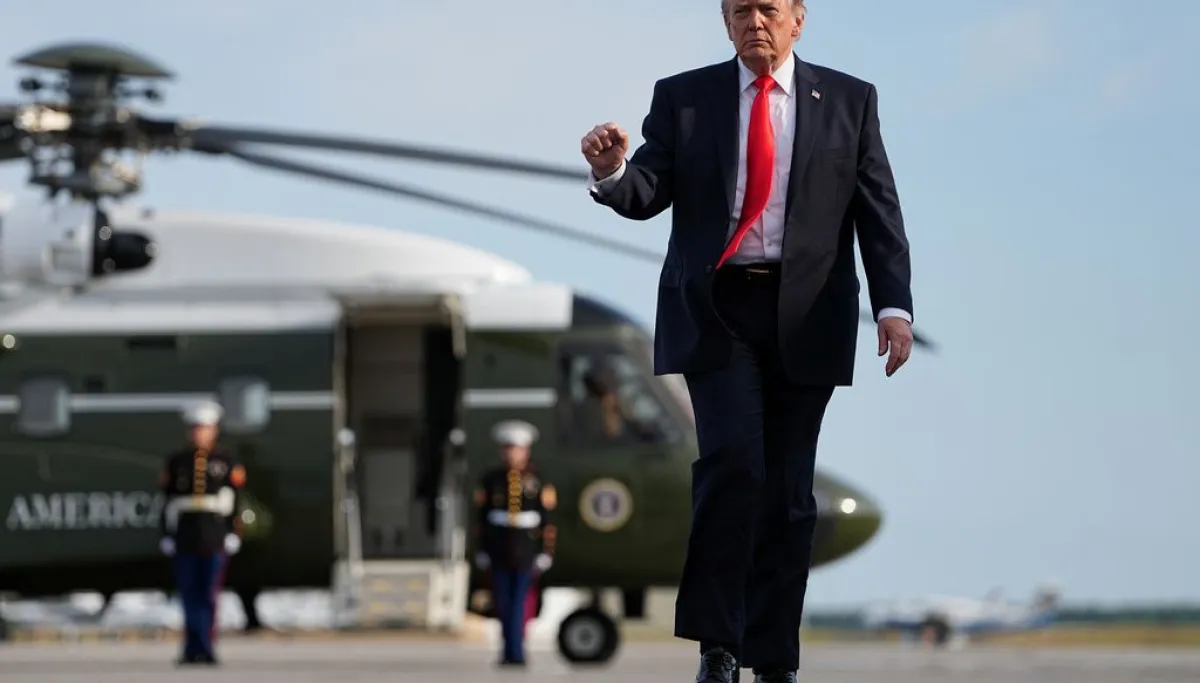
The memo’s vague commitments to finalize specifics about dealing with the rogue regime’s nuclear program over a 60-day span is meaningless, for now, but that provision holds the key to whether any ultimate agreement can be greeted as a relative success, or condemned as an indefensible failure.The major priorities driving military intervention in Iran, both in ‘Midnight Hammer’ last summer, then again this year, were threefold: First, destroy the regime’s nuclear program; second, neutralize Iran’s missile threat; and third, end support for Iran’s destructive terror proxy network. All three of these goals are in the vital national interests of the United States.But per the document, the latter two of these goals are now seemingly off the table in these negotiations. That’s a win for Iran, and it’s tough to spin for President Donald Trump, having previously assailed the Obama-era JCPOA for not addressing or eliminating such threats.Iran’s terror tentacles pose a serious danger to American interests, American allies, and Americans. Those radical groups, from Hezbollah to Hamas to the Houthis, are awash in American blood. Leaving this festering problem unaddressed in a peace accord, along with the missiles, is a dealbreaker for many, and understandably so.But the existential threat is the nuclear program, whereas the others could be managed and contained, albeit at a cost. If a final agreement coerces Iran into completely, verifiably, and permanently dismantling and abandoning its nuclear program, that would be a win.But the nuclear resolution would have to be truly comprehensive, with the highly-enriched uranium — Trump calls it the “nuclear dust” — removed from the country or destroyed, plus all nuclear facilities taken apart. Unfettered snap inspections and vigilant surveillance would be essential to guard against future reconstitution.If all of that is achieved, the deal would be good, on balance. It wouldn’t be great, having fallen short of what may have been accomplished if the administration had pressed its advantage with its boot on the regime’s neck, but it could be credibly defended as a net positive. And that eventuality still appears to be in the offing, at least in theory (emphasis on the theoretical — more on that later).This objective should be the overwhelming and non-negotiable American priority. Trump has stated that the MOU is not a finished product, and asserted America’s right to resume bombing if the regime doesn’t comply with his expectations. But Trump downplaying the urgency of excavating and eradicating the nuclear dust, and especially signaling potential openness to the regime maintaining a nuclear program with low-level enrichment, is worrisome. If Iran’s nuclear ambitions are not thoroughly extinguished, it’s a bad deal.One way to avoid a bad deal is to impose a good one. Another is to simply walk away from the table if the Iranians won’t accept a good one.Some commentators have argued that the regime is in a better position today than it was before the bombs fell. This is blinkered lunacy.Iran’s major nuclear facilities are reduced to rubble, many of its top nuclear scientists have been liquidated (along with a wide swath of top leaders, including Ayatollah Ali Khamenei), its missile stockpile has been massively degraded, and its capacity to produce new missiles has been decimated.President Donald Trump walks from Marine One to board Air Force One at Ocala International Airport, in Ocala Fla., Friday, May 1, 2026, after speaking at an event in The Villages, Fla. (AP Photo/Matt Rourke)