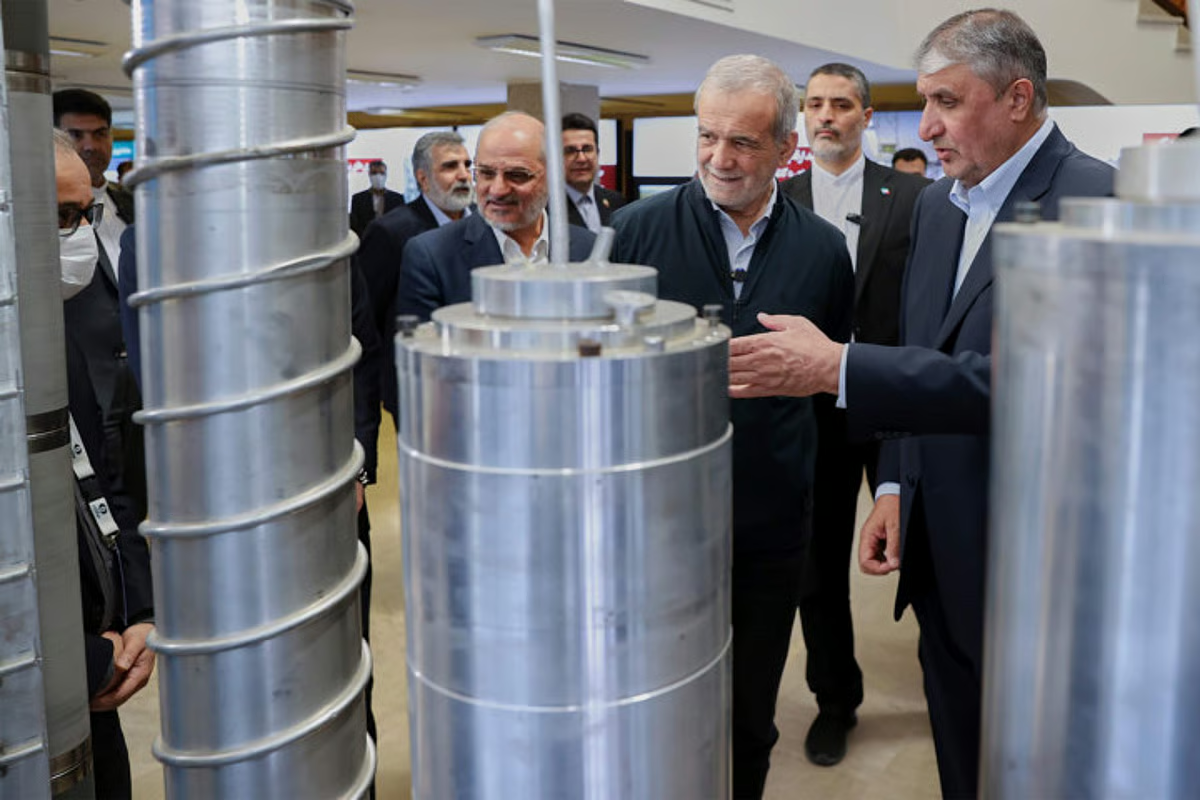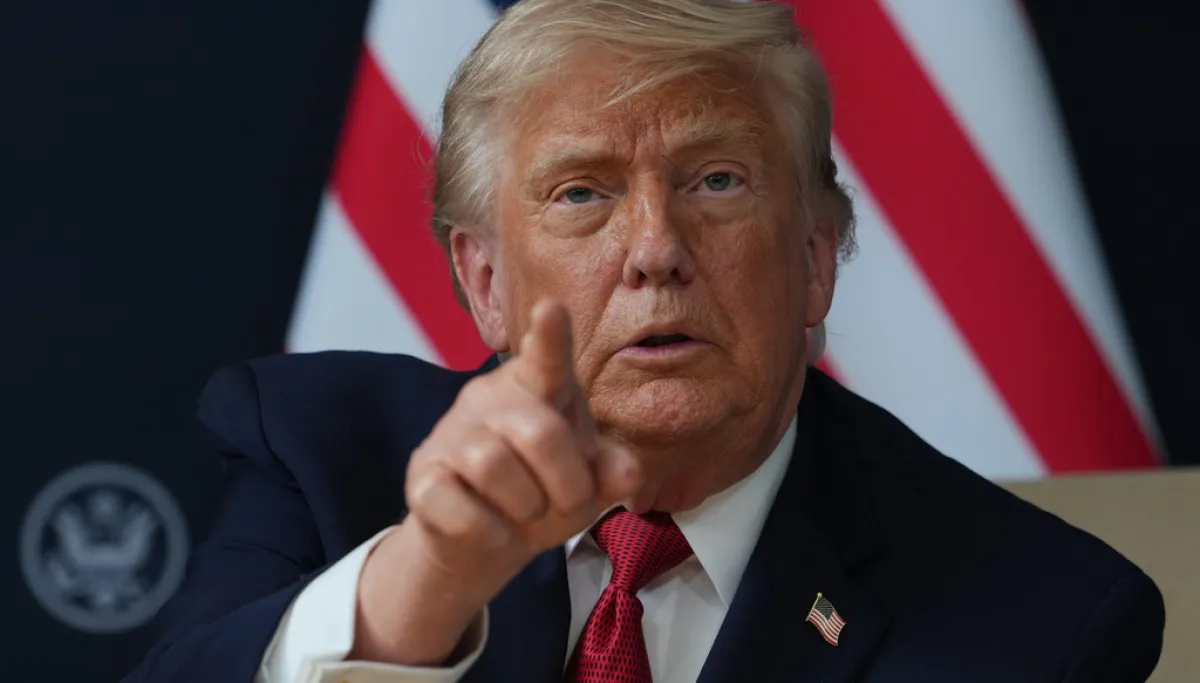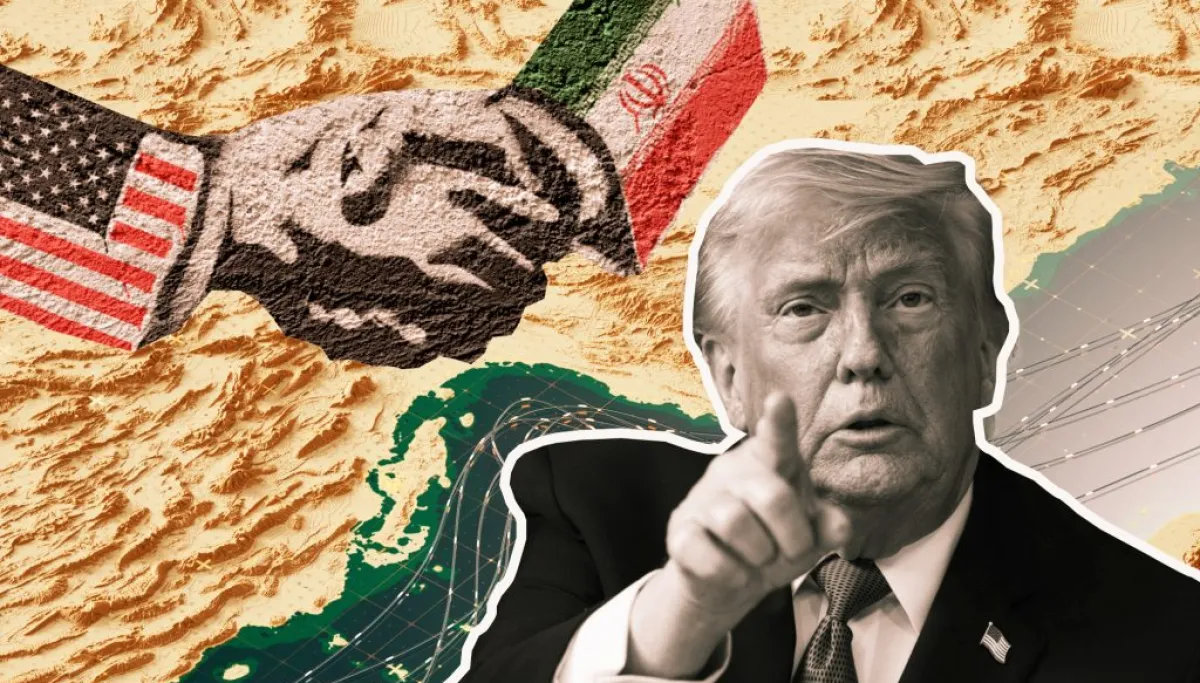
In Focus delivers deeper coverage of the political, cultural, and ideological issues shaping America. Published daily by senior writers and experts, these in-depth pieces go beyond the headlines to give readers the full picture. You can find our full list of In Focus pieces here.On June 15, President Donald Trump declared victory. “The Deal with the Islamic Republic of Iran is now complete,” he posted.What was actually signed in Islamabad was a 14-point memorandum of understanding, a 60-day framework that postpones every substantive question about Iran’s nuclear program, sanctions relief, and enrichment levels to future negotiations.
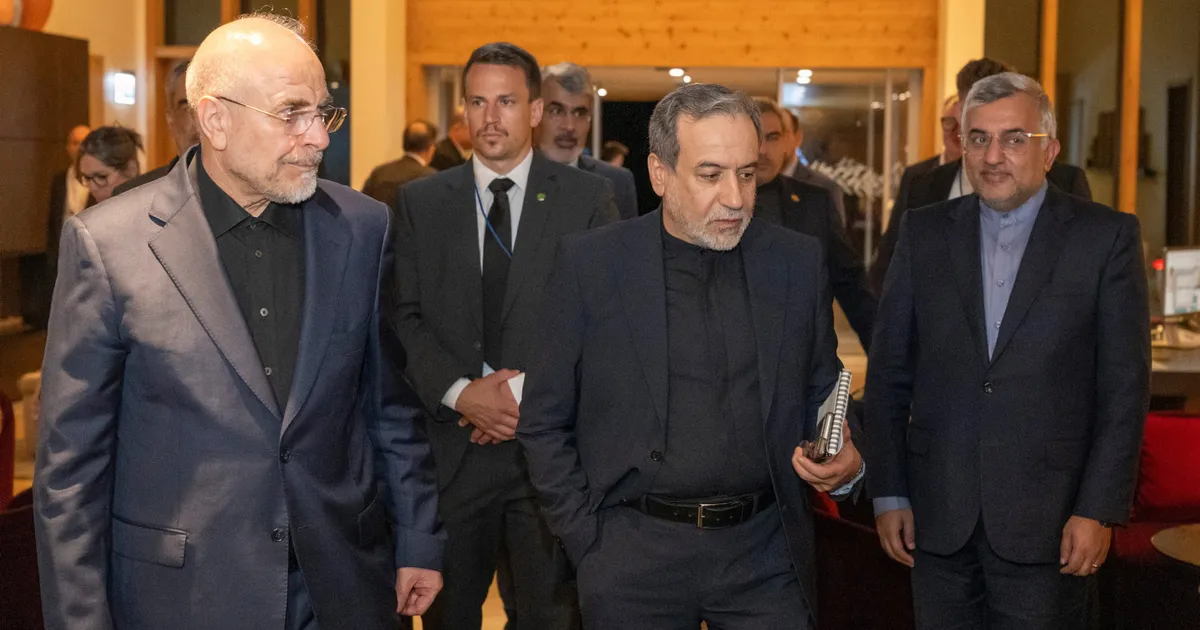
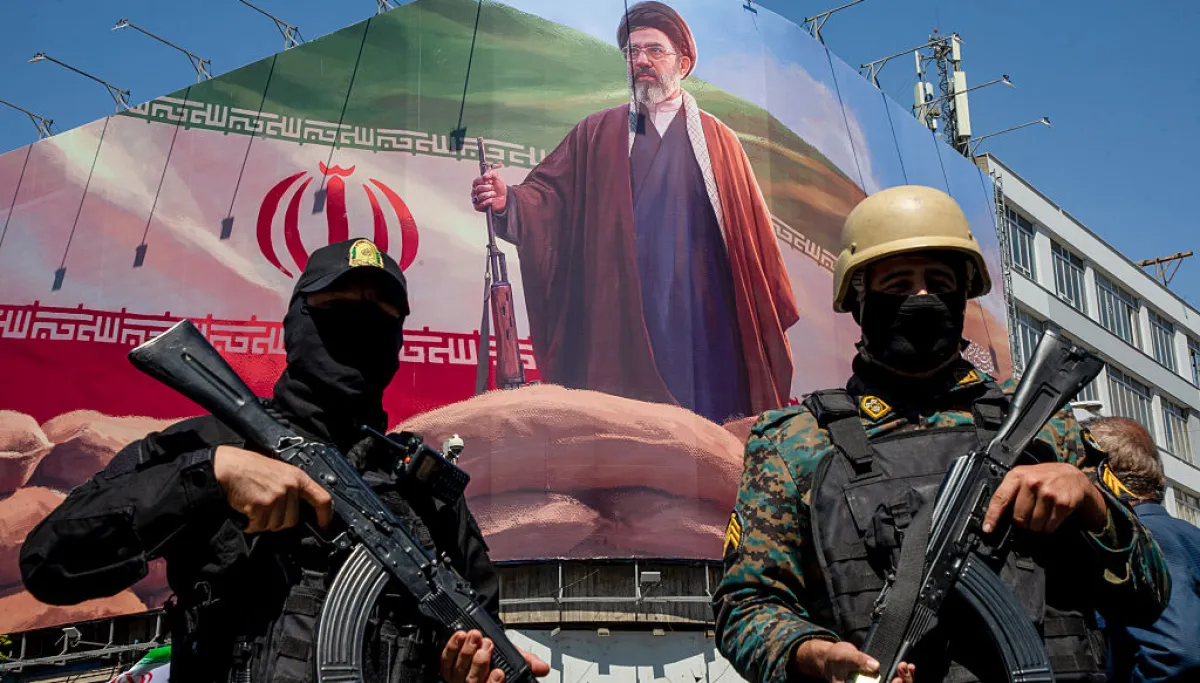
The celebration was real. The deal was not.That gap matters less as a diplomatic critique than as a flashing red warning light. The deeper problem was never whether the terms were good enough. It was whether there was a coherent state on the other side of the table capable of making and honoring durable commitments.There is growing evidence that there is not.Washington has spent months negotiating with the remnants of a regime that has absorbed military strikes, lost its supreme leader, installed an untested successor, and seen competing centers of power emerge within its own governing structure. The administration’s challenge is no longer simply negotiating terms. It is determining whether anyone in Tehran possesses the authority to deliver on them.Events immediately following the signing exposed the problem.Within days, Iran again threatened disruption of shipping through the Strait of Hormuz while Israeli military operations in Lebanon continued. Tehran declared those actions violations of the memorandum. Israeli leaders responded that American agreements did not constrain Israeli security decisions. The result was a diplomatic framework built upon commitments that neither Washington nor Tehran appeared fully capable of enforcing.This is not a secondary complication. It goes directly to the agreement’s viability.Iran has repeatedly insisted that any broader understanding with the United States must include constraints on Israeli military actions in Lebanon. Israel has made equally clear that it reserves the right to act independently. Washington signed a memorandum that implicitly links those issues while possessing no reliable mechanism to control either side.Even if every clause of the agreement were perfectly written, the practical question remains: Who actually speaks for Iran?Ali Khamenei was killed in the February strikes that opened the conflict. His son, Mojtaba Khamenei, emerged as the successor. Yet almost immediately, signs of fragmentation became visible.Three days after the memorandum was signed, a statement attributed to the supreme leader supported continued negotiations while simultaneously placing responsibility for their success or failure on President Masoud Pezeshkian. Leaders with consolidated authority do not usually shift accountability elsewhere during their first week in power.At the same time, senior figures within Iran’s political and military apparatus have continued sending very different messages. While some civilian officials discuss negotiations and sanctions relief, others speak openly about retaliation against Israel, resistance to American pressure, and expanded strategic cooperation with China.That distinction matters because the Islamic Republic is not a conventional state. It is a system of overlapping institutions, clerical authorities, military organizations, intelligence networks, and political factions. The president does not fully control the Revolutionary Guard. The Guard does not fully control the clerical establishment. The clerical establishment does not fully control public sentiment.When American negotiators secure a commitment from one part of the system, there is no guarantee the rest of the system will honor it.The economic realities driving the negotiations only increase that uncertainty.Iran enters these talks from a position of profound weakness. Inflation remains around 50%. Economic growth has stagnated. Public frustration is widespread. Polling conducted inside the country suggests majorities of Iranians believe the government is failing to meet basic economic needs.Desperation can bring governments to the negotiating table. It cannot guarantee compliance afterward.Members of the Iranian security forces stand guard under a large portrait of Iran’s new Supreme Leader, Mojtaba Khamenei, during a memorial to mark the 40th day since his father, Ayatollah Ali Khamenei, was killed in US-Israeli joint strikes, on April 9, 2026, in Tehran. (Photo by Majid Saeedi/Getty Images)