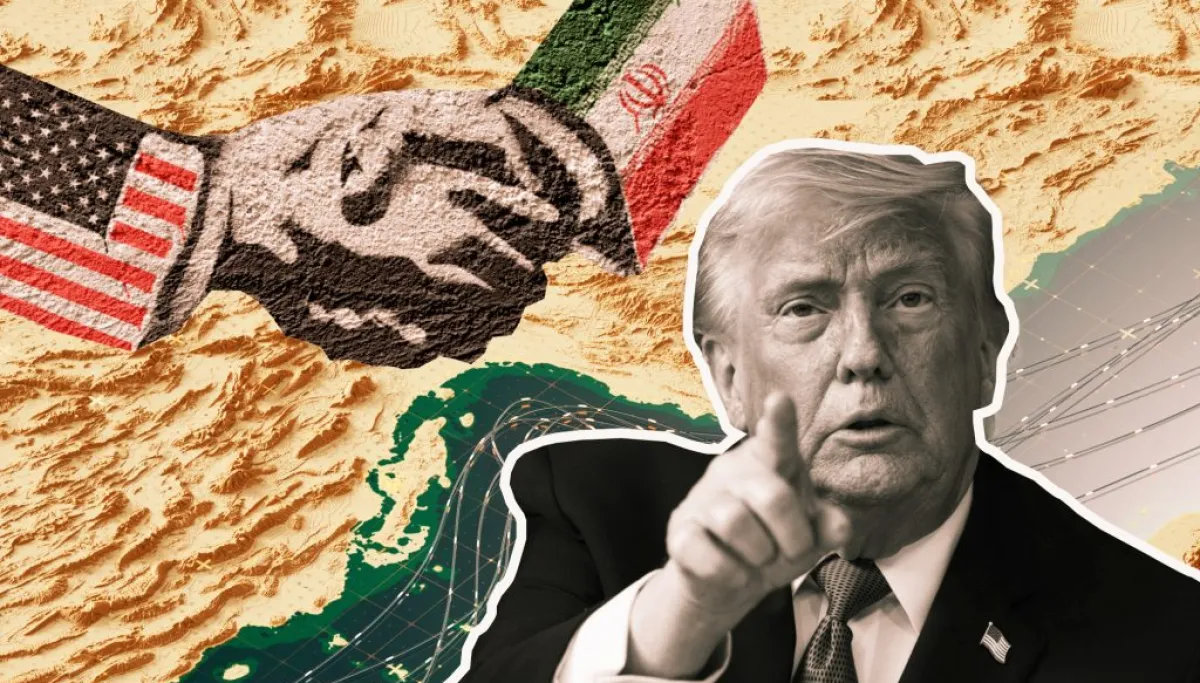
In Focus delivers deeper coverage of the political, cultural, and ideological issues shaping America. Published daily by senior writers and experts, these in-depth pieces go beyond the headlines to give readers the full picture. You can find our full list of In Focus pieces here.The United States’s humiliating capitulation to the Iranian clerics is a political choice. Support for a war against the regime is low. The White House lacks the fortitude to finish what it started without that support. It’s that simple.But President Donald Trump could have suspended military action or struck an array of narrower deals to open the Strait of Hormuz, returning to status quo ante.
There is a cost to fighting a war, and we shouldn’t pretend otherwise. Everyone in the administration knew that when it launched its first strikes against the regime. But oil prices have dropped for three straight weeks. OPEC+ nations and others were increasing their output. The world was finding ways around the strait problem.Trump could have explained to the public that striking a deal with nihilistic Islamic fundamentalists was impossible, but the U.S. and Israel had taken out much of the regime’s leadership, decimated much of its military capabilities, and set back its nuclear program years. Military deterrence would have remained in place. The regime would have been left to teeter on the cusp of economic ruin until it opened the Strait of Hormuz.Instead, Trump sent our isolationist vice president, JD Vance, to cloyingly comply with a gaggle of Islamist states and strike a deal that could out-capitulate former President Barack Obama’s debacle.One of the participants in a war, our allies, Israel, didn’t even have a seat at the negotiations. Indeed, antagonism oozes from virtually every dishonest statement Vance makes about the Jewish state. Then again, not even Saudi Arabia or the United Arab Emirates or the legitimate Lebanese government were in Switzerland to discuss their futures.Instead, Vance allowed Iran, Qatar, and Pakistan, the three most abhorrent terrorism-boosting Islamist states in the world, to dictate the future of the Middle East and impose a deal on our allies.Vance can’t seem to contain his fondness for these regimes, remarking that the “coolest thing” he’s learned during the negotiations with Iran, which has ramped up hangings of political dissidents in recent days, is how it has turned over a new leaf.“We love Pakistan,” the vice president added this week.We do? What do we love best? The stifling of dissent, internet access, and peaceful assembly? The blasphemy laws? The systemic discrimination of Christianity? The “honor killings” and forced marriages? Or is it that Pakistan has been a base of operations and safe haven for Islamic terrorists, including Osama bin Laden, for decades? Maybe someone will ask him.Even with all his deference to these tyrannies, Vance promised on numerous occasions over the past week that the economic relief dictated in the memorandum of understanding would be contingent on the Iranian regime making fundamental changes in behavior.Well, on Monday, Treasury Secretary Scott Bessent announced a waiver on the production, sale, and delivery of Iranian oil without any limitation. For 60 days, the regime is going to sell its oil to China. Iran could make around $10 billion off the decision without any change in behavior. Even the Obama administration only lifted sanctions after a deal was signed and the International Atomic Energy Agency had ostensibly verified Iran’s compliance.Vice President JD Vance speaks during a news conference after meeting with representatives from Pakistan and Iran on Sunday, April 12, 2026, in Islamabad. (AP Photo/Jacquelyn Martin, Pool)