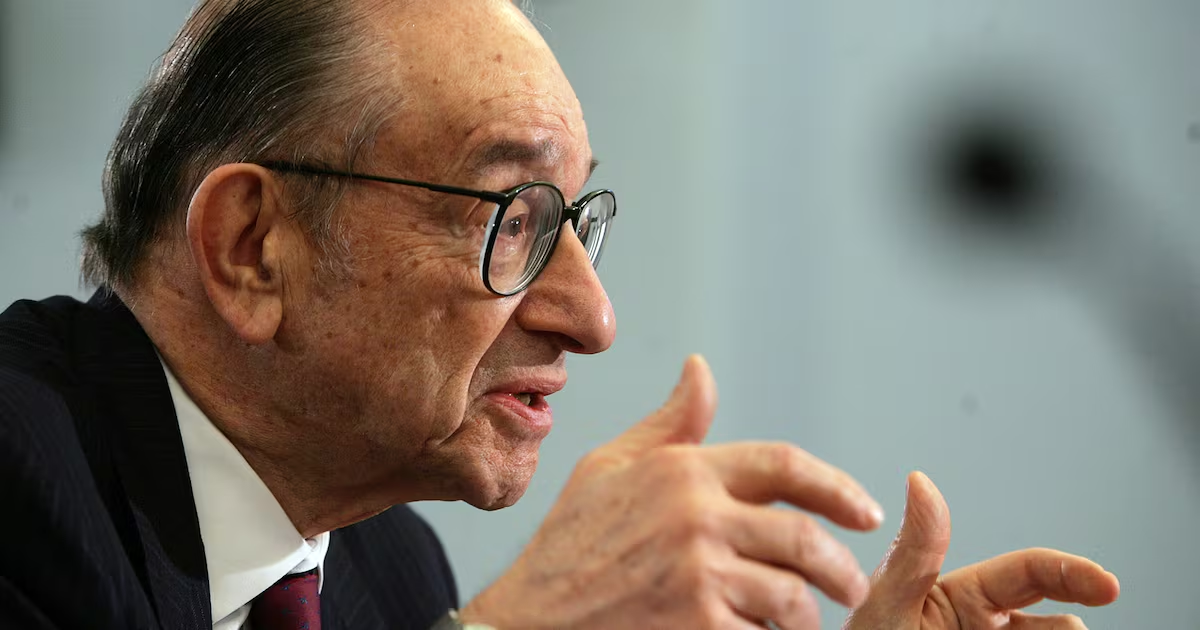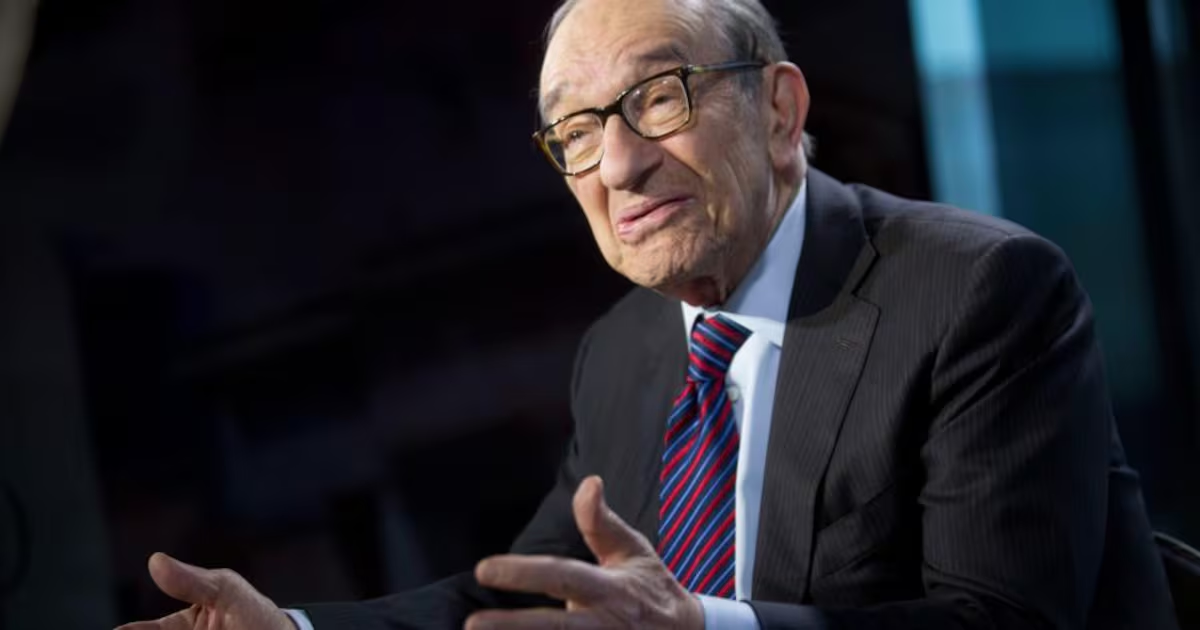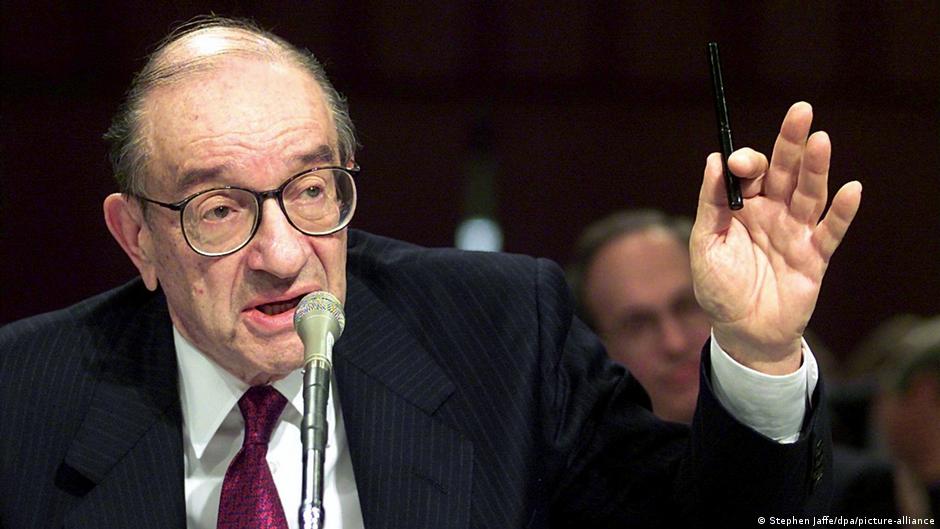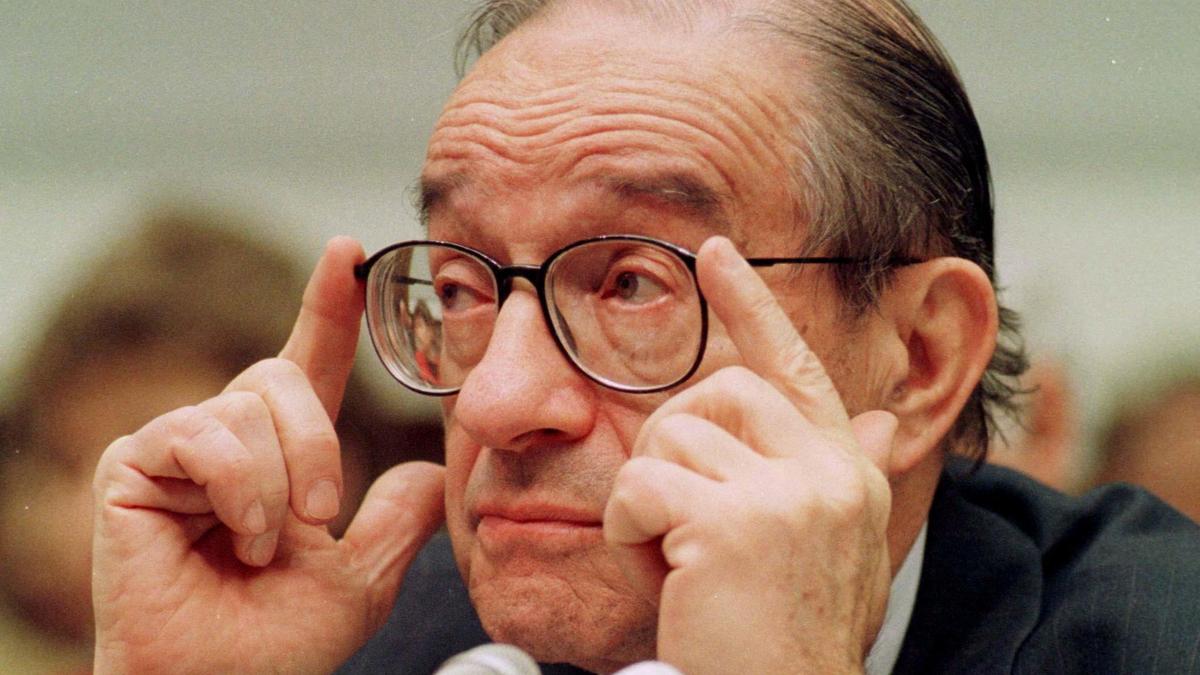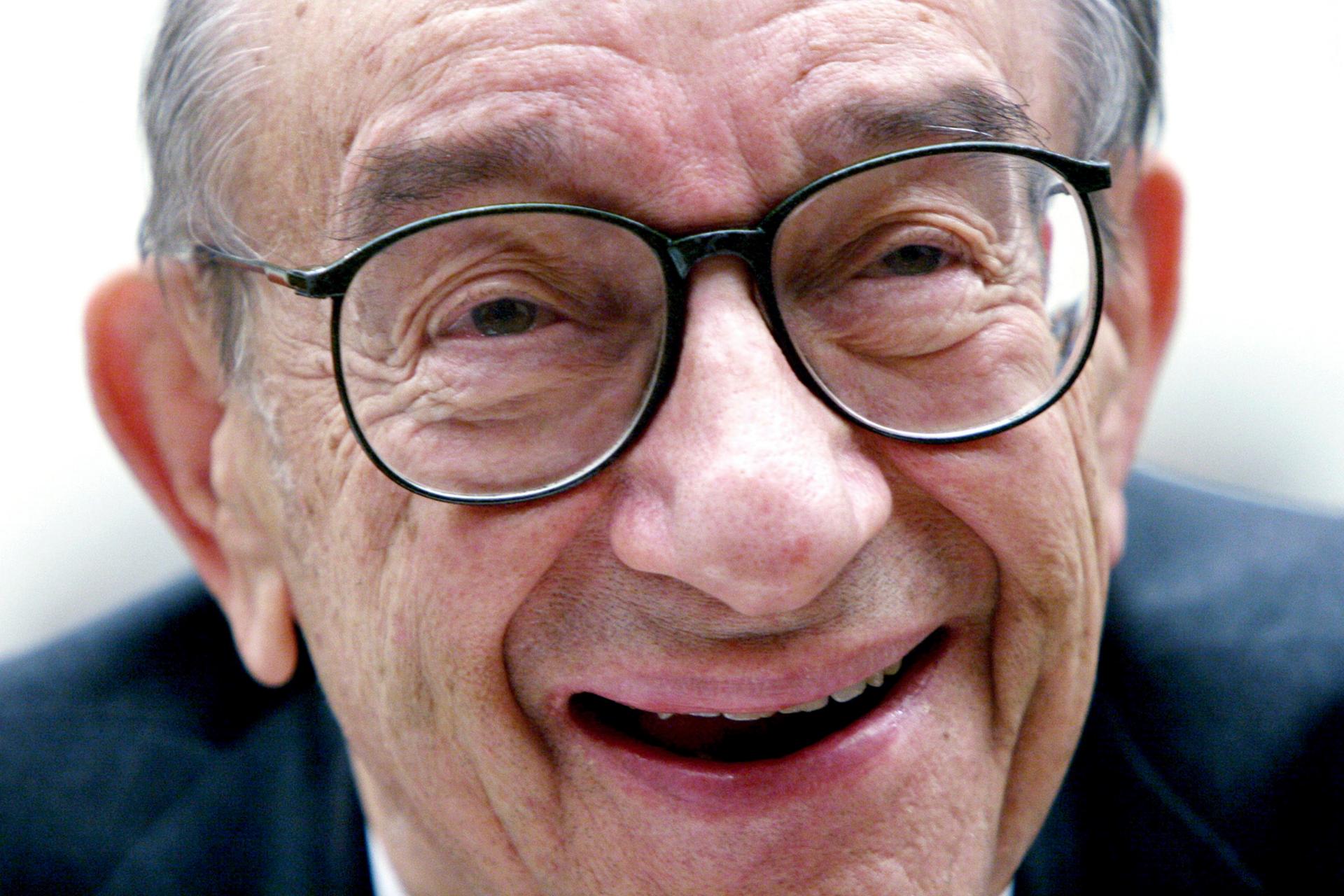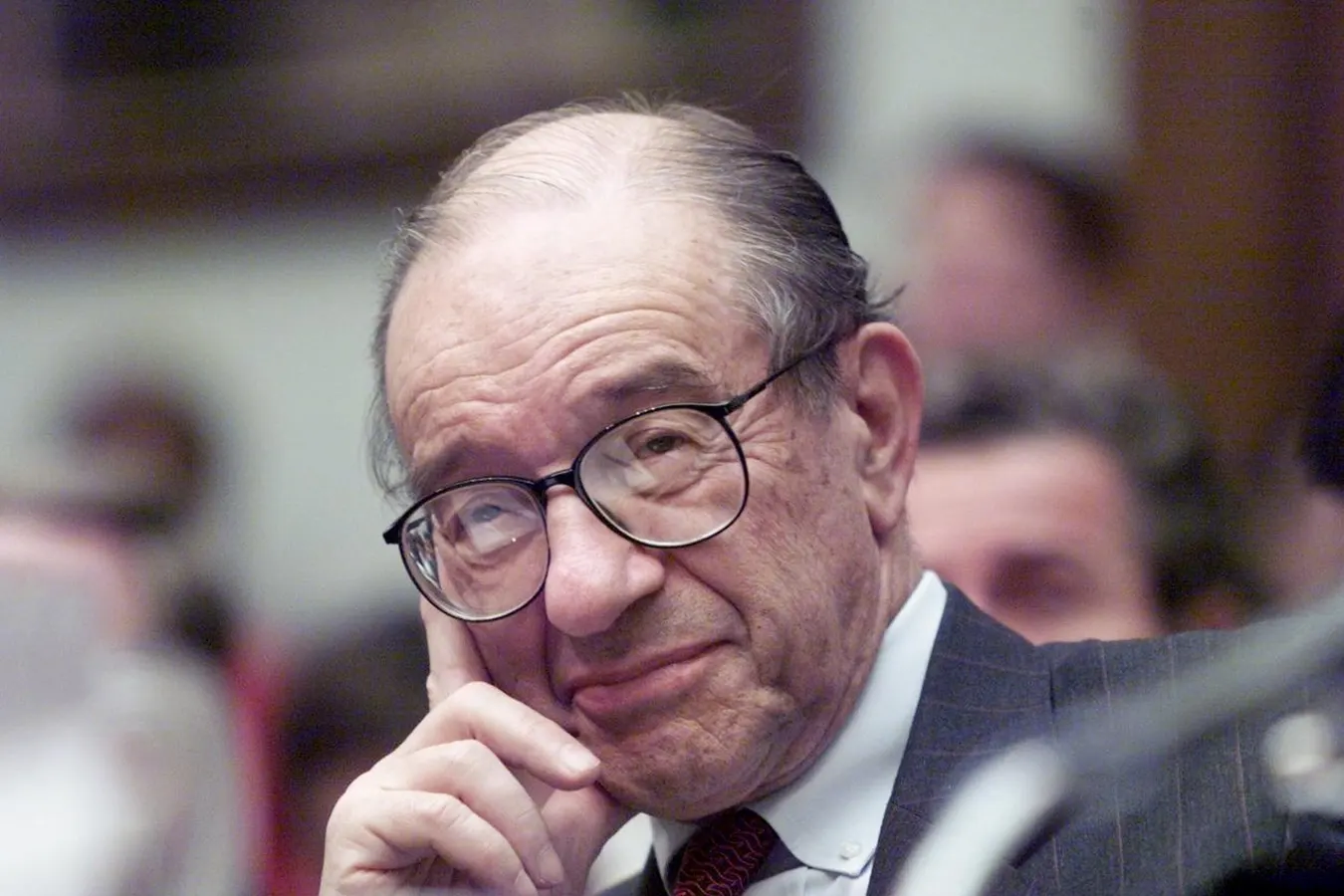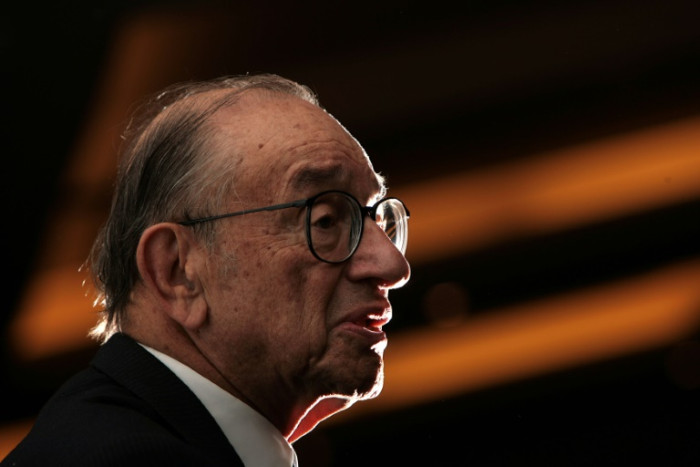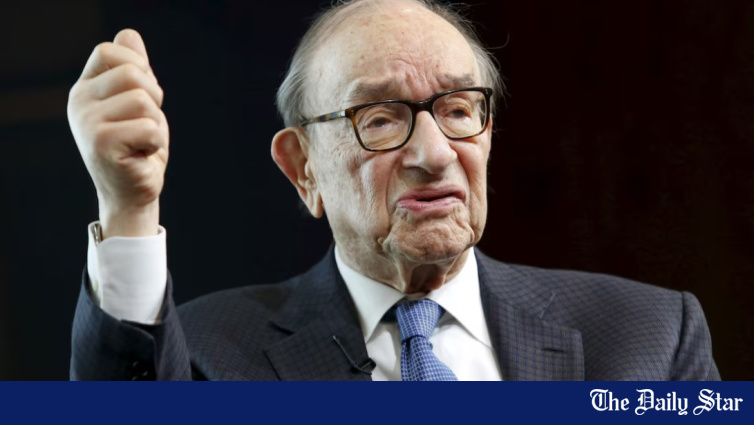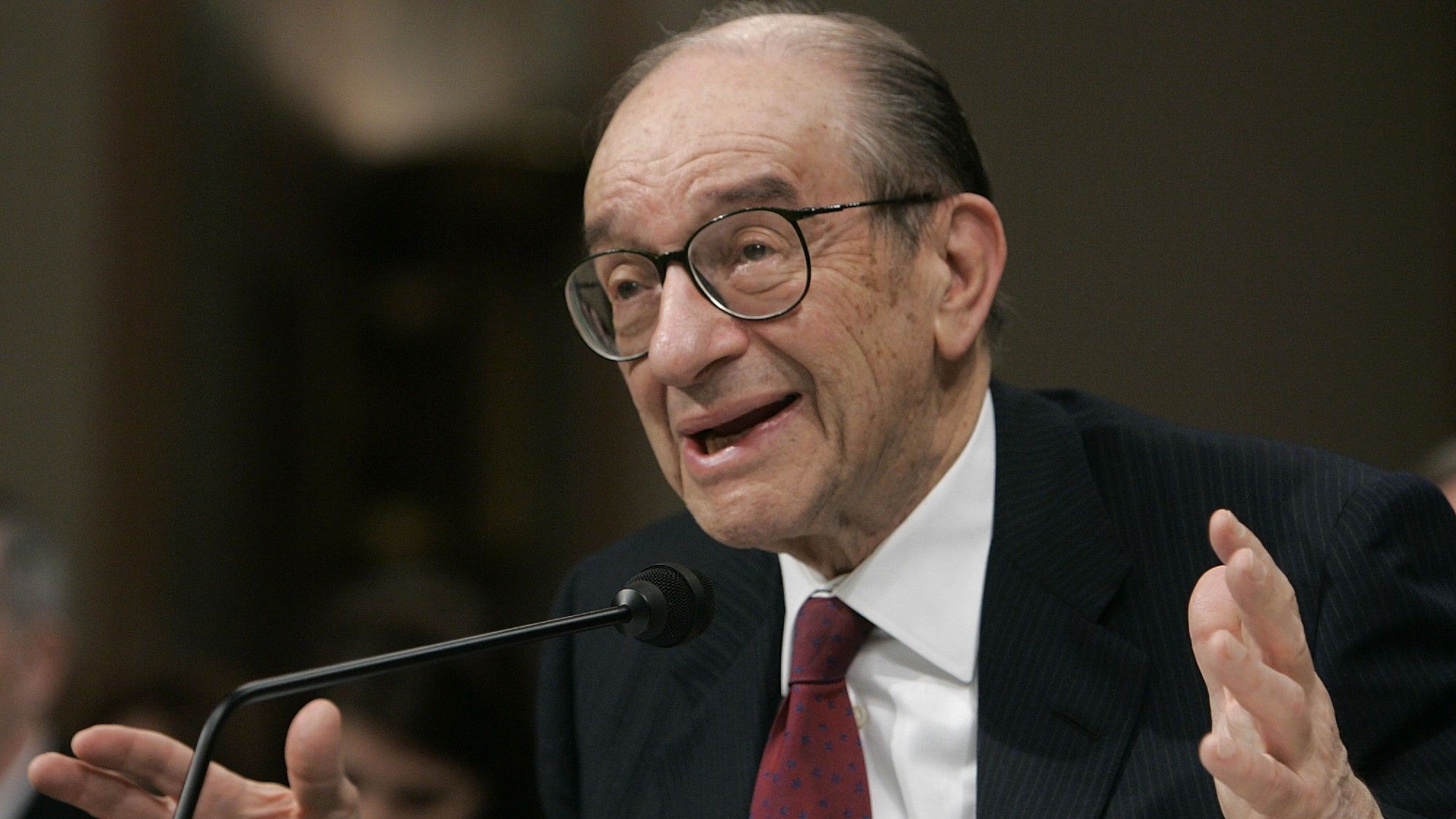
When Alan Greenspan retired as chair of the US Federal Reserve Board (Fed) in 2006, he did so with widespread plaudits for his management over an extraordinary five terms in office. Two years later, after the financial crash of 2008, these views were revised. Greenspan, who died yesterday at the age of 100, is now seen to have a mixed legacy. His interest rate policy was an important factor in a long period of US – and international – economic expansion. When trouble hit, the Fed stepped in, notably after the dotcom crash in 2000 and the terrorist attacks of 9/11. The economy – and the financial markets – soon returned to growth after these interruptions. Greenspan was lauded on Wall Street and on both sides of the US political divide. Critics said he was too ready to “bail out” the markets through Fed policy. But Wall Street and Main Street were happy as both the economy and investors prospered for many years during his term. Greenspan became a central economic figure of the time, reappointed by Republicans and Democrats alike and with the power to move markets, even if – at times – investors struggled to understand what he actually meant. Financial deregulation was a key theme of the free market ethos of the time, supported politically as well as at the Fed. So, when the financial bubble burst in 2008, following the collapse of Lehman Brothers, the Fed was in the firing line. Major failures of regulation were exposed, notably in the sub-prime market, where mortgages were given to borrowers with lower incomes and in turn these loans were bundled up and sold to investors. A ticking time bomb had built up during Greenspan’s term and the Fed did little to stop it. Greenspan subsequently expressed his shock that the banks had exposed their shareholders to this risk. A giant market failure had been exposed. The Fed was not solely responsible, of course. But when the financial system crashes, the central bank and those who lead it must take their share of the blame.
The Irish Times view on Alan Greenspan: from boom time to the crash
Financial deregulation was a key theme of the free market ethos of the time
346 words~2 min read