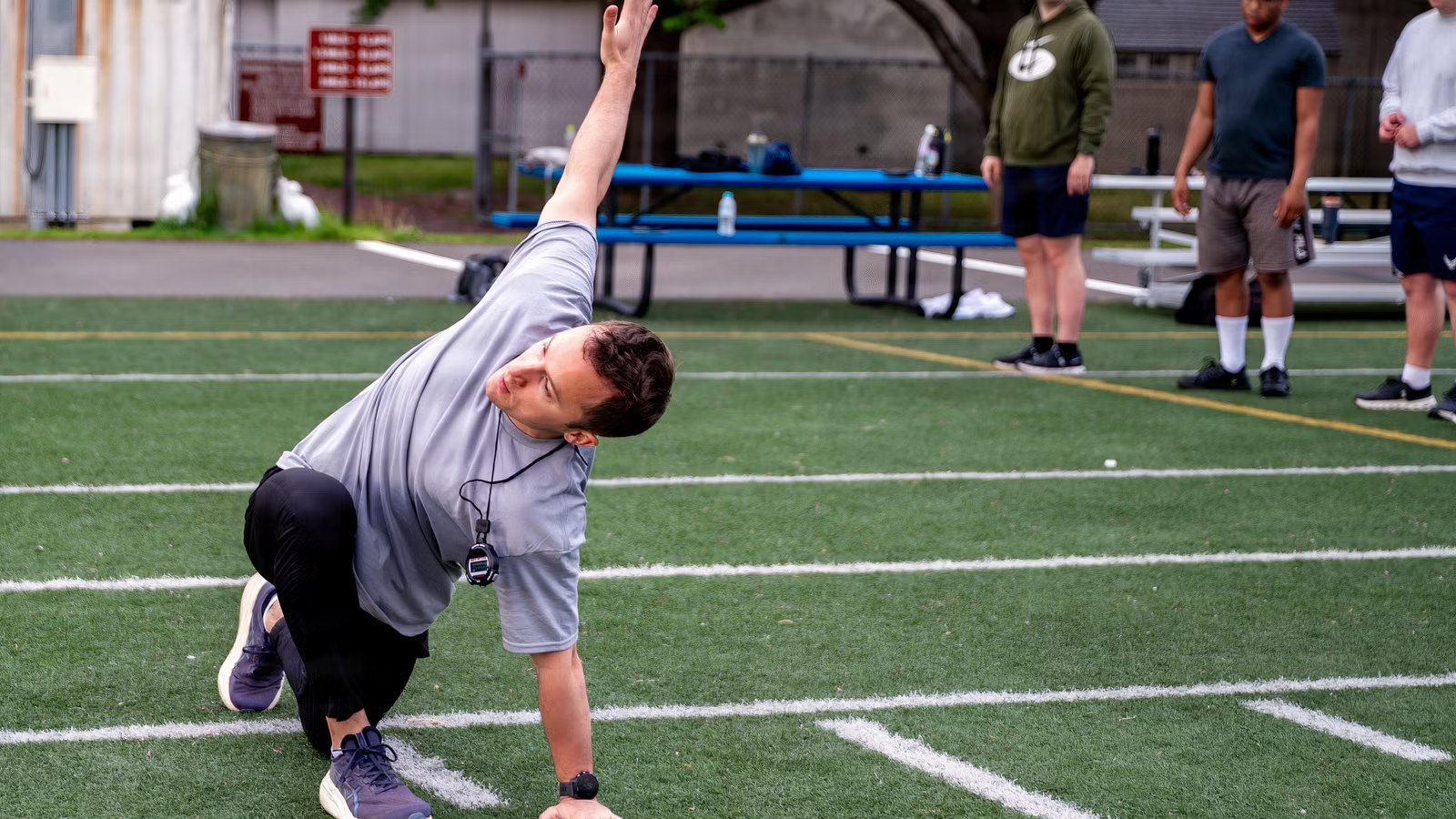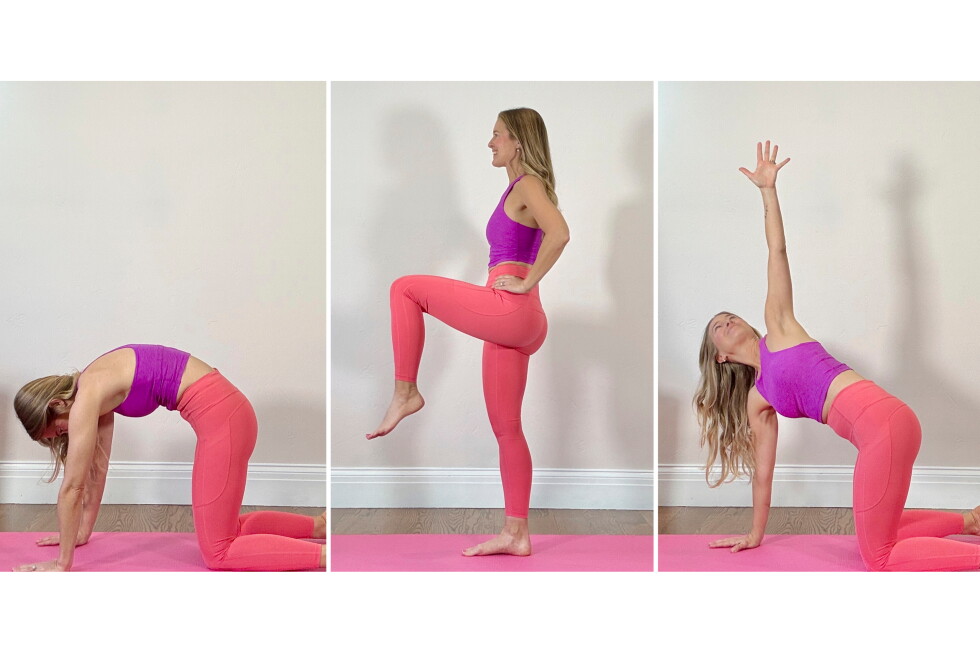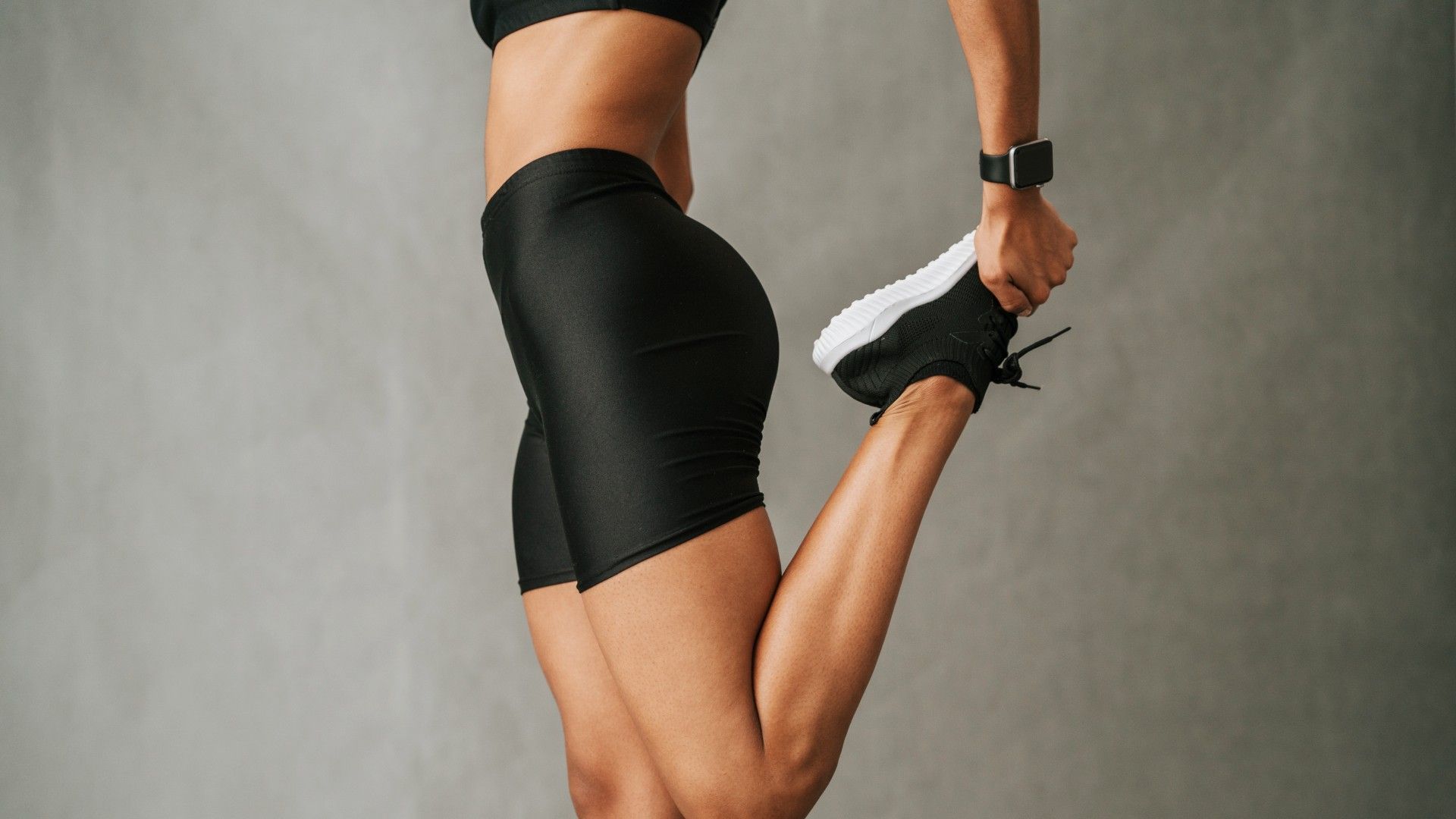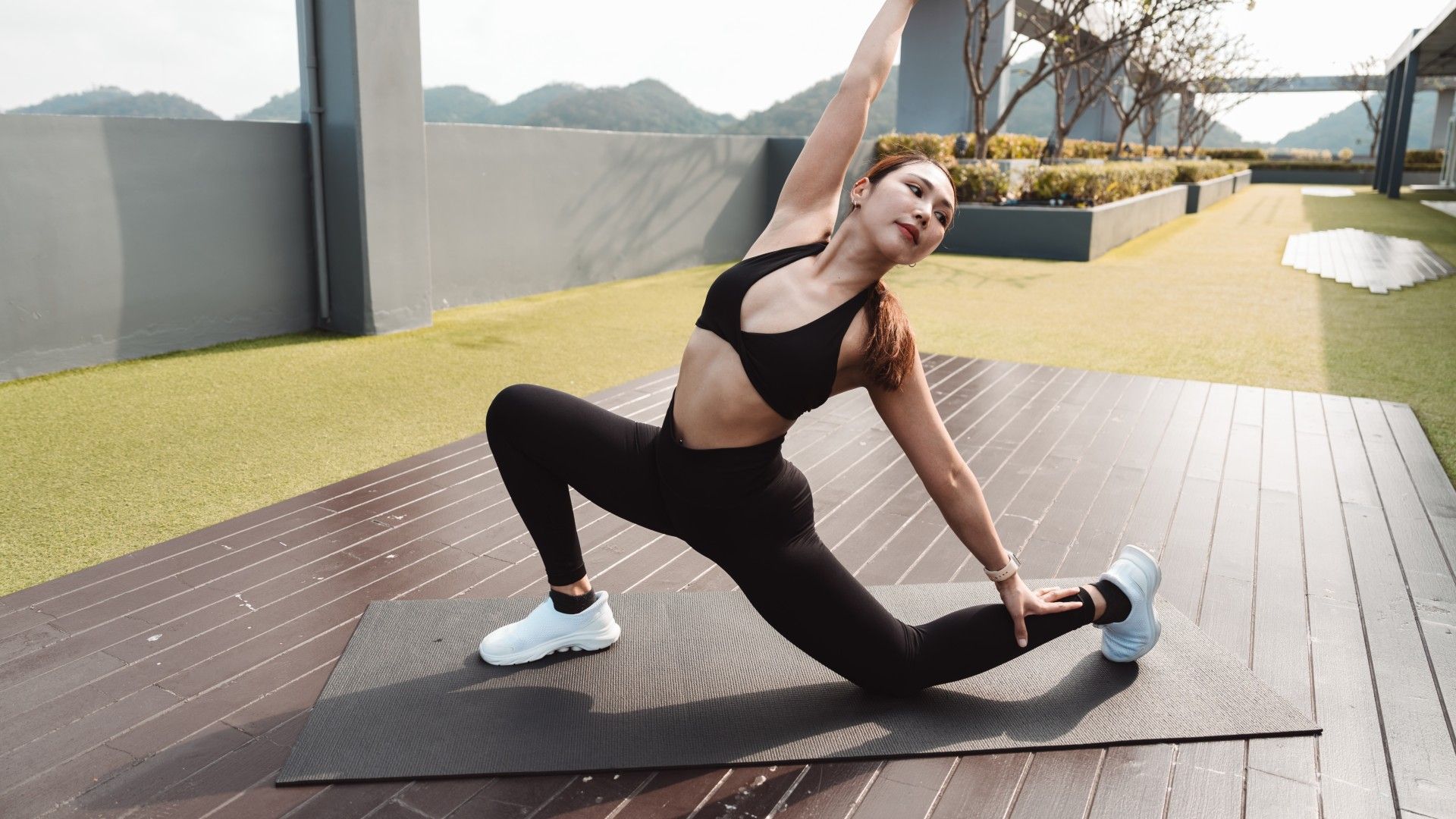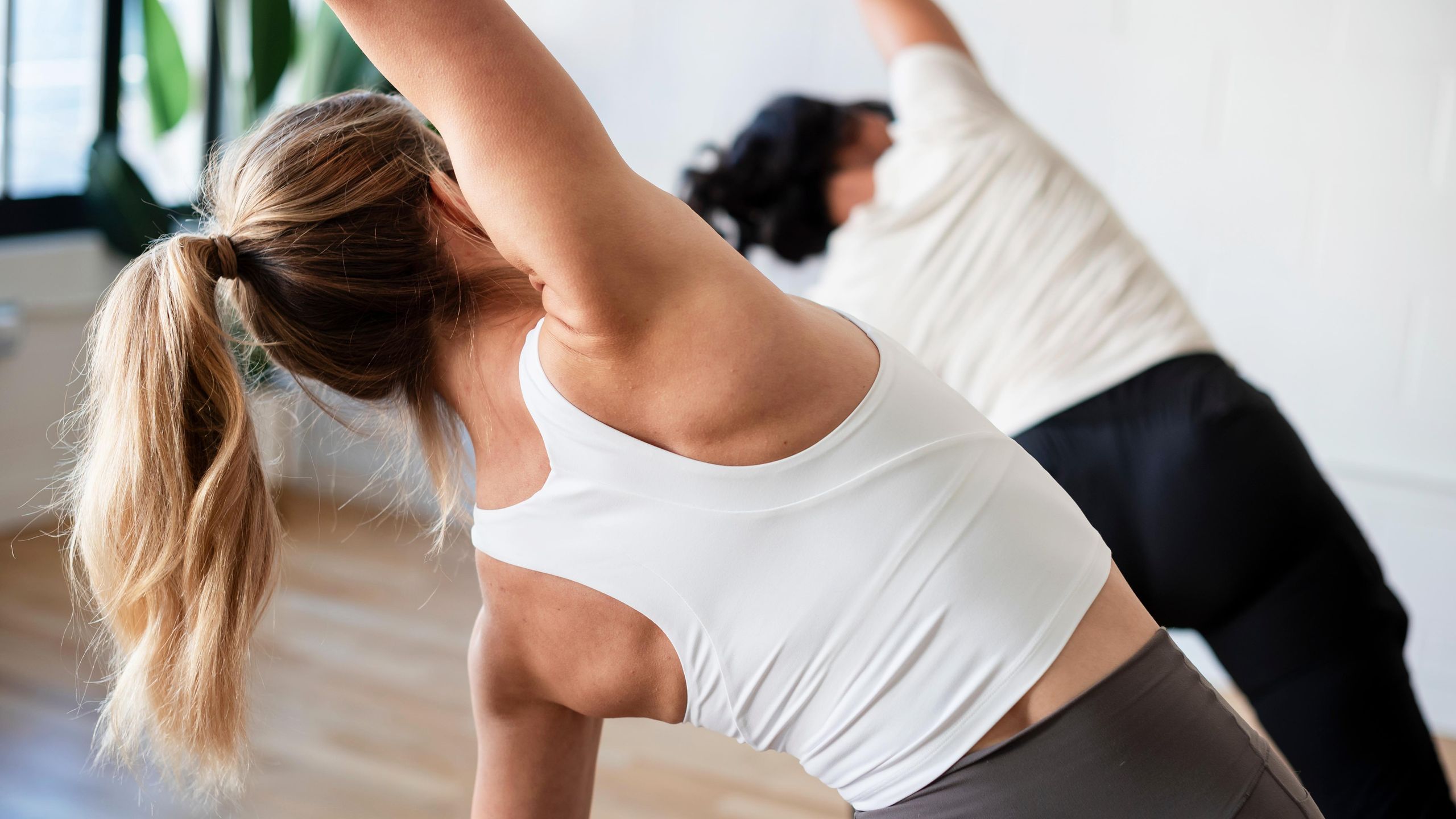
Fitness is often measured through numbers: how much weight a person can lift, or how fast or far they can run. But one important metric is harder to quantify: mobility.Mobility gets overlooked, because the relevant exercises do not “have the instant visual appeal of traditional workouts”, says Tyler McDonald, certified personal trainer and senior brand manager for the National Academy of Sports Medicine.Mobility can’t be tracked on a leaderboard, and won’t significantly change how your body looks. But it will help you feel better and do better at just about everything else. As McDonald puts it: “It doesn’t matter how much you can bench-press if your shoulders hurt too much to put a carry-on bag in the overhead bin.”So what is mobility and how does one start incorporating it into a fitness routine? We asked experts.What is mobility?Although “mobility” and “flexibility” are often used interchangeably, they don’t mean the same thing, says Dr Andrew Jagim, a sports medicine expert at the Mayo Clinic Health System.Flexibility refers to the passive ability of a muscle or joint to move through a range of motion, Jagim explains. Mobility, on the other hand, is more active and incorporates strength, motor control, coordination and stability.How deep you can sink into a forward fold, for example, is a matter of flexibility. But being able to move from a forward fold into a squat and back again requires mobility.Why is mobility important?“The biggest benefit of good mobility is freedom of movement,” says McDonald.When your body moves in the way it is supposed to, the basic tasks of life feel easier – you can squat down to pick up keys you dropped, reach into the back seat of your car, or run around without your body feeling stiff and painful.Movement requires a series of complex and overlapping systems in the body to work in sync: joints for bending, hinging and pivoting; muscles for moving the joints; and the brain and nervous system for balance and coordination.Without good mobility, your body may still be able to accomplish daily tasks, but it will look for shortcuts, enlisting the help of joints and muscles that probably shouldn’t be involved.“If your hips are locked up from sitting at a desk all day, your body still needs to find a way to let you bend over,” McDonald says. Often, it does so by “borrowing” some of that movement from your lower back. Over time, McDonald explains, this compensation can lead to chronic aches, premature joint wear, and a much higher risk of injury during sudden or heavy movements.Being able to move efficiently is also essential to ageing independently, and fall risk is a major issue as people age. A 2023 paper in the International Journal of Environmental Research and Public Health found that many elderly adults who fall are not injured, but must call emergency services for help because they lack the hip and knee mobility required to get up.“Those left lying on the floor for over an hour, even without injury, are more likely to die within six months,” the paper read.Even for those in the bloom of youth, for whom healthy ageing seems like a distant concern, mobility has lots of immediate benefits, including improved athletic performance, says Dr Kelly Starrett, physiotherapist and co-author of the book Built to Move.“When we have tissues that are more compliant, joints that work better, more efficiency, better recovery, power goes up,” Starrett says. This allows an athlete with better mobility to work harder than their competition, because their body is moving more efficiently and not using energy on wasteful movement.More from How to start:
Improved performance, freedom of movement and less pain: how to start a mobility practice
Mobility can’t be tracked on a leaderboard, but it can help you feel better and make daily tasks easier
1,133 words~5 min read