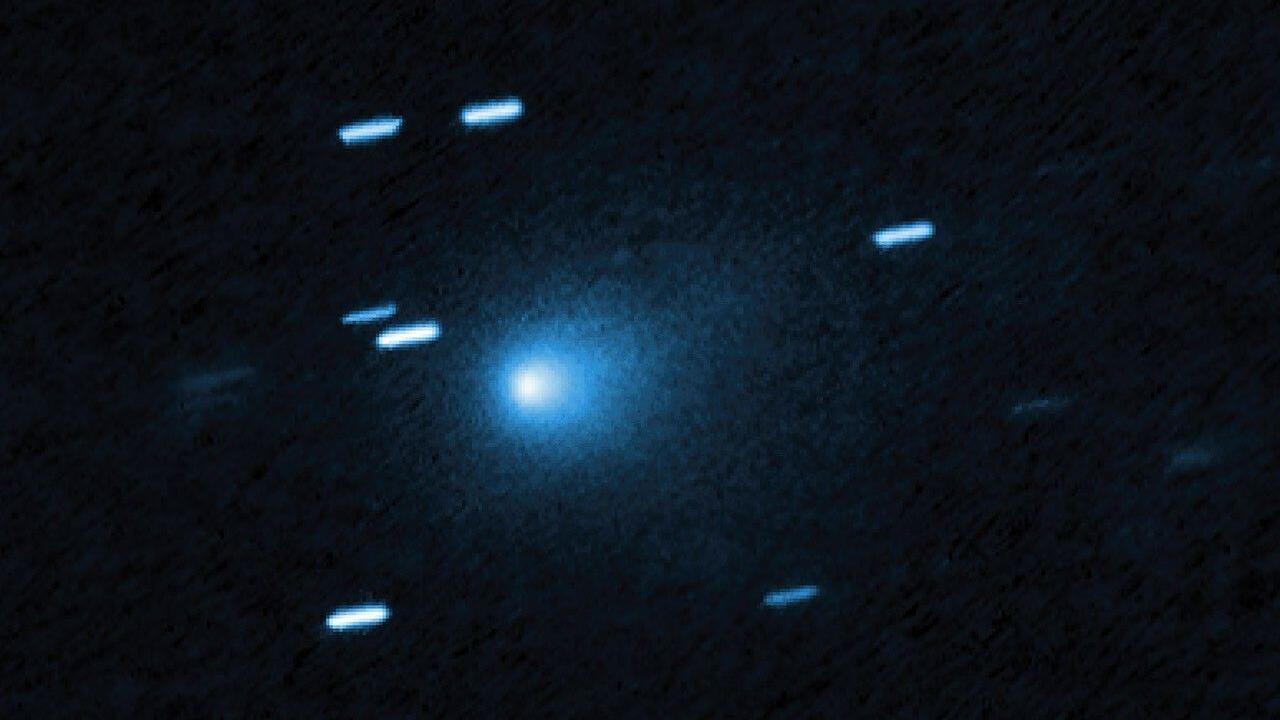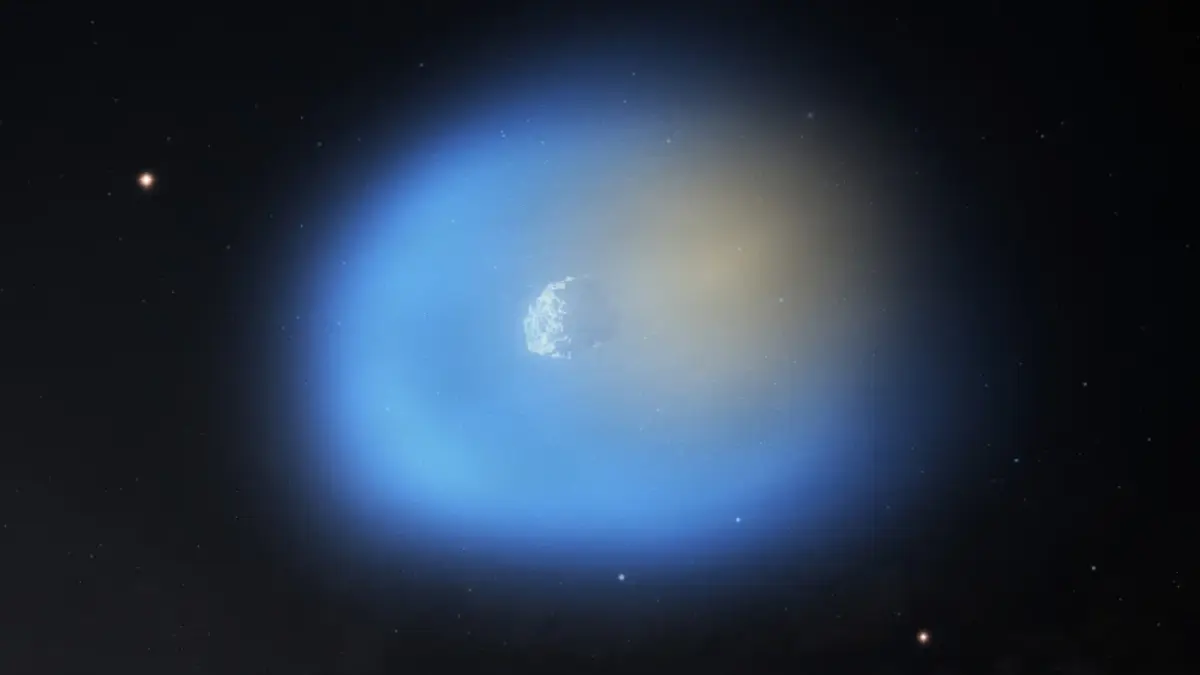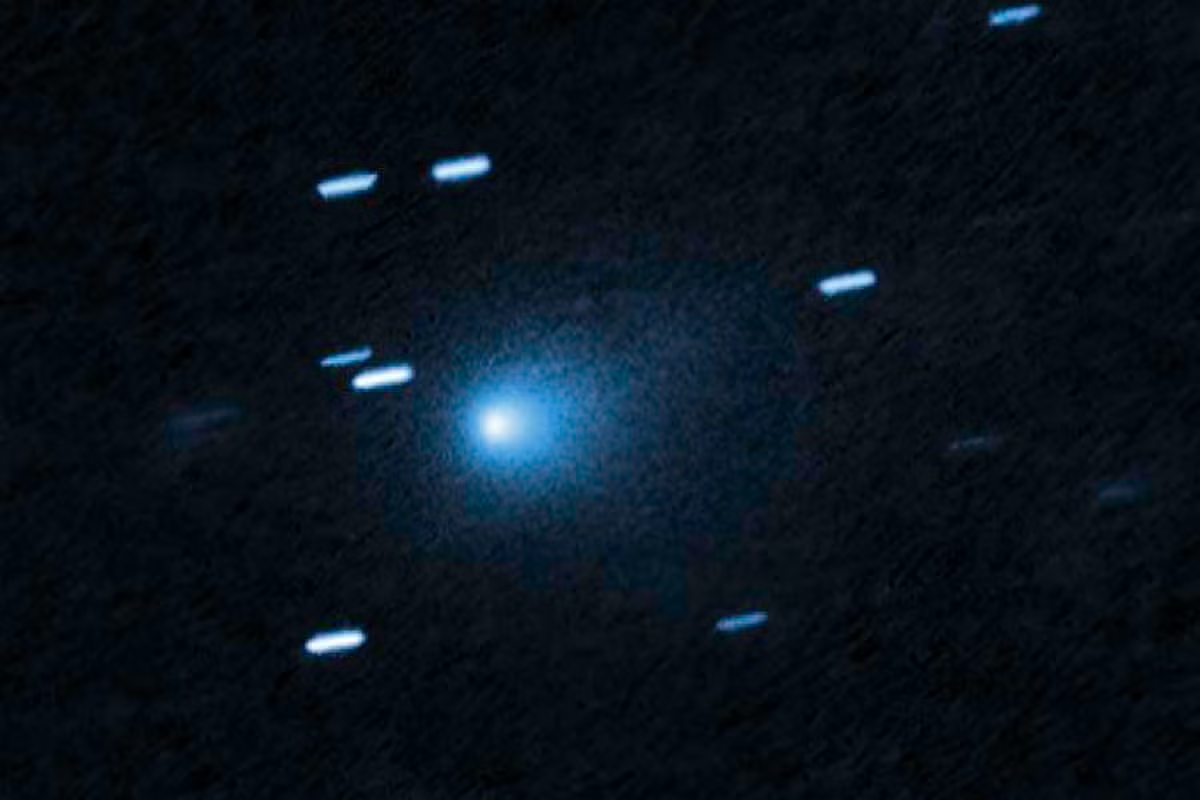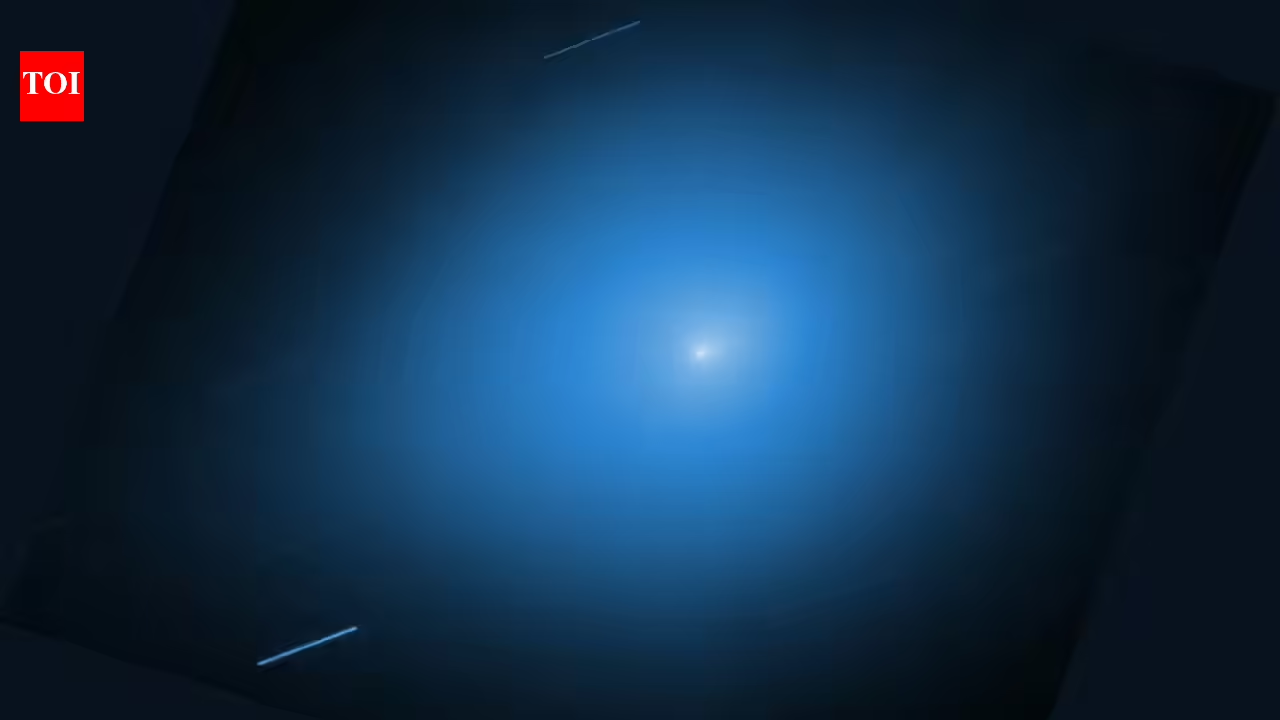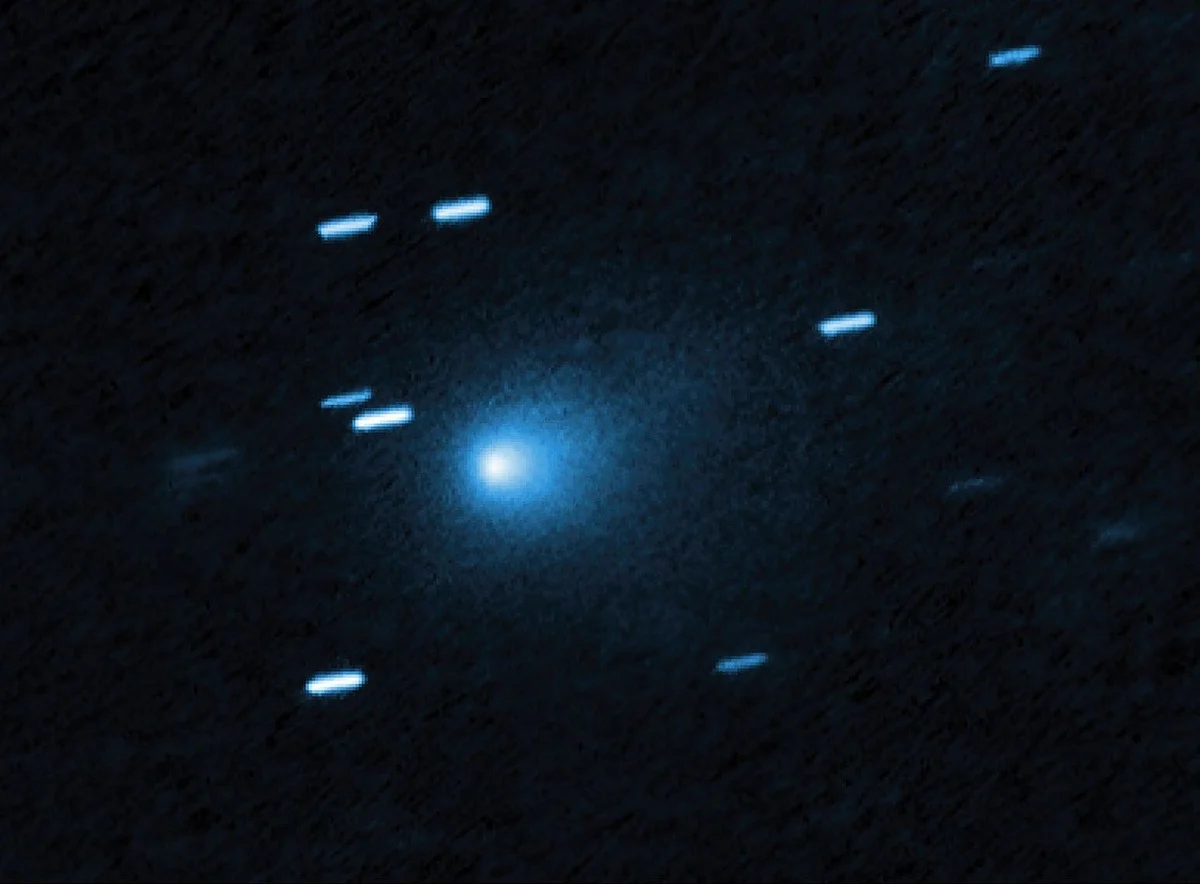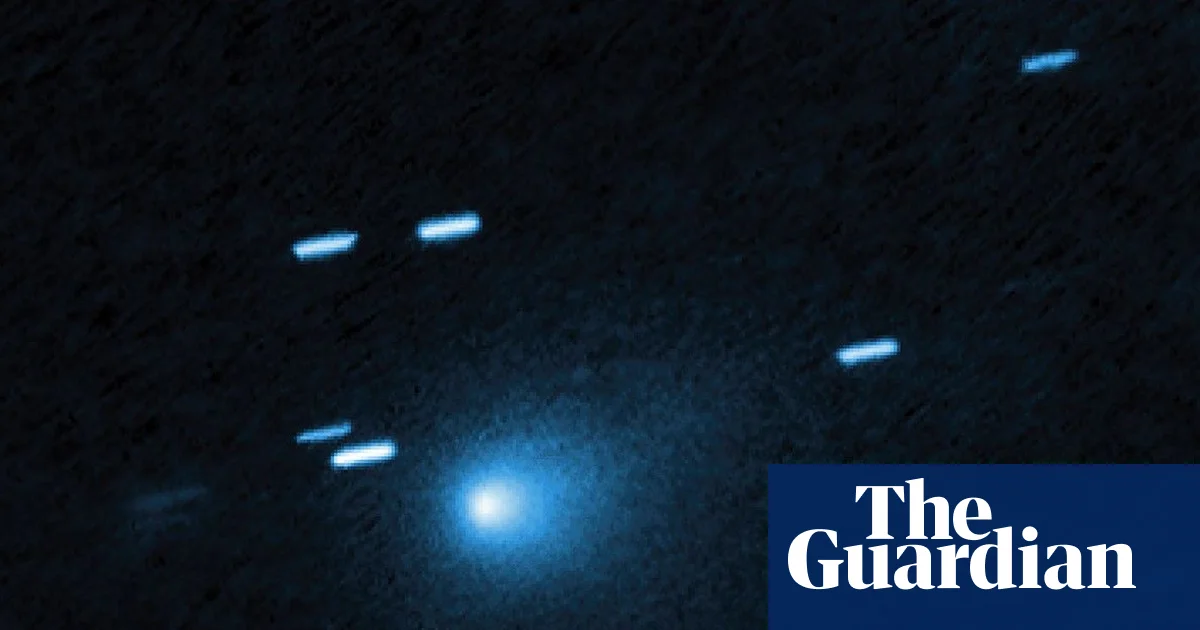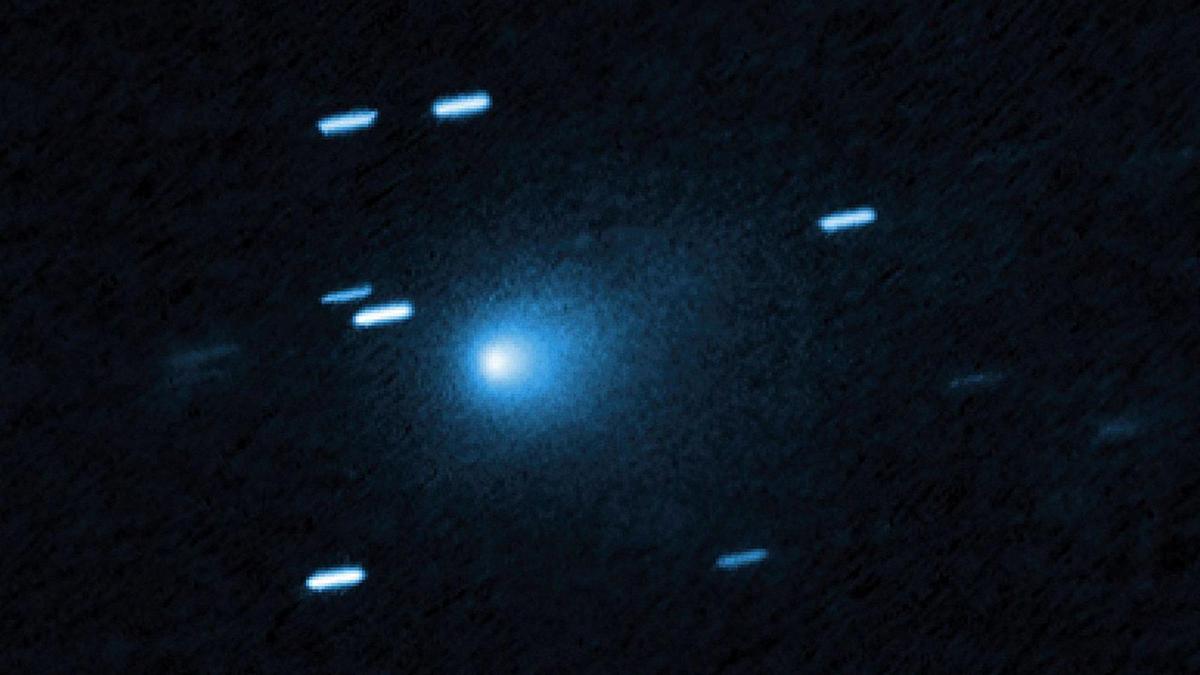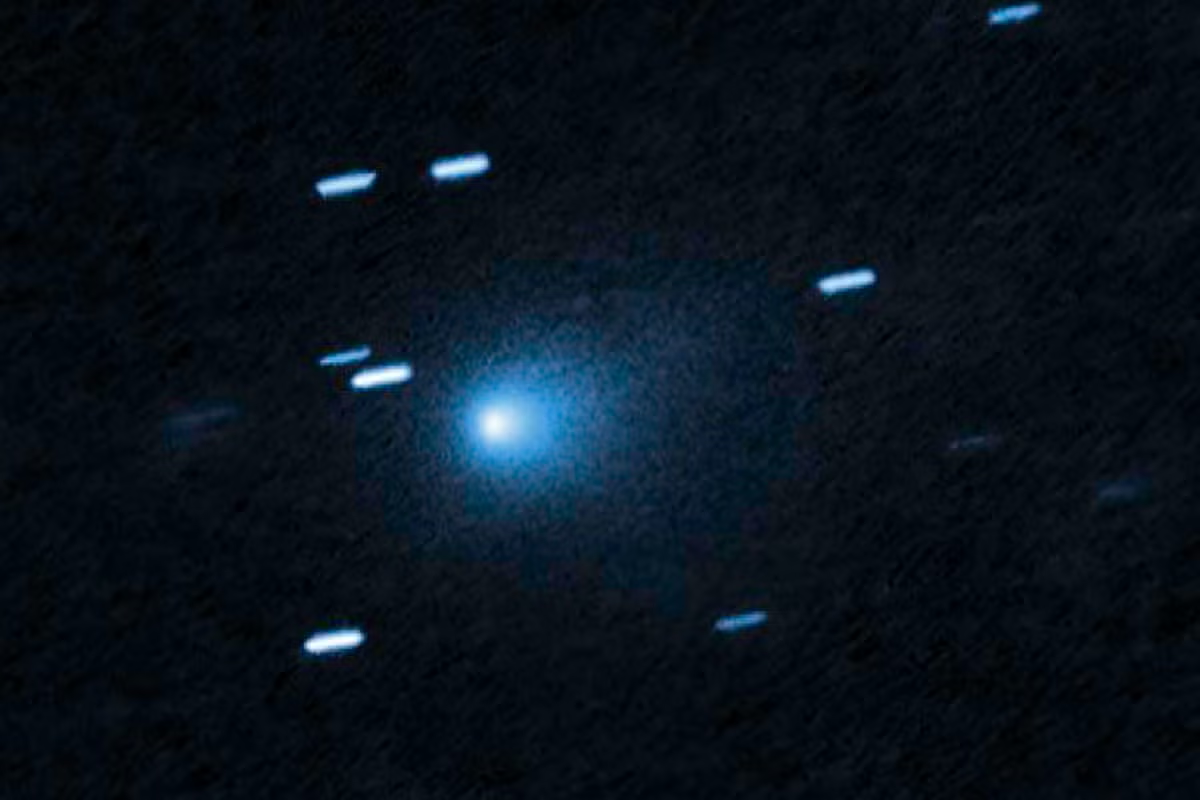
All signs were already indicating that interstellar comet 3I/ATLAS was unlike anything we'd ever seen.When it zoomed through the inner Solar System last year, the swarm of telescopes that homed in on it revealed that not only was it without peer in the Solar System, but that it was also dramatically different from either of the two previous known interstellar objects, 1I/'Oumuamua and 2I/Borisov.Now, a deep analysis of some of the highest-fidelity observations hints that this strange comet may be nearly as old as the Universe itself.By studying ratios of hydrogen and carbon isotopes, a team led by molecular astrophysicist Martin Cordiner of NASA Goddard Space Flight Center has discovered that the comet formed somewhere very cold, and very primordial – and may be as old as 12 billion years.
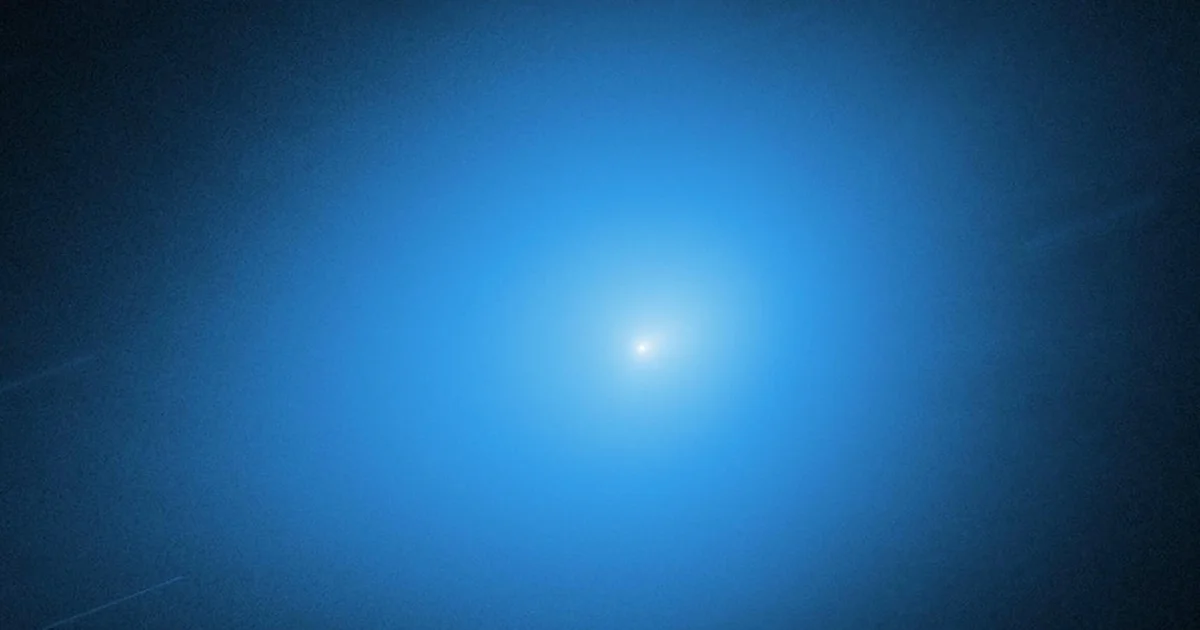
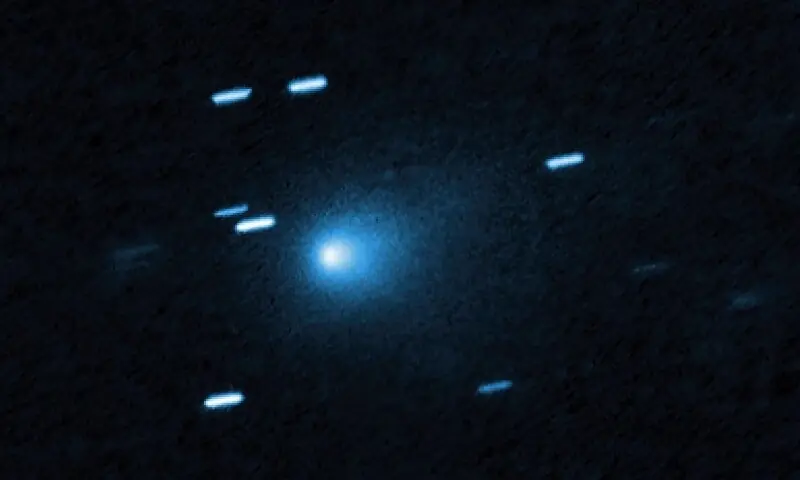
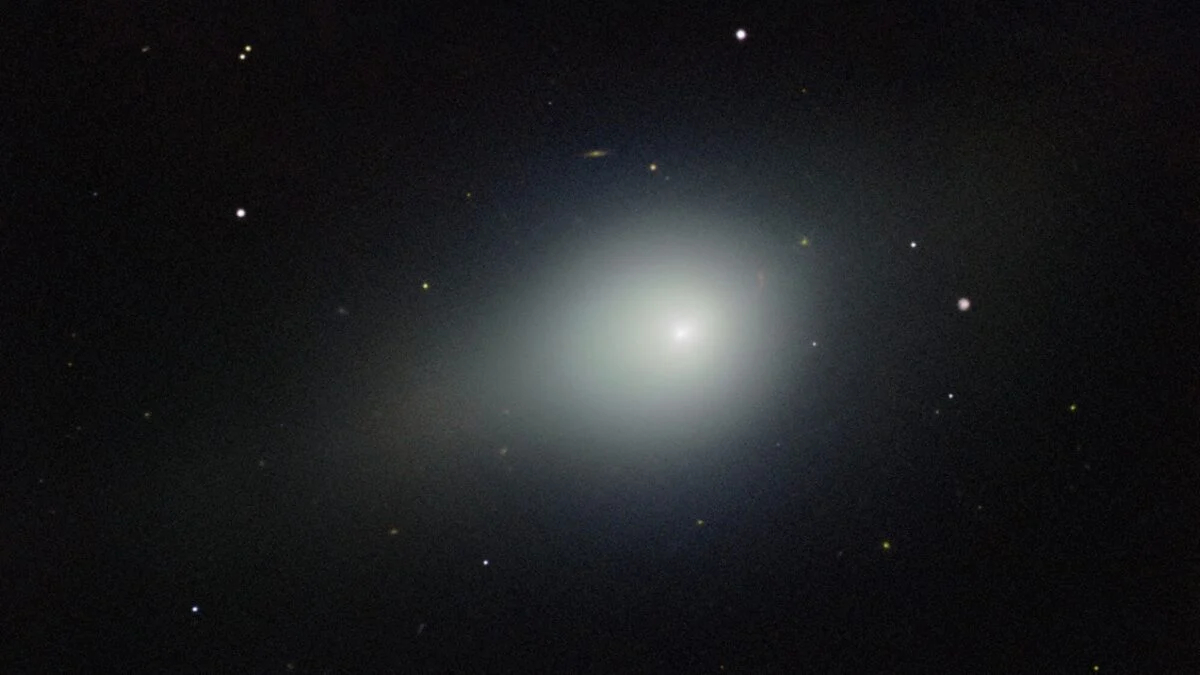
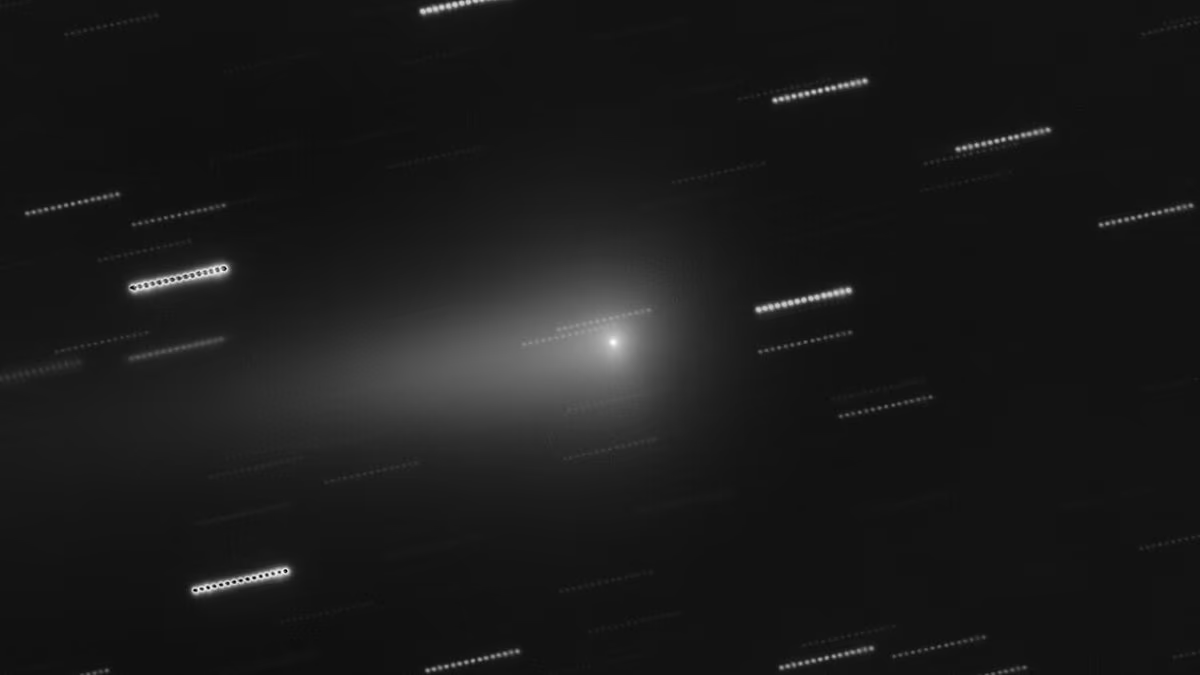
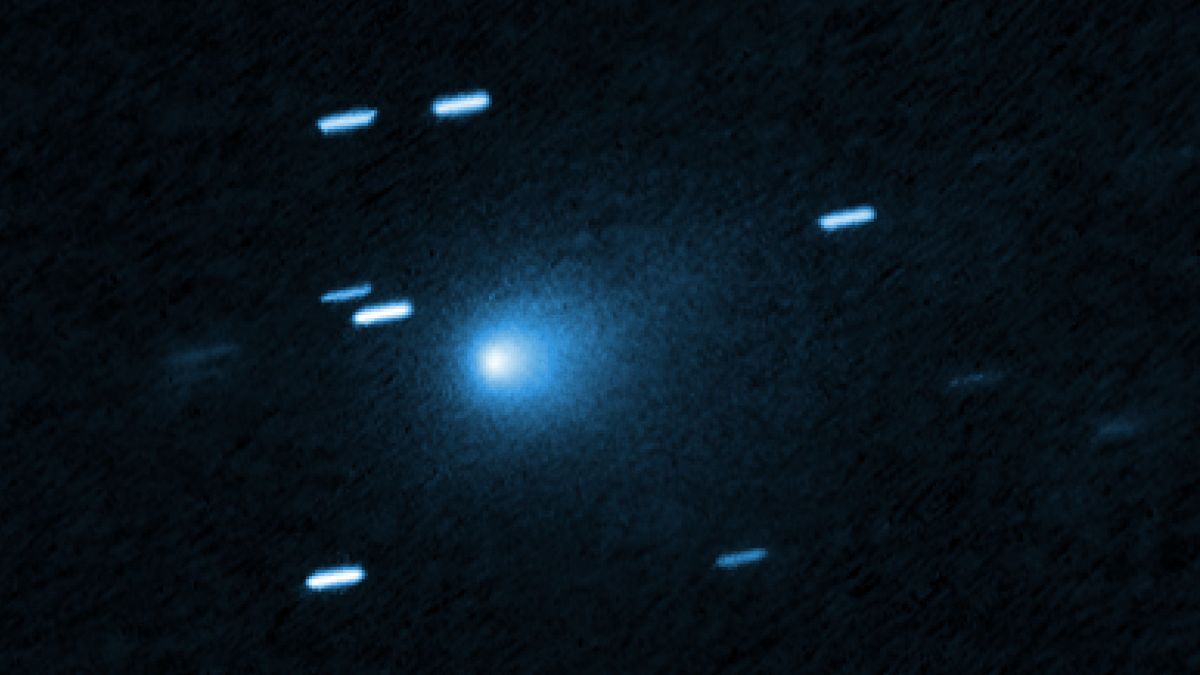
"This was a special moment. Amid all the rumors of extraterrestrial technology, a strong scientific narrative was emerging that 3I/ATLAS appeared to closely resemble our typical Solar System comets," Cordiner told ScienceAlert. "However, the isotopic ratios we measured with JWST show that it is not only distinct, but also likely much older than our Solar System."Suddenly, we are no longer asking 'is this a comet?', but 'what can this unique object tell us about the history of our galaxy?'"Humanity first became aware of 3I/ATLAS on 1 July 2025, and while public interest waned a little after its closest approach to the Sun (perihelion) at the end of October that year, scientists have remained avidly interested.Even from the very first observations of 3I/ATLAS, scientists knew it was unusual. Its composition and the chemistry of the gases it emitted as it drew close to the Sun hinted at a rock whose formative environment was deeply dissimilar to the Solar System.Since then, follow-up analyses have found that the birthplace of 3I/ATLAS was very cold and distant, with velocity measurements placing its age somewhere between 3 and 11 billion years.Cordiner and his colleagues have now conducted one of the most detailed analyses yet, teasing apart infrared observations from JWST and radio observations from ALMA of the chemistry taking place in the comet's coma.Specifically, they studied ratios of isotopes of hydrogen and carbon – both of which provided fingerprints of 3I/ATLAS's mysterious past.JWST observations of 3I/ATLAS. (NASA/James Webb Space Telescope)Water in the coma was found to contain an unusual amount of heavy hydrogen, or deuterium.Meanwhile, the comet's carbon isotopes were unlike those seen in Solar System comets, planets, meteorites, or even most nearby star-forming regions."To get such definitive evidence of a distant origin (in space and time) is enough to turn the scientific narrative around, and show that this object is indeed something scientifically very unique and interesting," Cordiner said.The two results tell us different things about the comet.The deuterium result is based on the ratio of heavy hydrogen to hydrogen, and it's in agreement with previous analyses that found a peculiarly large proportion of heavy hydrogen.Cordiner and his colleagues measured a deuterium-to-hydrogen ratio of 0.98 percent in the comet's water. That's more than 10 times higher than the deuterium ratios in Solar System comets.According to models of ice chemistry, such extreme deuterium enrichment is expected when water forms at temperatures below about 30 kelvin (-243 °C, or -406 °F), preserving chemical signatures from a deeply frozen environment.Gemini South image of 3I/ATLAS showing its cometary tail. (International Gemini Observatory/NOIRLab/NSF/AURA/Shadow the Scientist; Image Processing: J. Miller & M. Rodriguez (International Gemini Observatory/NSF NOIRLab), T.A. Rector (University of Alaska Anchorage/NSF NOIRLab), M. Zamani (NSF NOIRLab))This suggests that much of the comet's water formed in an extremely cold environment, likely far from the warmth of a star."The detection of such strong deuterium-bearing water is astonishing, as it is so different from any other primitive solar system object, and challenges our understanding of how ices are formed in space," Cordiner said.Meanwhile, the carbon isotopes reveal a different chapter in the story of 3I/ATLAS.The comet contained unusually high ratios of carbon-12 to carbon-13, suggesting it formed from material that had not yet been heavily enriched by generations of dying stars.This is because elements heavier than hydrogen and helium were not present in the Universe in large quantities until a few generations of stars had lived and died.In the fusion engines of their cores, stars smash together atoms to form heavier elements; during their violent deaths, these elements are scattered into space, where they can be incorporated into newly forming objects.