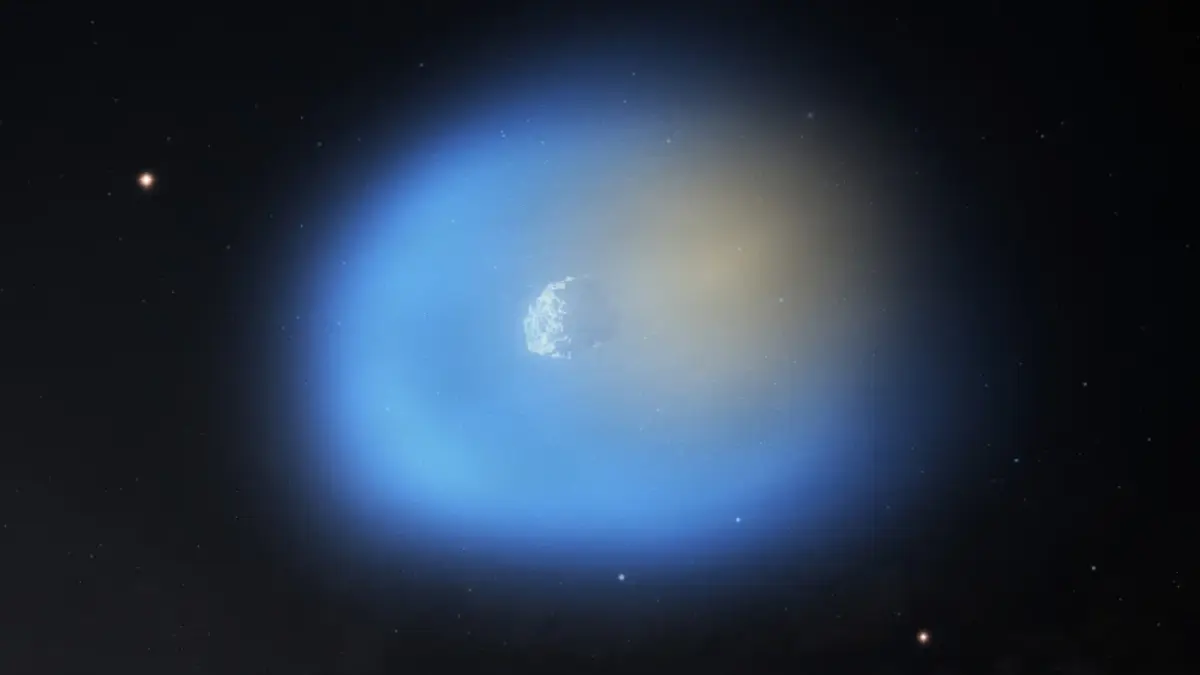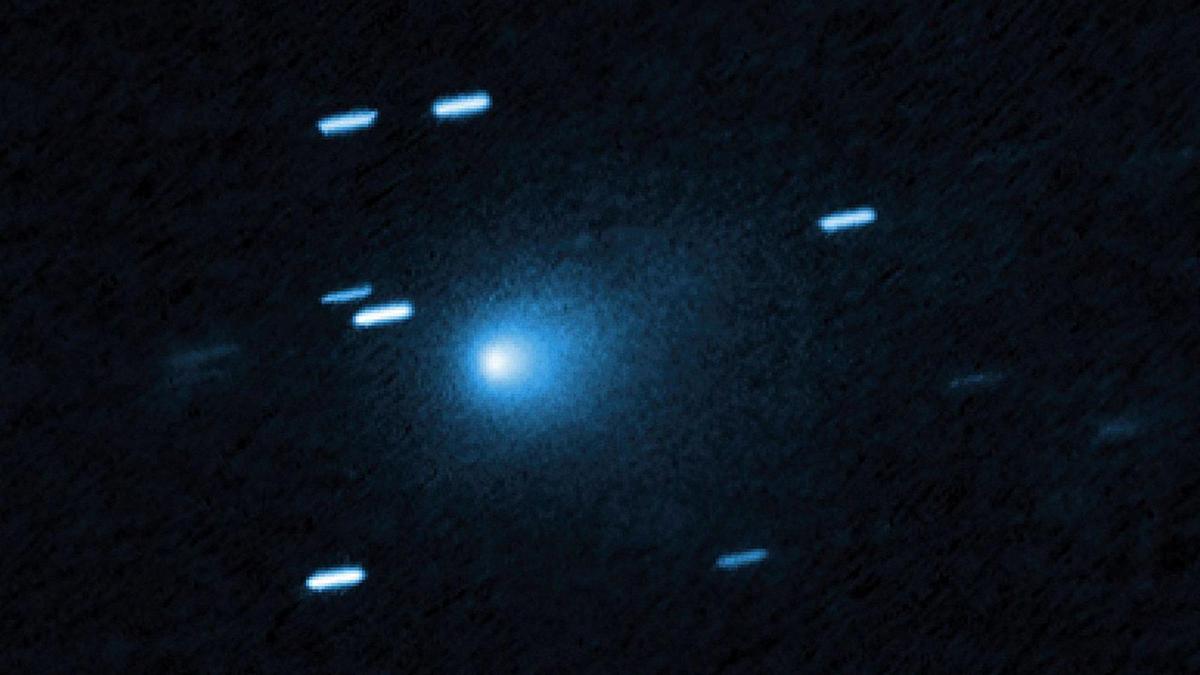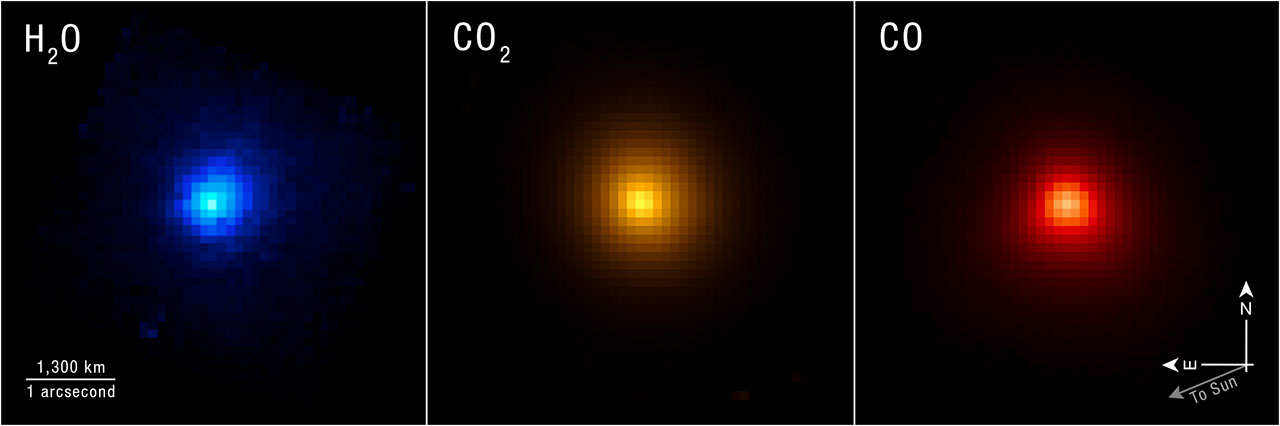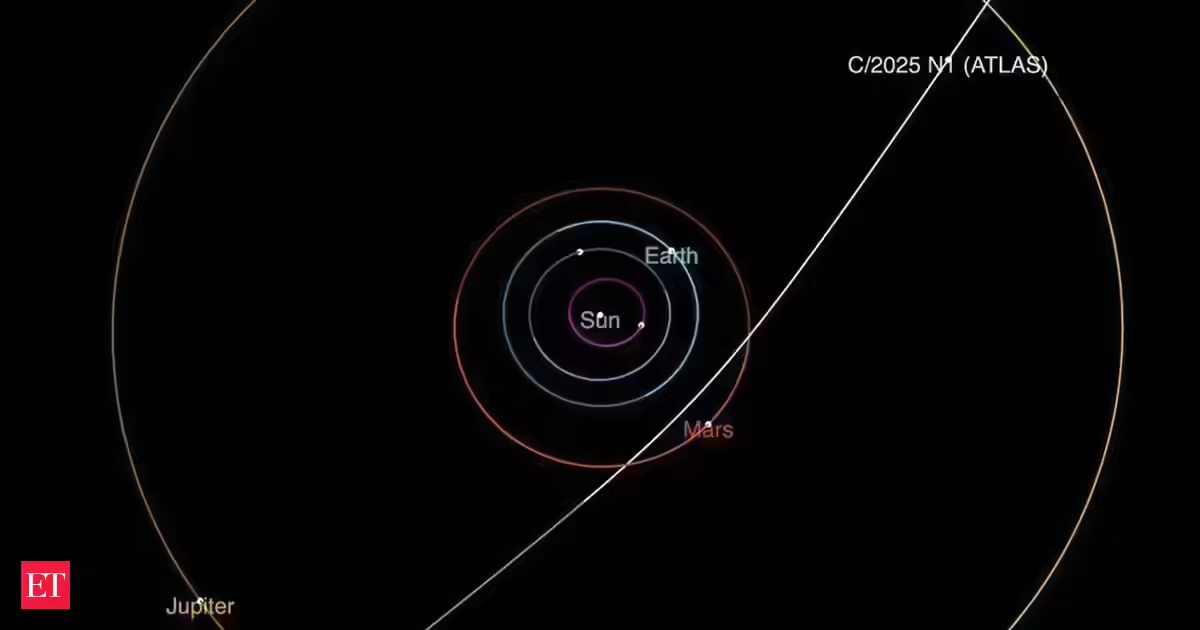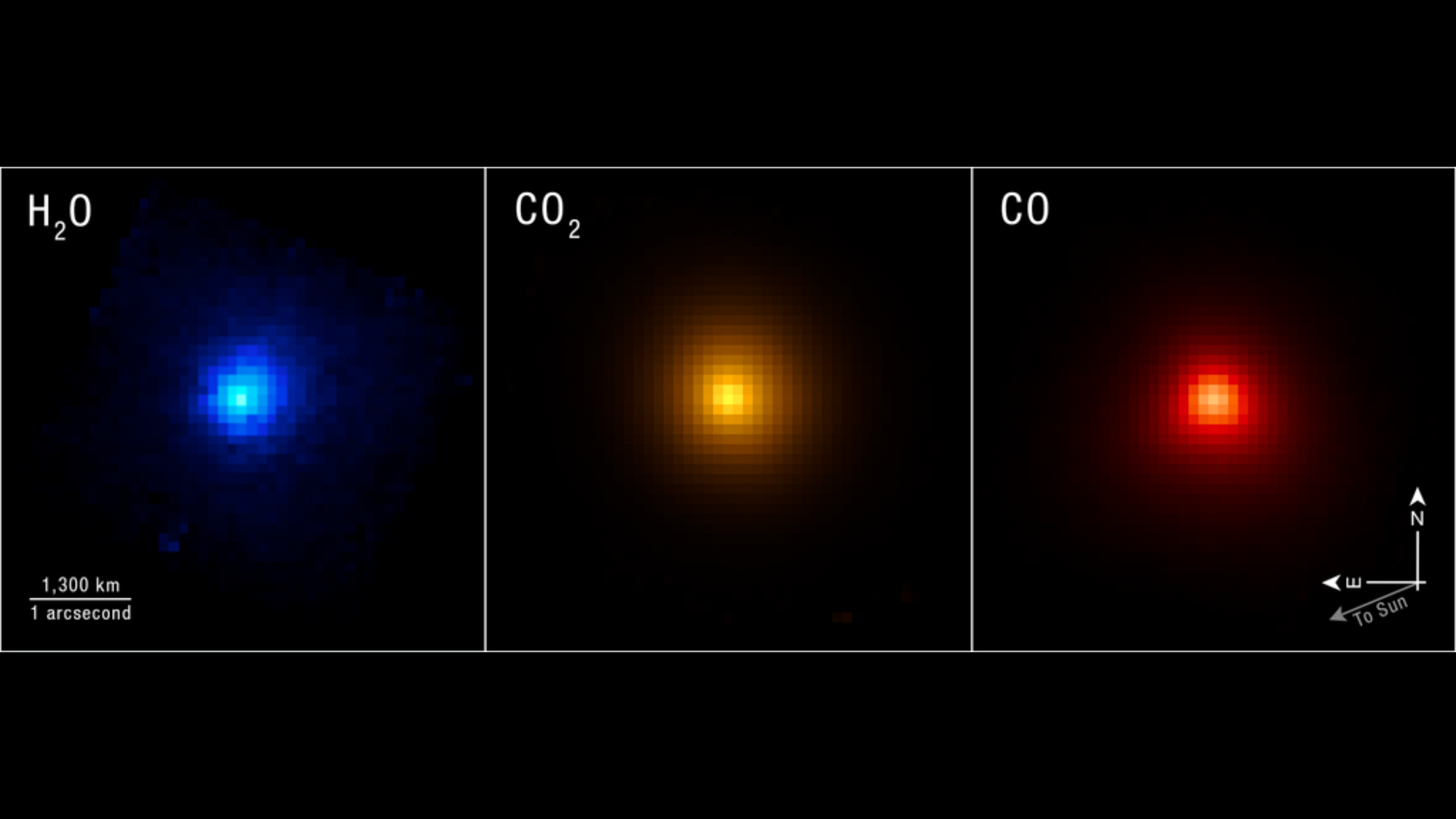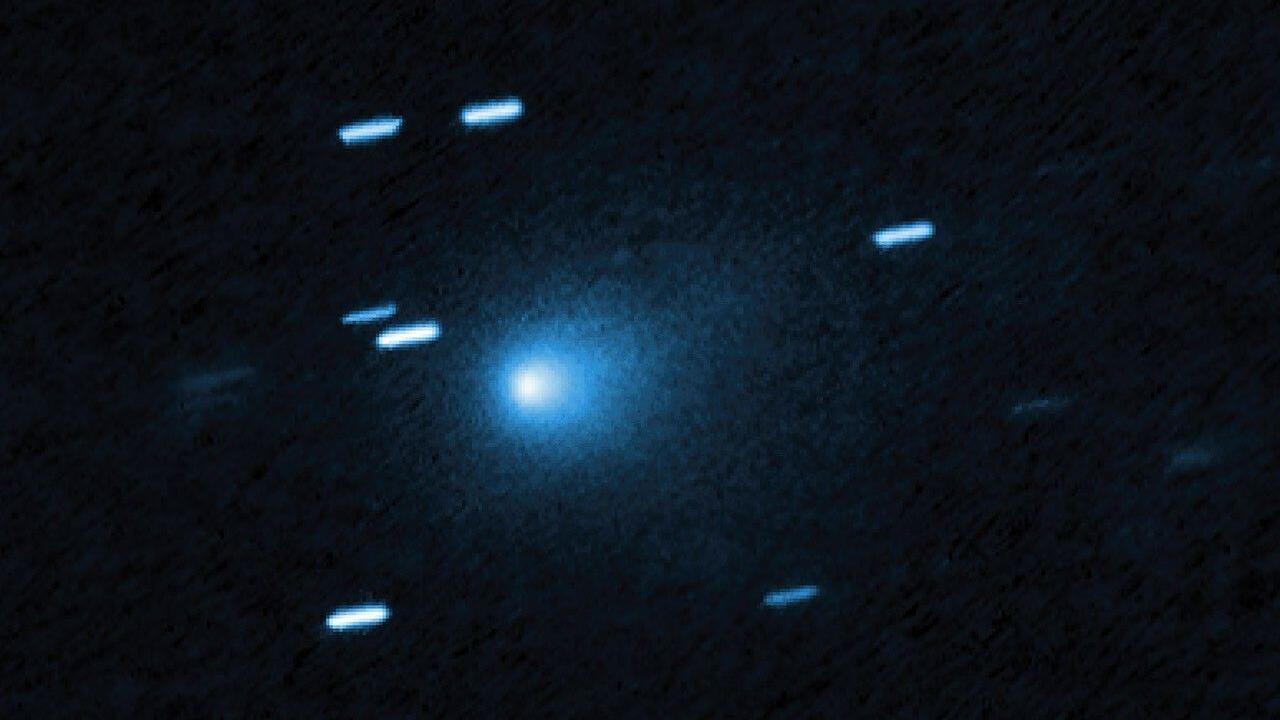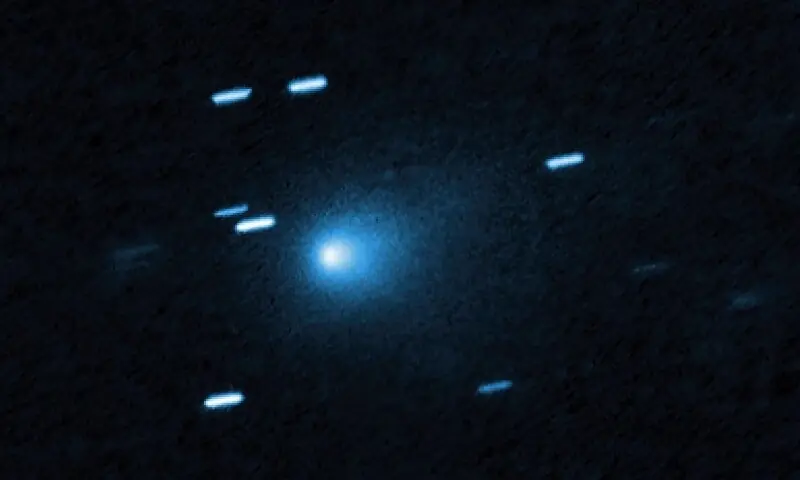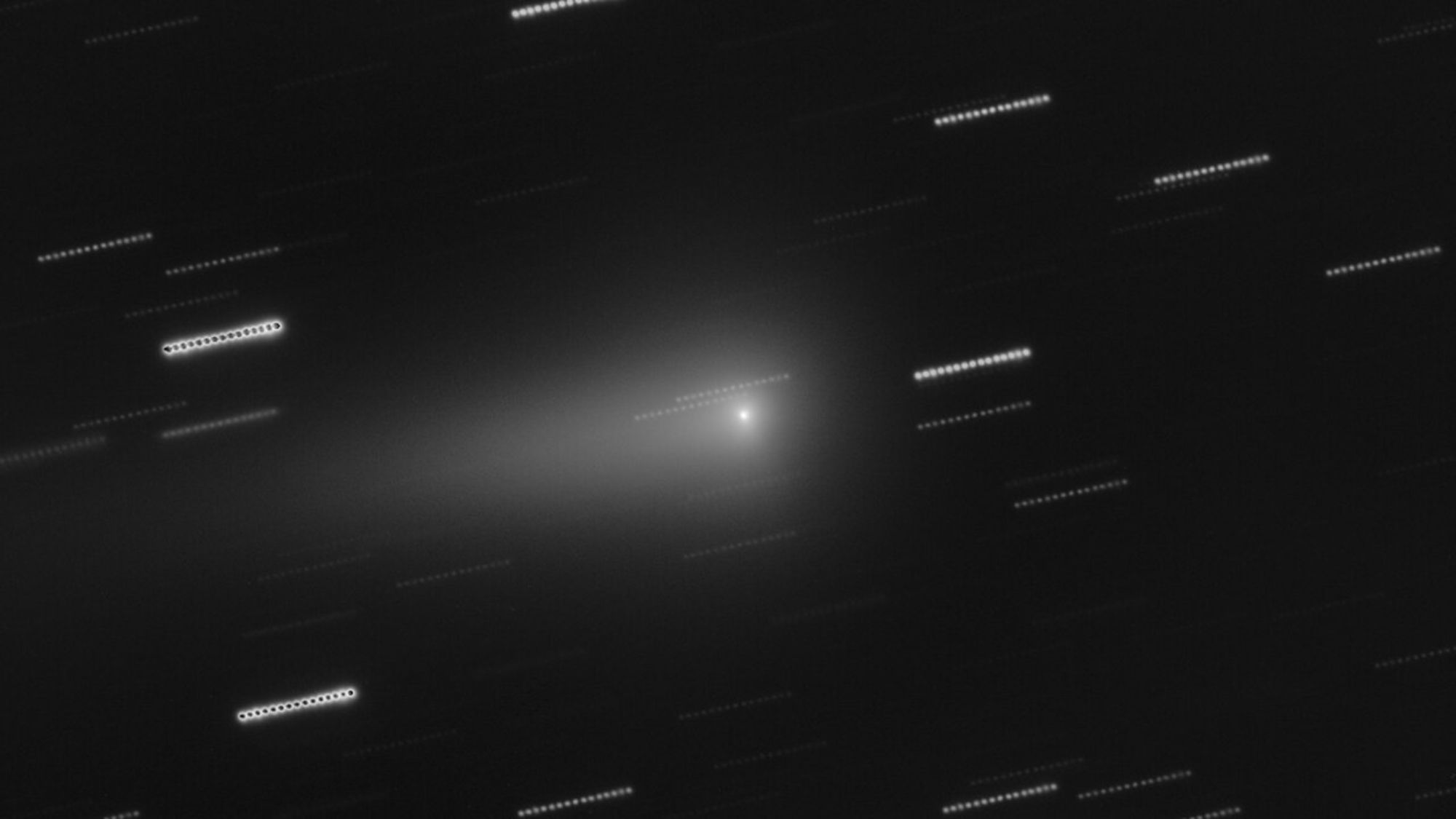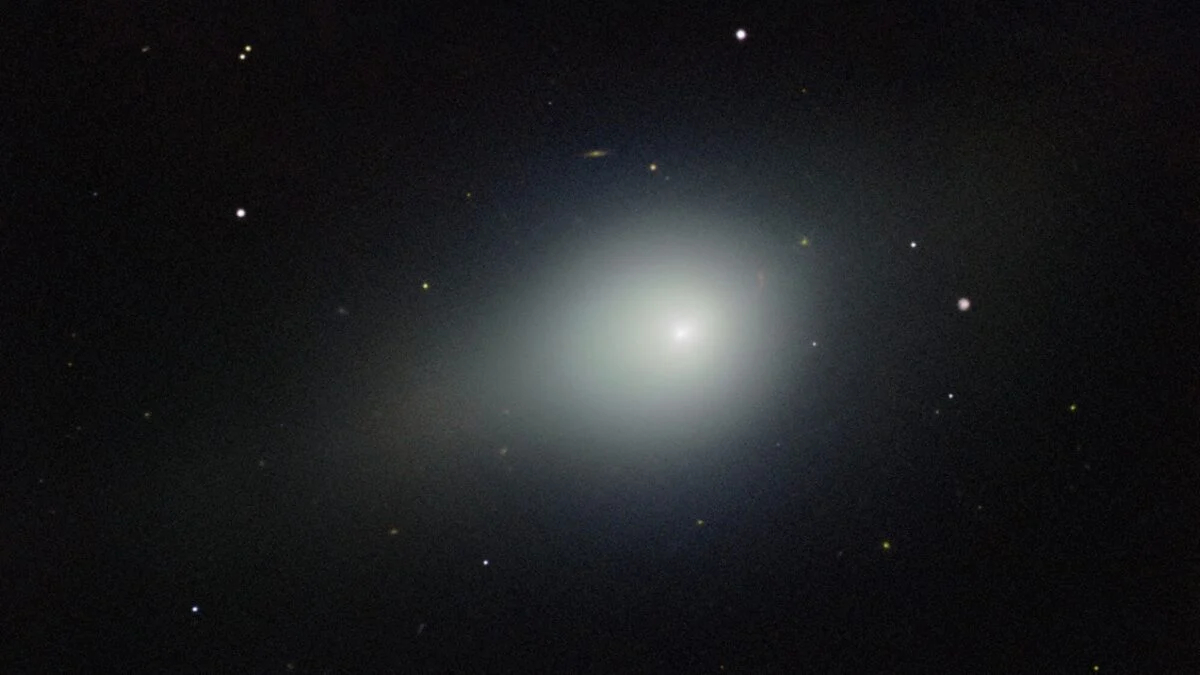
Comet 3I/ATLAS may have ended its journey through the solar system, but not before the Webb space telescope got one last glimpse of the rare interstellar visitor on its way out. Webb’s detailed measurements revealed the ancient origin story of the mysterious object, offering fresh insights into distant places of the galaxy. Astronomers used Webb to observe the interstellar comet as it began moving away from the Sun in December 2025. The comet’s close approach to the star converted its ancient ice to a bright coma of gas, making it an ideal time to measure its chemical components. In a new study published Monday in Nature, a team of researchers reveals that Comet 3I/ATLAS likely formed 10 to 12 billion years ago in a very cold planetary system far away in the Milky Way. For context, the universe itself is approximately 13.8 billion years old, which means this comet formed relatively early in cosmological history. Just passing through Astronomers first spotted Comet 3I/ATLAS in June 2025, and it was later confirmed as an interstellar visitor that originated from outside our solar system. As the comet’s name indicates, it is the third discovery of its kind.
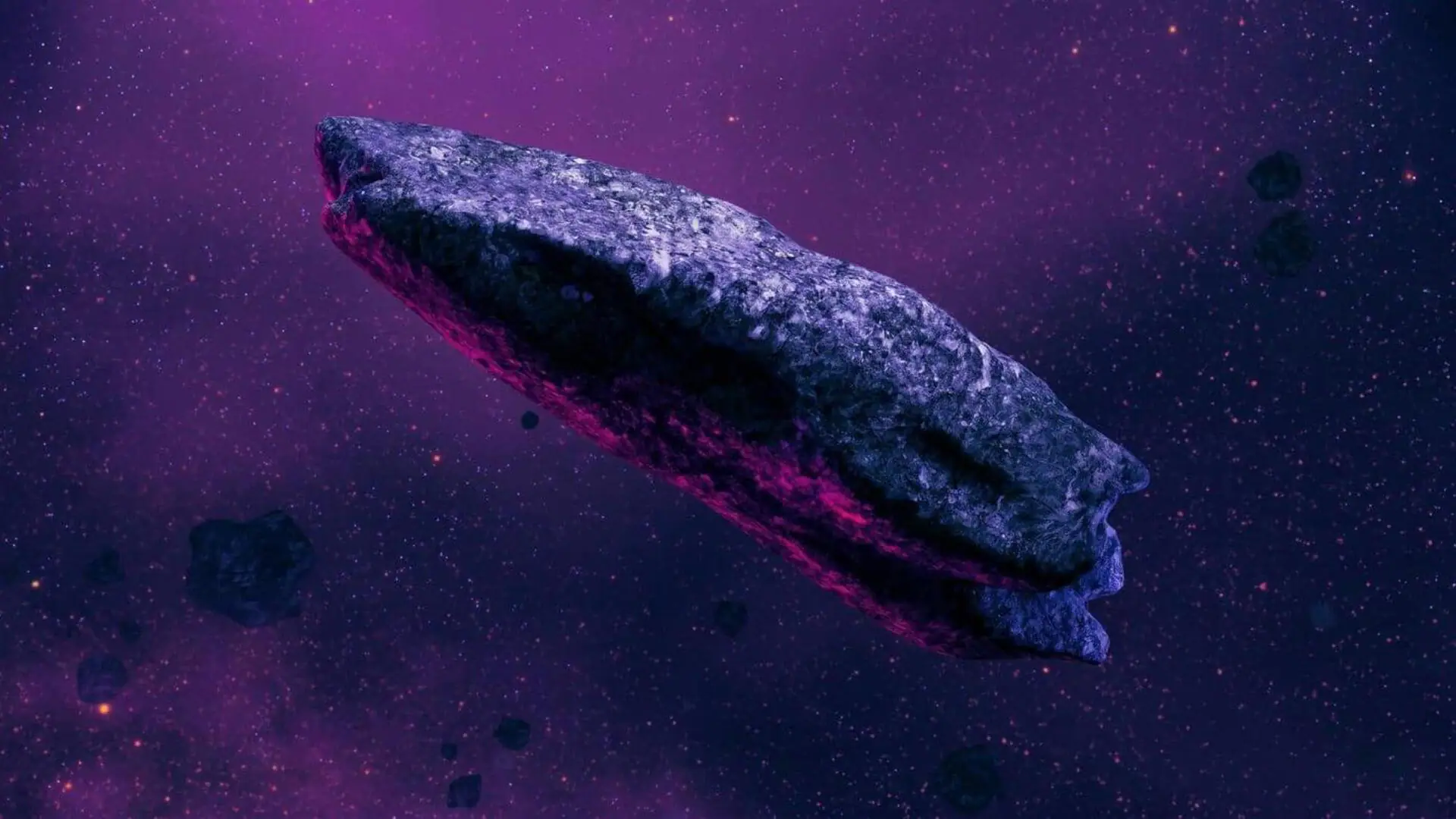
Interstellar comets are a rare find, providing a unique opportunity to study the composition of star systems outside of our own. Compared to the other interstellar objects previously discovered—‘Oumuamua and 2I/Borisov—Comet 3I/ATLAS is older and faster.