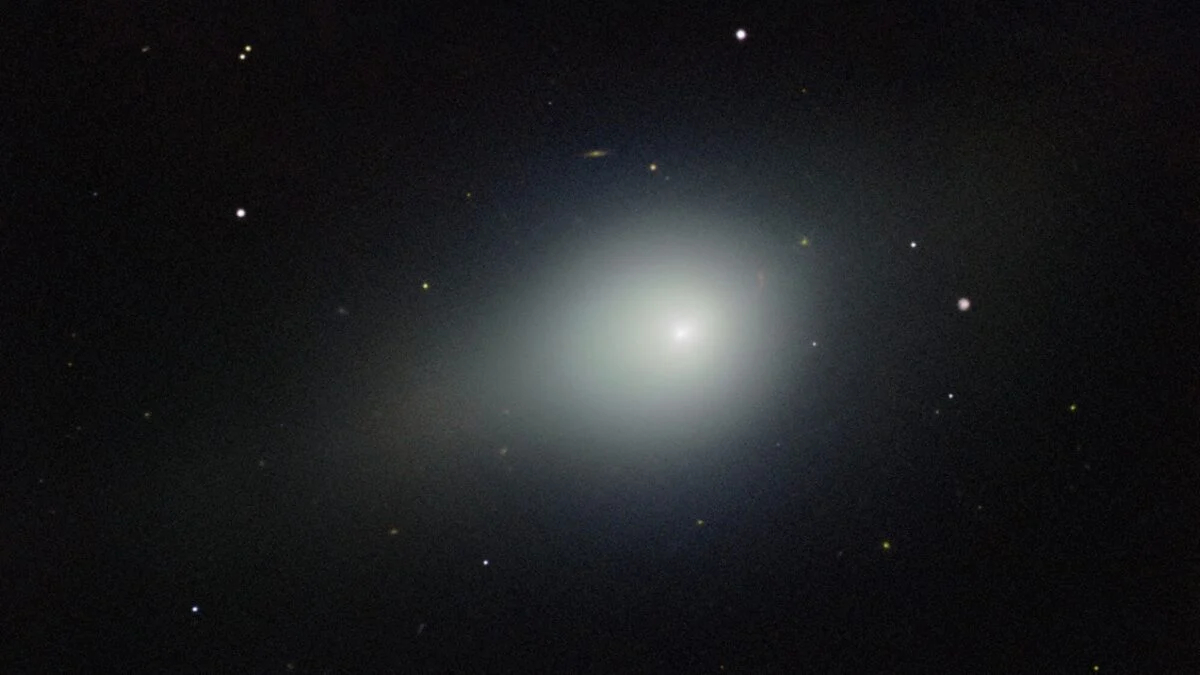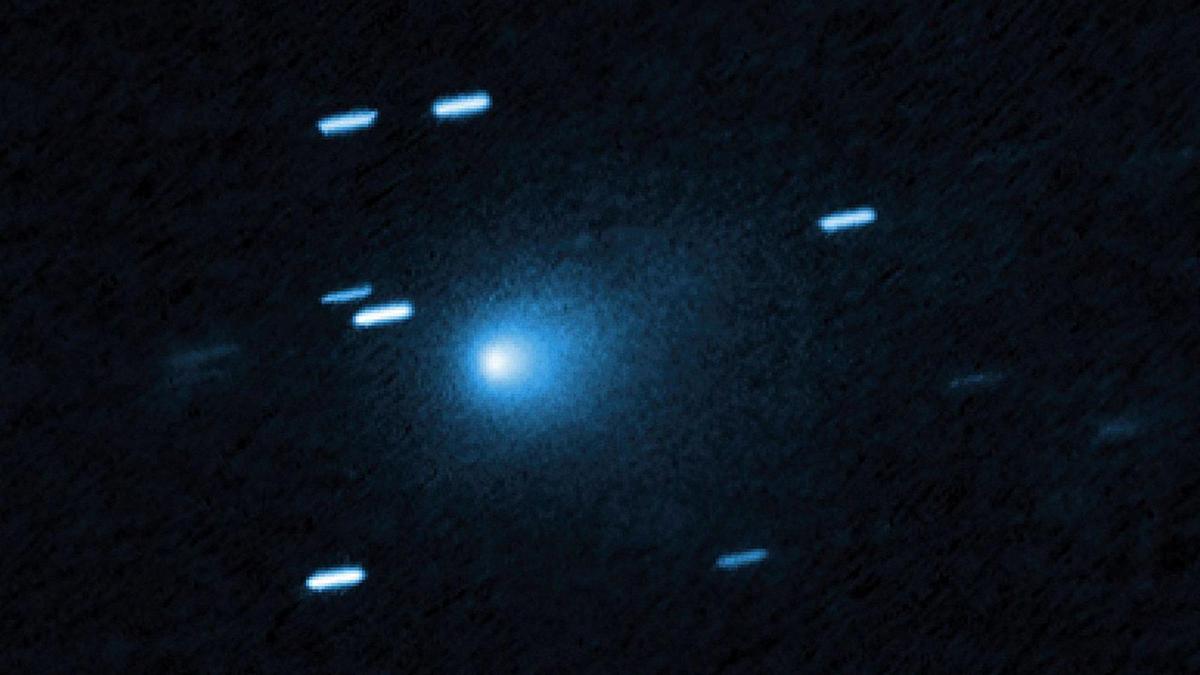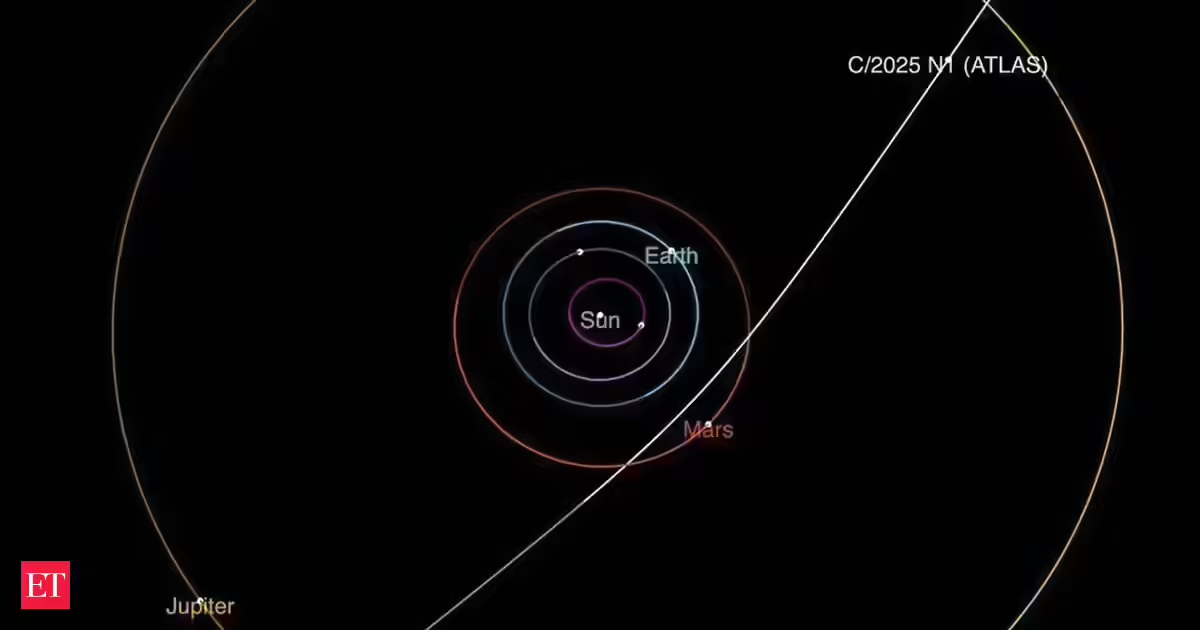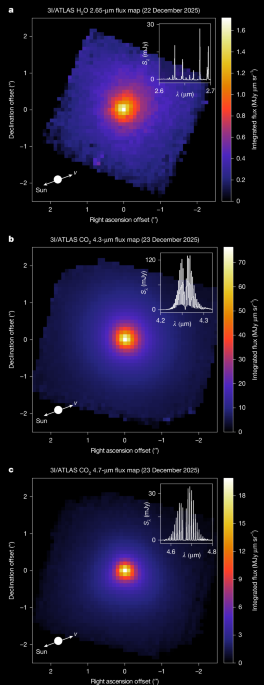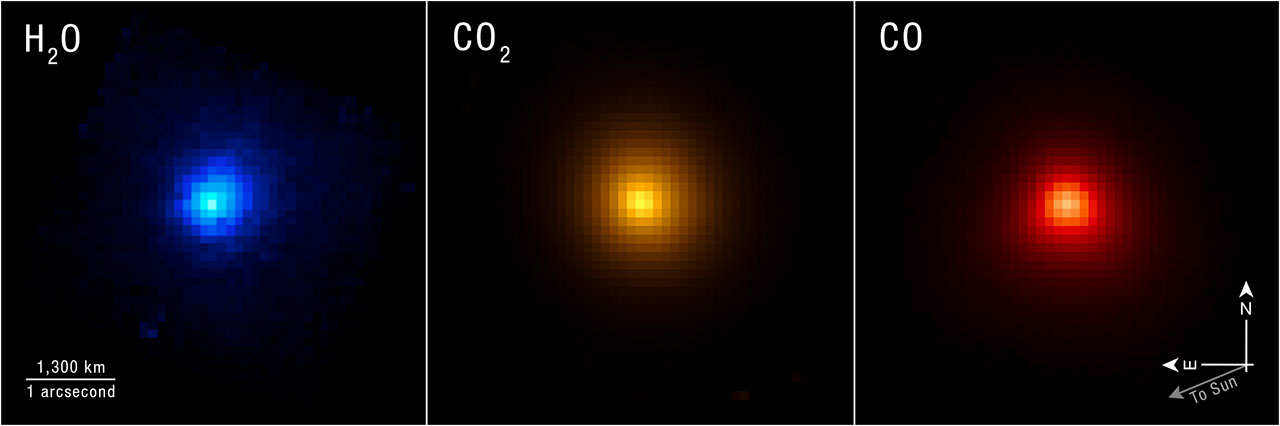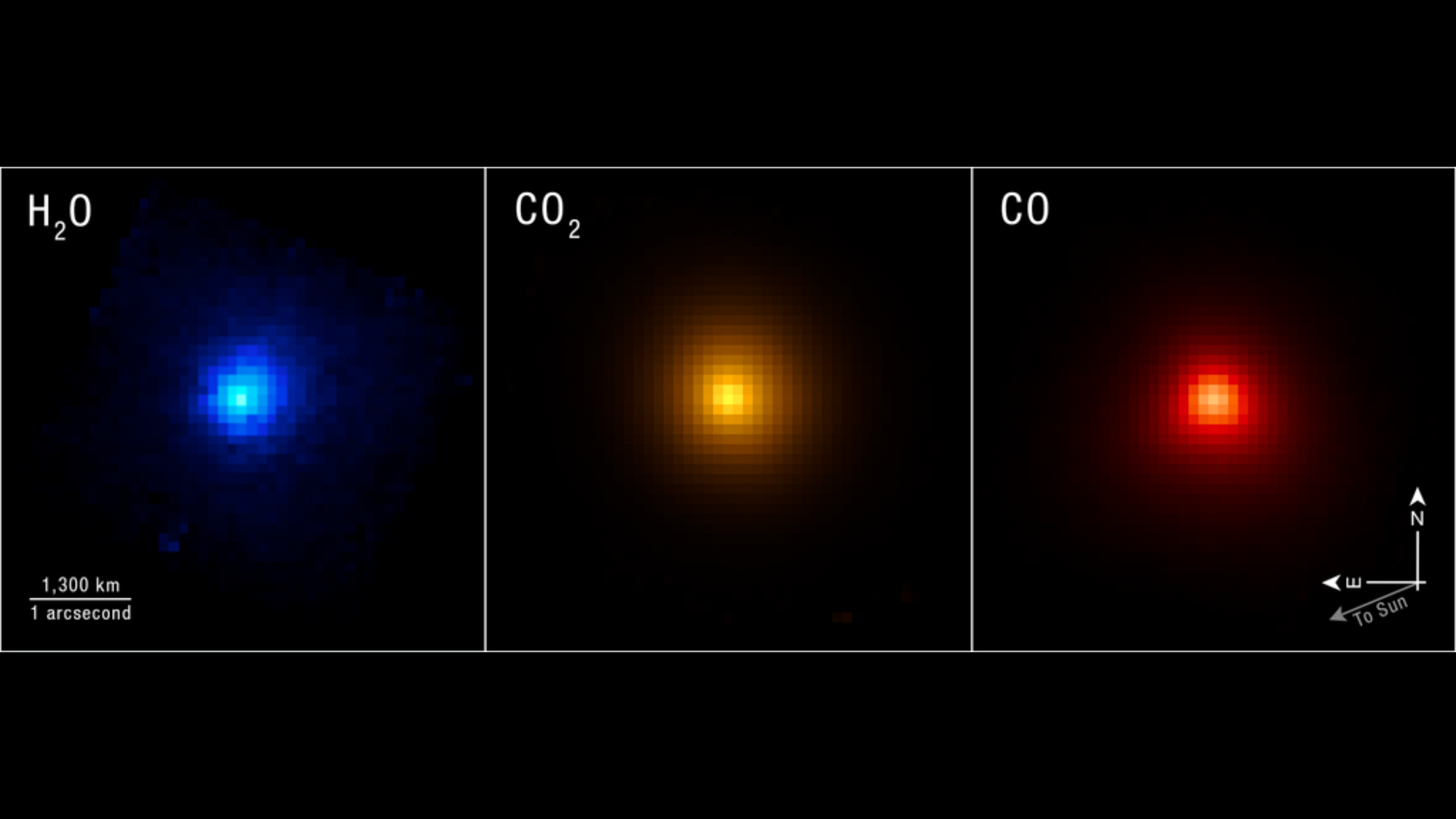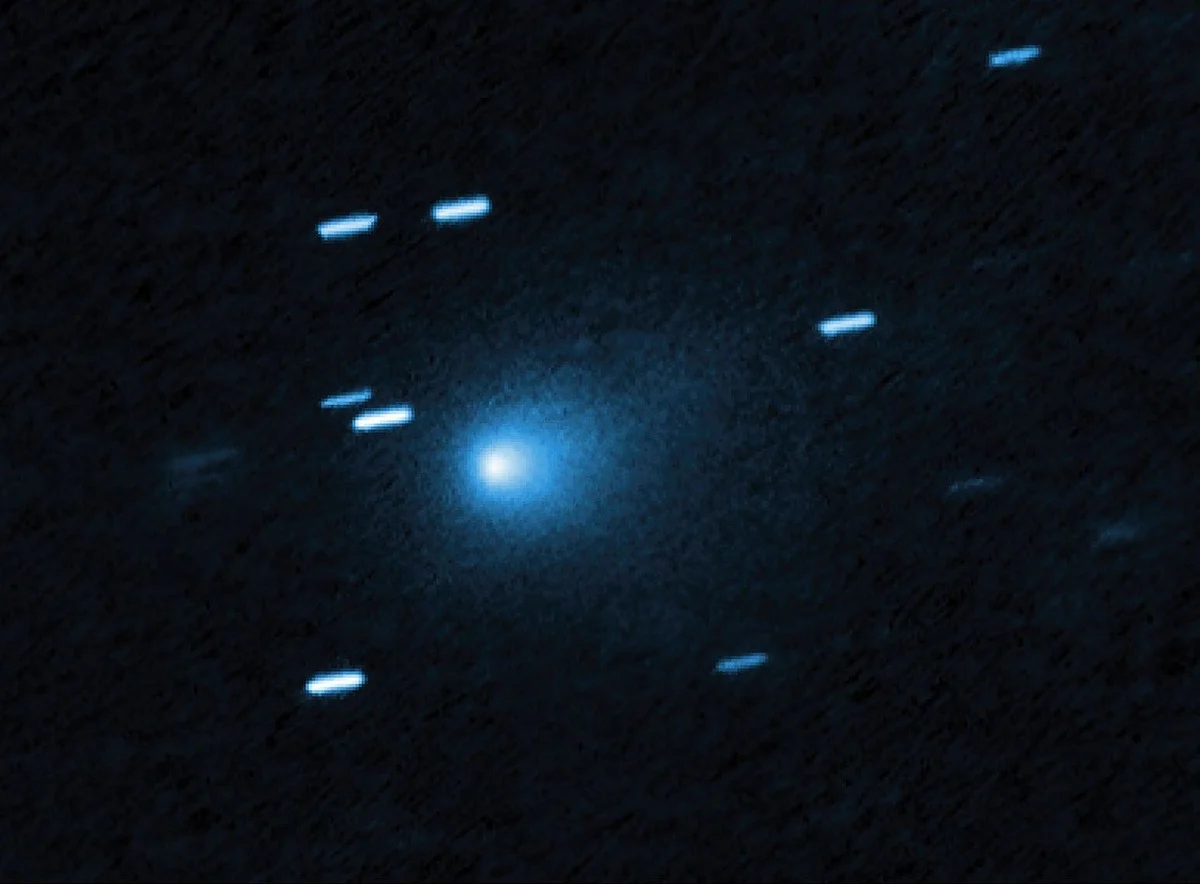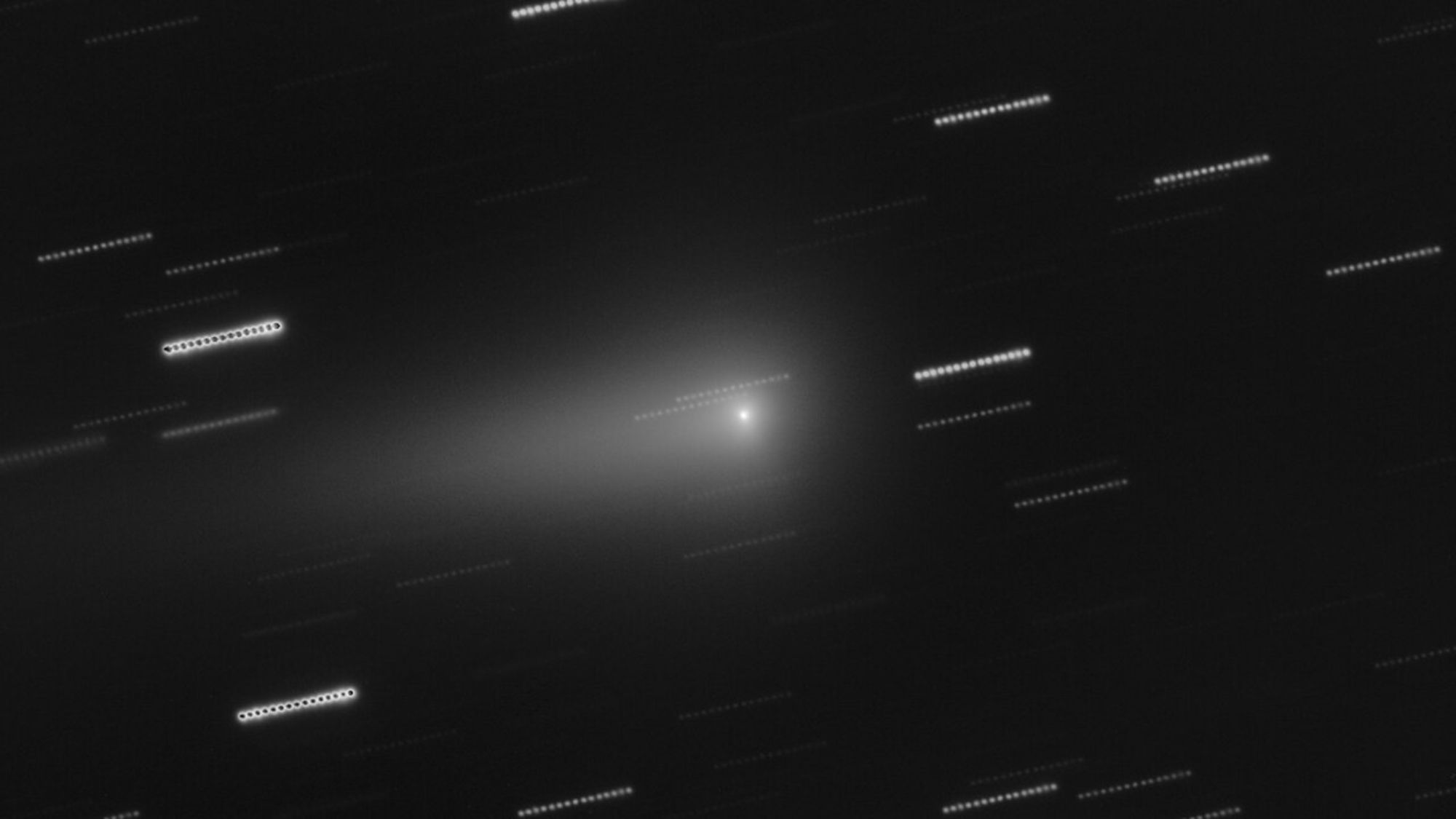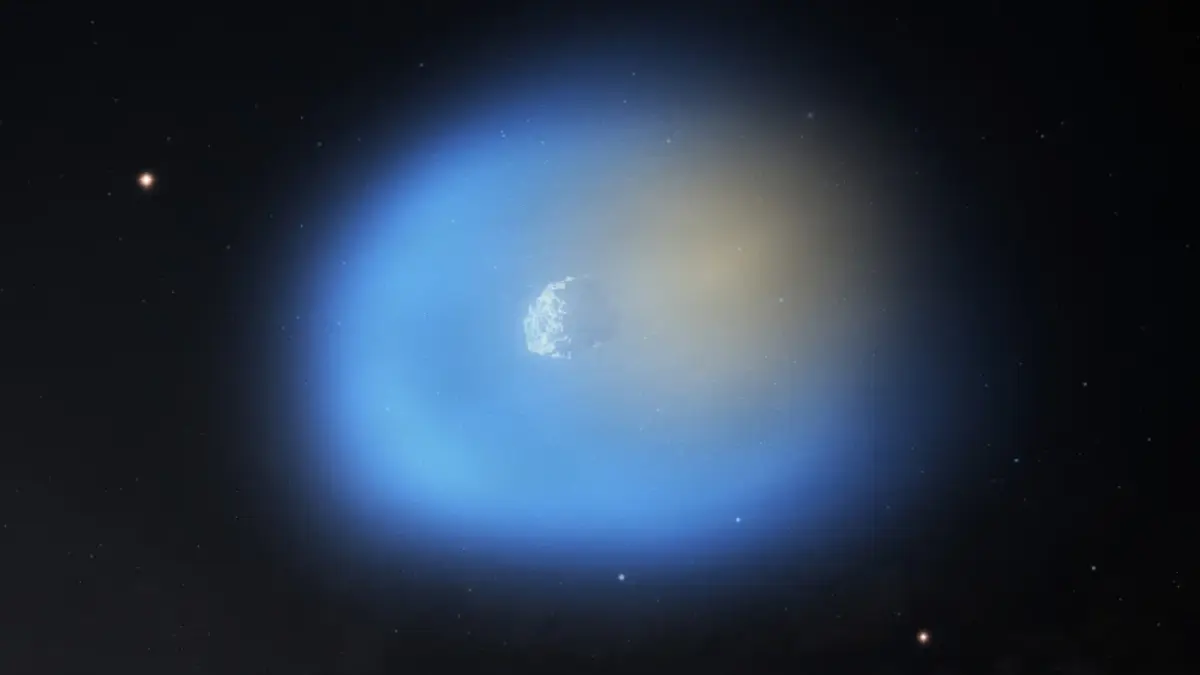
An interstellar comet that recently passed through the solar system may have formed as long as 12 billion years ago, making it one of the oldest planet-building materials ever observed.Comet 3I/ATLAS is only the third confirmed interstellar object detected in our neck of space. As it passed near the sun in late 2025, it released unusually large amounts of gas, giving scientists a rare chance to study its composition in detail.Observations from NASA's James Webb Space Telescope focused on the comet's isotopes — different versions of hydrogen and carbon that act like long-lasting chemical fingerprints. Those measurements showed values that do not match any known comet from our own solar system or nearby star-forming regions.
You May Also Like
Scientists say the results point to something unusual: Comet 3I/ATLAS likely formed in an extremely cold, chemically primitive region of the early Milky Way and may preserve material from a planetary system that formed more than 7 billion years before the sun and Earth. That would make it about 4 billion years older than some initial predictions, and a rare surviving fragment of the galaxy's earliest days."This was a unique opportunity to study an ancient object from the distant galaxy," said NASA astro-chemist Martin Cordiner, lead author of the study, in a statement. "On the one hand, we get direct insight into that distant time and place, and on the other, we learn something about how unusual our own solar system may be."