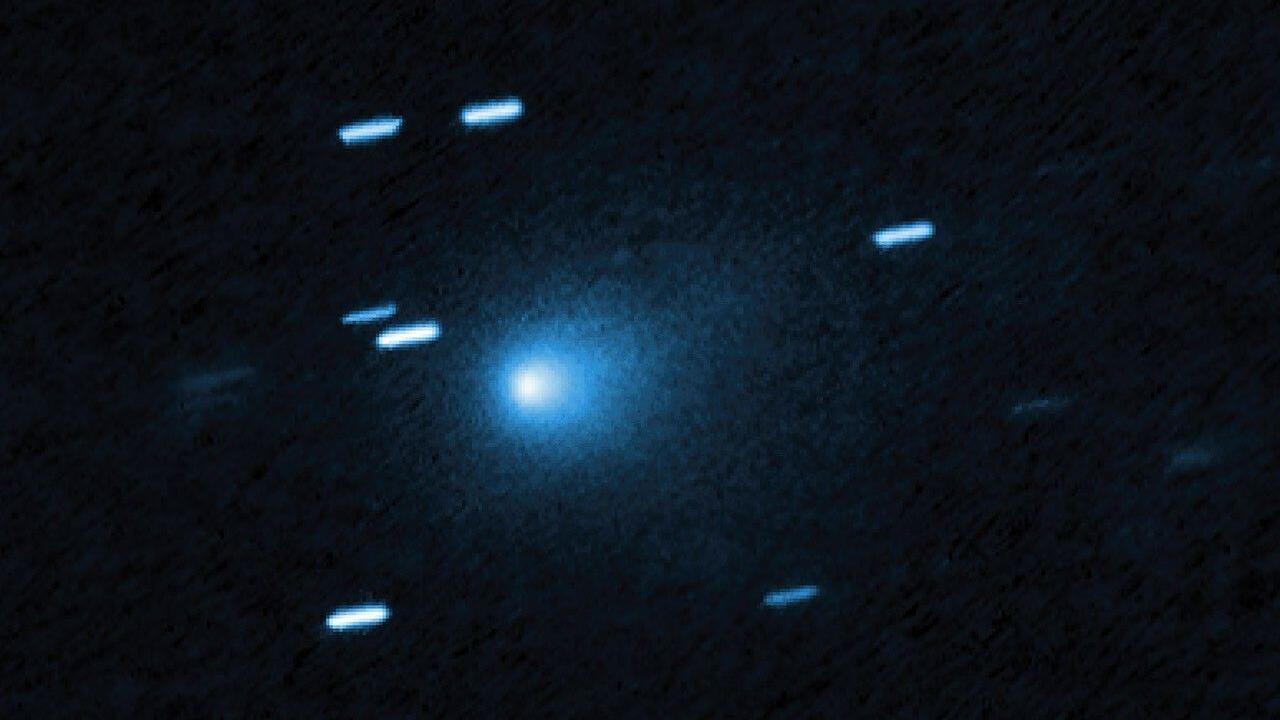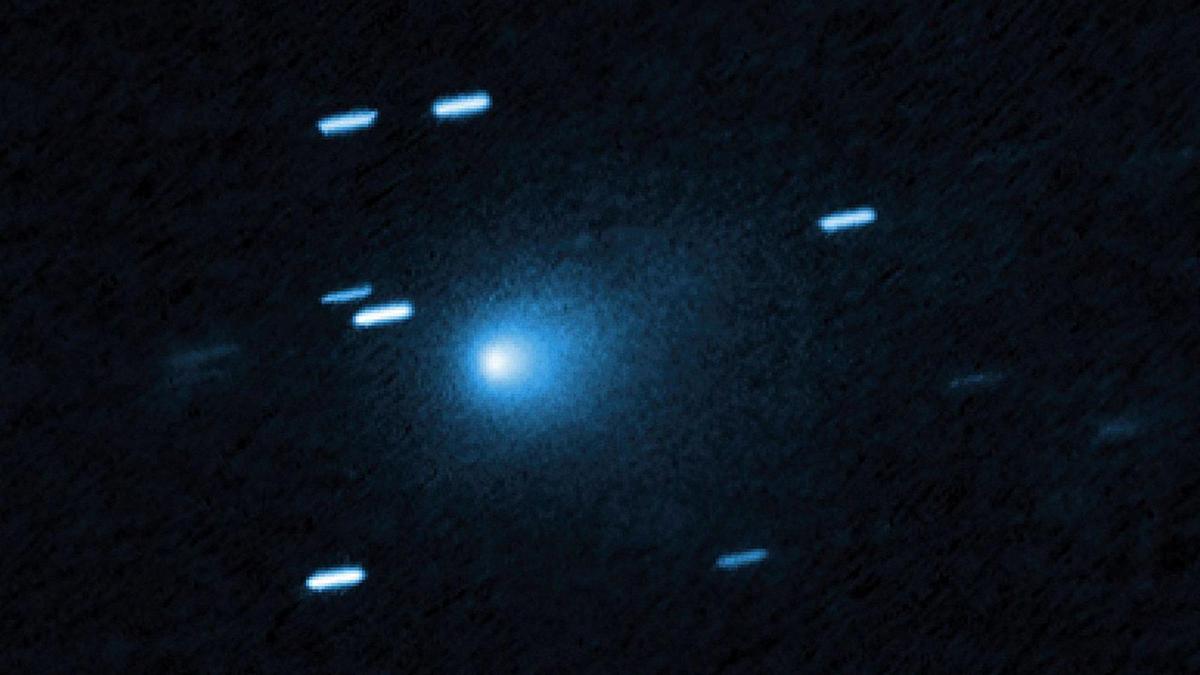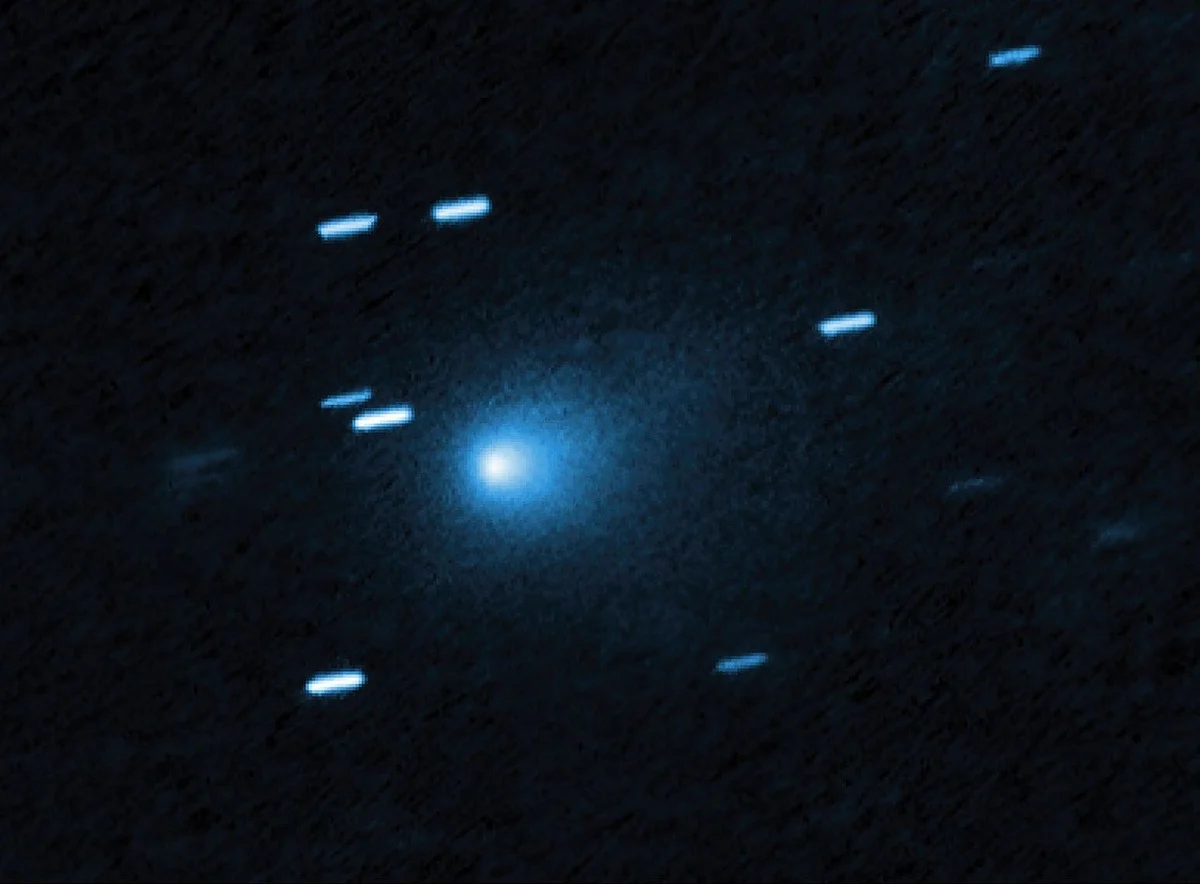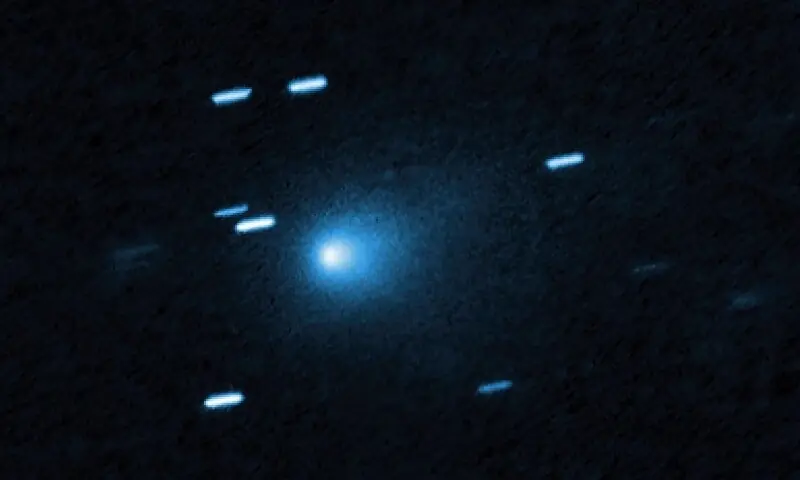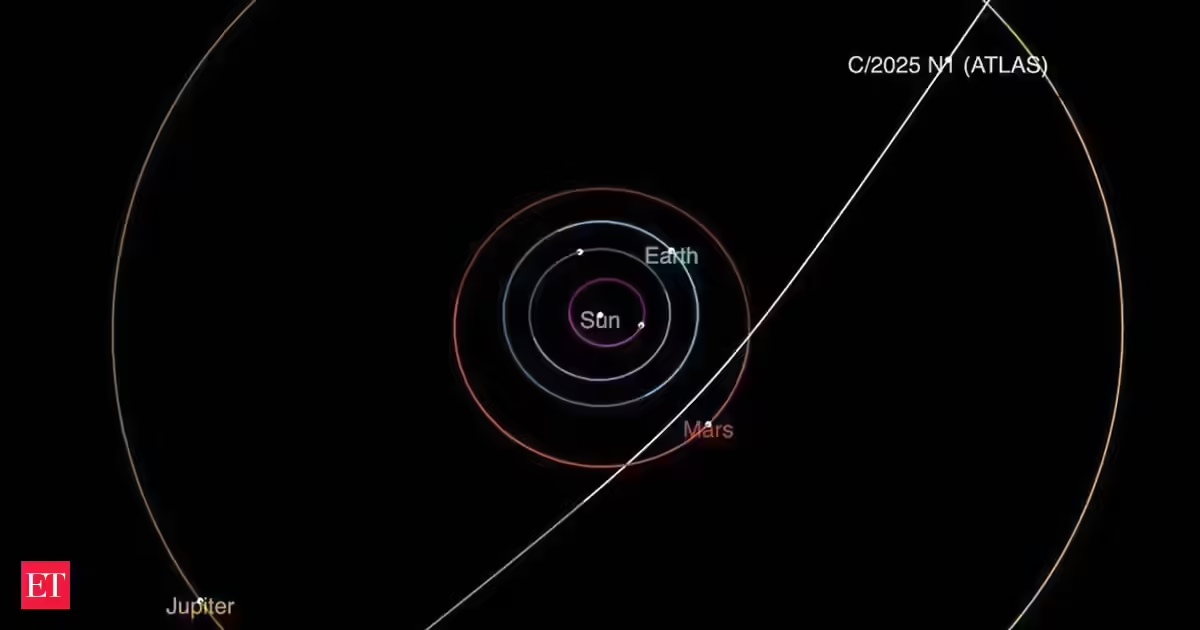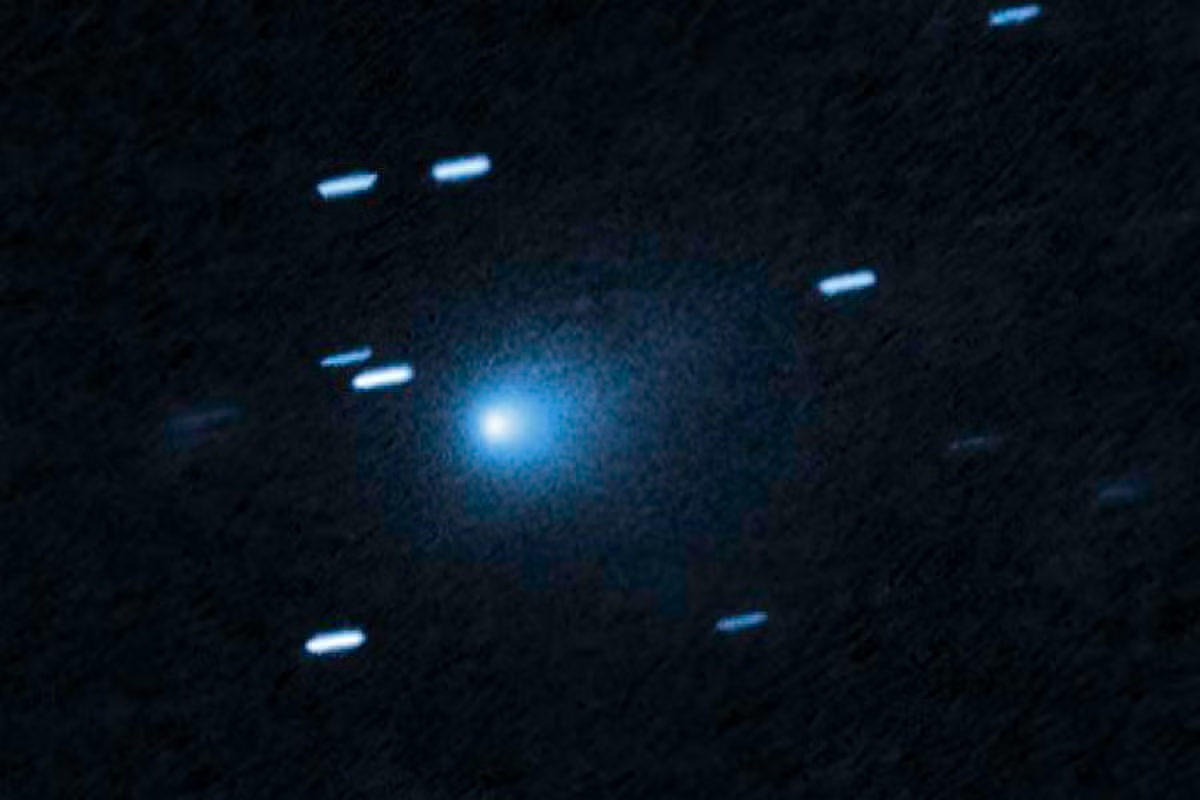
A strange interstellar comet discovered last year and speculated by a prominent astronomer to be an alien spacecraft could be older than our Solar System, according to a new study.The comet, first spotted in July 2025 and named 3I/ATLAS, was only the third interstellar object to visit our Solar System after 1I/'Oumuamua and 2I/Borisov.It was initially thought to have formed between three and 10 billion years ago, but researchers have now found that it could be even older, originating from an ancient planetary system nearly 12 billion years ago. The precise age, origin and path of 3I/ATLAS have remained uncertain since its discovery in 2025.Its rare and unknown nature led to initial speculation that it could be a spacecraft sent by an alien civilisation.This month, however, the SETI Institute announced it had found no signs of otherworldly technology on 3I/Atlas after extensive radio scans.A new analysis of different versions of chemical elements detected on its surface, though, offered clues about the physical and chemical conditions of where 3I/ATLAS formed.Interstellar object 3I/ATLAS imaged by the Hubble Space Telescope (Nasa)Observations made using Nasa’s James Webb Space Telescope suggested the object had a composition unlike anything else in the Solar System.“Here we report isotopic measurements of the interstellar comet 3I/ATLAS, which reveal an elemental composition unlike any Solar System body,” researchers said in the latest study published in the journal Nature.They estimated the quantities of different forms of hydrogen and carbon on the space rock, providing insights into the environment in which it formed and helping locate its origin. Researchers found that the comet had 10 times as much deuterium, a form of hydrogen, than any known comet. They also discovered that its carbon ratios exceeded typical values found in the Solar System as well as nearby interstellar clouds and planet-forming cosmic disks.This indicated that 3I/ATLAS formed in a cold environment of around minus 243C. “Such extreme isotopic signatures indicate formation at temperatures about 30 Kelvin in a relatively metal-poor environment,” they wrote.Based on its carbon composition, researchers estimated the rock formed about 12 billion years ago following a period of intense, early star formation in its host environment.“The carbon isotopic composition implies that 3I/ATLAS may have accreted as long ago as 12 billion years, following a period of intense, early star formation,” they noted. “3I/ATLAS thus represents a preserved fragment of an ancient planetary system.”
Strange interstellar comet speculated to be alien craft is older than Solar System
Scientists say comet represents preserved fragment of ancient planetary system
393 words~2 min read