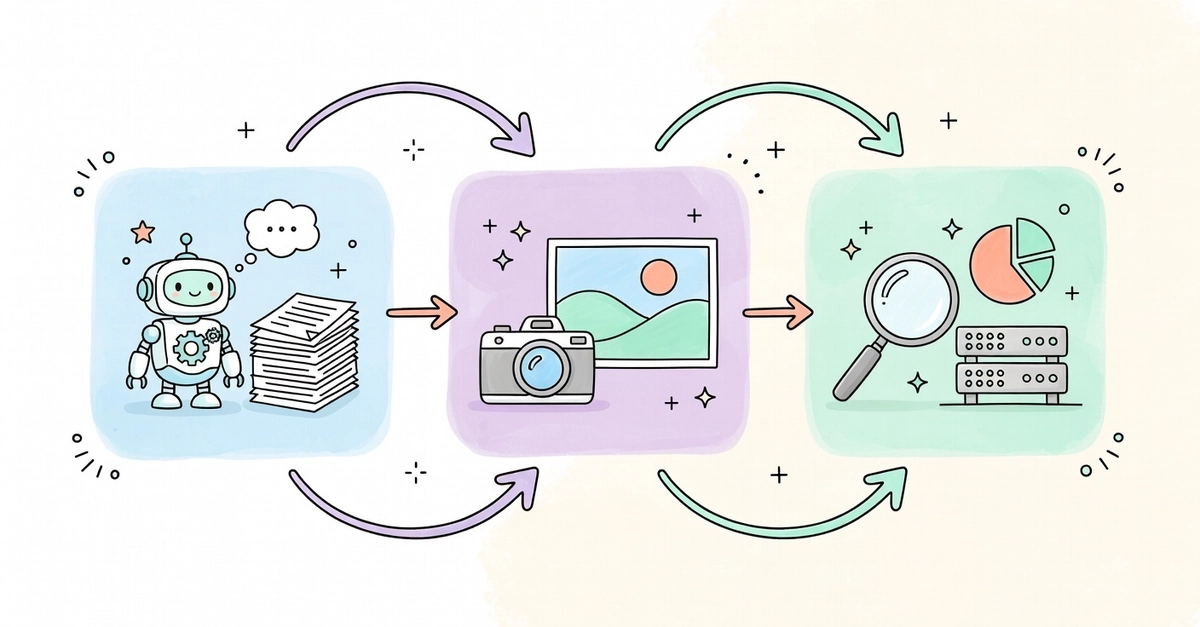
TL;DR: We run an automated visual QA step that scores generated product shots with vision LLMs from OpenAI, Anthropic, and Google. Each provider wanted the image payload shaped differently, and one rate-limit spike could stall the whole batch. Putting Bifrost in front gave us one OpenAI-compatible image schema and automatic failover, with about 4ms of added latency per call.
At Photoroom I work on the diffusion side of product photography. The model that generates a clean studio shot is only half the job. The other half is deciding, automatically, whether the output is actually usable before it reaches a customer.
So we built a QA scorer. It sends each generated render to a vision model and asks for a structured verdict: background artifacts, clipped edges, color drift against the source. We send the same image to more than one provider because the failure modes differ, and a single model's blind spots leak through otherwise.
That is where the mess started.
Three providers, three image schemas