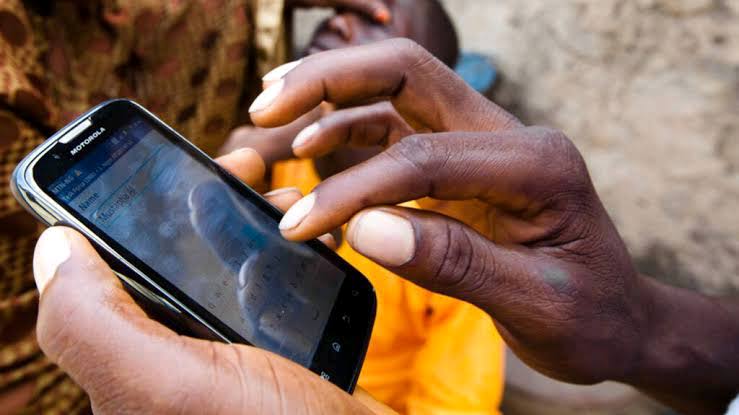
For nearly two decades, 3G was the network that moved Nigeria from a voice-first telecom market into a mobile internet economy.
The journey began in 2006 when telecom operator Starcomms launched Nigeria’s first 3G service using Evolution-Data Optimised (EV-DO) technology. Initially designed for laptop data cards and USB modems, the service offered an early glimpse of a future where internet access would no longer be confined to cybercafés and office connections.
Built on 3G technology—the third generation of mobile networks that enabled faster internet access, calls, and data services than 2G—it marked the beginning of Nigeria’s mobile broadband era.
While Starcomms would eventually fade from the market and shut down in August 2012 amid fierce competition from GSM operators, its early investment helped pave the way for the country’s internet revolution.
The arrival of mass-market 3G networks a year later accelerated that transformation. It powered the BlackBerry era, drove smartphone adoption, and provided the digital rails on which many of Nigeria’s earliest Internet businesses were built. For 32 million Nigerians actively connected to GSM by the end of 2006, 3G was their first real experience of the Internet.