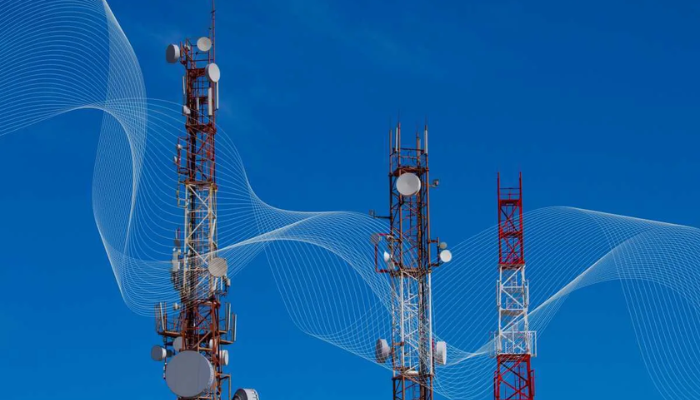
Nigeria is preparing its most sweeping telecommunications reform in over two decades as worsening network outages, rising data consumption, mounting infrastructure damage, and growing concerns over online fraud place increasing pressure on the country’s digital economy.
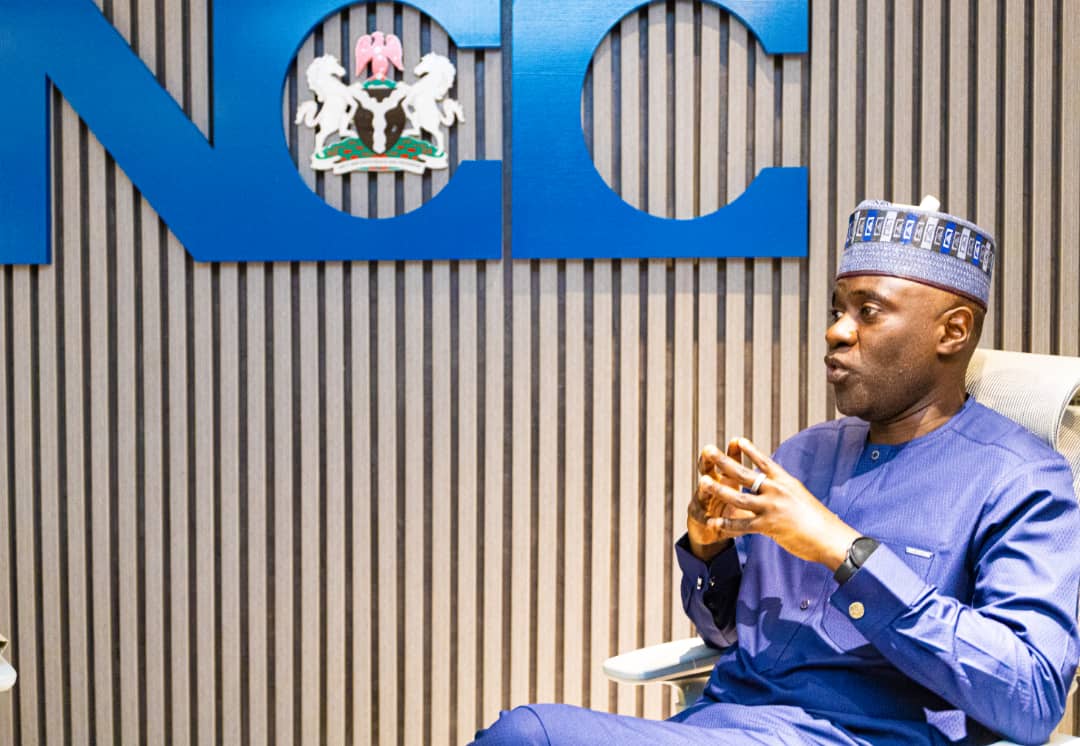
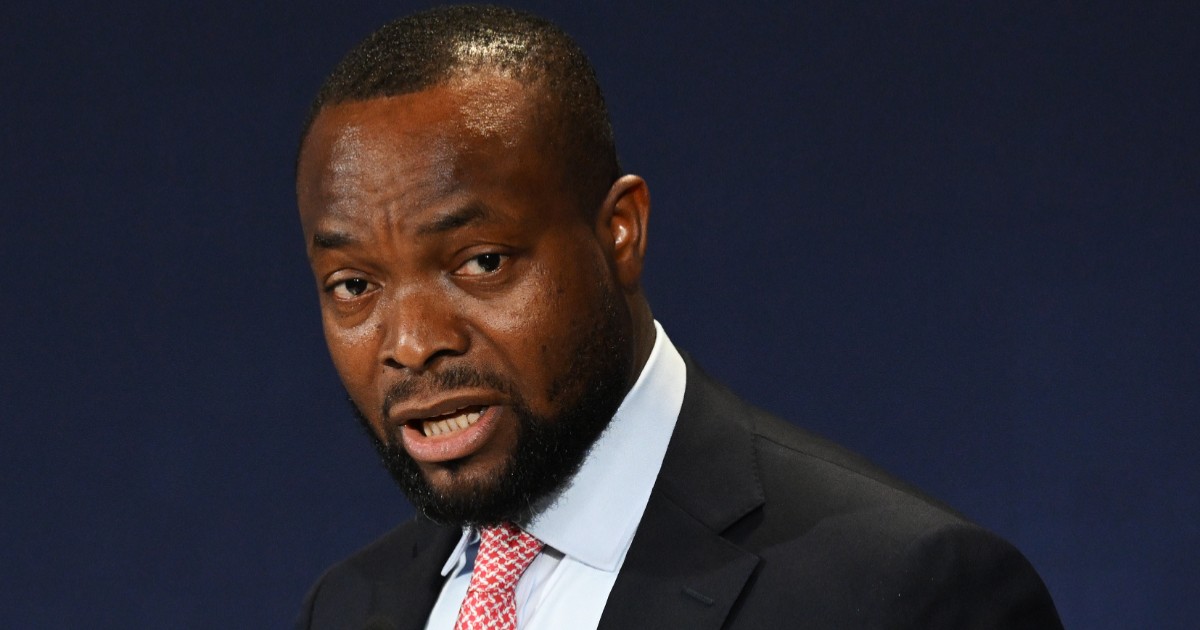
The Nigerian Communications Commission (NCC) on Wednesday unveiled plans to review the country’s 26-year-old telecommunications policy, proposing 15 major reforms that could significantly reshape mobile tariffs, internet competition, broadband deployment, online safety, and network quality for millions of subscribers.
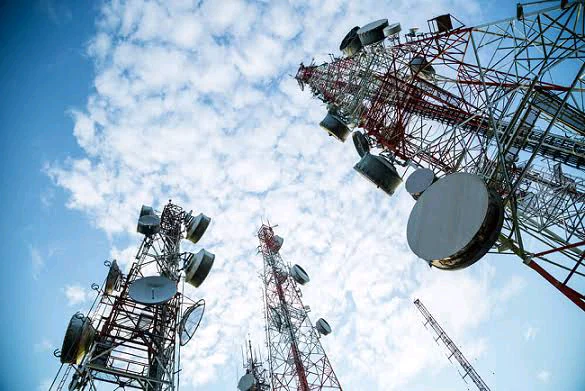
The proposed National Telecommunications Policy 2026, expected to be finalised before the end of the year, comes at a time when many Nigerians are facing deteriorating call quality, unstable internet connections, and persistent service disruptions, largely driven by nationwide infrastructure failures.
According to the NCC, Nigeria recorded 19,384 fibre-optic cable cuts in 2025 alone, contributing to recurring nationwide outages and worsening connectivity challenges. The situation has continued into 2026, with 5,934 fibre cuts already reported in the first quarter.
The growing strain on networks is also being fuelled by surging internet usage. Nigerians consumed more than 4 billion gigabytes of data in the first quarter of 2026, while the NCC disclosed that only about 25% of planned network site upgrades for the year had been completed, leaving much of the country’s 4G infrastructure overstretched and congested.