Attempting to boost growth, efficiency, and sovereign tech proved too difficult. The next leader will face the same challenges... and temptations
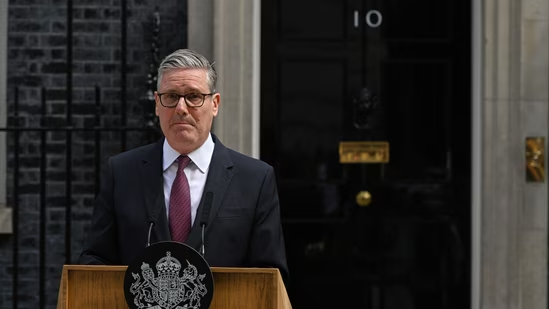
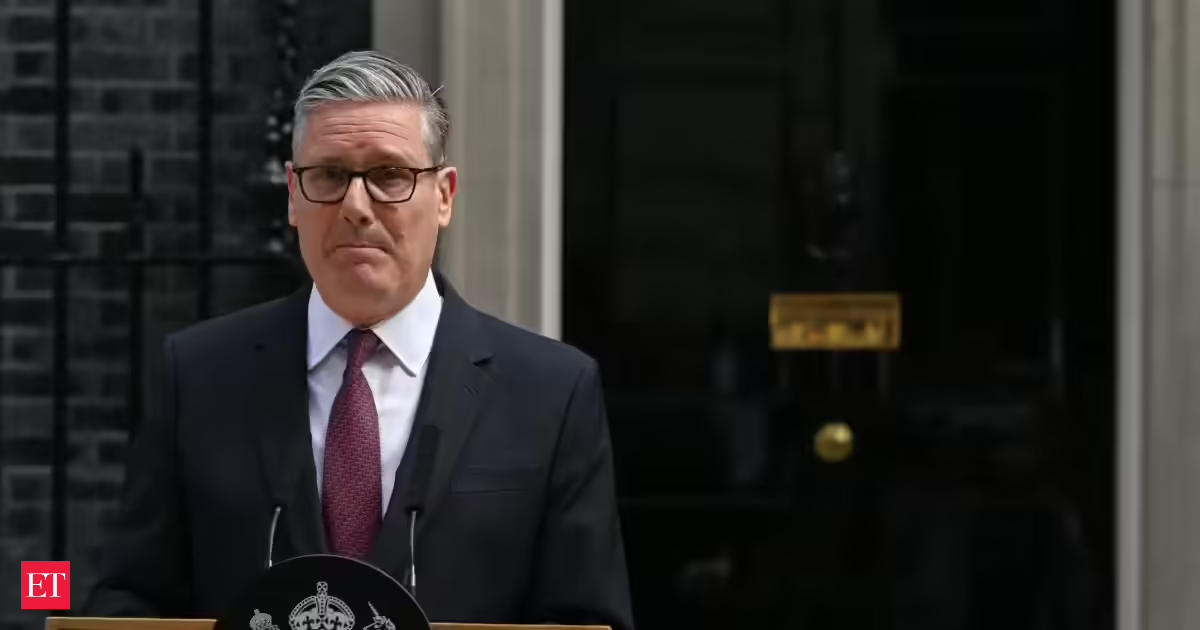
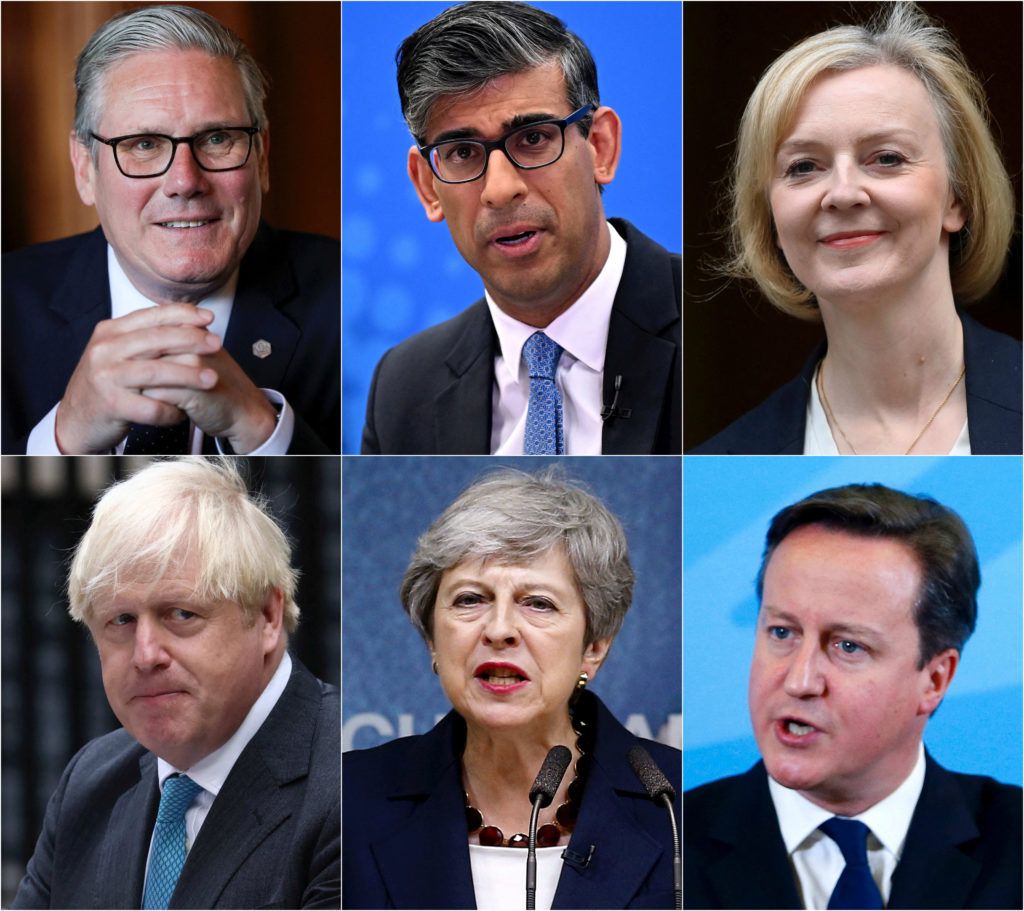
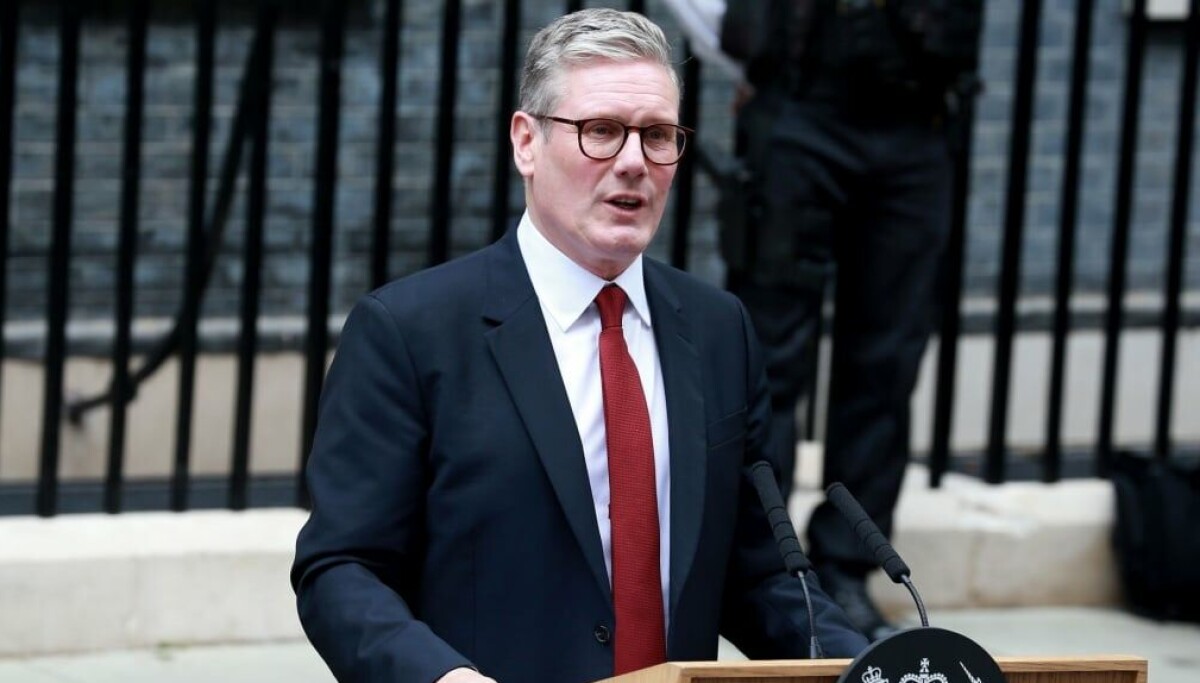
Long have we known that technology speeds up everything, and it's no different with British prime ministers. In the last ten years, the UK has gone through six prime ministers; it took 34 years to get through the previous six. Nonetheless, Sir Keir Starmer had hoped to make an impact on the UK tech industry and the government's use of technology during his tenure. Given the results, it may be a mixed blessing that, after nearly two years, he has achieved little. The signs were not good from the start. Desperate to invest without raising taxes, his government claimed it could find £45 billion in efficiency savings by applying AI and automation in the public sector. It even gave the cutesy Humphrey moniker to one AI bot in a reference to the much-loved sitcom Yes Minister. No Chance Minister would have been more accurate, as experts poured scorn on the estimate and, just a few weeks ago, a committee of MPs warned that such hype hinders effective digitization of government services. The botched announcement, which had little impact, set a precedent for how the Starmer government's technology policies would unfold: grand promises, too little thought, and contradictory priorities.