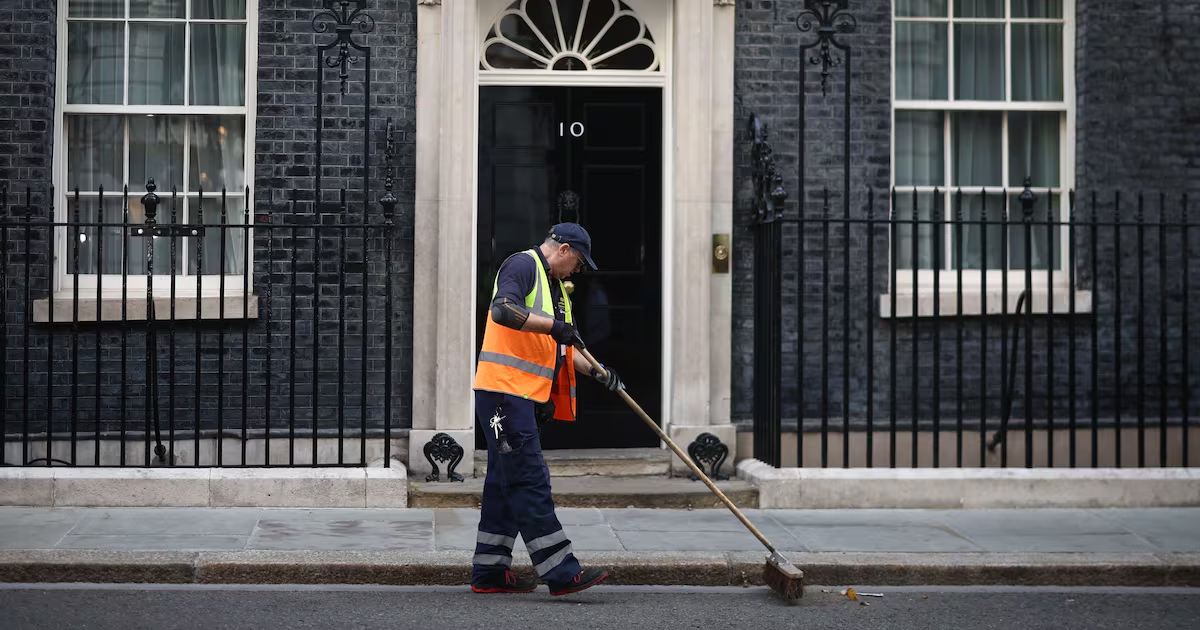
There is a fault-line in the workings of our parliamentary democracy.
No, it is not that the ruling party can change who is prime minister without a general election. That has become almost routine – and besides, an election is won by the accumulation of individual MPs, not in the name of a single, presidential-style candidate.
The built-in difficulty is that they become eligible to be prime minister by being elected by their party – often pandering to its whims or its factions – but in office, they must govern for the whole country.
Indeed, the best prime ministers of my time – Margaret Thatcher and Tony Blair – challenged the conventional shibboleths of their party. Thatcher built a cult of her own, stretching from the Carlton Club to blue collar workers. Blair declared we are “all in this together” and welcomed all into his big tent, including “the filthy rich… provided they pay their taxes”, in Peter Mandelson’s words.
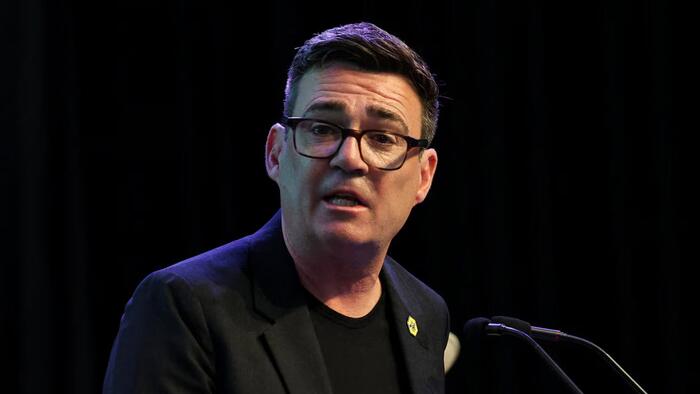
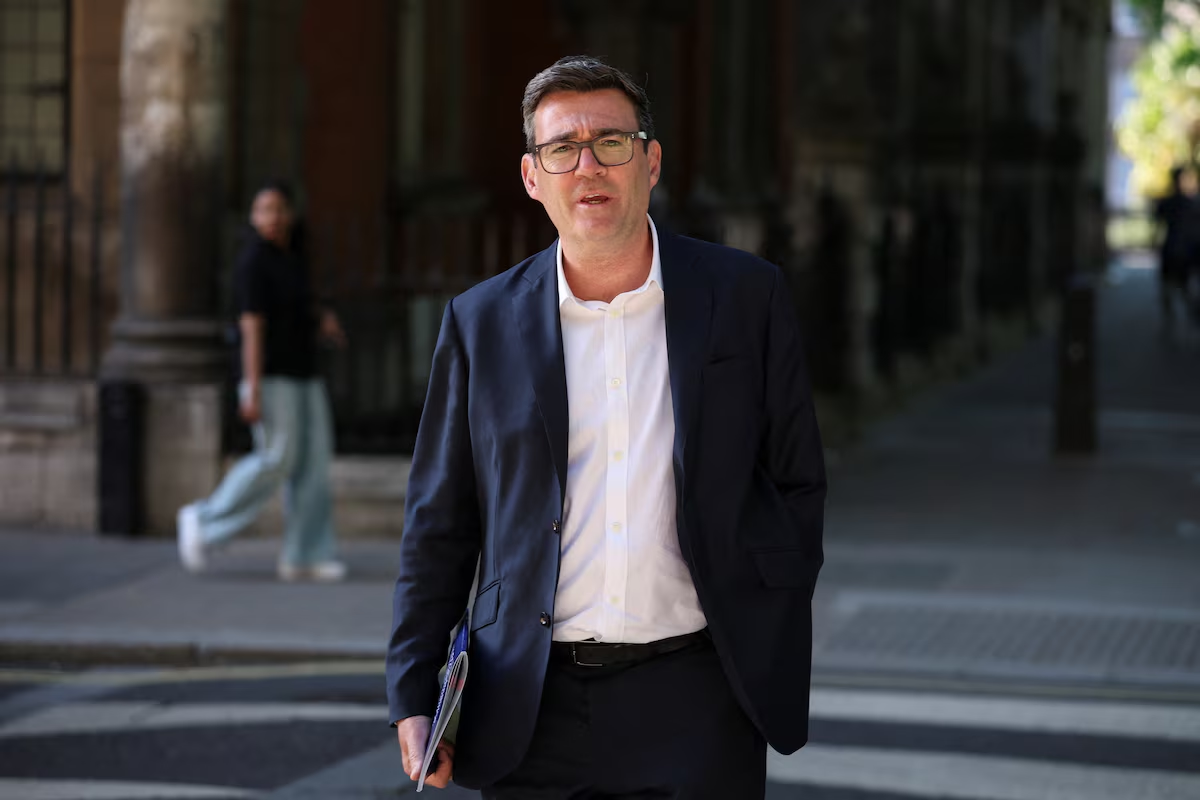
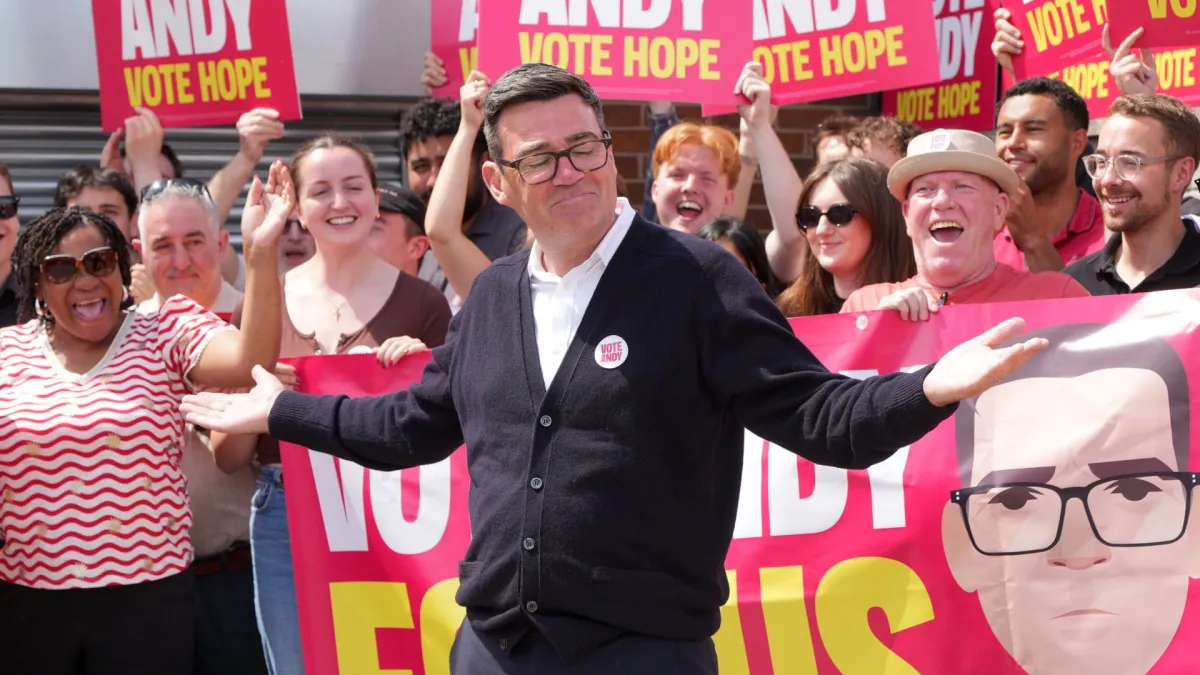
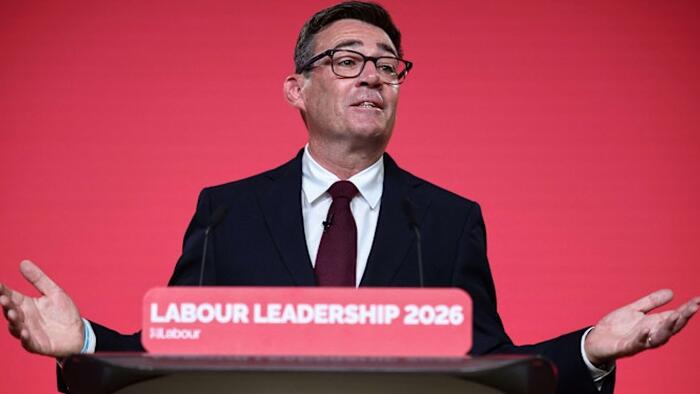
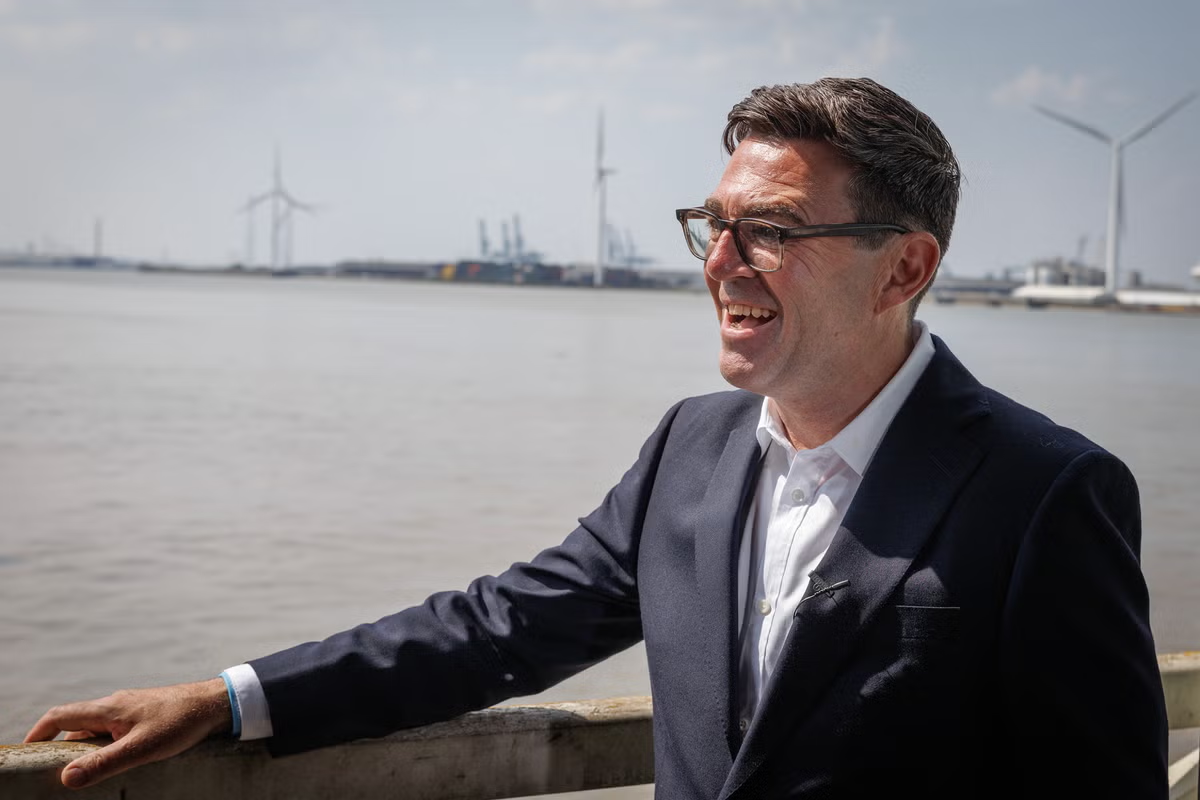
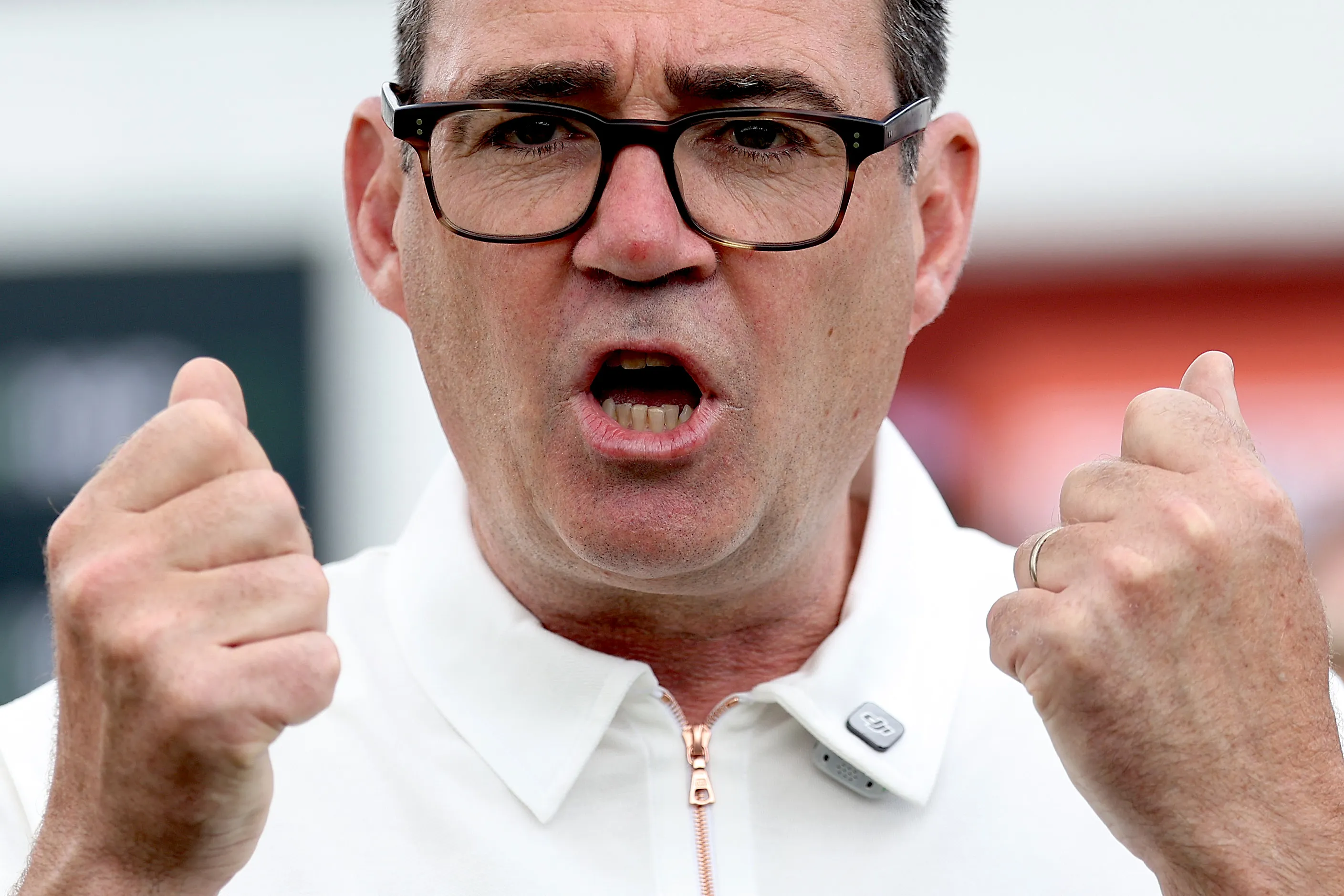
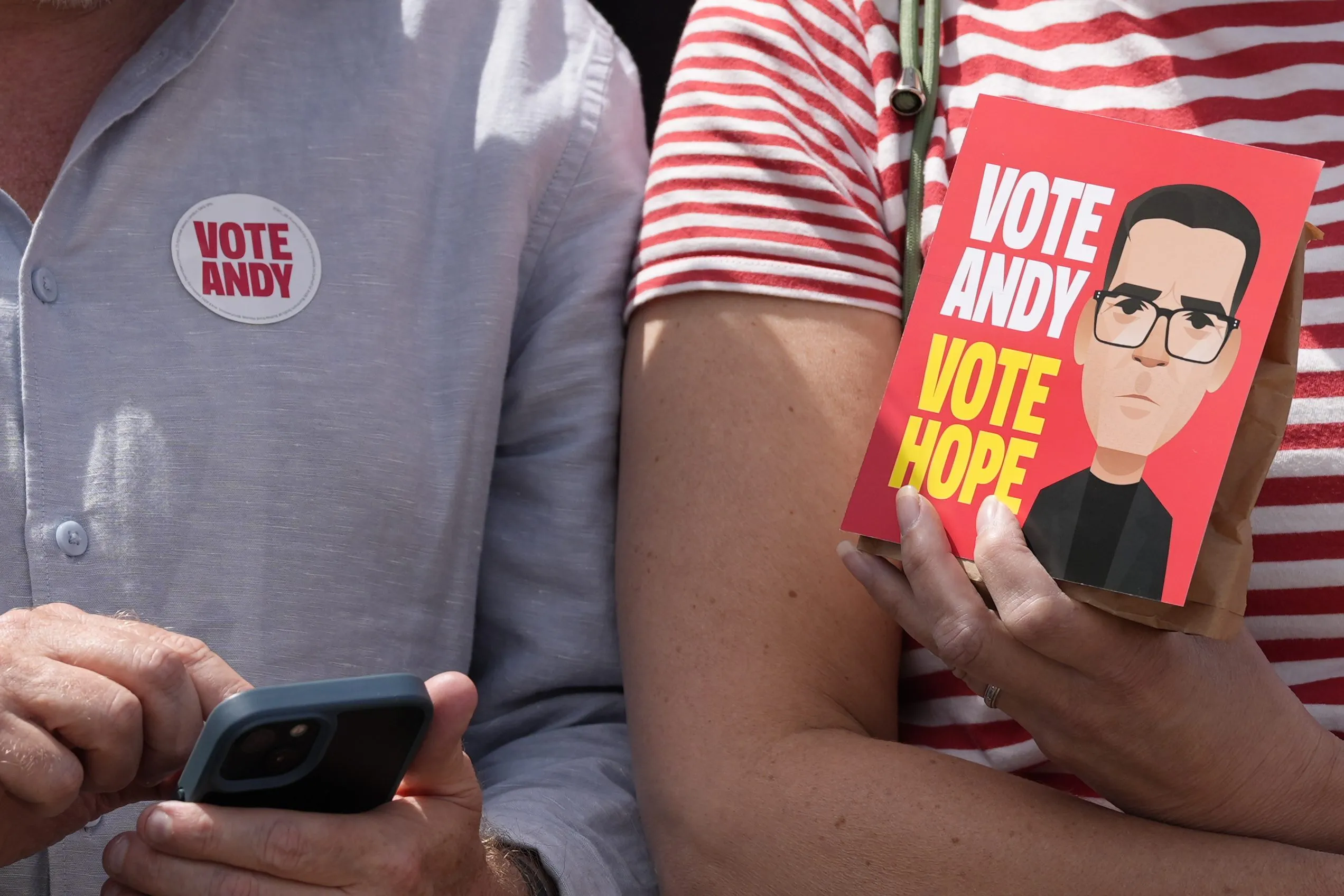
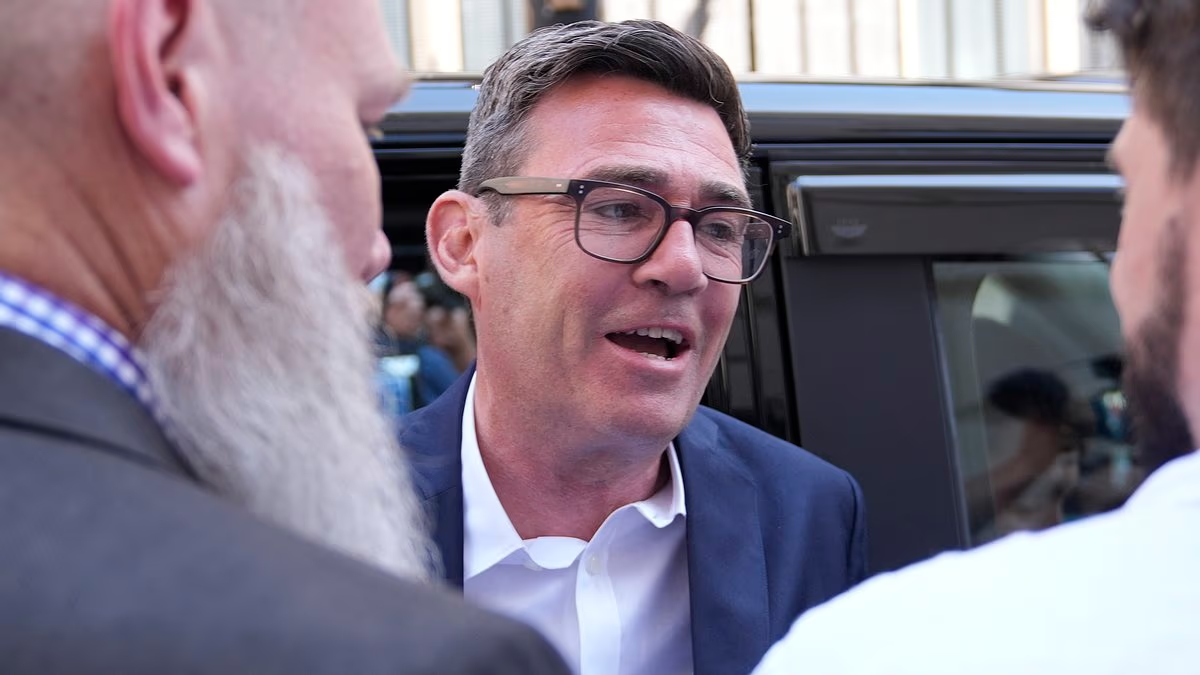
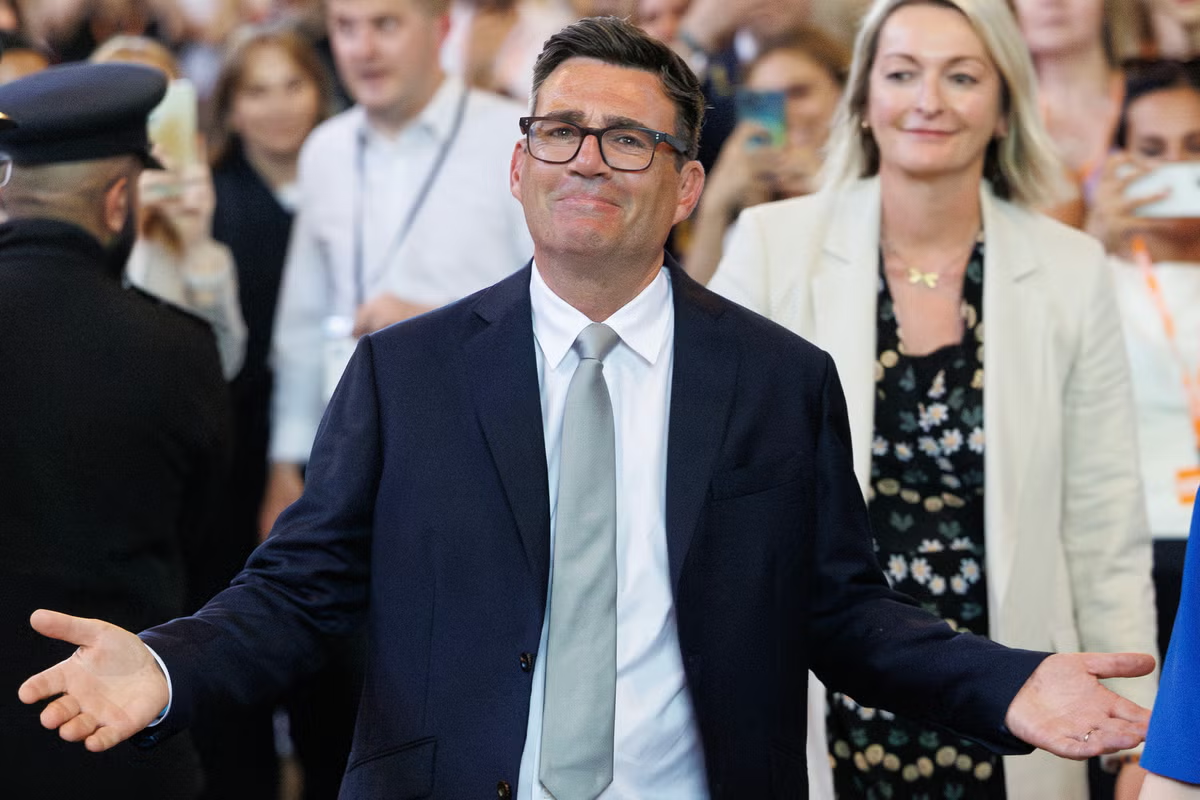
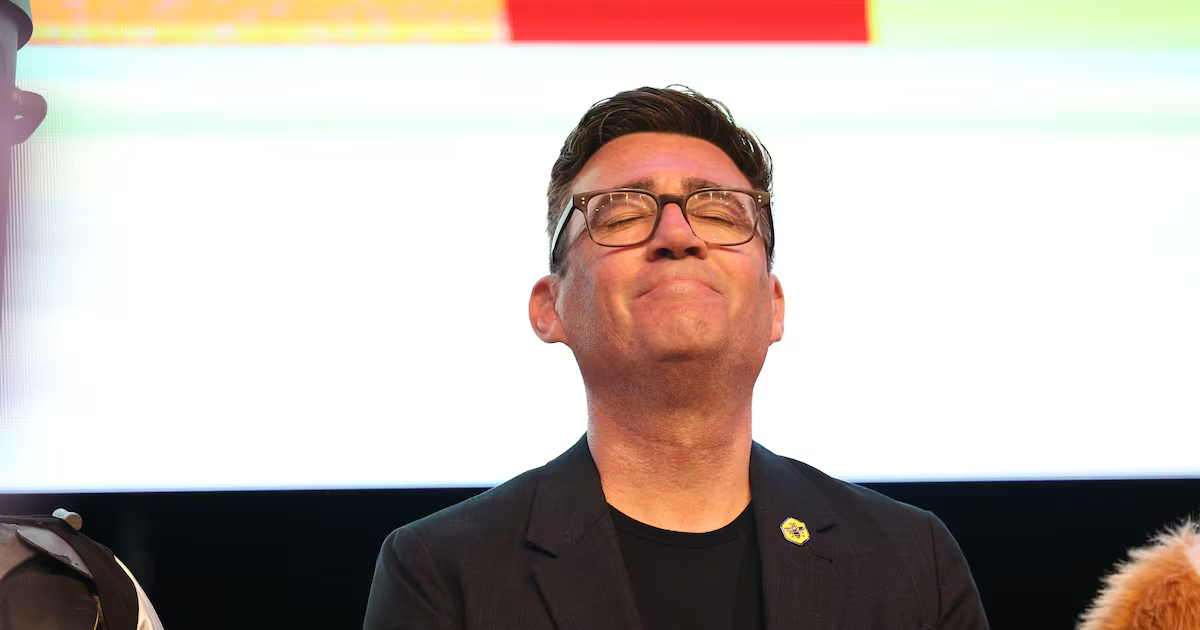
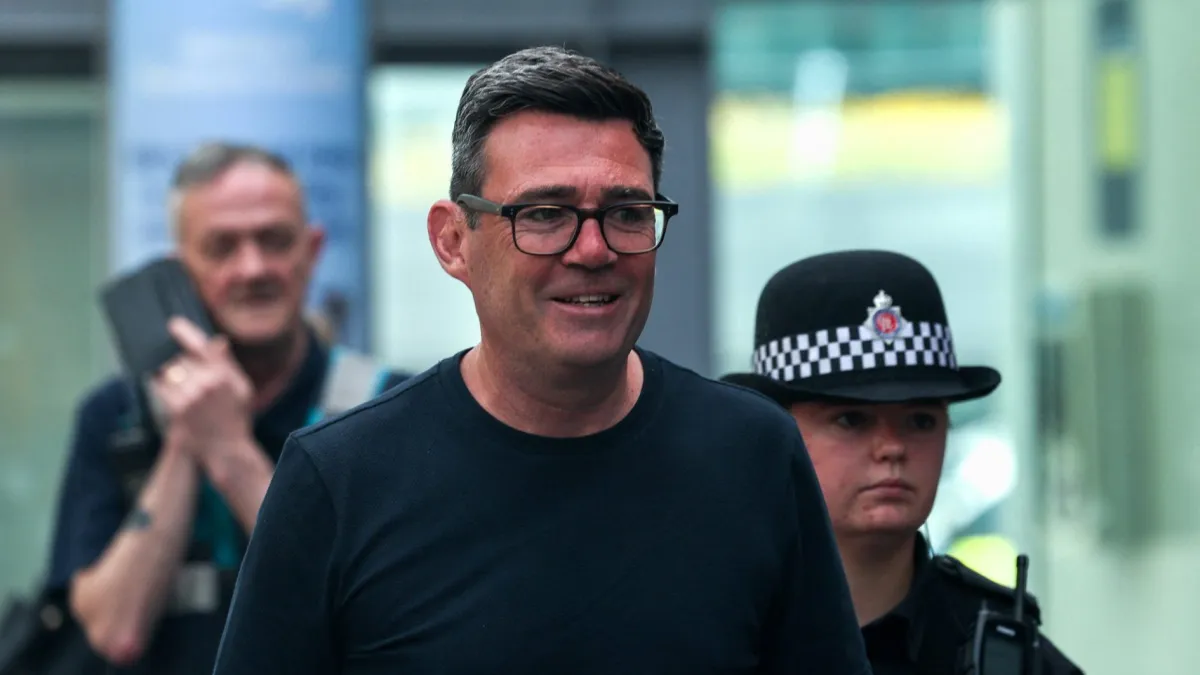
It now looks like Andy Burnham will avoid a leadership contest – a pointless circuit of hustings with activists and interviewers trying to catch him out on the finer points of party doctrine. With his main rival Wes Streeting out of the race, Burnham will take the helm, perhaps earlier than he hoped, in the second half of July.