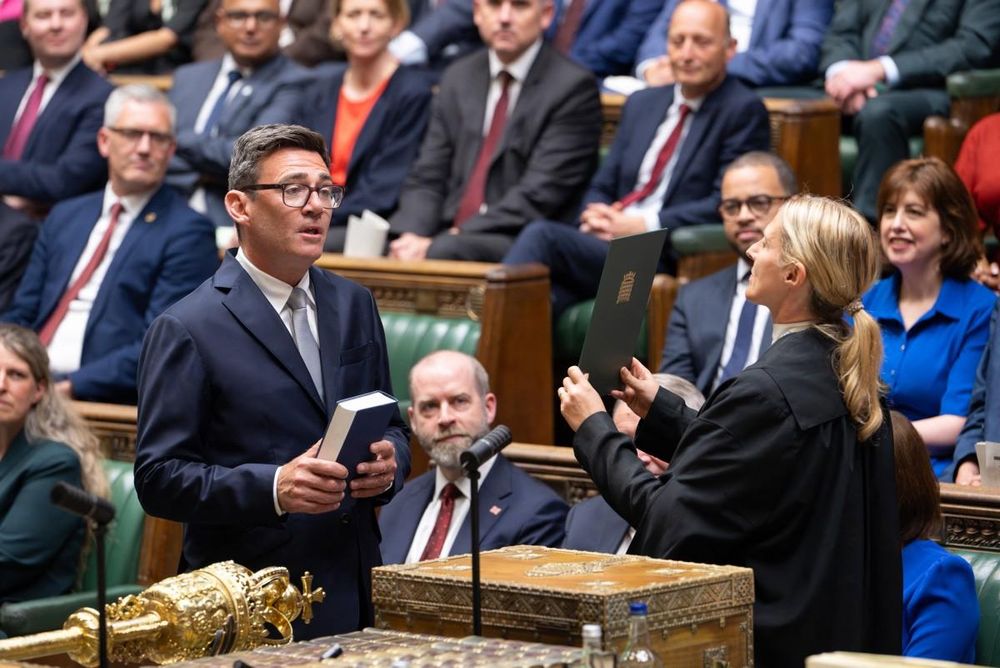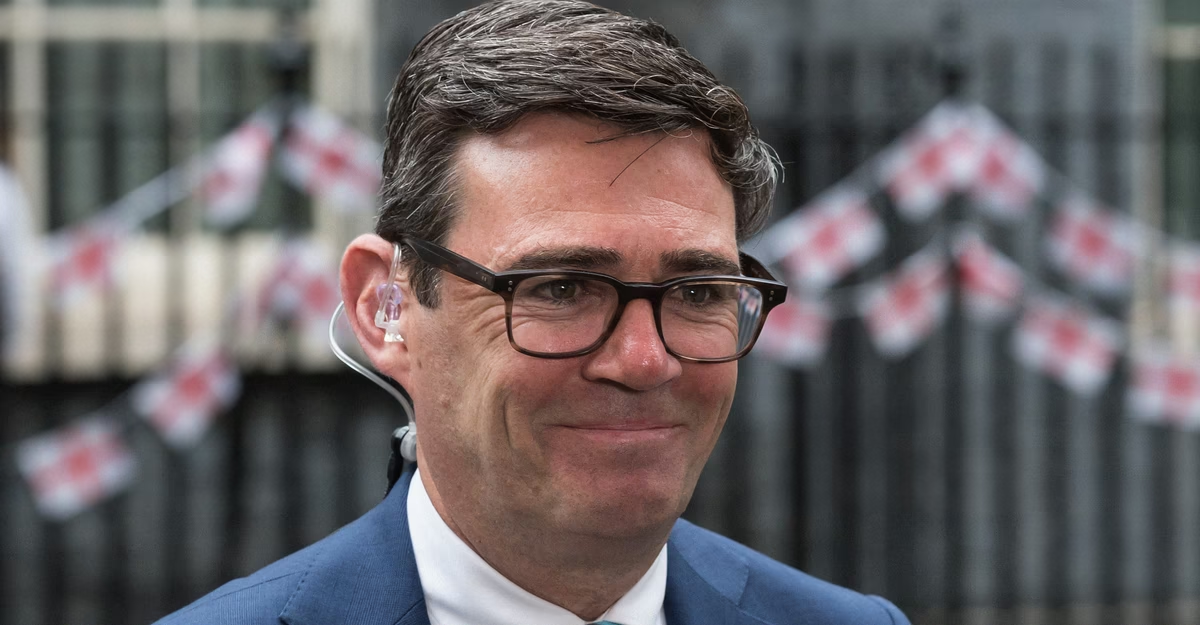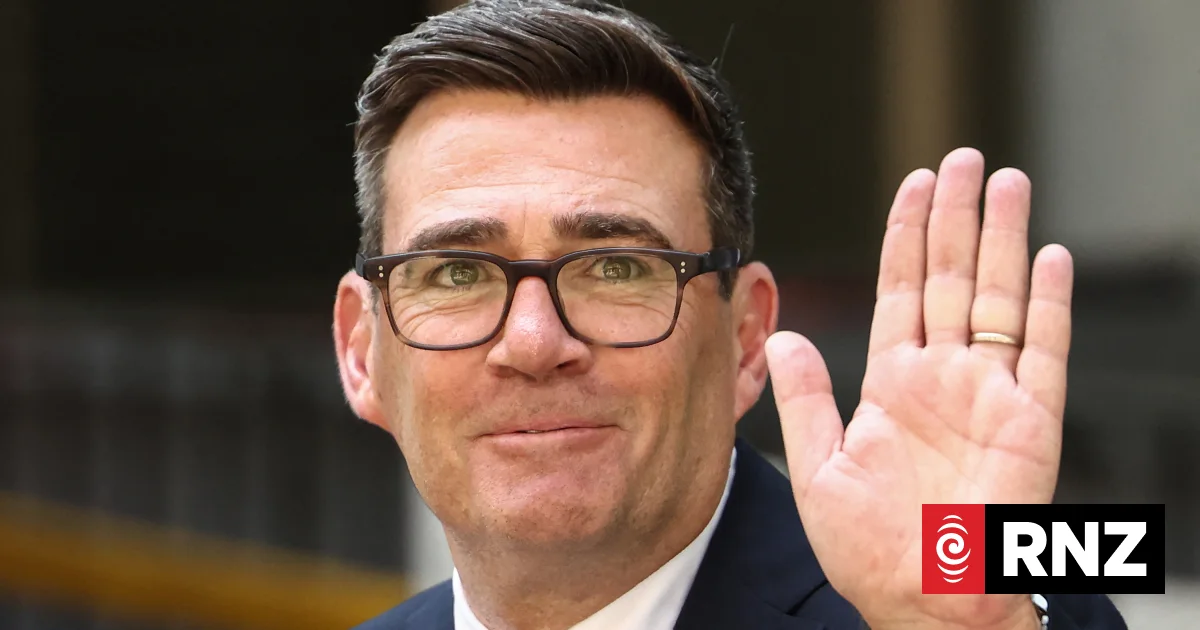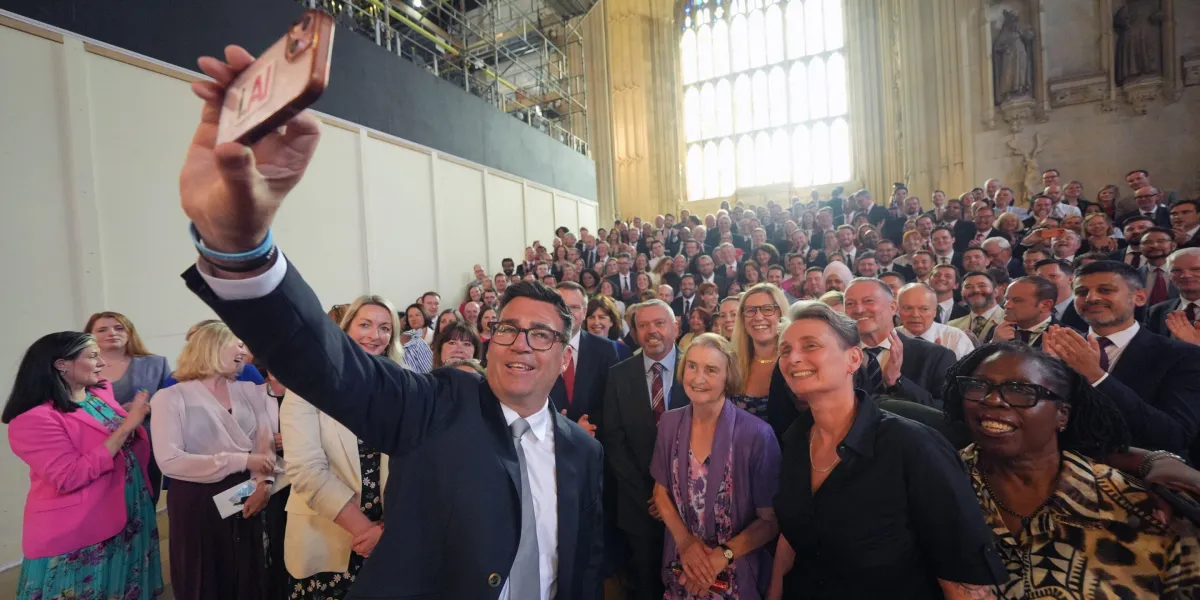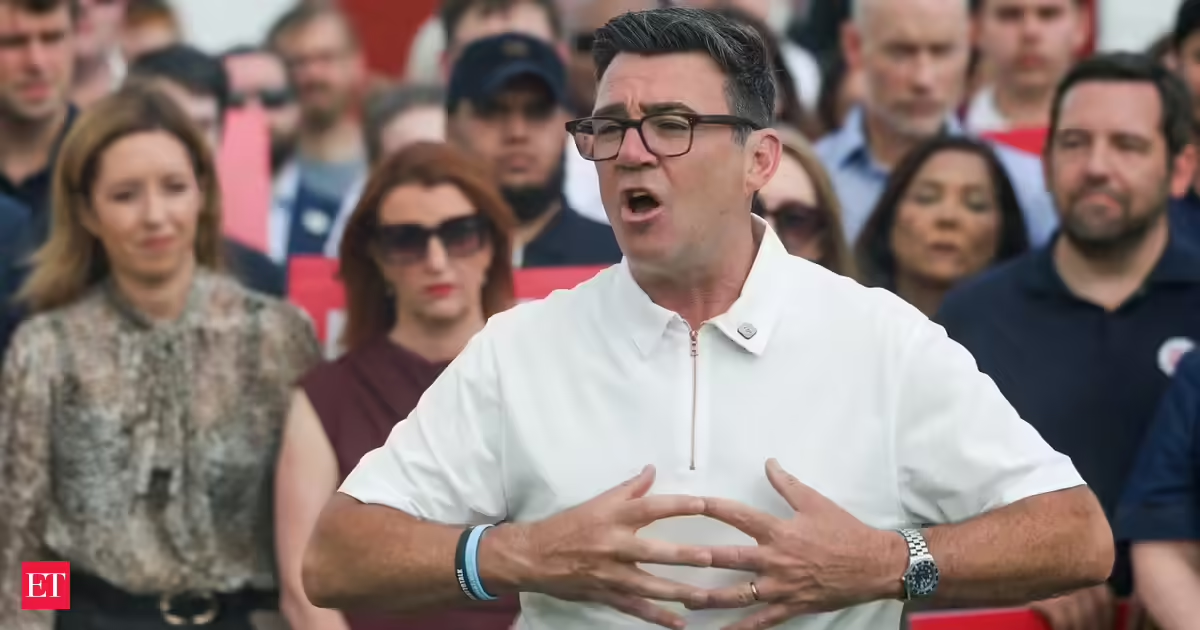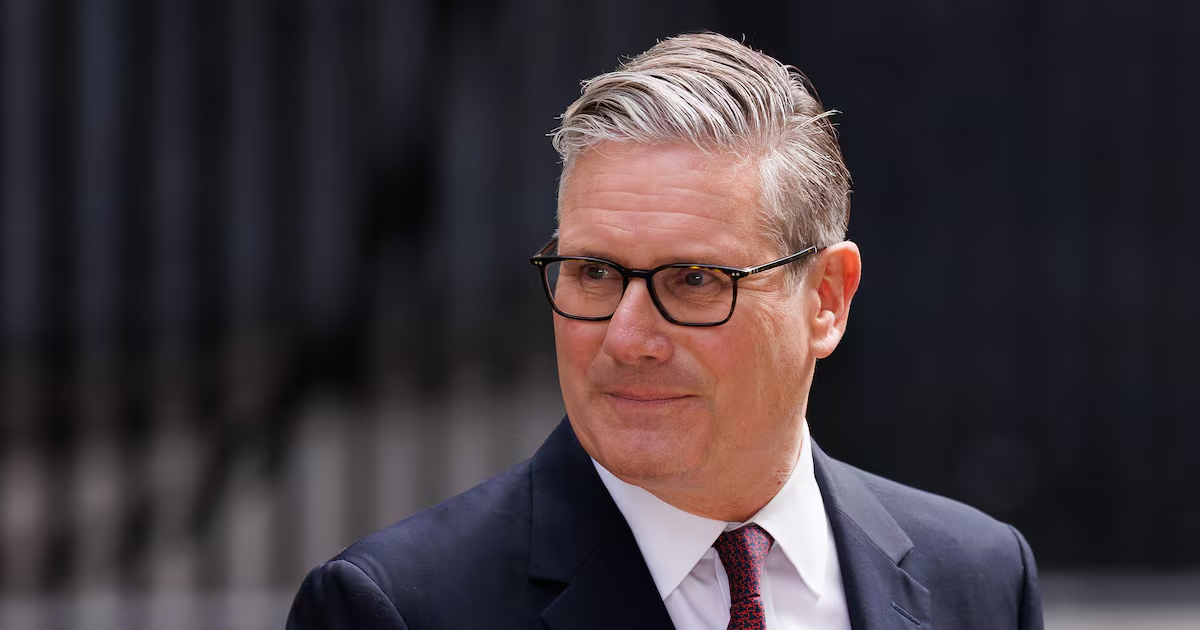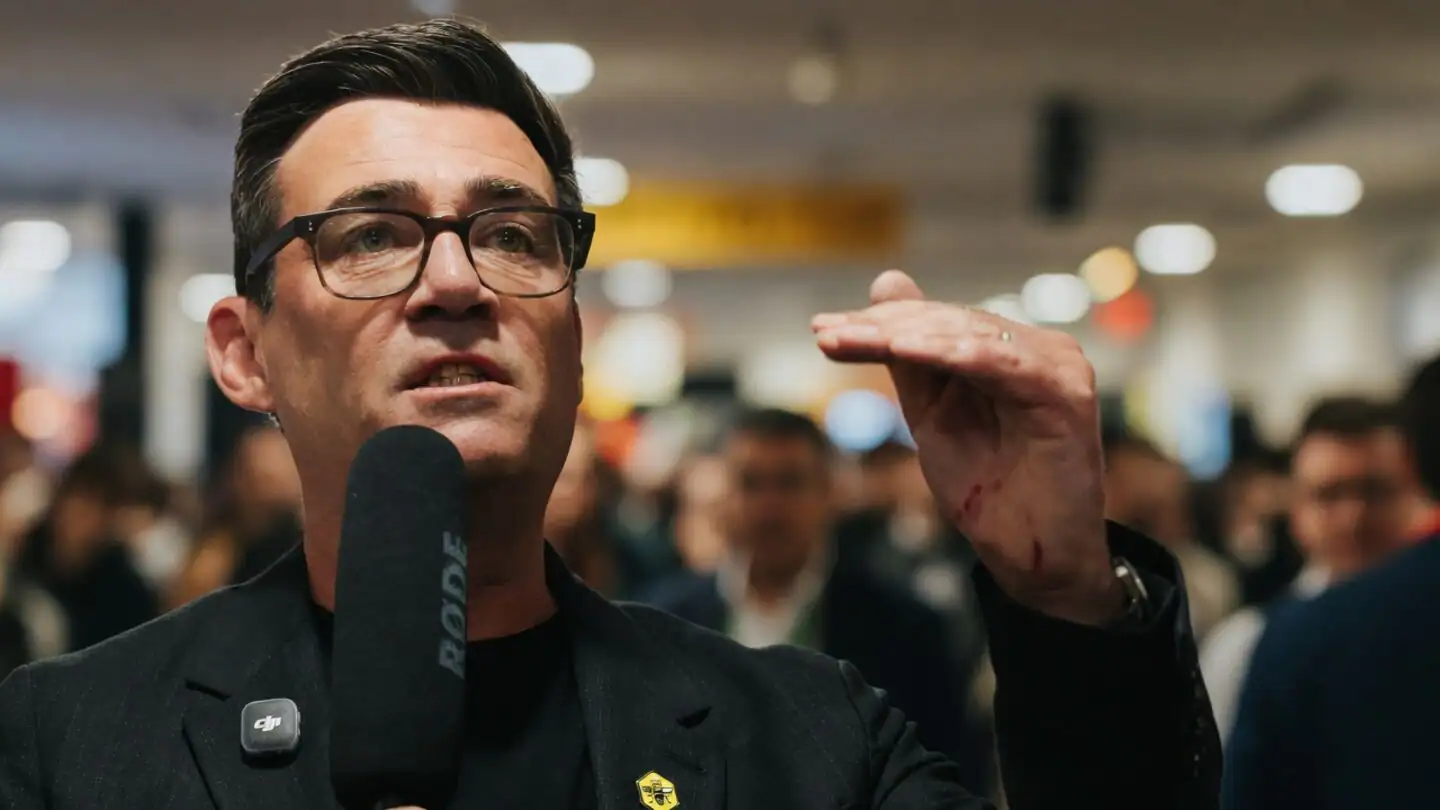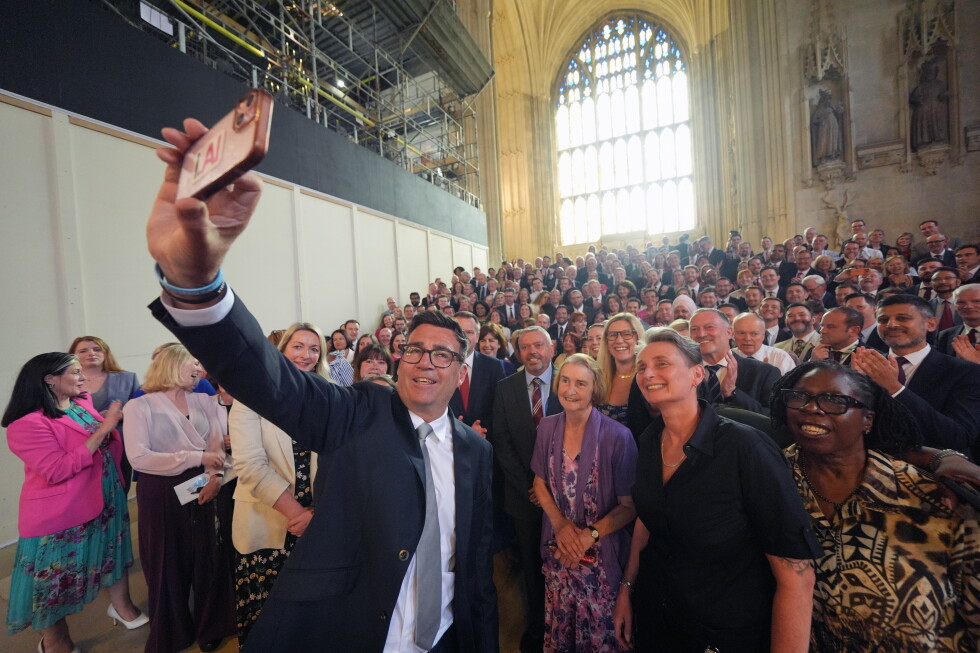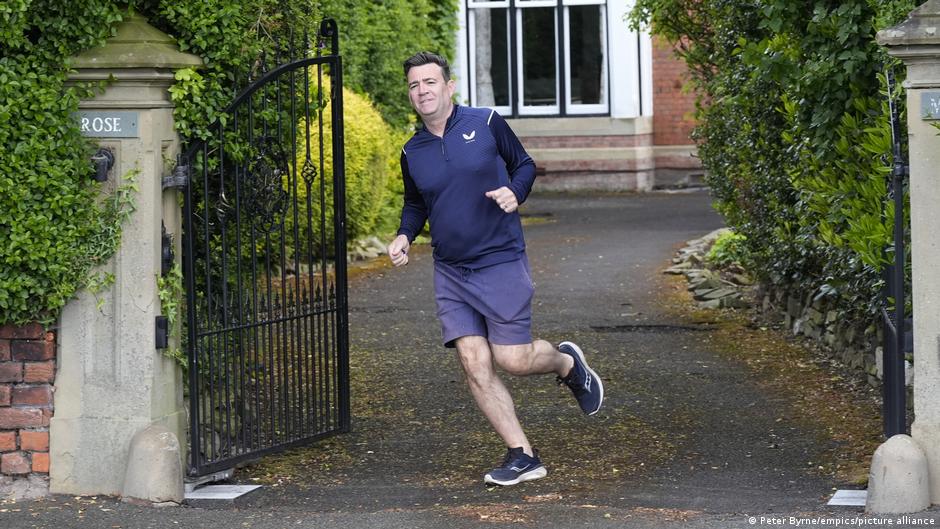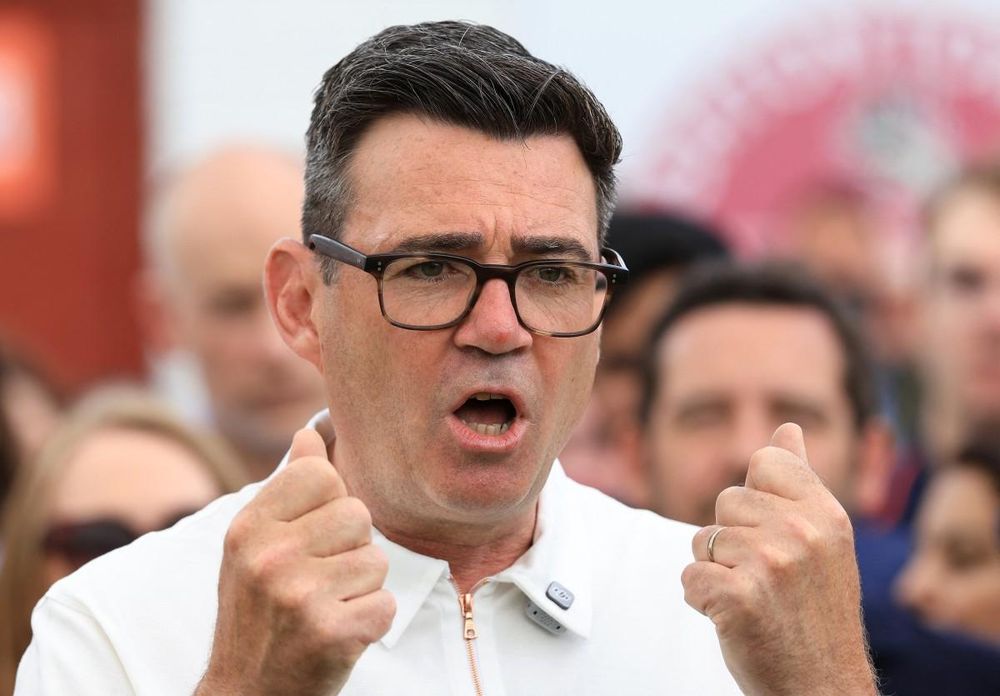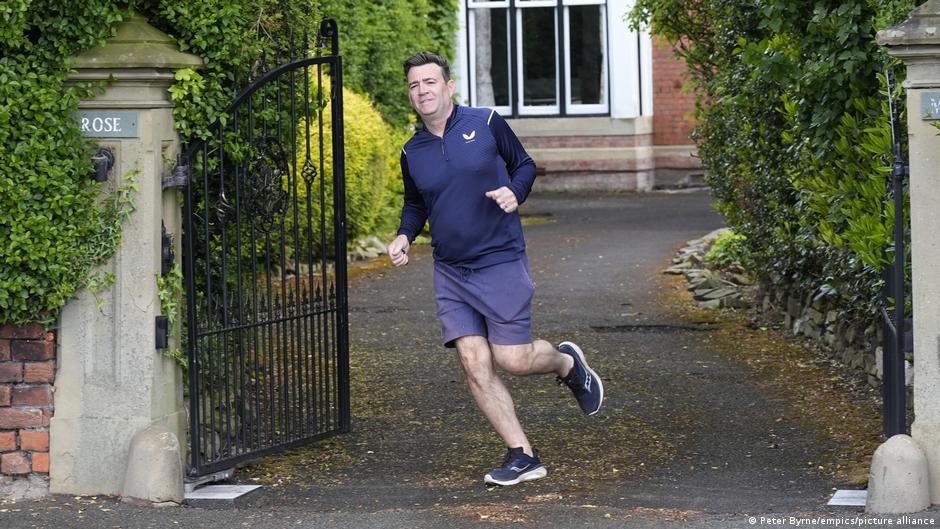
Andy Burnham’s return to Westminster has triggered a familiar round of speculation about Labour’s future. As pressure mounted over months on Prime Minister Keir Starmer, much of the discussion focused on whether Burnham could emerge as a future challenger or even a future prime minister.As Mr Starmer put it on Monday a new question was posed by the Labour Party: who was best placed to win the next election? Mr Starmer has now quit, accepting the answer was not him. That leadership switch may ultimately prove less important than what Burnham’s rise reveals about a deeper shift taking place in British politics.For much of the post-war era, Britain’s political authority rested on strong institutions, public confidence and a broad belief that electoral victory conferred legitimacy.Today, that model appears increasingly under strain.Britain has had six prime ministers in the decade since the Brexit referendum. By comparison, the country had only four prime ministers during the previous 26 years between Margaret Thatcher’s departure in 1990 and David Cameron’s resignation in 2016. Leadership change has shifted from being an occasional feature of British politics to one of its defining characteristics.The obvious explanation is leadership failure. Yet when the same outcome repeats itself across multiple governments, it becomes difficult to argue that the problem lies solely with individual politicians.Something more fundamental is changing.Andy Burnham is lining up to become the next British Prime Minister. AFPInfoThe traditional sources of political legitimacy are weakening. Voters appear less willing to grant governments the benefit of the doubt. Electoral victory no longer provides the political capital it once did. Keir Starmer’s position illustrates the challenge. Less than two years ago Labour secured one of the largest parliamentary majorities in modern British political history. Yet Britain now finds itself discussing whether that same prime minister can survive in office. Whatever happens next, the speed with which political authority has eroded is striking. Previous generations of prime ministers would have regarded such a mandate as the foundation for a decade of authority. Yet questions about Starmer’s leadership have emerged remarkably quickly. The issue is not the size of the mandate. It is the durability of public confidence that follows it.Increasingly, legitimacy is being earned through something much more tangible: visible delivery.This is where Burnham becomes relevant. His arrival in Westminster has become the focal point for a much wider debate about leadership, legitimacy and what voters now expect from those who govern.Burnham’s appeal is not primarily ideological. It stems from a perception that he has spent the past eight years governing rather than campaigning. As Mayor of Greater Manchester, he built a political identity around place, accountability and delivery. Whether one agrees with his record or not, he is often judged on outcomes rather than rhetoric. That distinction reflects a broader shift in public expectations.Yet this does not mean narrative has become irrelevant. Far from it. Effective leadership has always required both delivery and explanation. Governments must not only improve outcomes but help citizens understand what is changing, why it matters and how individual policies contribute to a broader national direction.One of the challenges facing the Starmer government is that these two elements have become disconnected. Ministers point to areas where progress has been made, yet many voters still struggle to identify what the government stands for, what its central mission is or how individual policy decisions fit together. Delivery without narrative often goes unnoticed. Narrative without delivery eventually loses credibility. Sustained political authority depends upon both.This presents a challenge for Westminster because modern politics often rewards the opposite behaviour.During my years in Downing Street, governments worried primarily about elections. Today they often seem preoccupied with surviving the next news cycle. Political communications has become faster, more fragmented and more reactive, compressing the time leaders have to establish authority.The consequence is that governments often find themselves trapped in a cycle of short-term narrative management while facing long-term challenges that require patience, consistency and sustained execution.The implications extend beyond politics. Trust, once lost, is difficult to rebuild. When governments struggle to sustain authority, investors, partners and citizens inevitably become more cautious about long-term commitments.Britain's Prime Minister Keir Starmer visits a housing development as pressure mounts for him to step aside. AFPInfoThis matters well beyond Westminster.The Gulf is now one of Britain’s most important economic partners. Trade between the UK and GCC exceeded £53 billion in 2025, while the recently concluded UK-GCC free trade agreement, the first between the GCC and a G7 nation, is expected to increase trade by almost 20 per cent and add an estimated £3.7 billion annually to the British economy. Agreements of this scale depend on confidence that strategic direction will survive political change. Investors and governments making decisions measured in decades require continuity, not constant reinvention.Viewed from the Gulf, one of the most striking developments of recent years has been the growing contrast between Britain’s political churn and the strategic continuity increasingly visible across much of the region.Historically, Britain’s reputation rested on stability while Gulf economies were often viewed through the lens of volatility. Today, the comparison is more nuanced. Many Gulf states are pursuing long-term national strategies measured in decades rather than electoral cycles. Their ability to maintain strategic direction has become an increasingly important source of international confidence and investment.The comparison does suggest that the foundations of political legitimacy are evolving.Part of the challenge is that the political timetable and the public timetable are increasingly misaligned. The most important challenges facing Britain, from productivity and infrastructure to housing and public service reform, require years of sustained effort. Yet the time leaders are given to demonstrate progress appears to be shrinking.In previous eras, governments were often judged over the course of a parliamentary term. Today, many are judged within months. Social media, the 24-hour news cycle and permanently active political commentary have compressed expectations. Citizens want faster results. Politicians face constant pressure to produce them.The consequence is a growing paradox. Long-term problems require long-term solutions, yet leaders are increasingly operating on shorter and shorter political horizons.The significance of Andy Burnham’s rise lies not in whether he becomes prime minister. It lies in what his popularity tells us about changing public expectations. Voters increasingly want leaders who can deliver results and explain them clearly. Britain’s challenge is no longer finding new leaders. The prospect of a seventh prime minister in little more than a decade would not simply represent another change of personnel. It would reinforce the perception that modern British politics has become increasingly effective at replacing leaders and increasingly ineffective at sustaining them.Britain’s challenge is no longer finding new leaders. It is rebuilding confidence that leadership can produce lasting results. Legitimacy is no longer granted automatically. It must be earned.Robin Gordon-Farleigh served in the UK Prime Minister’s Office between 2011 and 2017 and is now founding partner of Manara Global.
Britain has become better at replacing leaders than deciding direction | The National
Andy Burnham's rise signals voters want delivery over rhetoric
1,136 words~5 min read