Friday 19 June 2026 12:55 pm
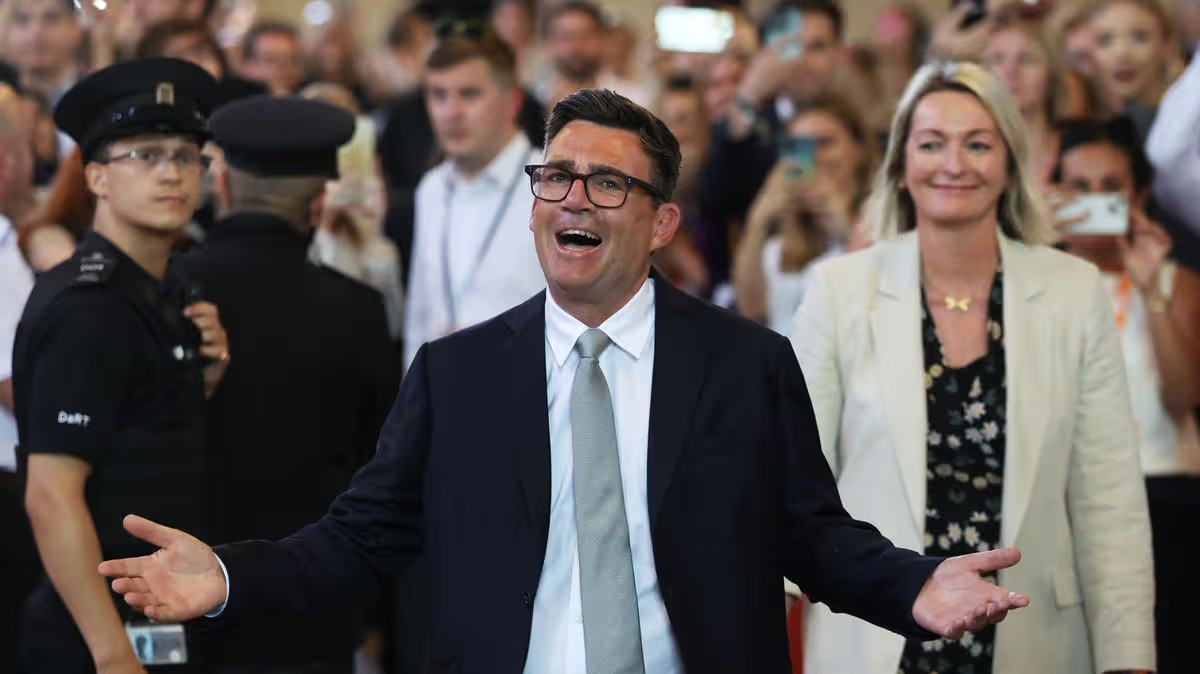
Andy Burnham could introduce a radical policy agenda. PA Wire
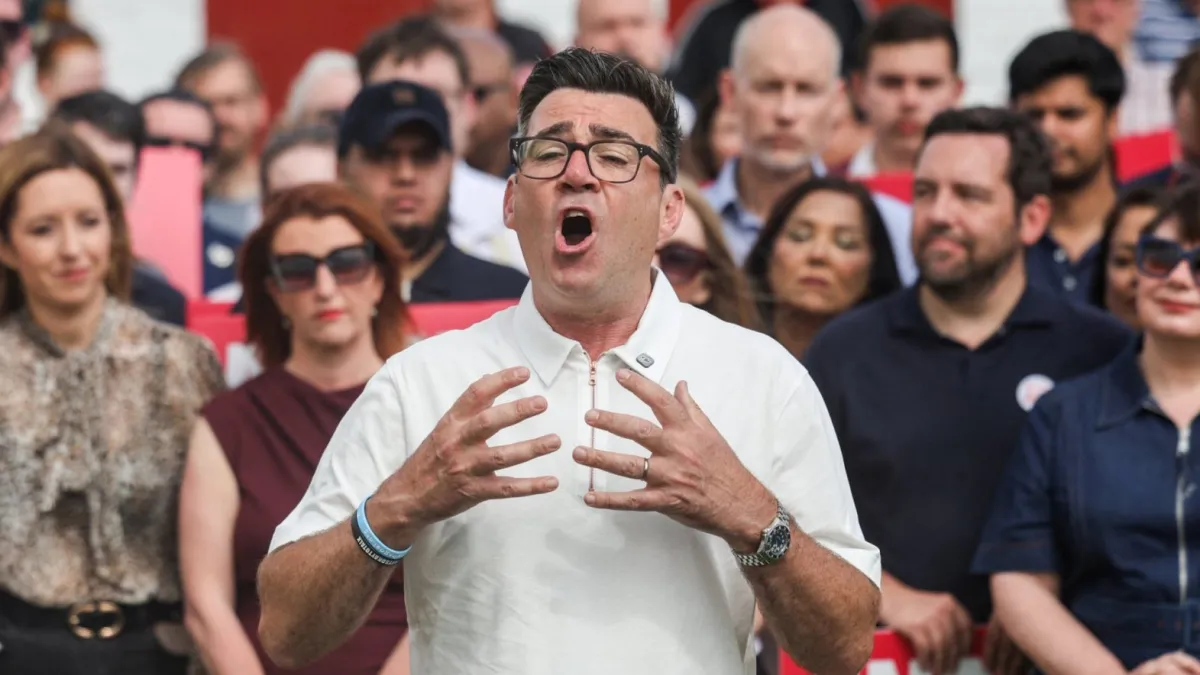
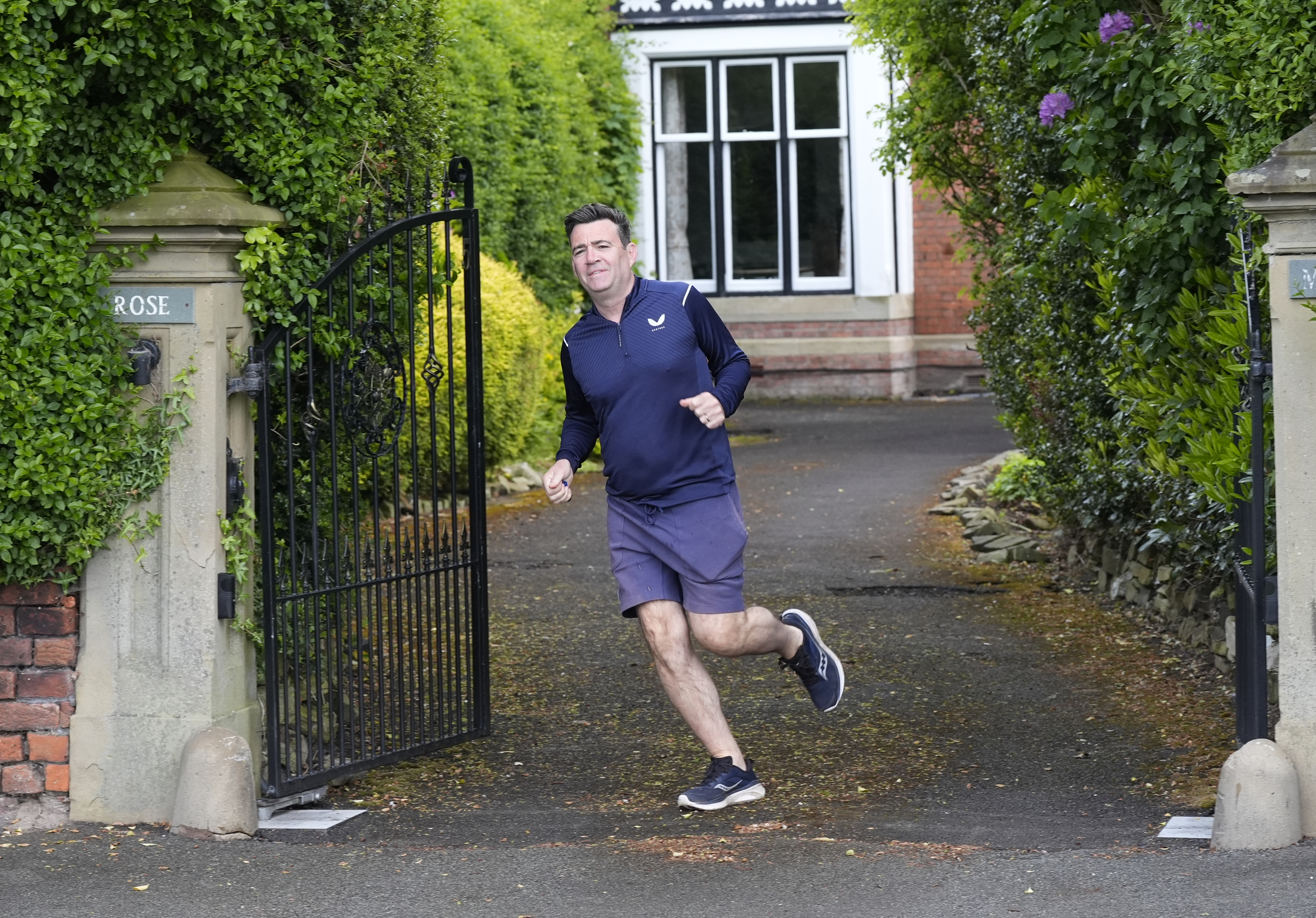
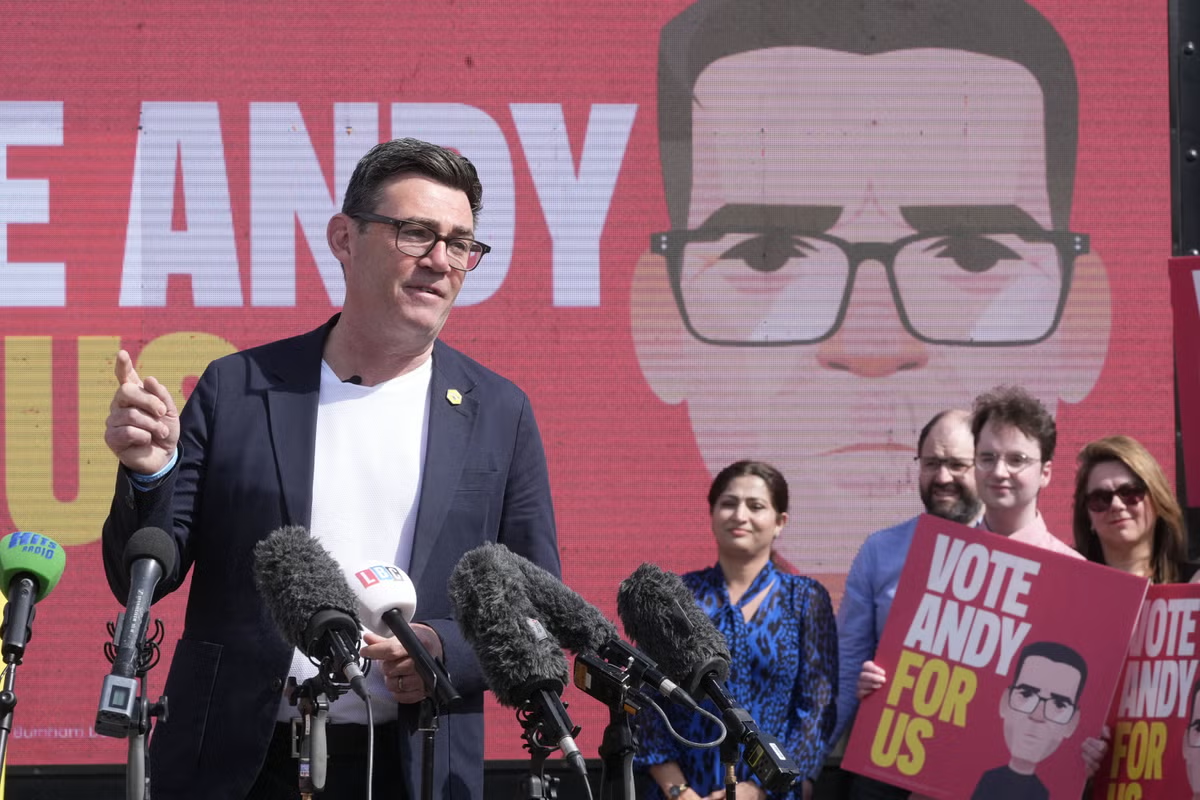
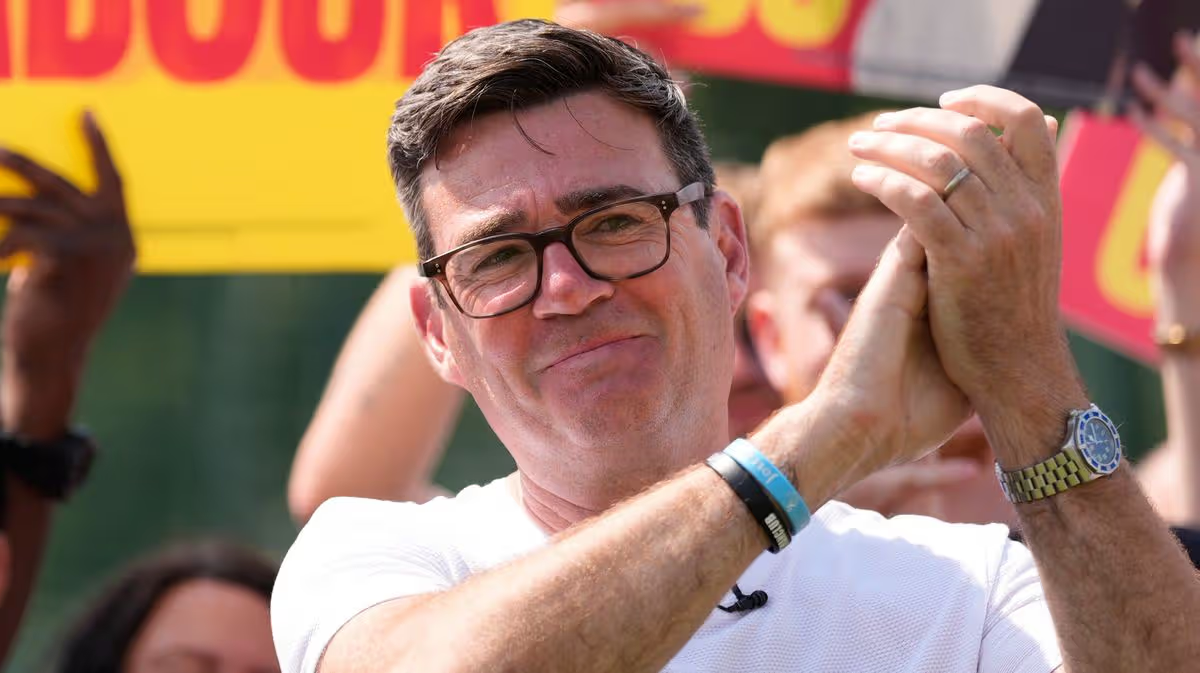
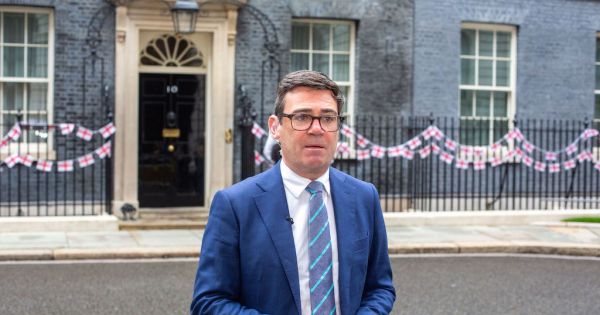
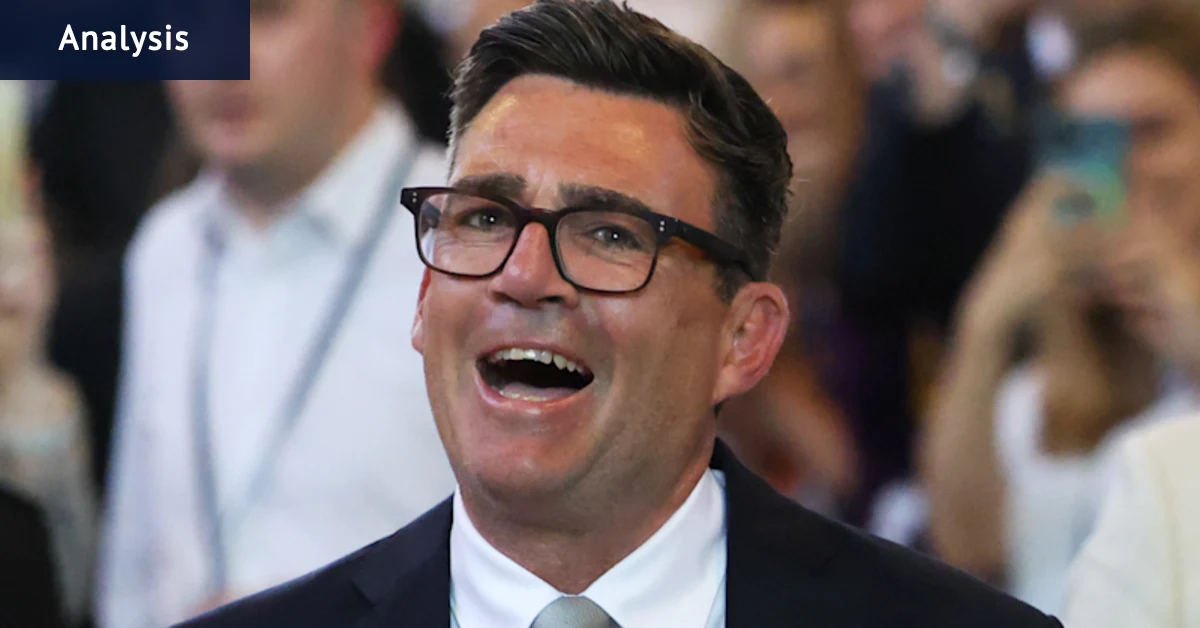
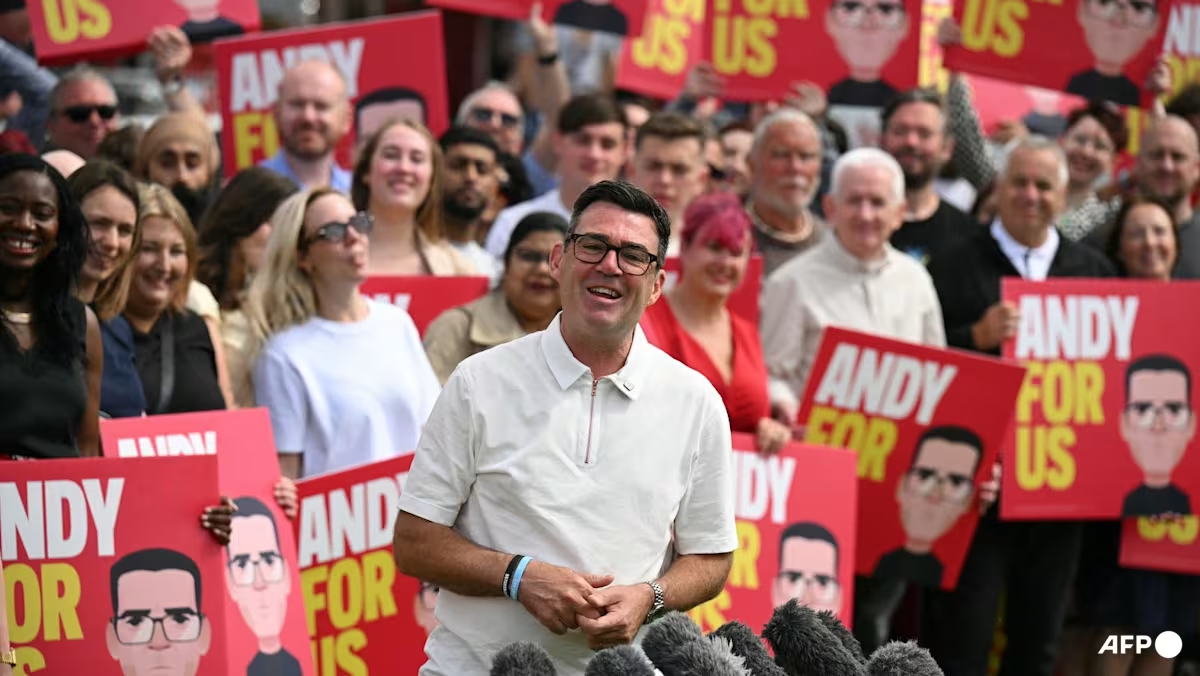
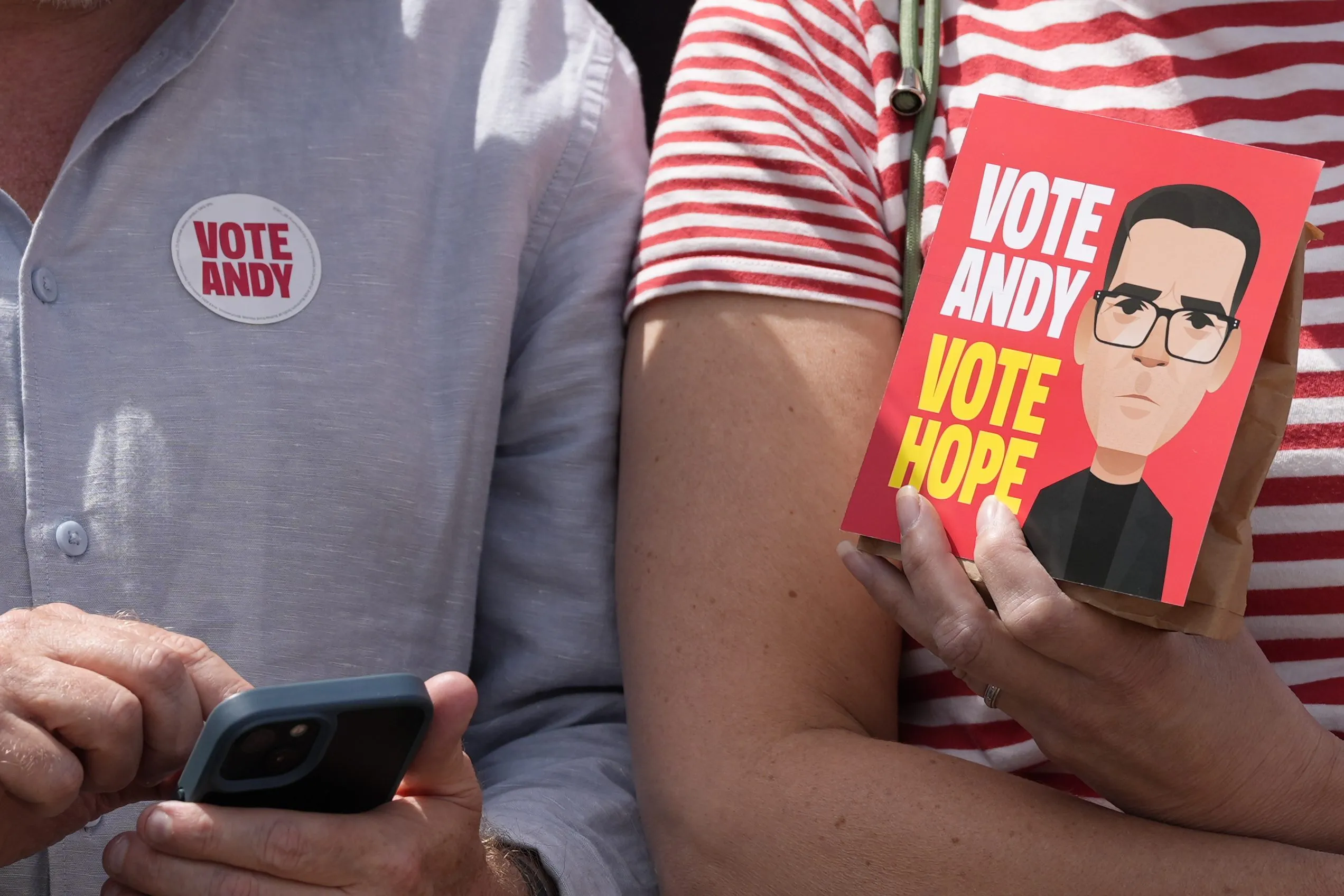
After Andy Burnham cleared the path for a run at the Labour leadership with an emphatic win in the Makerfield by-election. Maurício Alencar sketches out what an Andy Burnham government could look like – and the balancing act he faces on the way there Despite romping home to victory in the Makerfield by-election on Friday, Andy Burnham still has hurdles to clear before he achieves his long-held ambition of the Labour leadership and the keys to Downing Street. Burnham may have won over more than half of the electorate in his new constituency, but the former Manchester mayor now faces the task of wooing three distinct and at times conflicting groups: Labour members, unions and the bond markets.If he makes it to Number 10, supporters claim that his brand of ‘Manchesterism’ would shake up the machinery of government and shatter Whitehall’s “status quo”. It will be the culmination of a campaign that’s lasted months, perhaps years, depending on how you cut it. The newly elected MP’s ambitionThe former Manchester Mayor’s quest for the Labour leadership stretches back to the New Labour years, when he first made a tilt for the top job in 2010 before losing out to Ed Miliband. He then later lost to Jeremy Corbyn in the 2015 leadership race. His long desire to get into Number 10 now seems close to being fulfilled. Burnham now has to forge his path to Downing Street by revealing the list of MPs who would back his leadership bid, locking down allies for ministerial appointments, and brokering deals that could ease tensions within Labour. Burnham is widely expected to be the frontrunner for the leadership should a contest occur. The Prime Minister, Sir Keir Starmer, has insisted he will stand in the contest. He retains the support of key Cabinet figures such as Peter Kyle and Steve Reed.Former health secretary Wes Streeting and former armed forces minister Al Carns would also likely enter the race. The former has set out his policy agenda, focusing on boosting competition and fast-tracking the construction of data centres and other infrastructure. His balancing actBurnham’s rhetoric has been consistent over the past year in unpicking the UK’s social contract, condemning London’s dominance and reminiscing about a time when the government had “control over the basics of life”. “Britain has been torn apart by the four horsemen of Britain’s apocalypse: deindustrialisation, privatisation, austerity and Brexit,” the former Manchester mayor told The Guardian earlier this year. In that piece, he called on Westminster to embrace Manchesterism – an economic vision with tangled public-private partnership roots.Critics have long questioned whether the city’s productivity boom can be attributed to him. Former council leaders Richard Leese and Howard Bernstein were those who managed to get former chancellor George Osborne to agree to the “Northern Powerhouse” project as part of initial fiscal devolution reforms. Burnham may have reaped the benefits of further skyscraper building and the spillovers of Manchester City’s success to the local economy.In either case, Burnham has taken credit for the city’s growth. The Bee Network – the locally controlled bus service that was unveiled by Burnham in 2018 and enjoyed private-sector support – may be a paradigm for how the former Manchester mayor looks set to govern the country. Or, at least, that’s what he is telling Labour members ahead of a likely contest. In a speech after his election victory, Burnham said he would like to reform public procurement to drive local job creation and stop education being “dominated by the university route”. Labour members are also set on Burnham as their best chance of beating Reform UK. While Makerfield was dominated by Reform UK in the recent local election, Burnham inflicted a rout on the party and secured over half of the vote. Polling suggests that Burnham was the only Labour figure popular enough to challenge the Greens and Reform UK in an upcoming election defined by big personalities and competing forms of populism.Burnham’s businessIn recent weeks, he has pitched taking public control of utility firms, including Thames Water. Last year, he argued that the wealthy should pay a higher rate of tax. And his chief campaigner, the former transport secretary Louise Haigh, has argued for a total reworking of the fiscal framework. City traders are therefore on edge about what a Burnham premiership could bring. He first set nerves jangling when he told the New Statesman that Labour had been too “in hock to the bond markets”. These six words – ‘in hock to the bond markets’ — have defined Burnham for at least nine months, a period that made depressed Labour backbenchers fanatical about the so-called King in the North but spooked the City. But Burnham’s allies may point to the minimal impact his Makerfield victory had on the bond markets today. Long-term gilt yields remained broadly stable on Friday morning, with the 30-year gilt yield, which determines UK government borrowing costs, first falling slightly, then inched up by around three basis points. Analysts say markets had already priced in the Burnham factor. His team are likely to play down the pressures of a weaker pound, delayed housing and infrastructure investments, and threats from top business figures and entrepreneurs that they would be prepared to ditch the UK. The ‘kind strangers’ of the bond market willing to give Burnham a chance will inevitably look to which pacts Burnham manages to strike with the right wings of Labour and whether any popular figures, such as Wes Streeting or pro-growth backbencher Chris Curtis, are appointed to the Cabinet. City analysts have already raised the alarm over the selection of Ed Miliband as Chancellor.Economists, think tankers and other interested business investors would be smart to pore over recent growth papers published by the Labour Growth Group and the left-wing Tribune group of MPs via the quarterly journal Renewal. The Burnham manifesto?This heavy scrutiny would be unsuccessful in deterring Burnham from pursuing his own economic agenda. Based on what he and his allies have endorsed over the past year, an Andy Burnham manifesto could look something like this: