Friday 19 June 2026 11:24 am
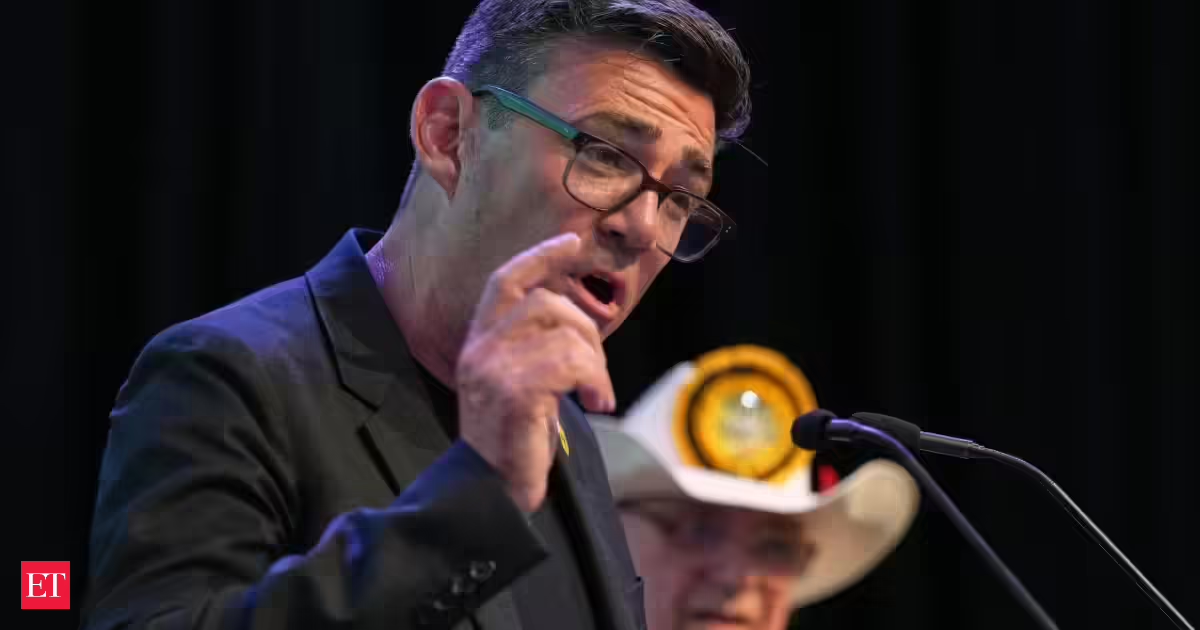
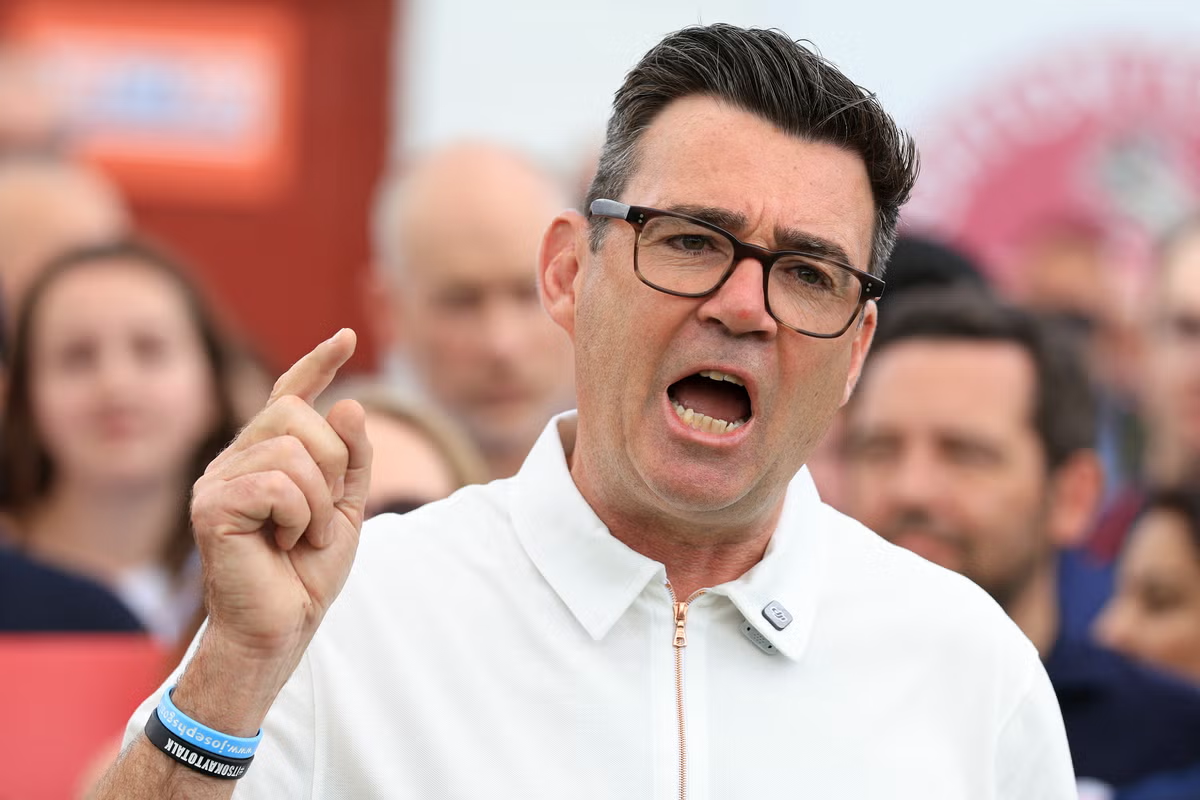
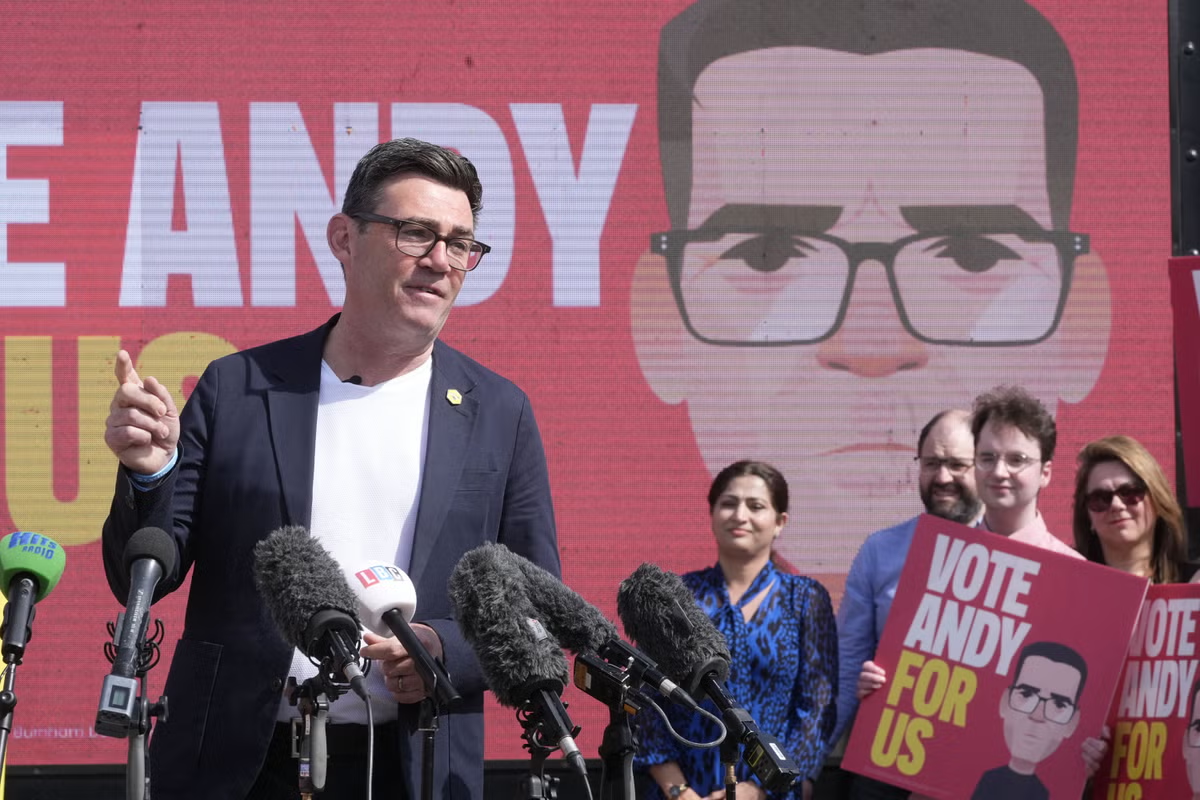
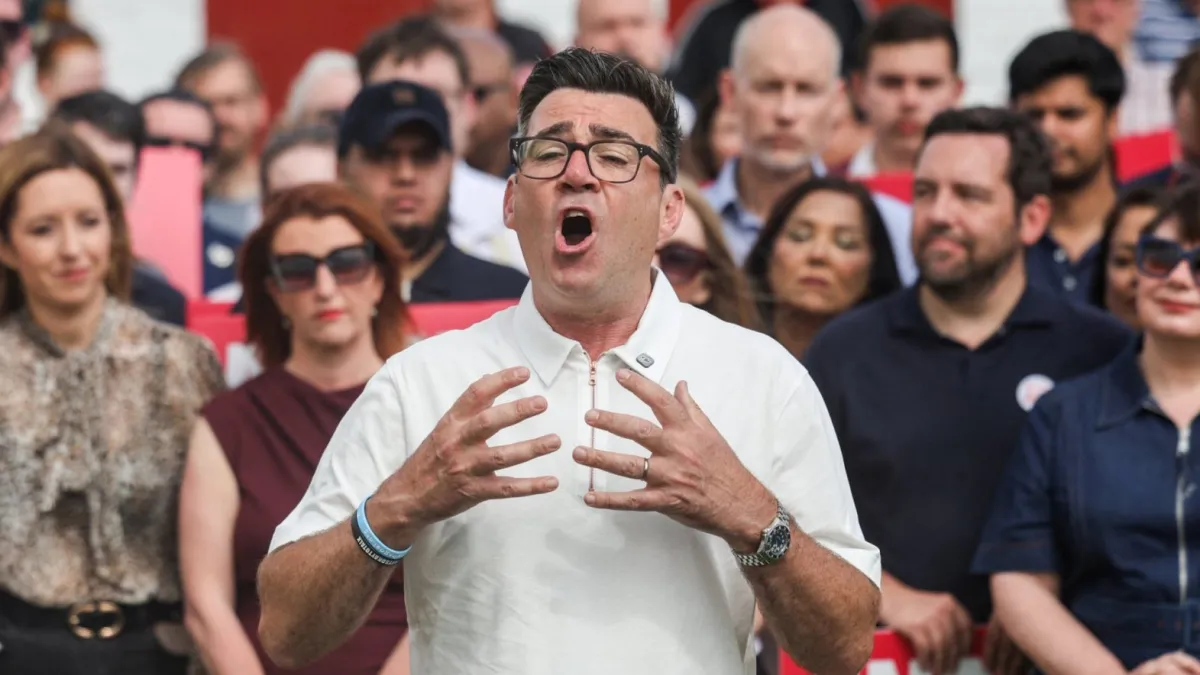
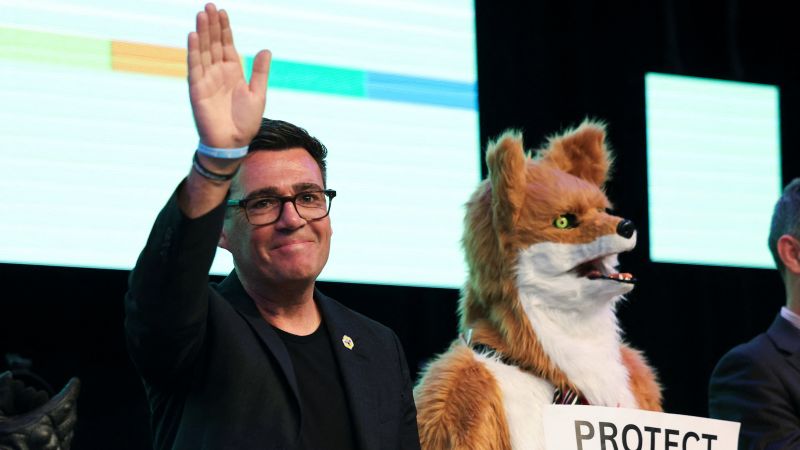
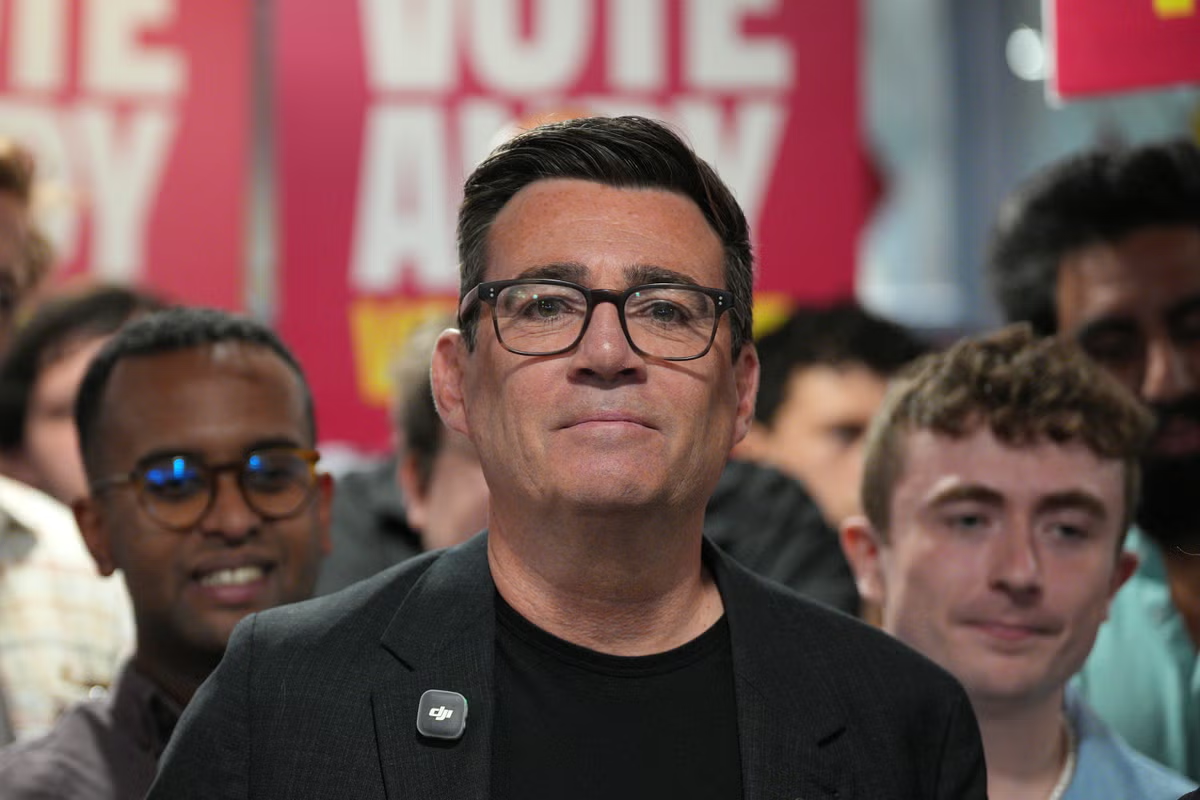
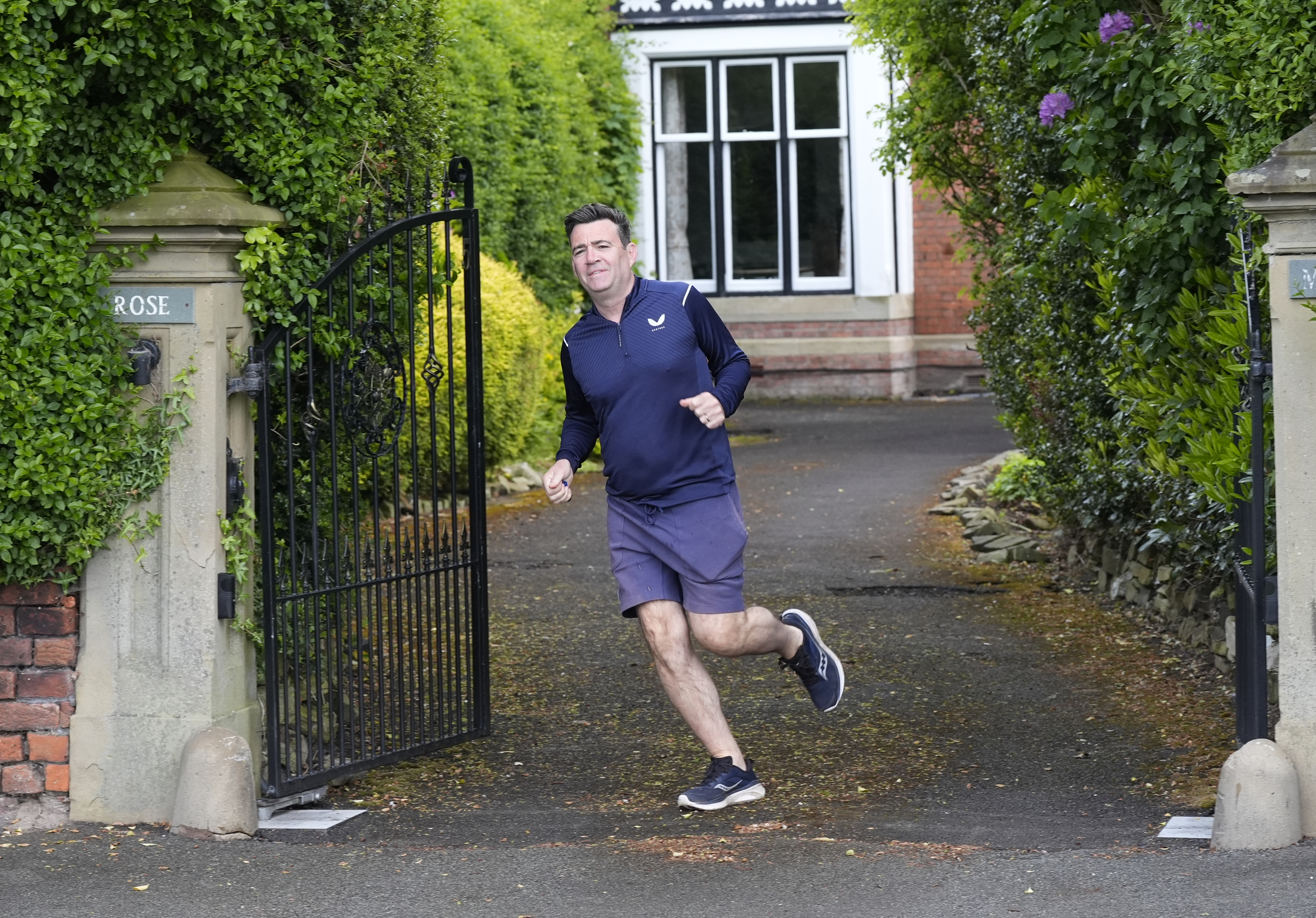
Definitely running: Manchester Mayor Andy Burnham. Peter Byrne/PA Wire
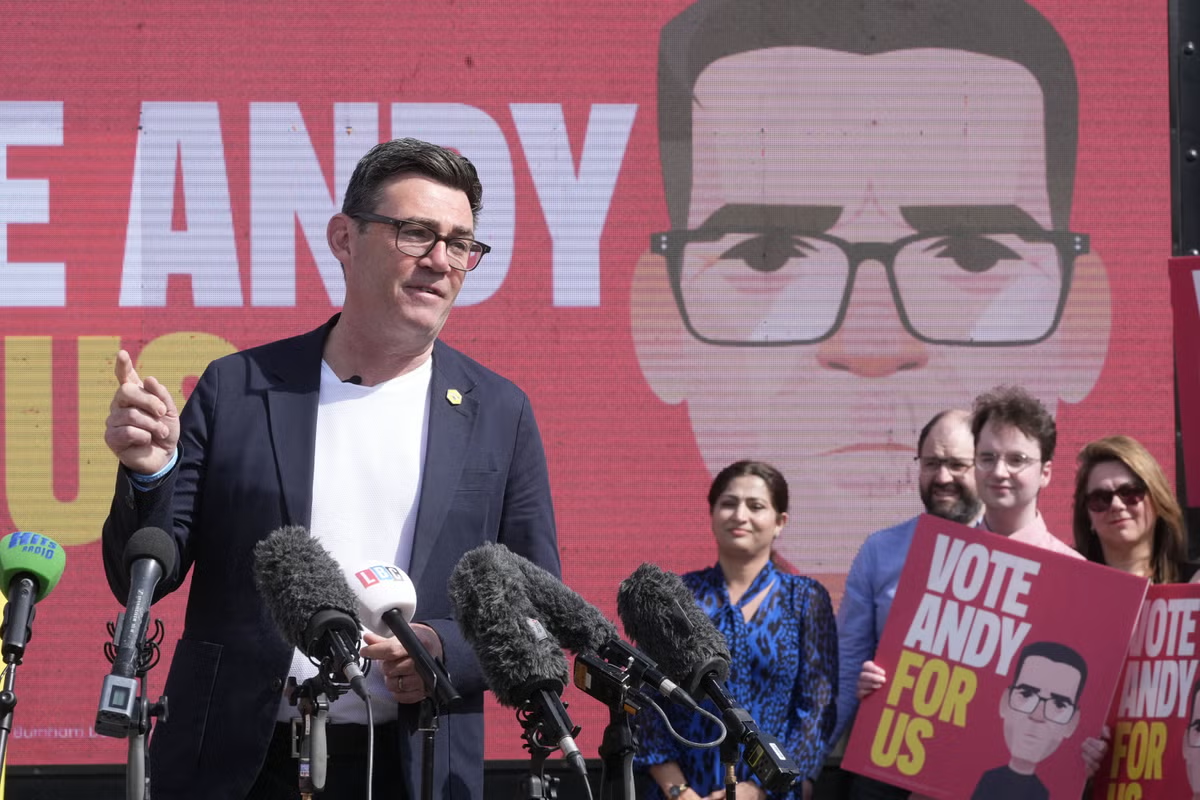
After Andy Burnham cleared the path for a run at the Labour leadership with an emphatic win in the Makerfield by-election. Maurício Alencar sketches out what an Andy Burnham government could look like – and how the markets would react. Despite romping home to victory in the Makerfield by-election on Friday, Andy Burnham still has hurdles to clear before he achieves his long-held ambition of the Labour leadership and the keys to Downing Street. Burnham may have won over more than half of the electorate in his new constituency, but the former Manchester mayor now faces the task of wooing three distinct and at times conflicting groups: Labour members, unions and the bond markets.If he makes it to Number 10, supporters claim that his brand of ‘Manchesterism’ would shake up the machinery of government and shatter Whitehall’s “status quo”. It will be the culmination of a campaign that’s lasted months, perhaps years, depending on how you cut it. Burnham has to now forge his path to Downing Street by revealing the list of MPs who would back his leadership bid, locking down allies for appointment to ministerial roles and brokering deals that could ease tensions within Labour.The big visionBurnham has been consistent over the past year in unpicking the UK’s social contract, condemning London’s dominance and reminiscing about a time when the government had “control over the basics of life”. “Britain has been torn apart by the four horsemen of Britain’s apocalypse: deindustrialisation, privatisation, austerity and Brexit,” the former Manchester mayor toldThe Guardian earlier this year. In that piece, he called on Westminster to embrace Manchesterism. He also doubled down on his criticism of the bond markets. “We are stuck in a rut and in hock to the bond markets because of the resulting volatility and uncertainty,” he wrote. These are ultimately the six words – ‘in hock to the bond markets’ — that have defined Burnham for at least nine months, a period that made depressed Labour backbenchers fanatical about the so-called King in the North but spooked the City. Polling suggested that Burnham was the only Labour figure that was popular enough to challenge the Greens and Reform UK in an upcoming election determined by big personalities and competing forms of populism.Those six words also attracted significant attention from City traders and pension fund managers.As markets adjusted in expectation of a Burnham victory, he and his supporters would likely wish to shrug off rising gilt yields, adding billions of pounds to projected borrowing costs, which already totalled £110bn last year. His team would play down the pressures of a weaker pound, delayed housing and infrastructure investments, and threats from top business figures and entrepreneurs that they would be prepared to ditch the UK. The Burnham manifestoThe ‘kind strangers’ willing to give Burnham a chance will inevitably look to which pacts Burnham manages to strike with the right wings of Labour and whether any popular figures such as Wes Streeting or pro-growth backbencher Chris Curtis are appointed to the Cabinet. City analysts have already raised the alarm over the selection of Ed Miliband as Chancellor.Economists, think tankers and other interested business investors would be smart to pour over recent growth papers published by the Labour Growth Group and the left-wing Tribune group of MPs via the quarterly journal Renewal. This heavy scrutiny would be unsuccessful in deterring Burnham from pursuing his own economic agenda. It could look something like this: