Monday 18 May 2026 11:50 am
| Updated:
Monday 18 May 2026 11:58 am
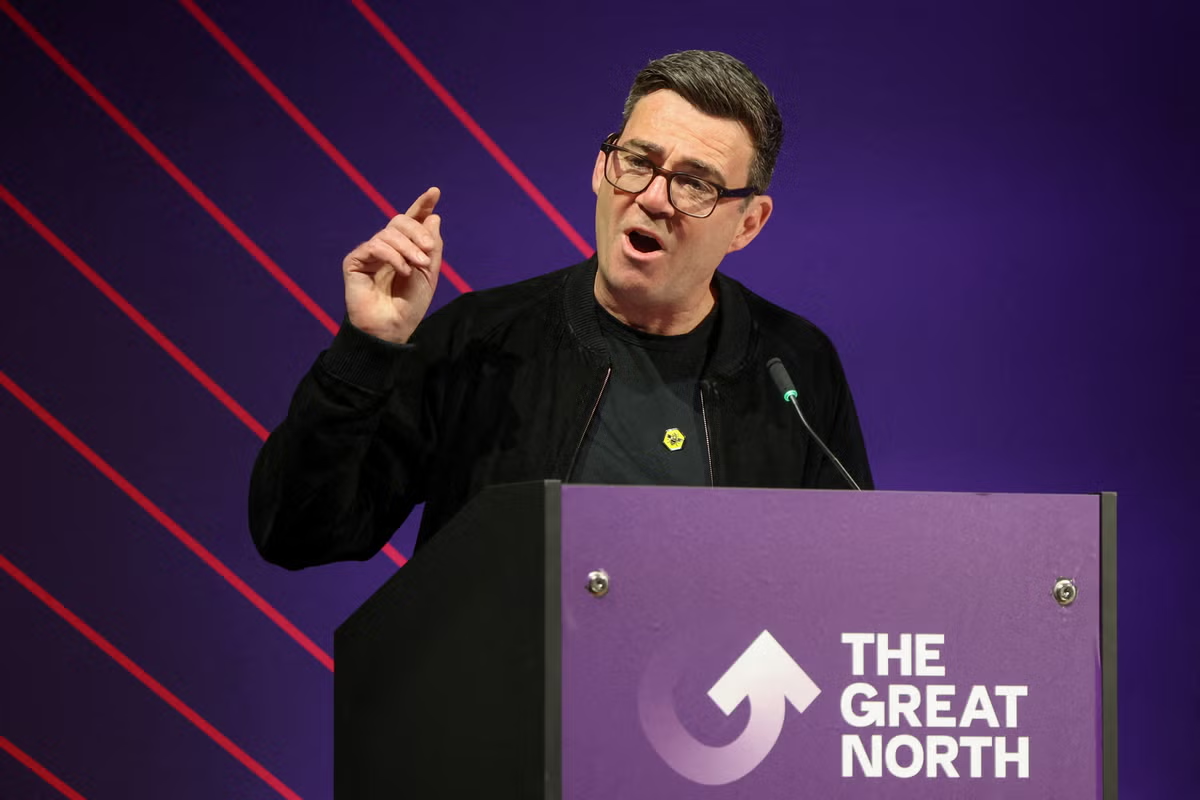
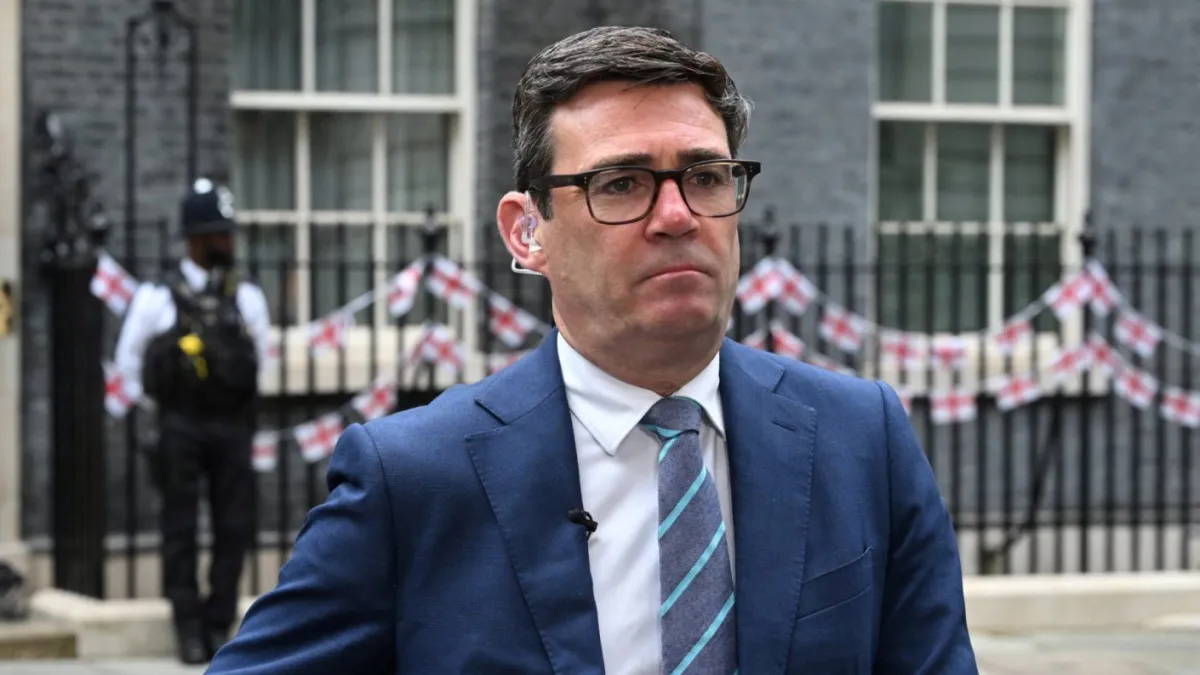
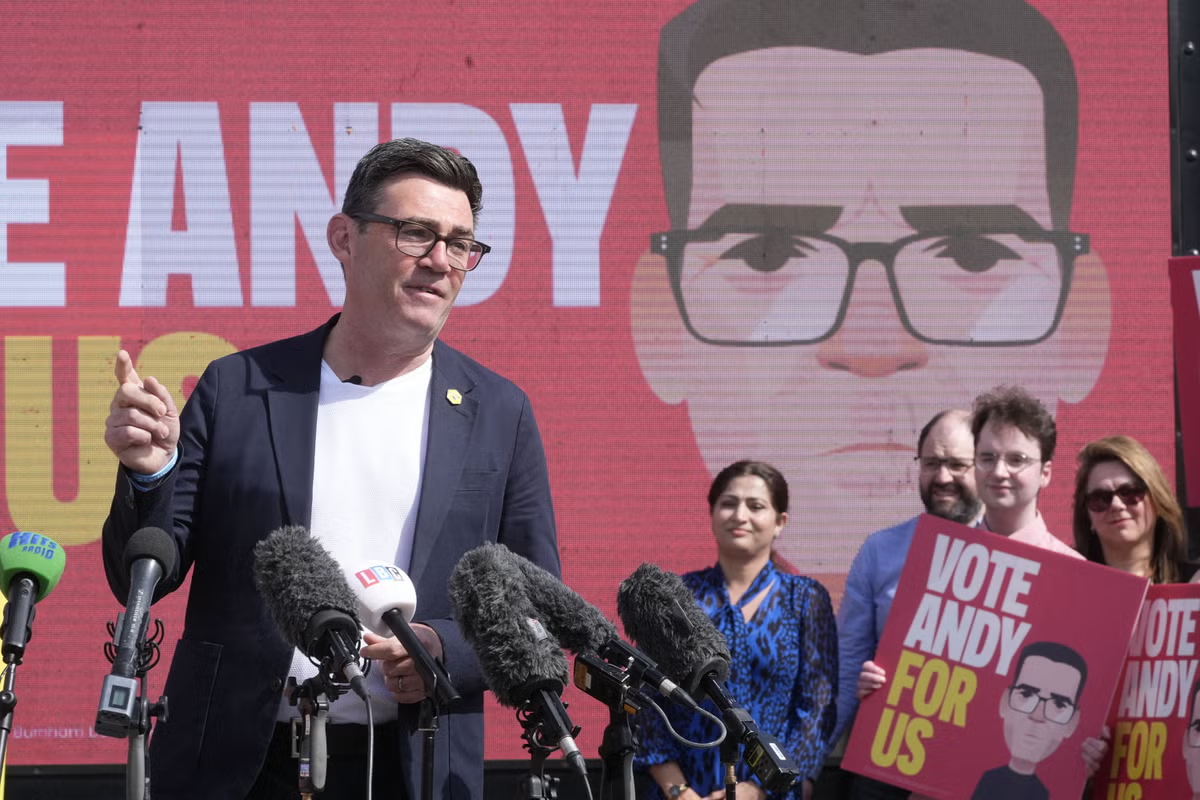
Definitely running: Manchester Mayor Andy Burnham. Peter Byrne/PA Wire
As the Manchester mayor starts out on his high-risk path towards becoming Prime Minister, Maurício Alencar sketches out what an Andy Burnham government would look like – and how the markets would react. Andy Burnham will have to jump over many hurdles in his almighty quest to get to Downing Street. If he makes it, supporters claim that his brand of ‘Manchesterism’ would shake up the machinery of government and call time on Whitehall’s “status quo”. If he stands in front of Number 10 it will be the culmination of a campaign that’s lasted months, perhaps years, depending on how you cut it. He has been castigated by the current Chancellor for undermining her stability measure by criticising the government’s fiscal framework. He failed in his bid to get nominated as Labour’s candidate in the Gorton and Denton by-election. But after months of activist pressure on Labour Party masters, the National Executive Committee has now allowed him to stand in a by-election specifically triggered to provide him with a route back to Westminster after a nine-year stint as Manchester mayor. Having dispatched the procedural hurdles, Burnham’s first major challenge on his path to Downing Street will be winning an election in a Reform UK target seat. Only if he succeeds in Makerfield will he have a chance to proceed to the next hurdle: winning a heated leadership contest this summer that could threaten party unity and trigger noisy debates about policy platforms, electoral strategy, economic visions and leadership qualities.Day one as PM: the big visionThe first day of Burnham’s premiership would likely feature a speech that unpicks the UK’s social contract, condemns London’s dominance and reminisces about a time when the government had “control over the basics of life”. “Britain has been torn apart by the four horsemen of Britain’s apocalypse: deindustrialisation, privatisation, austerity and Brexit,” the former Manchester mayor could say in a speech in front of Number 10, echoing the argument he set out in The Guardian earlier this year. In that piece, he called on Westminster to embrace Manchesterism. He also doubled down on his criticism of the bond markets. “We are stuck in a rut and in hock to the bond markets because of the resulting volatility and uncertainty,” he wrote. These are ultimately the six words – ‘in hock to the bond markets’ — that have defined Burnham for at least nine months, a prenatal period that made depressed Labour backbenchers fanatical about the so-called King in the North. Polling suggested that Burnham was the only Labour figure that was popular enough to challenge the Greens and Reform UK in an upcoming election determined by big personalities and competing forms of populism.Those six words also attracted significant attention from City traders and pension fund managers.As markets adjusted in expectation of a Burnham victory, he and his supporters would likely wish to shrug off rising gilt yields, adding billions of pounds to projected borrowing costs, which already totalled £110bn last year. His team would play down the pressures of a weaker pound, delayed housing and infrastructure investments, and threats from top business figures and entrepreneurs that they would be prepared to ditch the UK. The Burnham manifestoThe ‘kind strangers’ willing to give Burnham a chance will inevitably look to which pacts Burnham manages to strike with the right wings of Labour and whether any popular figures such as Wes Streeting or pro-growth backbencher Chris Curtis are appointed to the Cabinet. Economists, think tankers and other interested business investors would be smart to pour over recent growth papers published by the Labour Growth Group and the left-wing Tribune group of MPs via the quarterly journal Renewal. This heavy scrutiny would be unsuccessful in deterring Burnham from pursuing his own economic agenda. It could look something like this: