Serving tech enthusiasts for over 25 years.
TechSpot means tech analysis and advice you can trust.
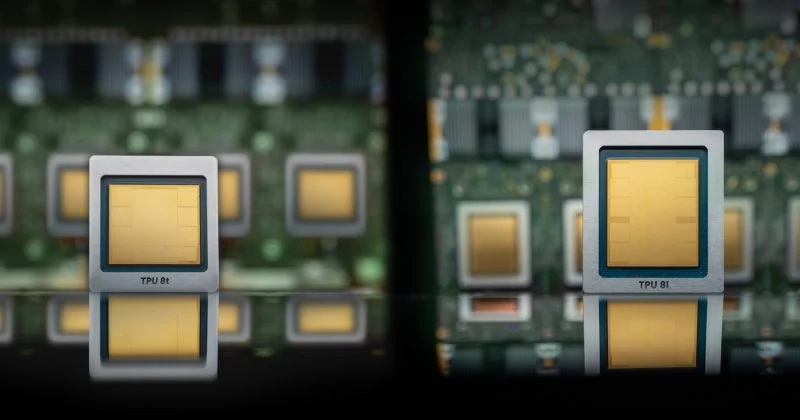
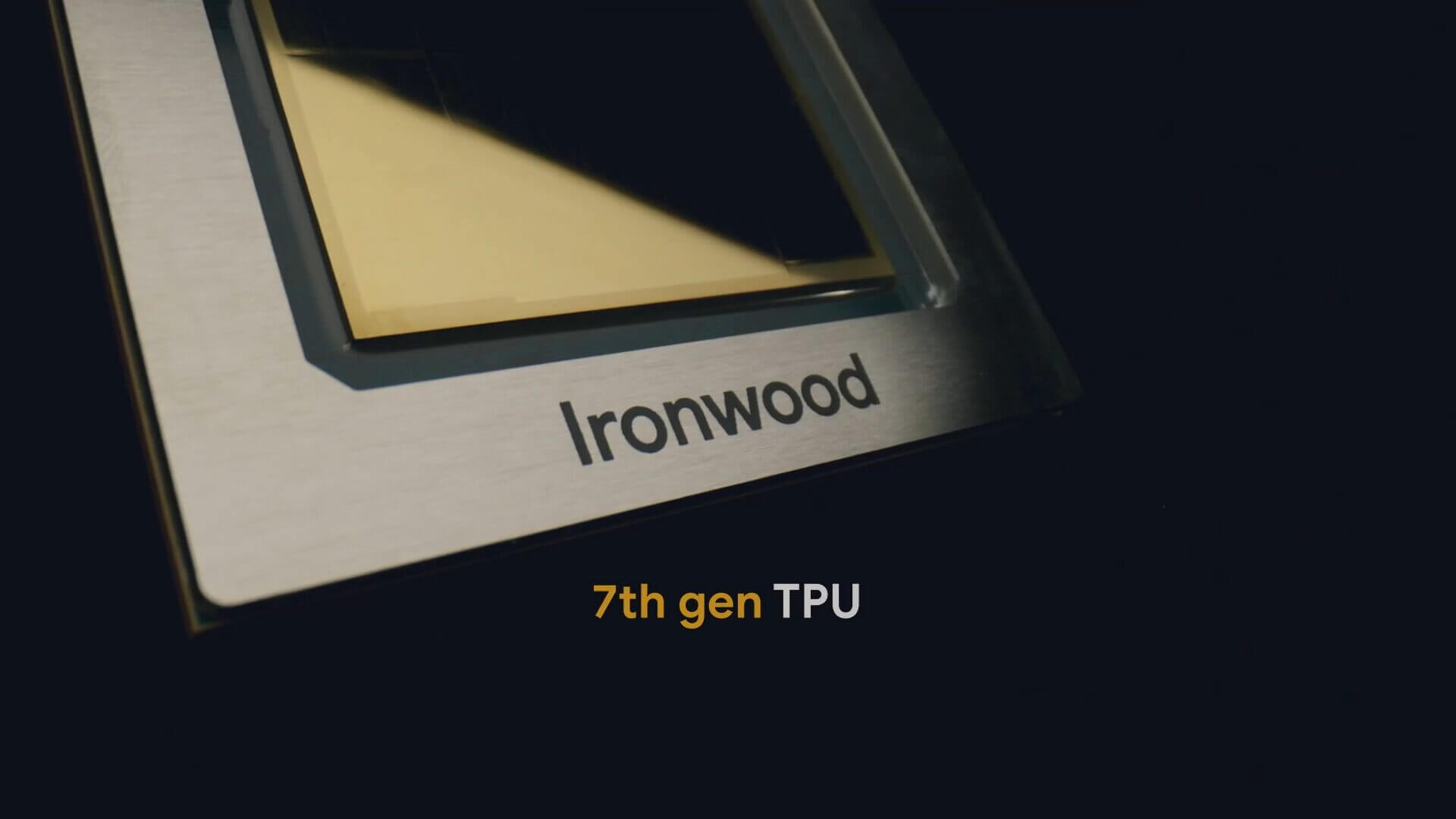
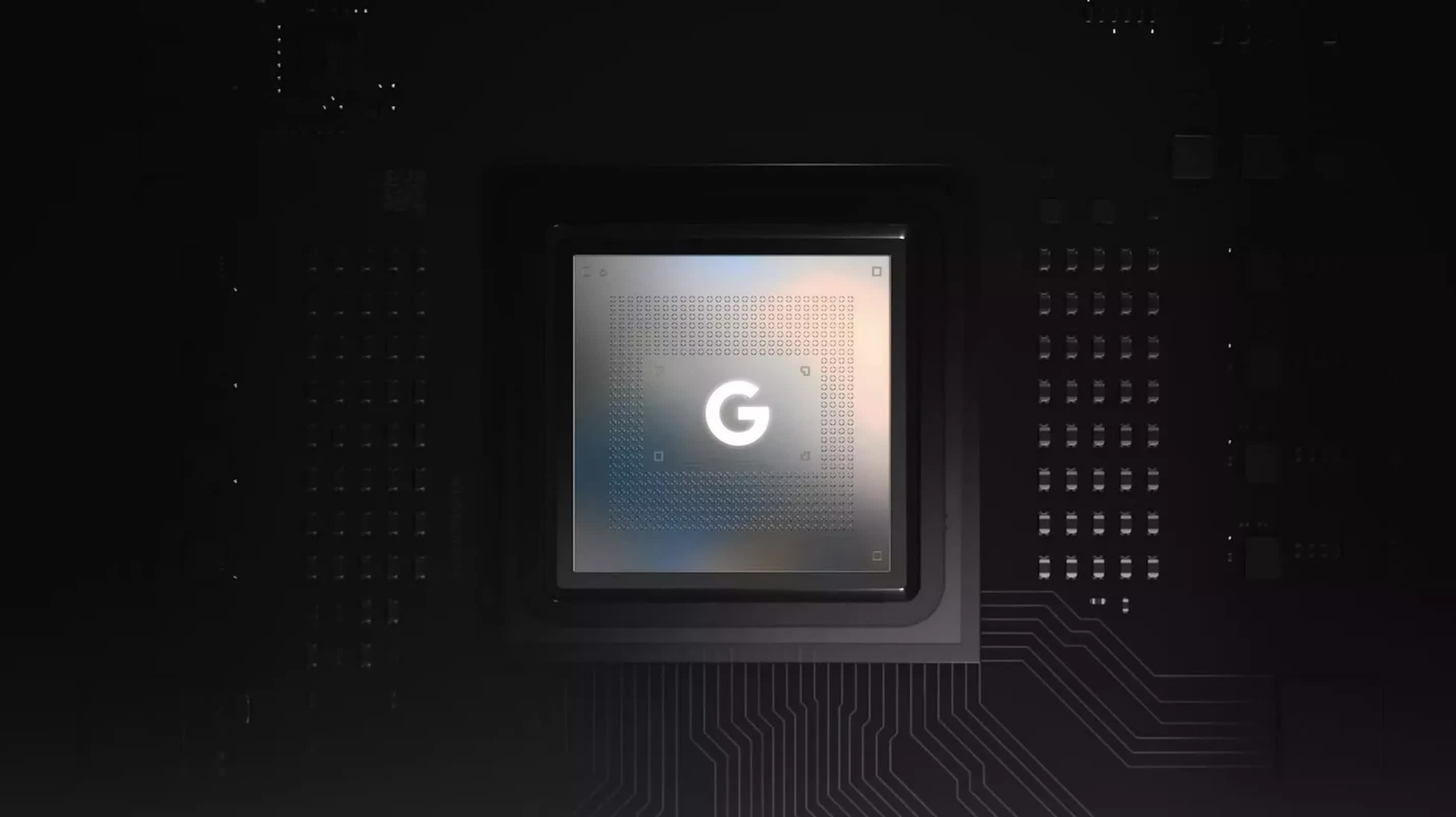
TL;DR: Google is pushing its in-house AI chips much more aggressively, turning years of tensor processing unit development into a direct challenge to Nvidia's hold on the AI hardware market. For years, the company built its chips mostly to handle its internal workloads. Those tensor processing units, or TPUs, sat behind products like search and speech recognition, handling some of the company's heavier AI workloads. Now, Google is trying to turn that in-house advantage into a business that can stand up to Nvidia.
One clear example of that shift is in western New York at an AI data-center cluster called Lake Mariner, on Lake Ontario's southern shore near Niagara Falls. Alphabet's Google has provided a $3.2 billion financial guarantee for the project, whose developers plan to rent computing power from thousands of Google's chips to Anthropic, according to people familiar with the matter who spoke to The Wall Street Journal.
The basic playbook is similar to Nvidia's: support data-center financing and then benefit when those sites buy your chips.