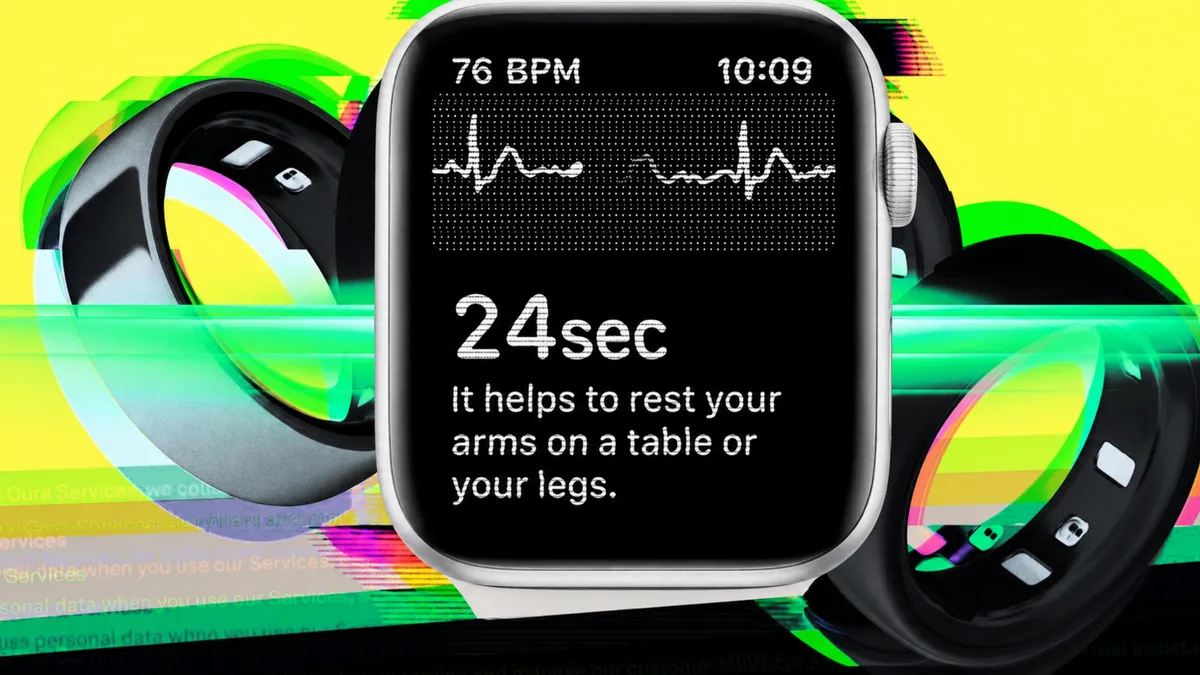
I haven’t thought about the privacy issues surrounding professional athletes and wearables.
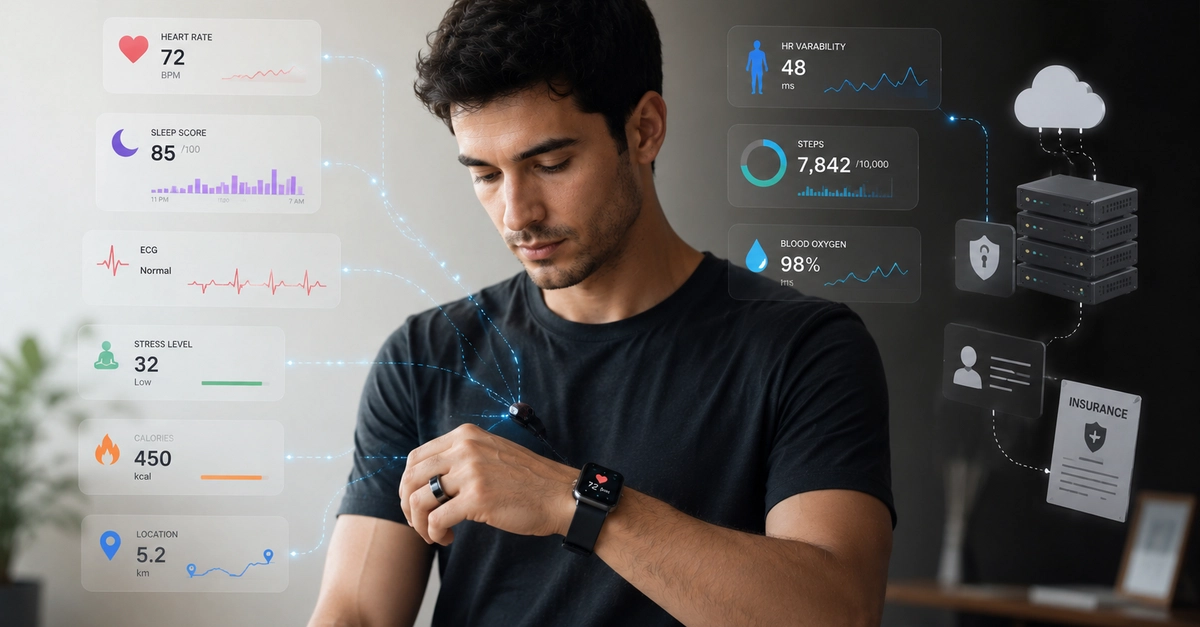
Wearables present serious privacy issues for “Average Joe” consumers, who are entrusting tech companies to safely store and protect their biometric data. Imagine the stakes for a professional athlete, whose entire livelihood could be affected by a single biometric data point. To give one of many realistic hypotheticals: a basketball player has a terrible game, and the coach wonders if they showed up to the gym hungover. The coach has access to the player’s wearable data, and checks to see when they went to sleep, as well as what their heart rate looked like during the night. Should the player have been out partying before a game? No. Should the coach be able to surveil them? Definitely not.
It will not surprise you to learn that there’s an emergent gambling angle here: sports leagues would love to commercialize players’ biometric data, and sharp bettors would love access to data about, say, a hungover player. “We’re going to get to a spot where people are betting not just on the velocity of the puck that was shot by a player in the NHL playoffs, but on what the heart rate of a certain player is going to be running down the field,” said Helen “Nellie” Drew, the director of the University of Buffalo’s Center for the Advancement of Sport, and a professor of practice in sports law.