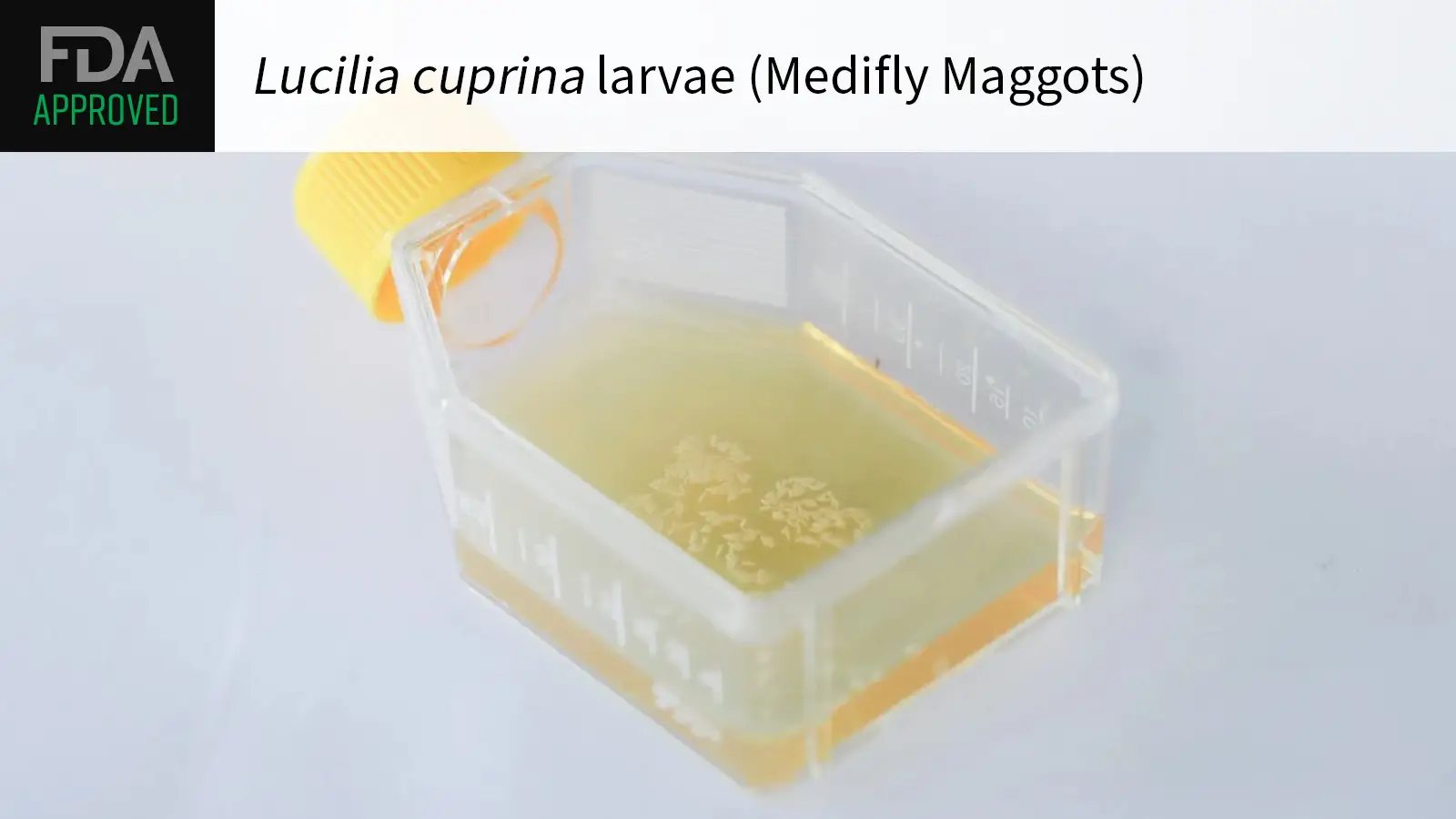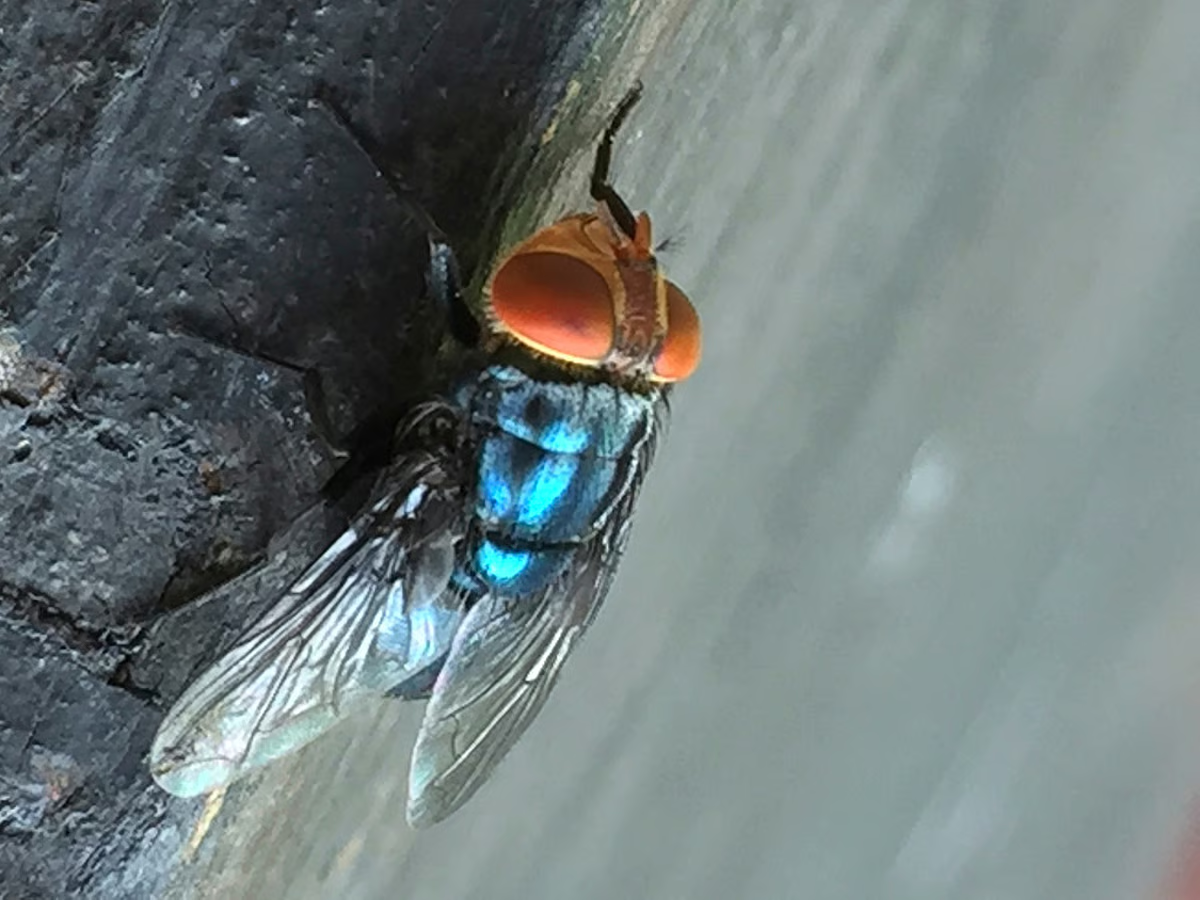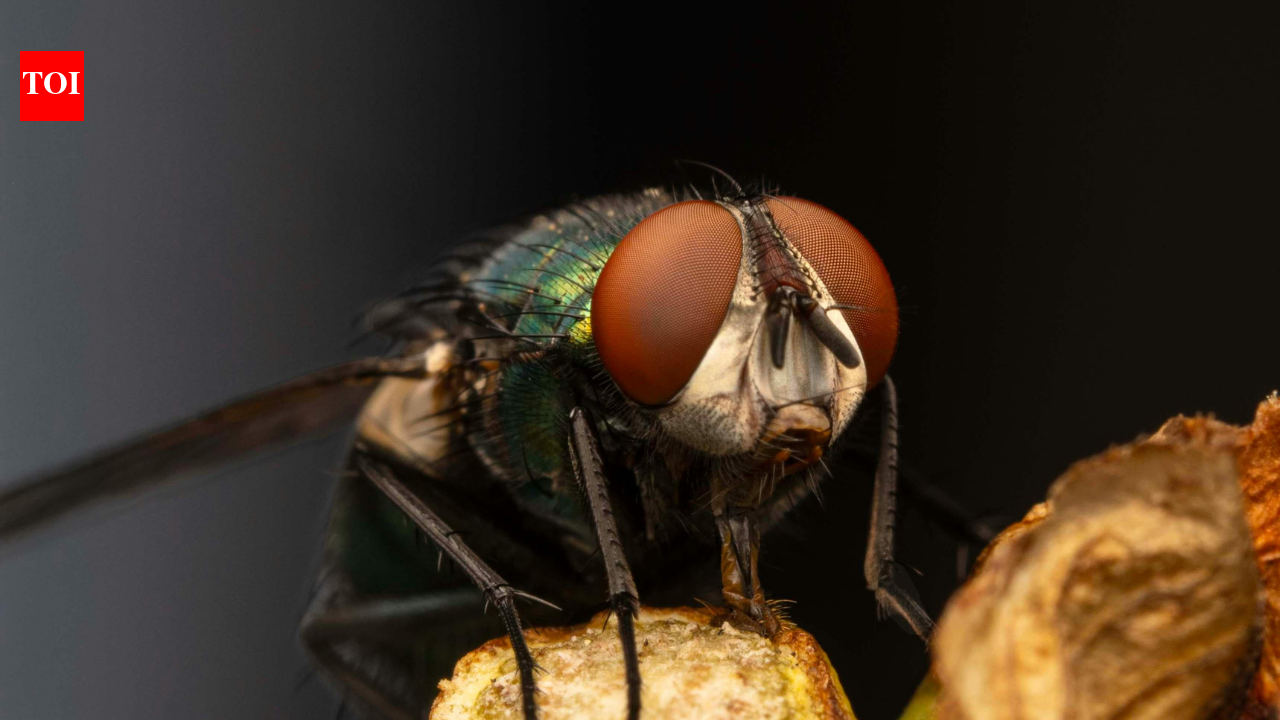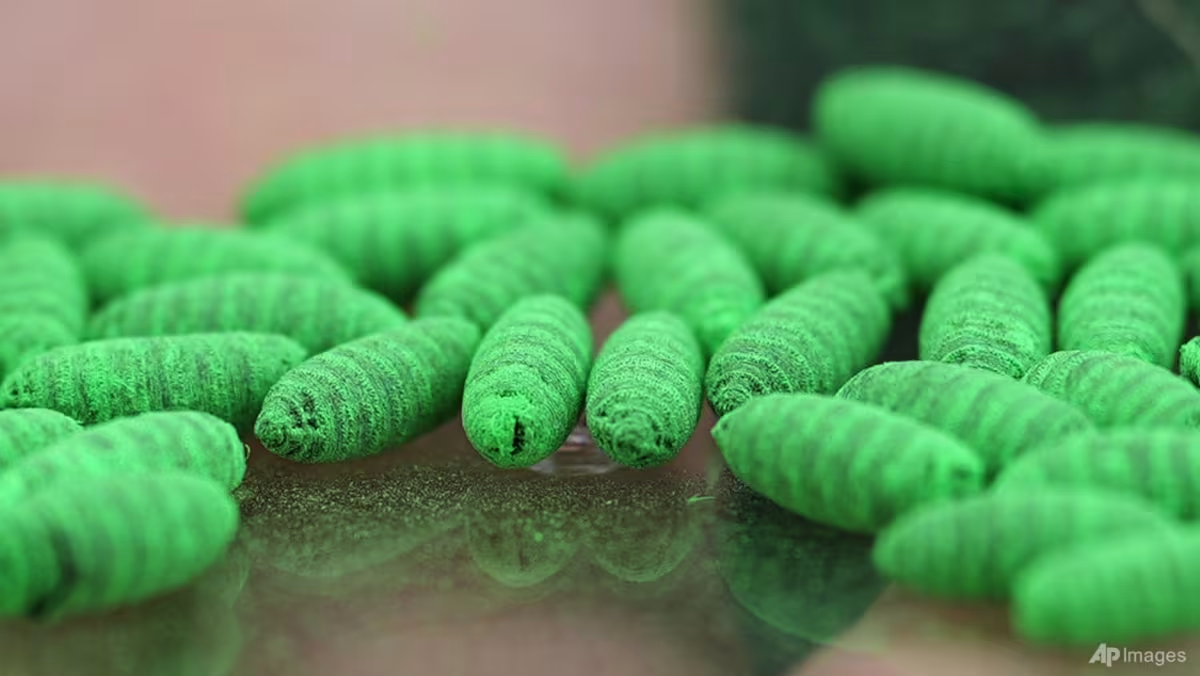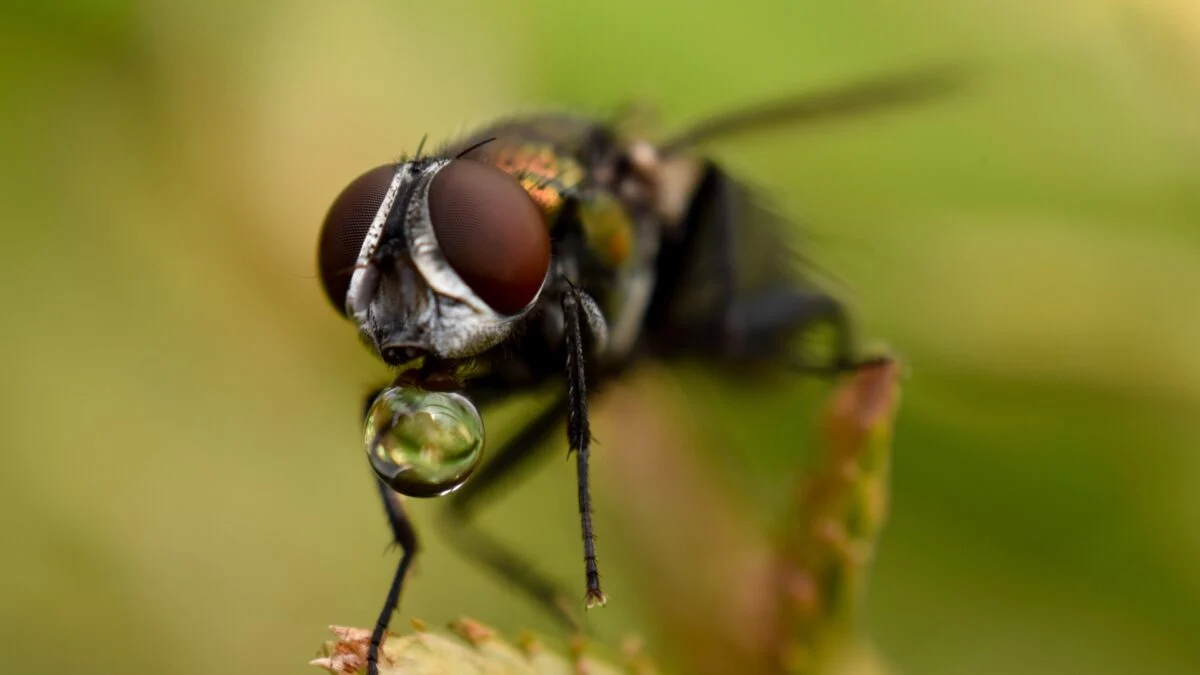
Yes, you read that right. The U.S. Food and Drug Administration (FDA) has given a green light to the larvae of Lucilia cuprina, commonly known as the Australian sheep blowfly, for use in maggot wound therapy. That appears to make it the second fly species cleared by the FDA to help clean dead skin from chronic wounds. The other is Lucilia sericata, also known as the common green bottle fly, which was first cleared for use by the agency in 2004.
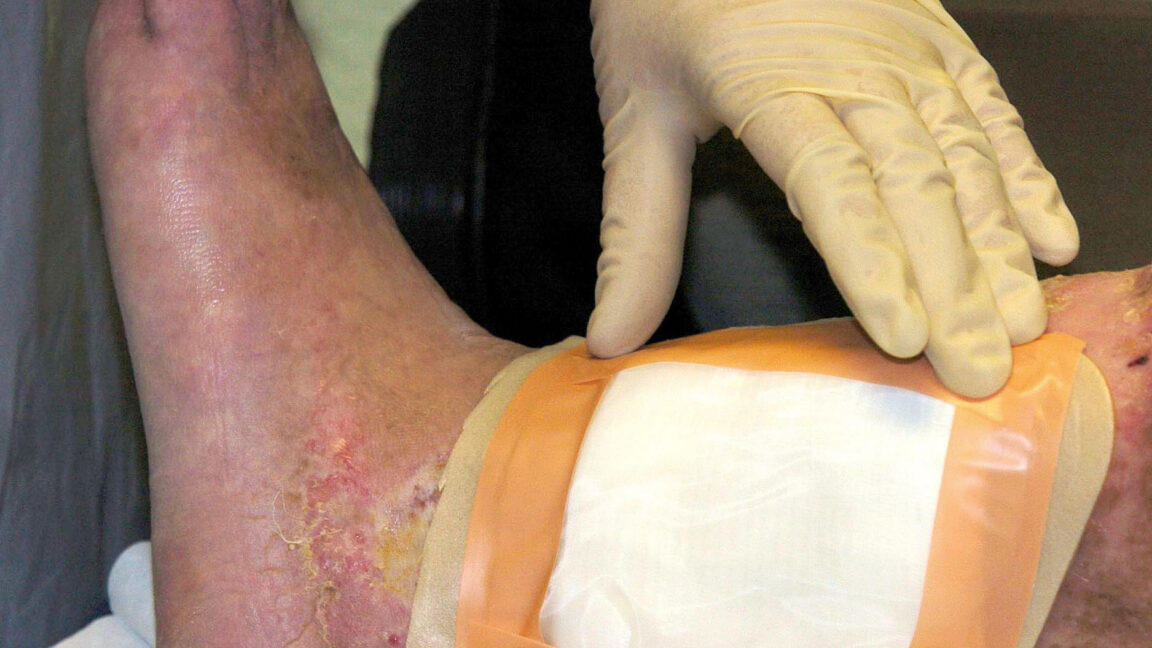
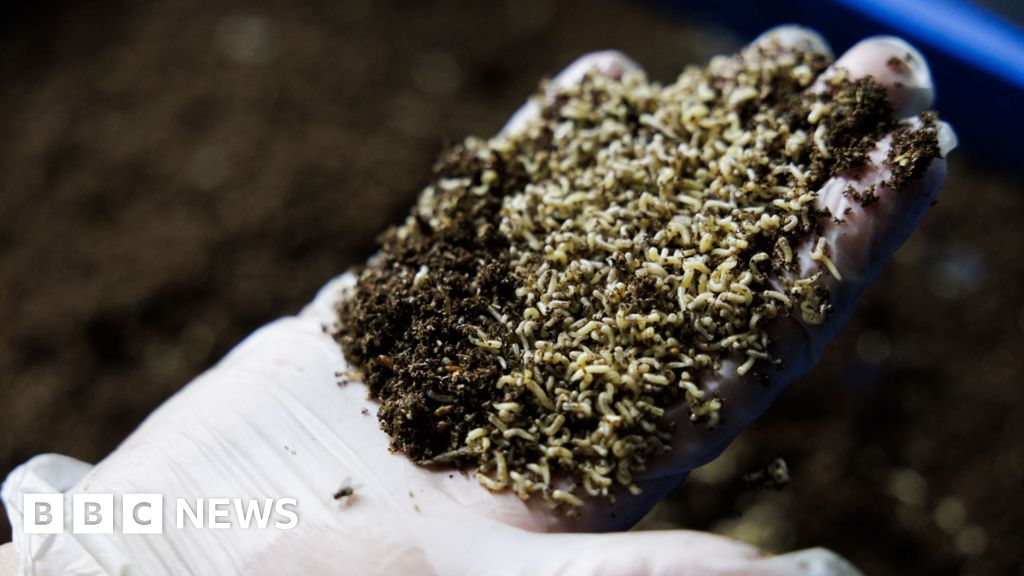
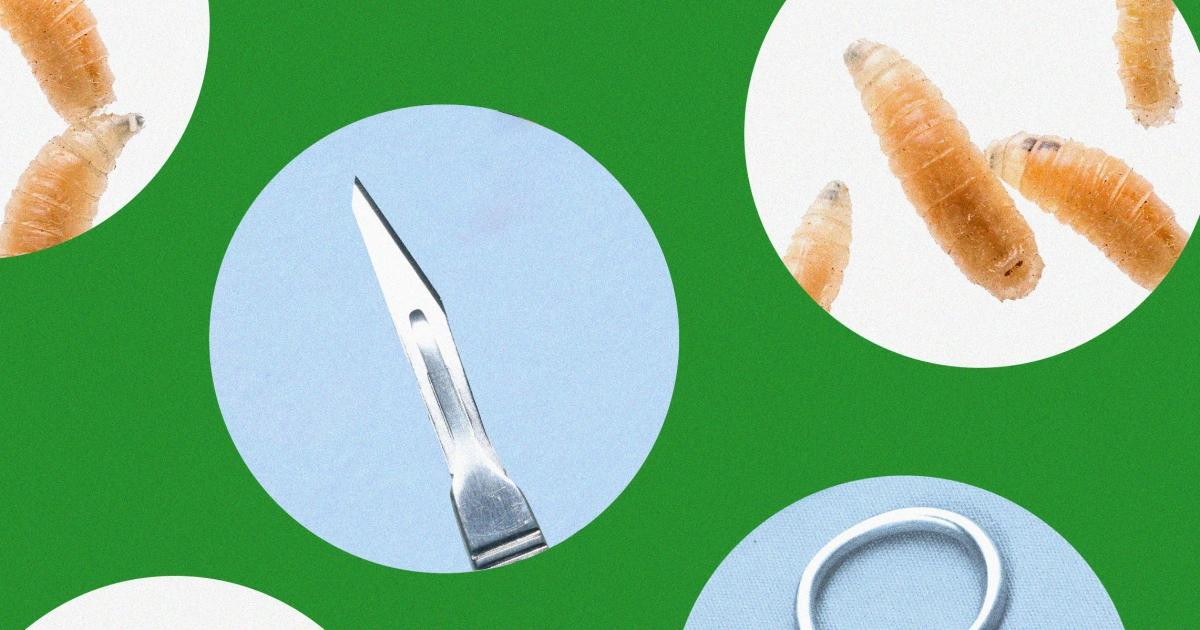
Cuprina Holdings, a biomedical company that makes products for chronic wound care, last week announced that its treatment MEDIFLY Maggots had received FDA 510(k) clearance to use Lucilia cuprina larvae. These specific maggots were approved to remove dead tissue from chronic wounds, including pressure ulcers, diabetic foot ulcers, and wounds that have not healed after an injury or surgery. Known as maggot debridement therapy, the treatment works by applying medical-grade, sterile fly larvae to a wound under the supervision of trained healthcare professionals. According to Cuprina, the maggots secrete enzymes that break down dead tissue, turning it into a liquid that the larvae then eat.
To be clear, the maggot species used for this therapy primarily feed on carrion, or dead and rotting flesh. That is different from parasitic fly species like the New World screwworm, whose larvae feed on living flesh and recently made its way back to the U.S.