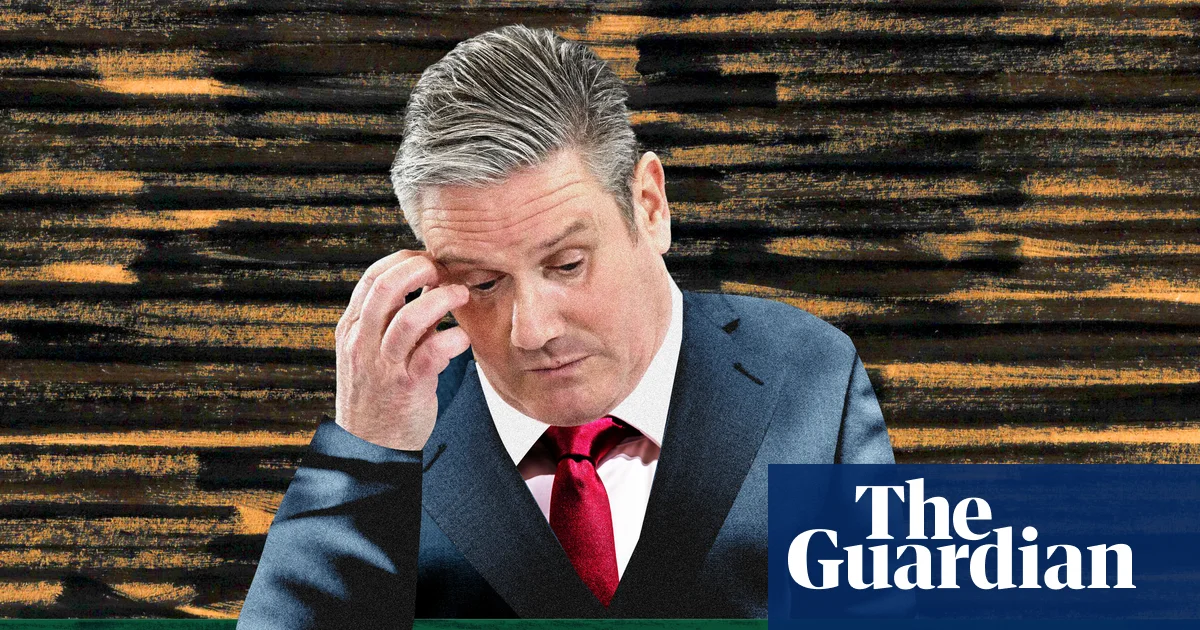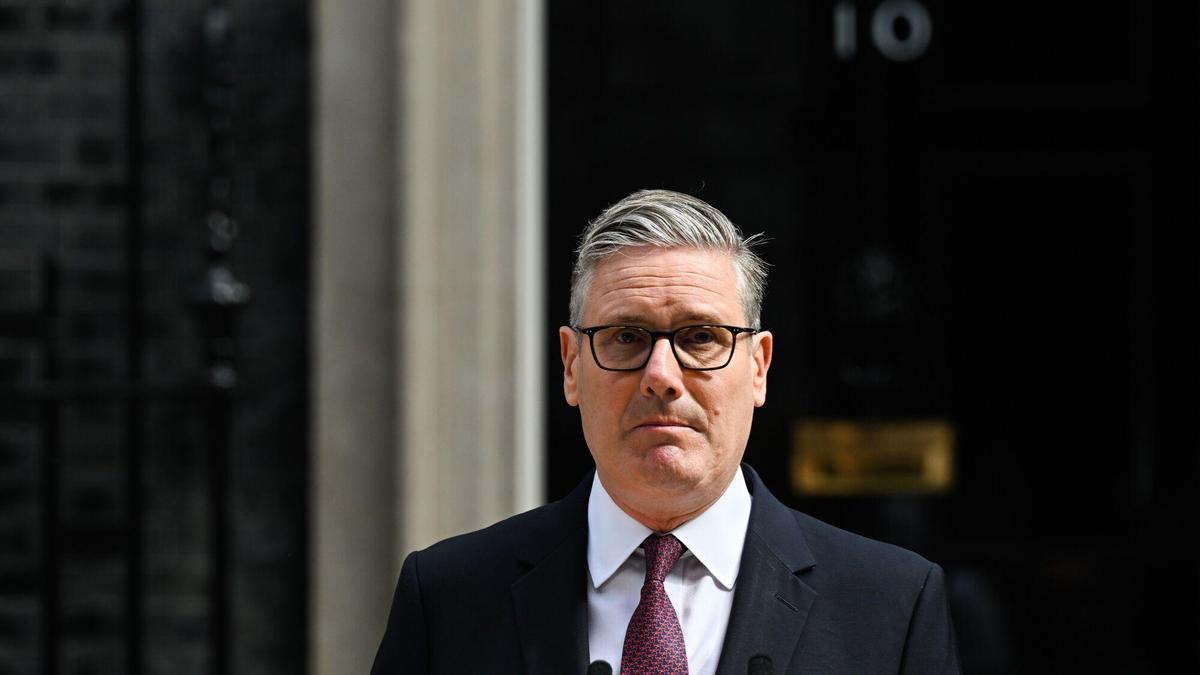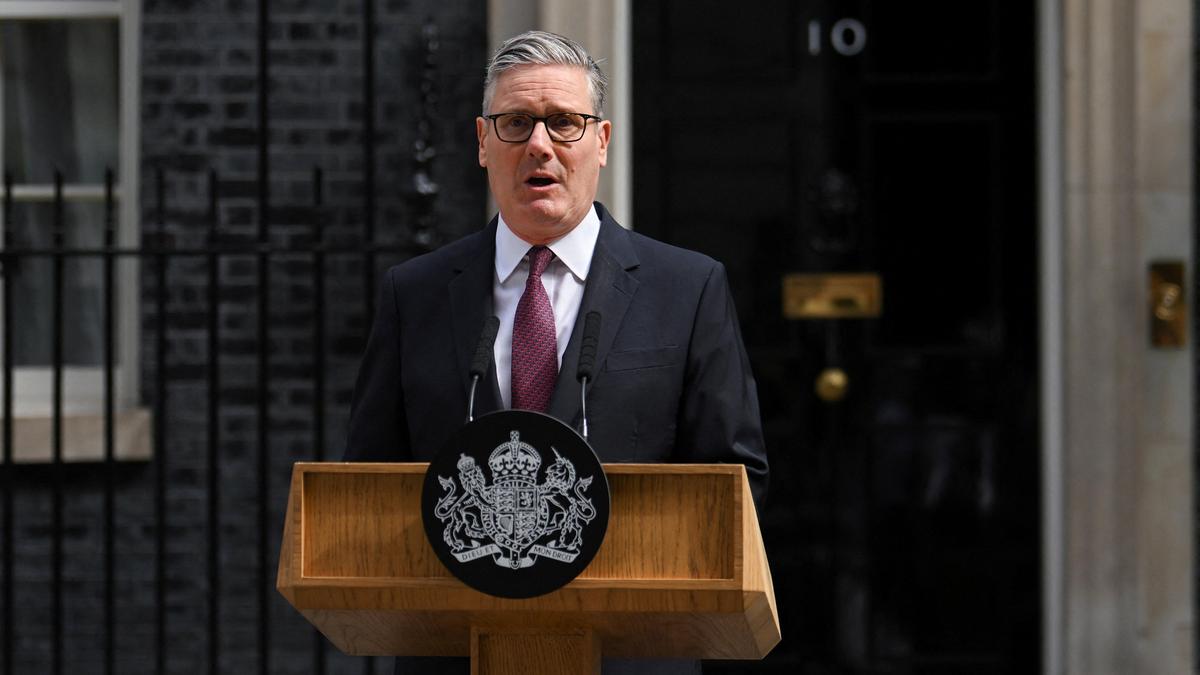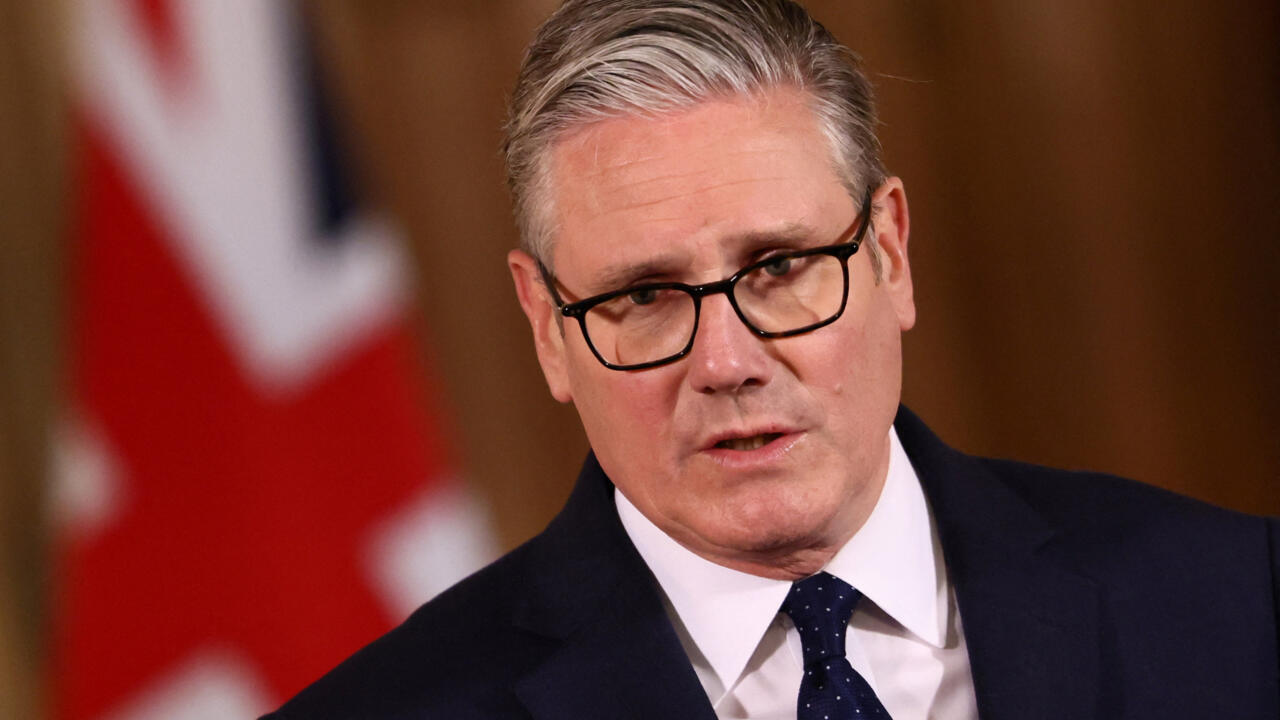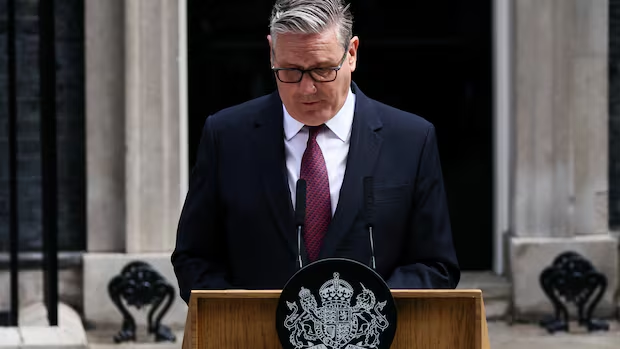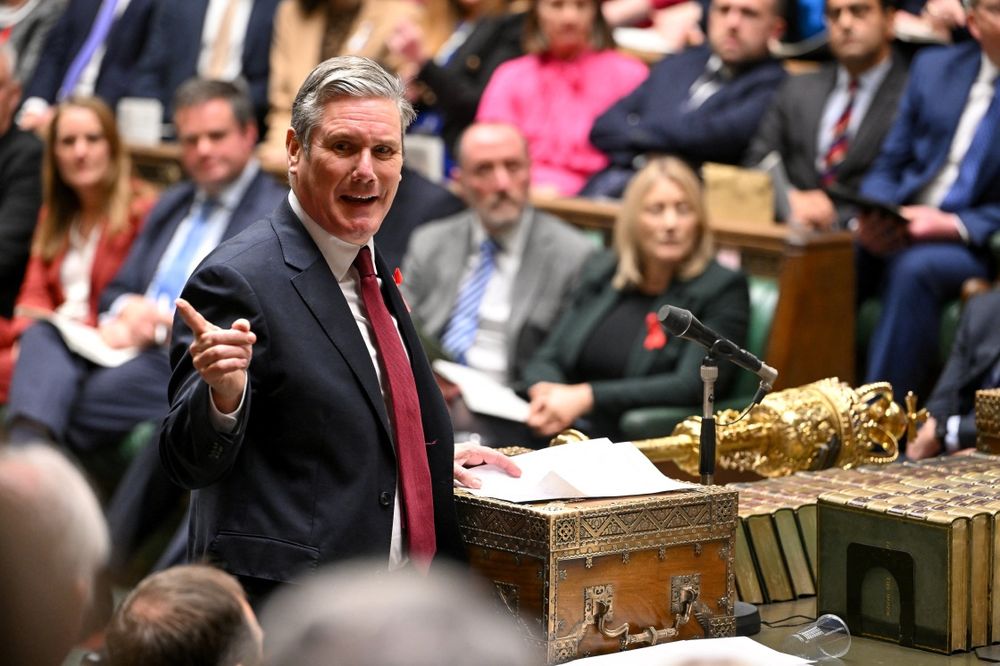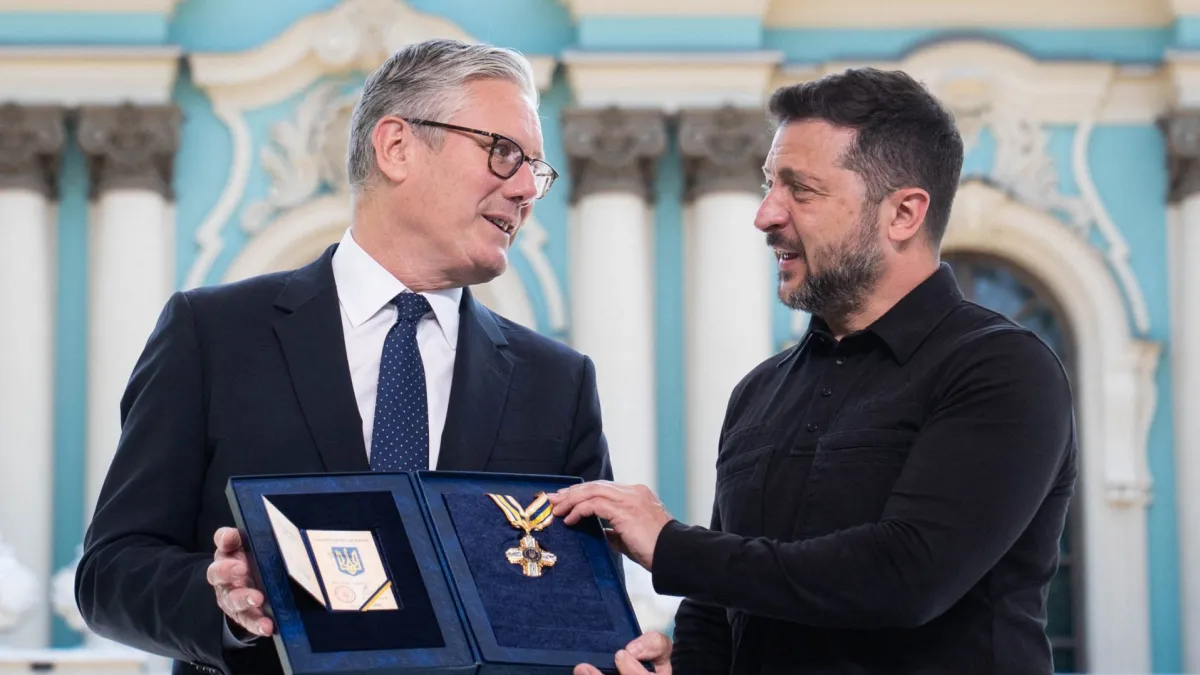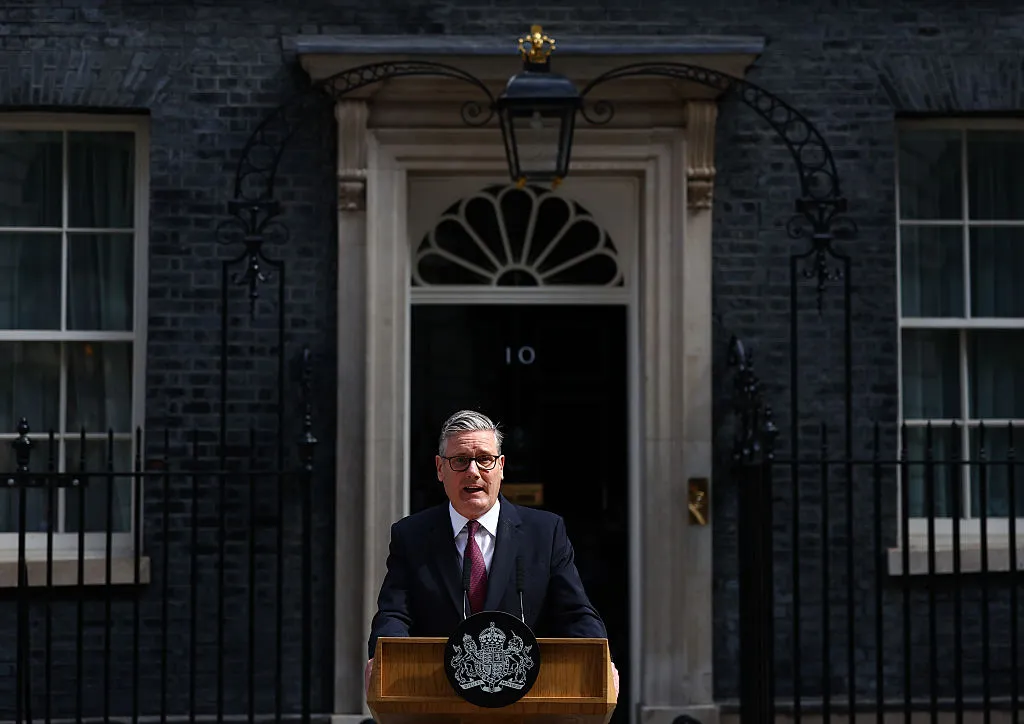
Now that the end has come for Keir Starmer, history can get to work, analysing and anatomising his failures. The central question for posterity: how did a politician win a huge majority yet end up powerless less than two years later?
A lot of the political obituaries will rightly talk about a lack of politics. Starmer just wasn’t interested enough in party politics or, especially, party politicians. His Labour colleagues were not just strangers but strange to him. The tearooms were foreign territory, so their residents were never inclined to do his bidding.
How did a politician win a huge majority yet end up powerless less than two years later?
There will also be a widespread view that he lacked ideas. That’s fair: his preparation for government was woefully lacking, not least in subcontracting policy development to Sue Gray, a career civil servant with no experience of policy development.
But – and I say this as a former think-tank director – it’s possible to overstate the importance of new policy ideas. Even without a treasure chest of clever plans for new policies, Starmer could and should have been a good – if never stellar – PM.