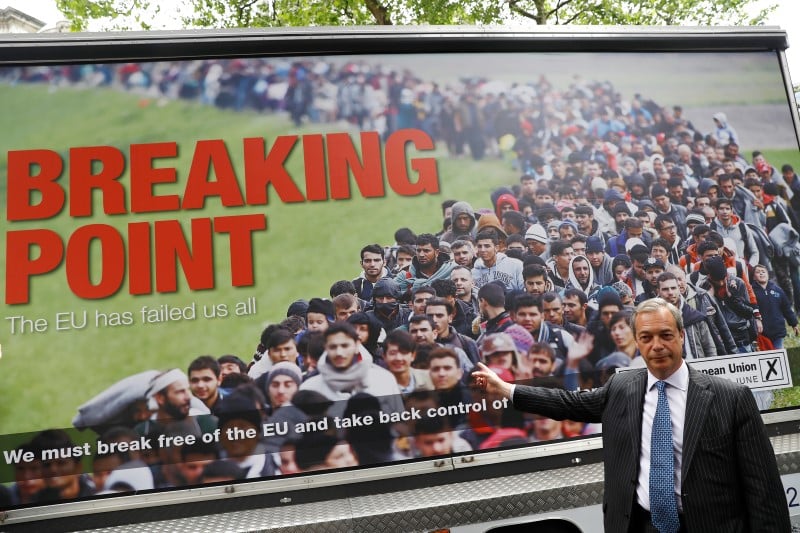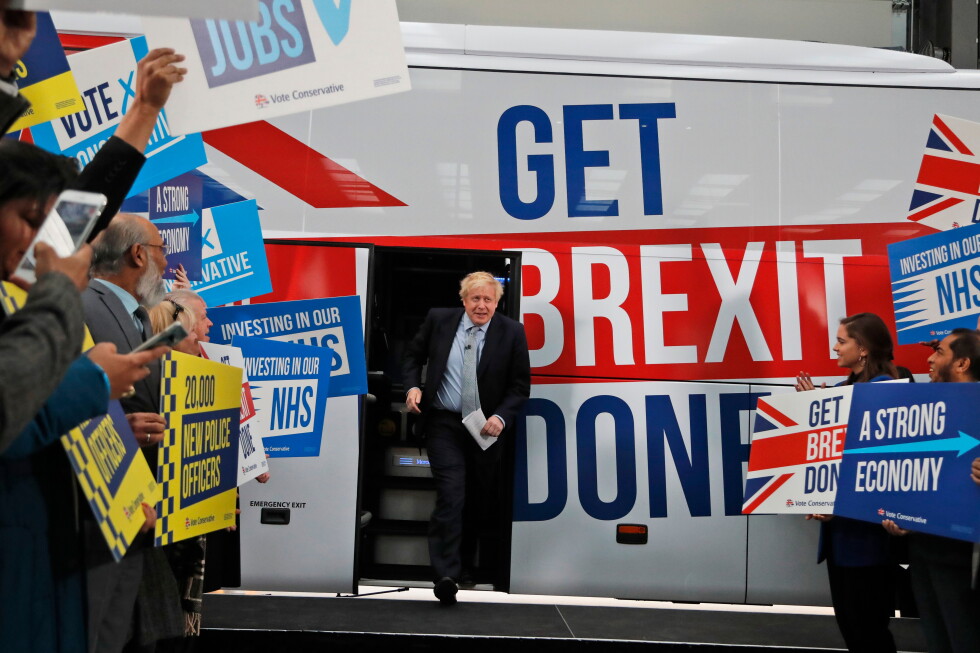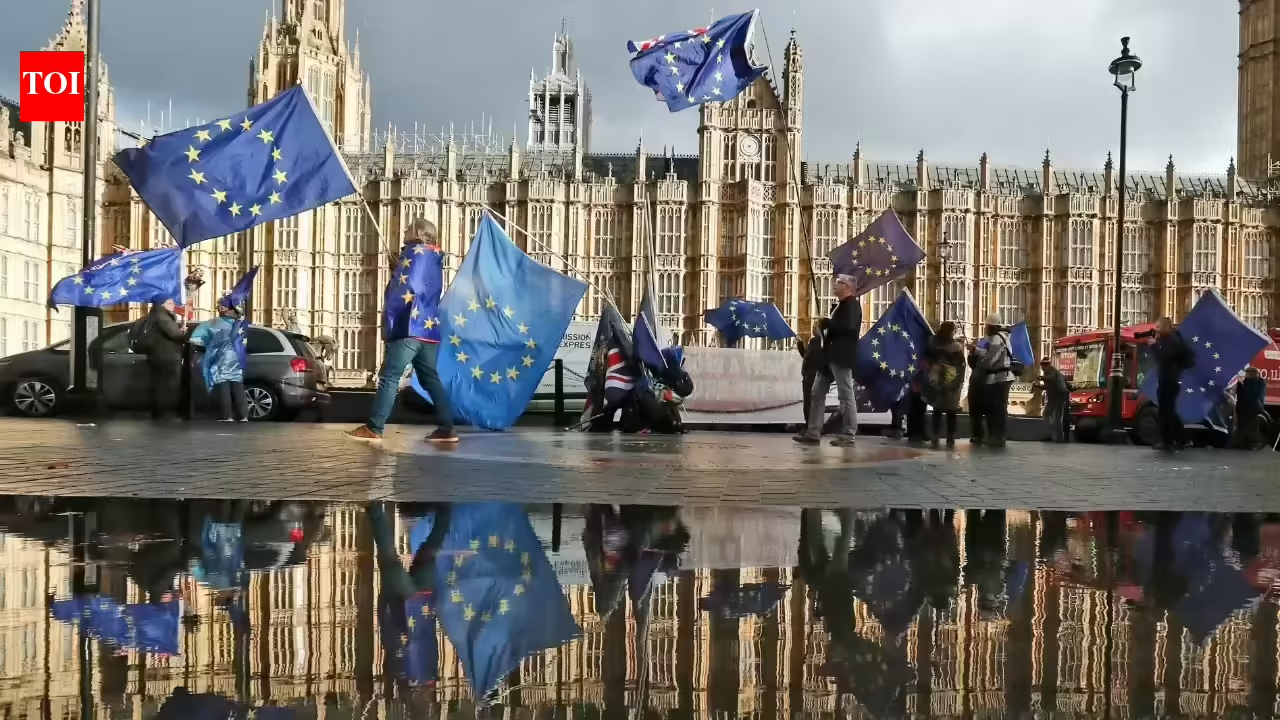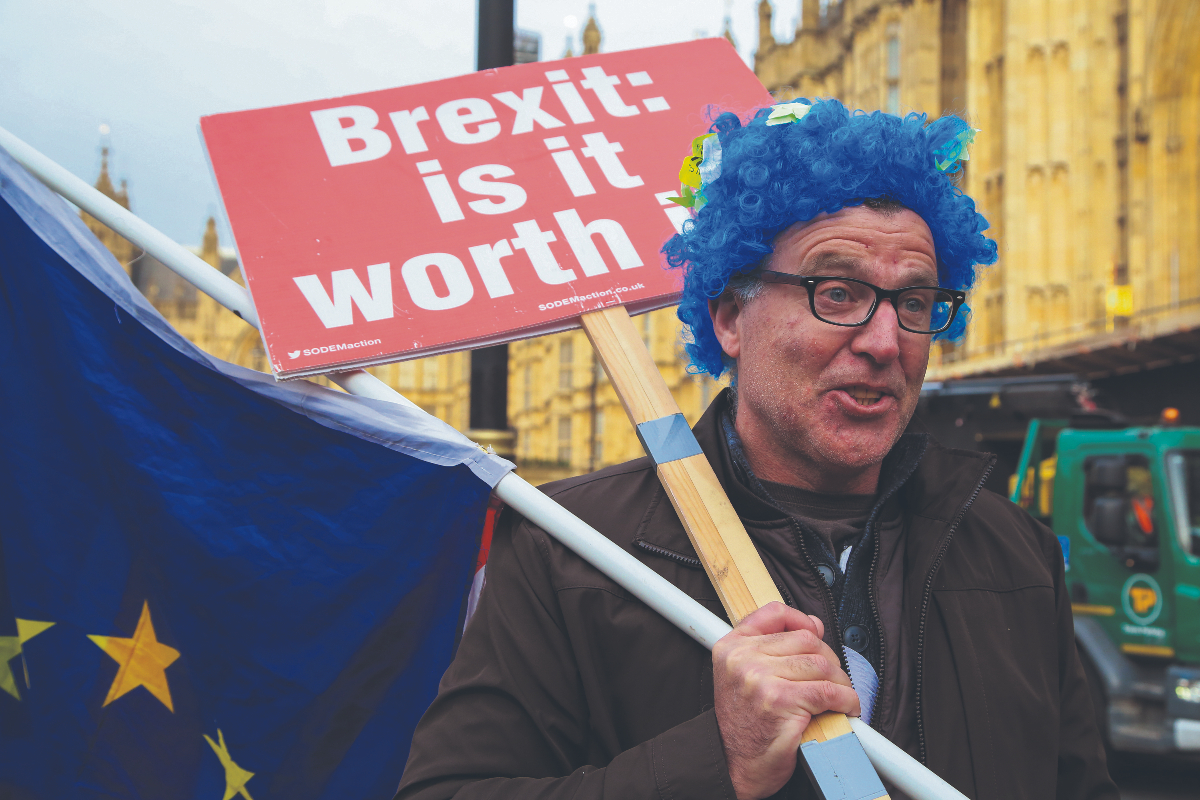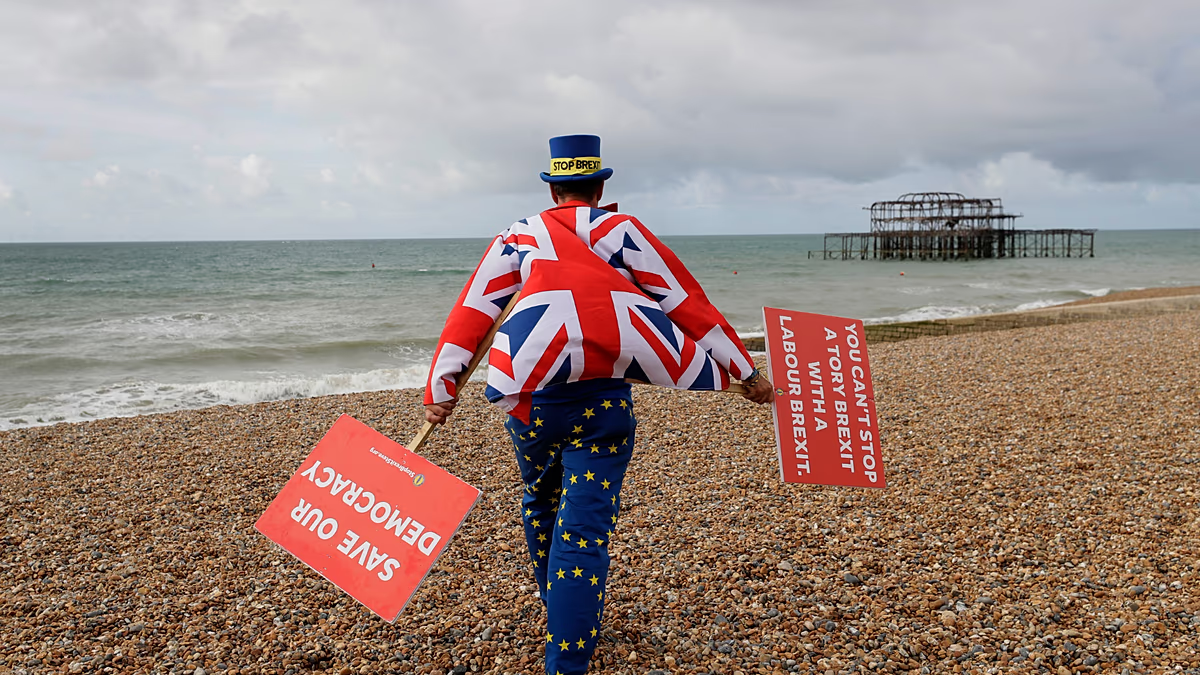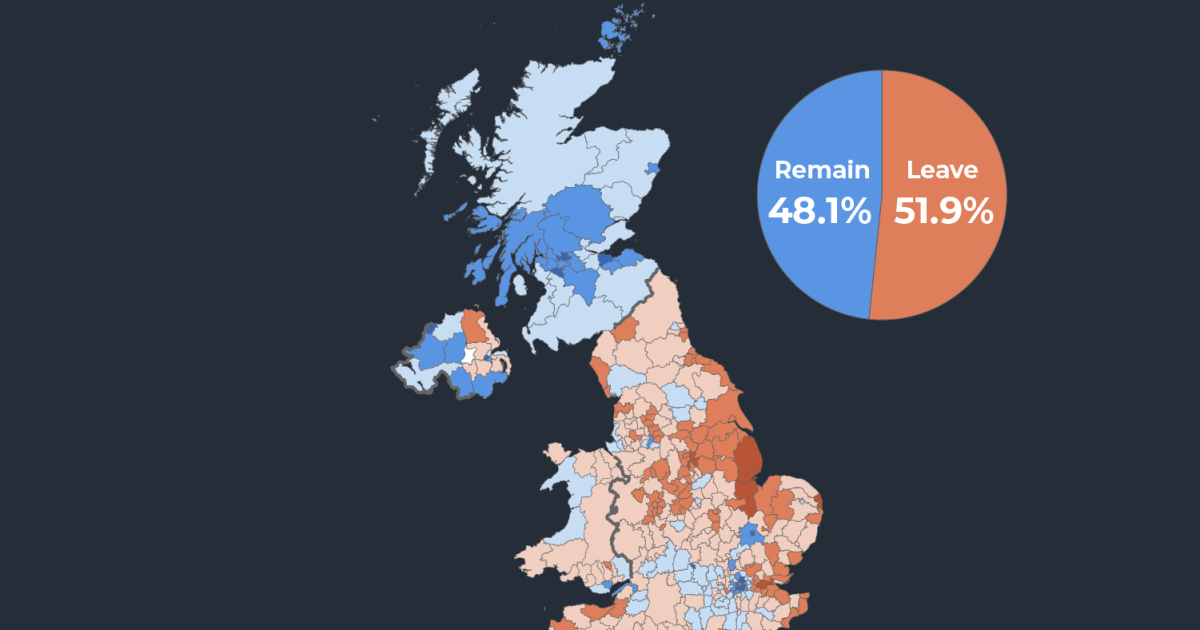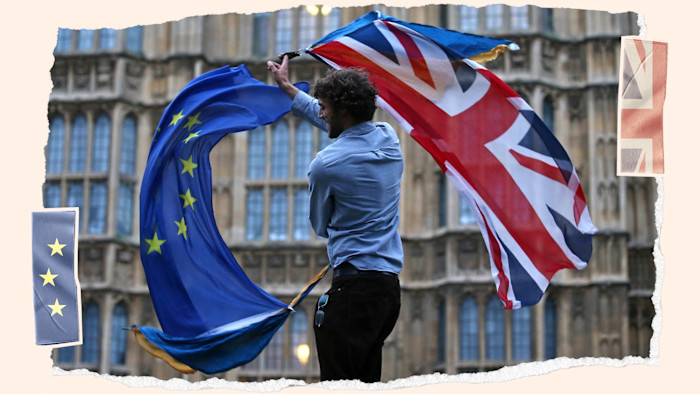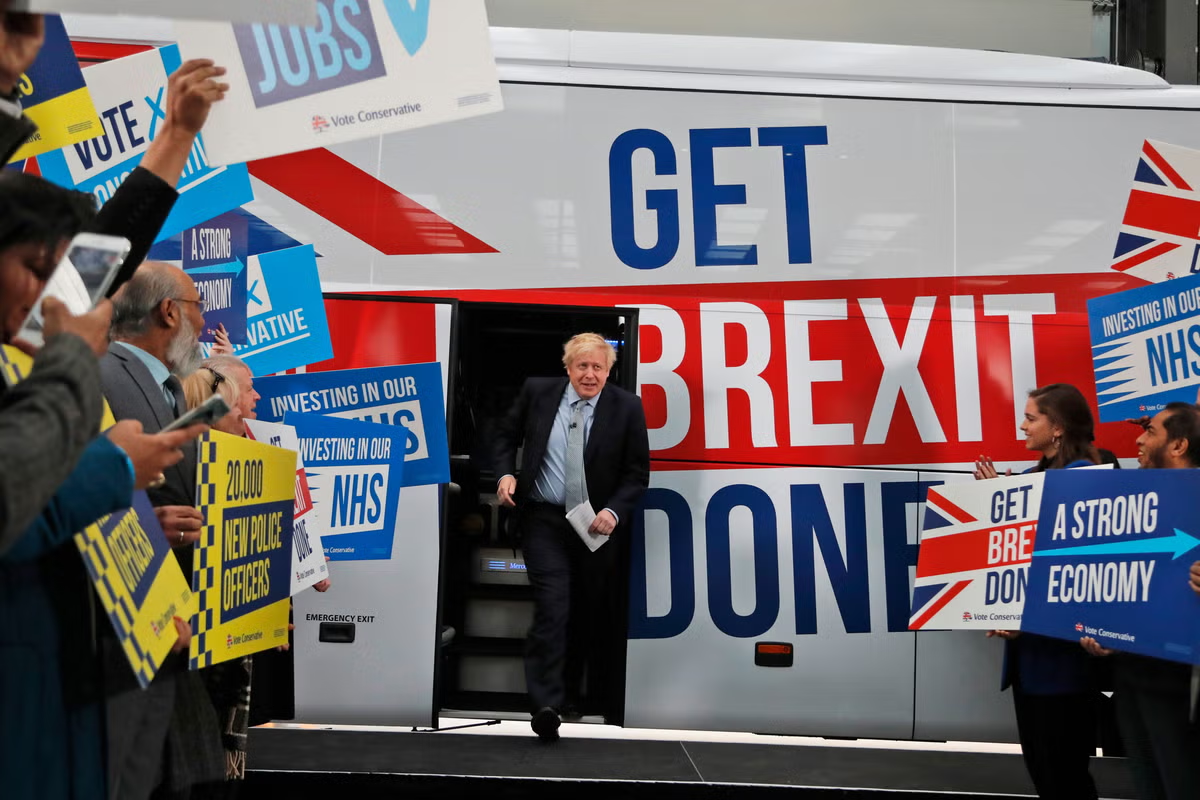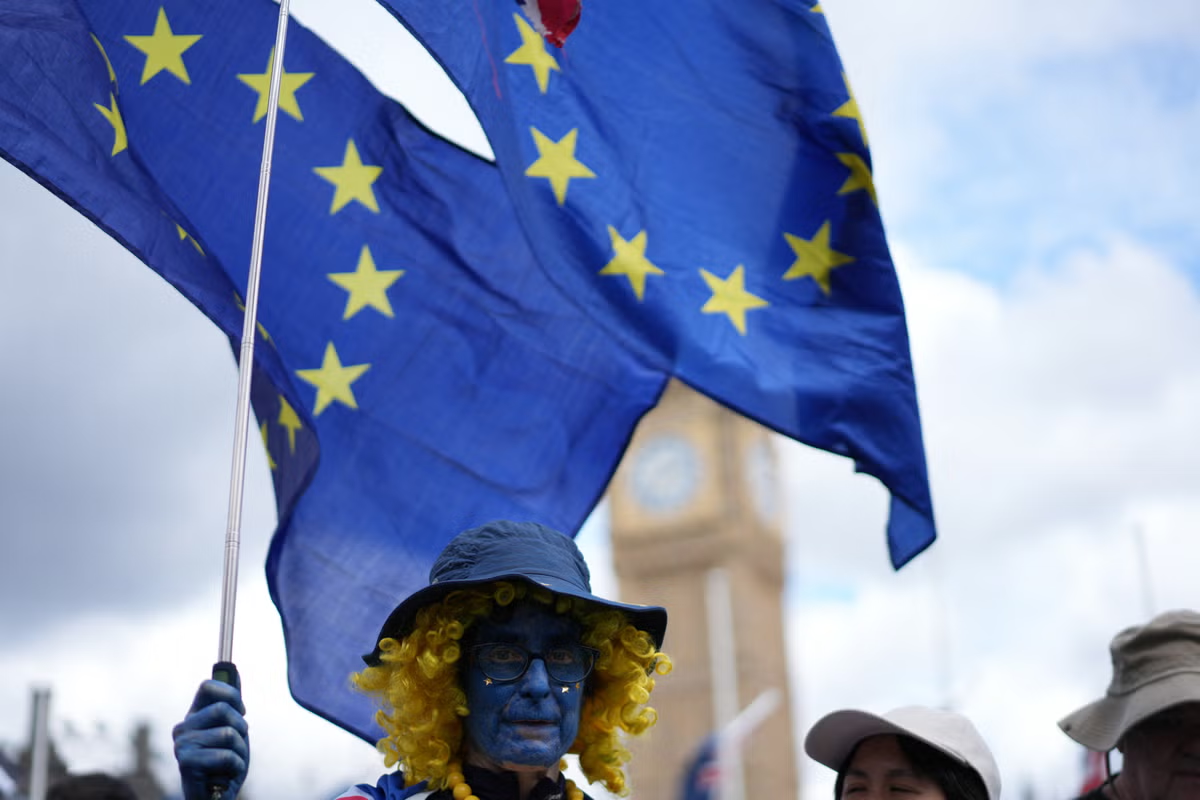
A ten-year anniversary is a good opportunity to look back on an important decision. Whether that was a marriage, a career move or a decision to leave the EU, a decade feels like an important moment for reflection.When the UK voted (narrowly) for Brexit on June 23 2016, nobody really knew what would happen next. After all, it had never been done before.So, what versions of leaving the EU were available at that time?One option was for the UK to leave the EU but remain in the single market, like Norway. Or there was the chance to follow a more radical path and seek to mirror the economic example of Singapore. Another alternative was to move for much greater alignment with the US, like Canada or Mexico.None of these things happened – but what if they had?The Singapore versionTurning the UK into “Singapore-on-Thames” would have seen Brexit turn to an economic model of low taxes and light regulation. This radical-but-simple idea called for global unilateral free trade, with the UK removing tariffs so it could buy the cheapest possible goods and services from all around the world.As one of its key proponents acknowledged, this option would have marked the end of most UK manufacturing. There would have been no need for a car factory in Sunderland or British steel plants, when both products could be made much cheaper elsewhere.Nor would there be much need for British farmers, other than for produce that is cheaper to source in the UK, like root vegetables and cabbages.But importing cheap goods might have provided the UK economy with a valuable opportunity to specialise in sectors such as financial services, AI or bio-technology.A similar thing happened to the UK after China’s exports started to fill the world when it joined the World Trade Organization in 2001. It has even been argued that Chinese imports helped British firms produce more affordable goods and services – and so created more jobs than they destroyed.If it worked, Singapore-on-Thames would have had a genuine competitive advantage in a world stuck in escalating trade wars. And the UK economy would be driven by new technologies, delivering much-needed growth.But it also would have been incredibly risky. The UK’s largest trading partner, the EU, has strict regulations on product safety and rules of origin. It is likely that unilateral-free-trade Britain would only be able to export its services and intellectual property. And Donald Trump would have probably tried to punish the UK for trading freely with China.One option was for the UK to leave the EU but remain in the single market, like Norway (AFP/Getty)UK citizens would also need to be comfortable with foreign standards on health and safety, including for food (like chlorinated chicken) – or, indeed, no standards at all.But in terms of potential gains from Brexit, this is probably the only version that would have provided the possibility of economic benefits over EU membership.The Norway wayThis option, often described as a “soft Brexit”, would have focused on the gains of sovereignty on non-economic issues while minimising the economic costs. The prospect of being more like Norway was even floated by Nigel Farage.As members of the European Economic Area (EEA), the UK would own its own fish, sign its own trade deals and not be bound by further EU integration. But it would also continue to trade almost as before with its neighbours.In some ways, this Brexit would have been the easiest one. EEA membership involves following EU rules and regulations without having a say on them, but this is largely what the UK has done since Brexit anyway.Following Norway could have made the UK a richer and more efficient country. All of the time and energy that British politicians and civil servants now spend on finding ways to work with the EU could have been redirected to domestic policies.British industries would now be busy with Europe’s rearmament effort as Norway’s already are. They would have first-tier access to the EU’s new €150 billion (£130 billion) defence fund – into which the UK can, in reality, only negotiate in piecemeal fashion.British supermarkets and manufacturers would be seamlessly plugged into ever more integrated European supply chains, while tourists from the UK could cross EU borders easily.However, as much as EEA membership gives access to the single market, it is not quite the same access that EU members enjoy. In some ways, the Norwegian version is just a bit boring. The UK would have lost some of the benefits of EU membership in exchange for some (mostly symbolic) sovereignty.American dreamThe paths to a Singaporian or Norwegian version of Brexit are effectively still available. But the world has changed so much since 2016 that many assumptions made back then are now way past their expiry date.For example, the referendum was held during a time of extremely cordial relations between Europe and the US. Since 2011, the two blocs had been working on a trade and investment partnership, and Barack Obama was an incredibly popular figure in Europe.If the 2016 US election had gone differently, it’s easy to imagine Brexit Britain having become a valuable bridge between the two continents. The UK could have been a booming financial hub, helping Europe and the US find their joint interests. The UK could have tried to be like Canada or Mexico, part of the North American free trade area, while also seeking close relations with Europe.But with President Trump’s views on tariffs and Europe, this scenario is simply not available anymore.About the author Renaud Foucart is a Senior Lecturer in Economics at Lancaster University Management School, Lancaster UniversityThis article is republished from The Conversation under a Creative Commons license. Read the original article.The actual versionInstead of these alternatives, Brexit ended up following the path of least resistance.Former prime minister Theresa May started out by setting up the UK’s red lines of leaving all European institutions. Her successor, Boris Johnson, formalised them in a withdrawal agreement, which was then softened by Rishi Sunak.More recently, the current prime minister, Keir Starmer, has started a process to rejoin some EU agreements such as veterinary rules and the academic exchange programme Erasmus+.Meanwhile, the UK has sent envoys to sign a raft of new trade agreements with the likes of Australia, New Zealand and India. But almost everywhere they went, they found a group of EU officials busy negotiating similar deals.Even with these British trade deals, most analysis finds that the UK is now between 4% and 8% poorer than if it had remained in the EU.More British voters appear to believe in ghosts (36%) than think, in hindsight, that Brexit was a good idea (30%). But while some wish to rejoin the EU, the tradeoffs today are different from ten years ago.More British voters appear to believe in ghosts (36%) than think, in hindsight, that Brexit was a good idea (30%) (AFP/Getty)The need for a common security policy on military procurement has become acute, because all of Europe faces a common threat from Russia.The reality of Brexit has also made Europeans more confident in the EU, and the bloc more open to bespoke deals. In 2016, only 33% of European citizens trusted the EU. Now, 51% of them do – much more than they do their own governments. Eurosceptic parties in France and Italy have changed their discourse.Then there is the cost of borrowing money, which is much more expensive now than it was in 2016.Arguably, one of the most frustrating features of governing Britain today is that the bond markets have made doing so a very expensive business. Further EU integration instead of Brexit could have made borrowing cheaper, to the extent that some have suggested the UK should start borrowing in euros, even without adopting the currency.But the EU also misses Britain. While there is consensus in Europe that increasing the freedom to trade within the old continent is a priority to keep its economic relevance, the UK is missing from the table to make that happen.If a British prime minister ever sits down in Brussels to negotiate rejoining, voters will be told the price in detail. The UK would have time to redefine its place in Europe, and try to reshape it in its image.The other option – staying out – still has no definitive price tag attached to it. No one was honest enough to discuss what leaving the EU really meant – which may be why, ten years on, the ghost of Brexit still haunts UK politics.
Three ways Brexit could have been done differently in 2016
When the UK voted (narrowly) for Brexit on June 23 2016, nobody really knew what would happen next
1,412 words~6 min read