Researchers assessed the role of solar PV in Norway’s northernmost settlement’s transition away from fossil fuels, focusing on Arctic constraints such as snow, icing, permafrost, and extreme seasonal irradiance.
The study highlights strong summer PV potential, substantial rooftop resource availability, and clear complementarity with wind and storage within an integrated renewable energy system.
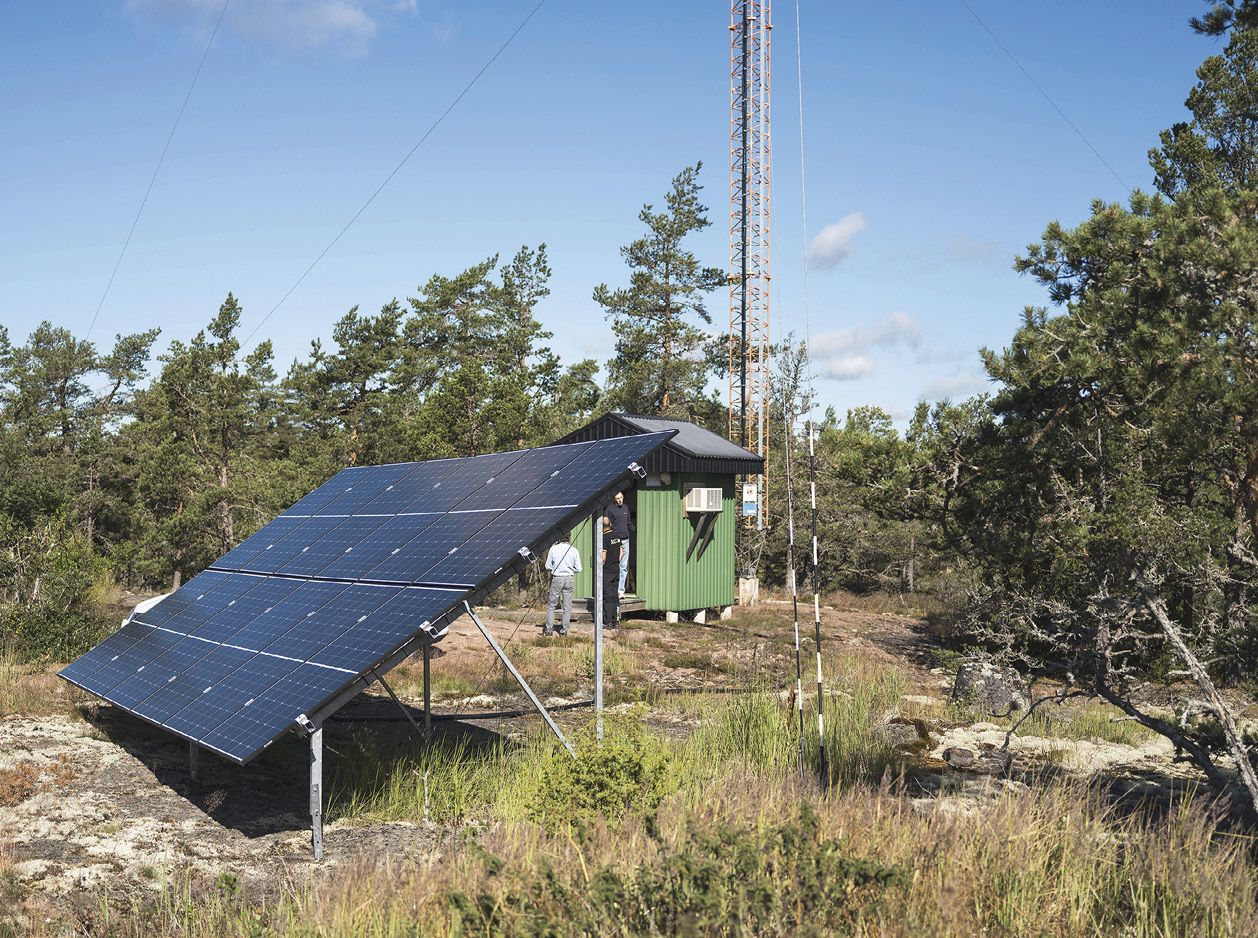
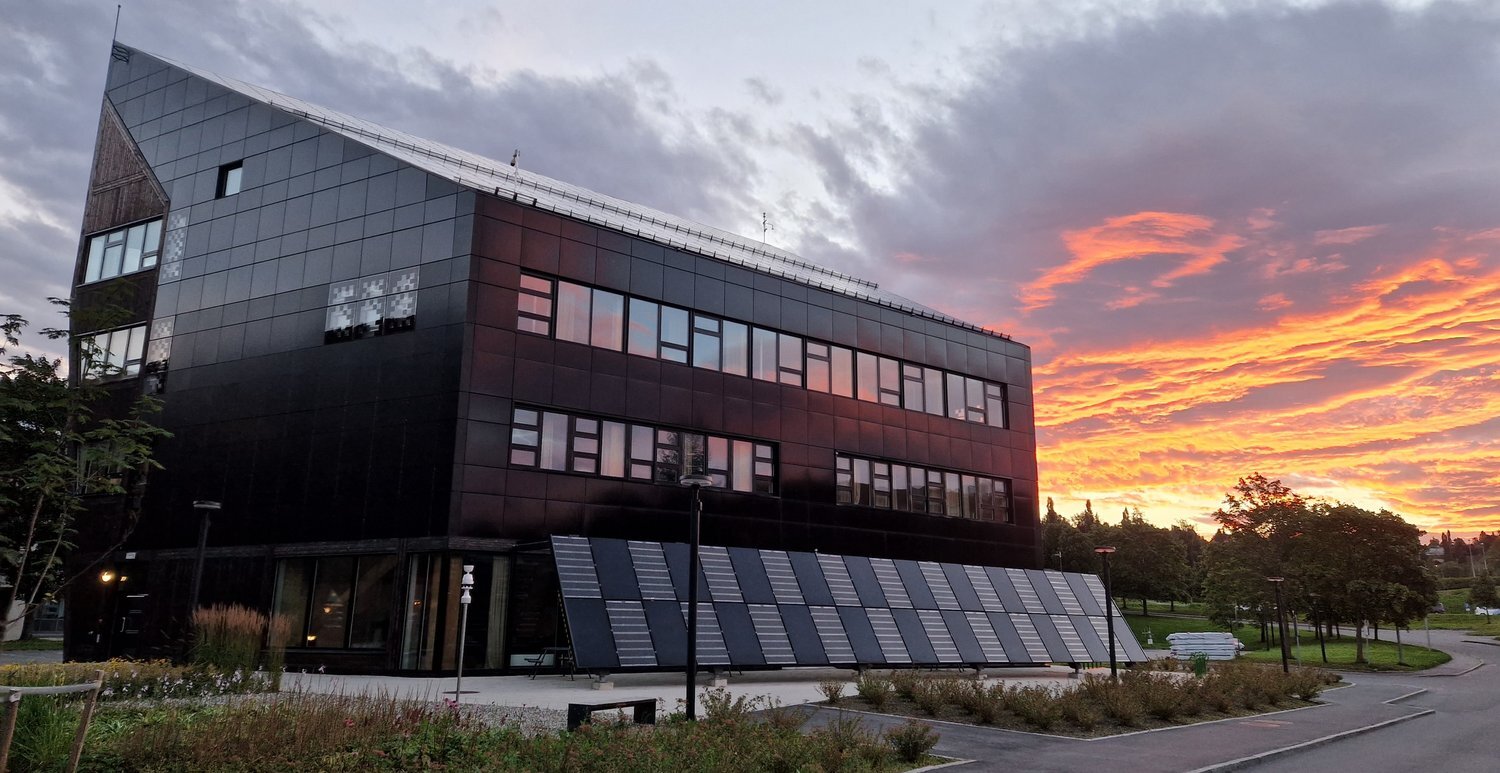
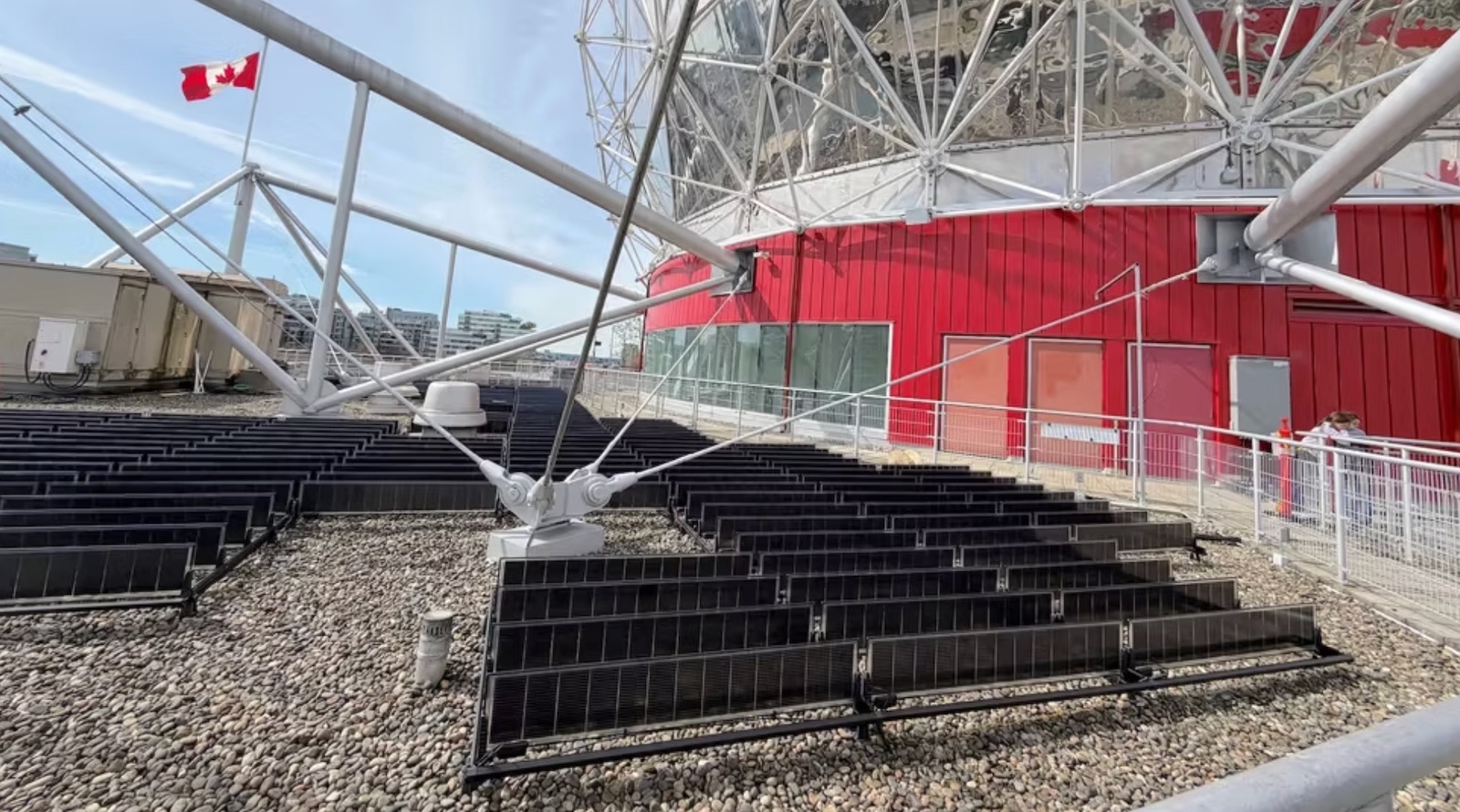
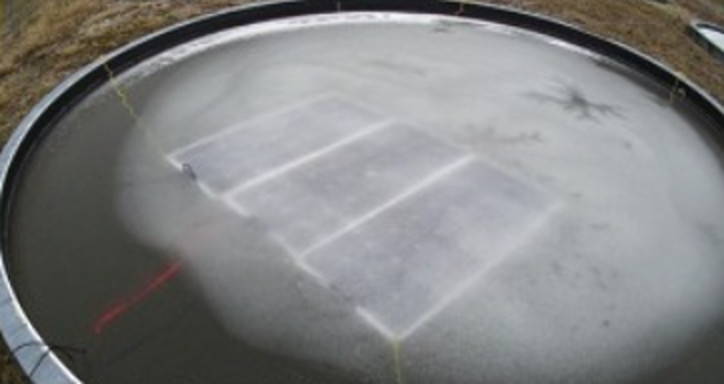
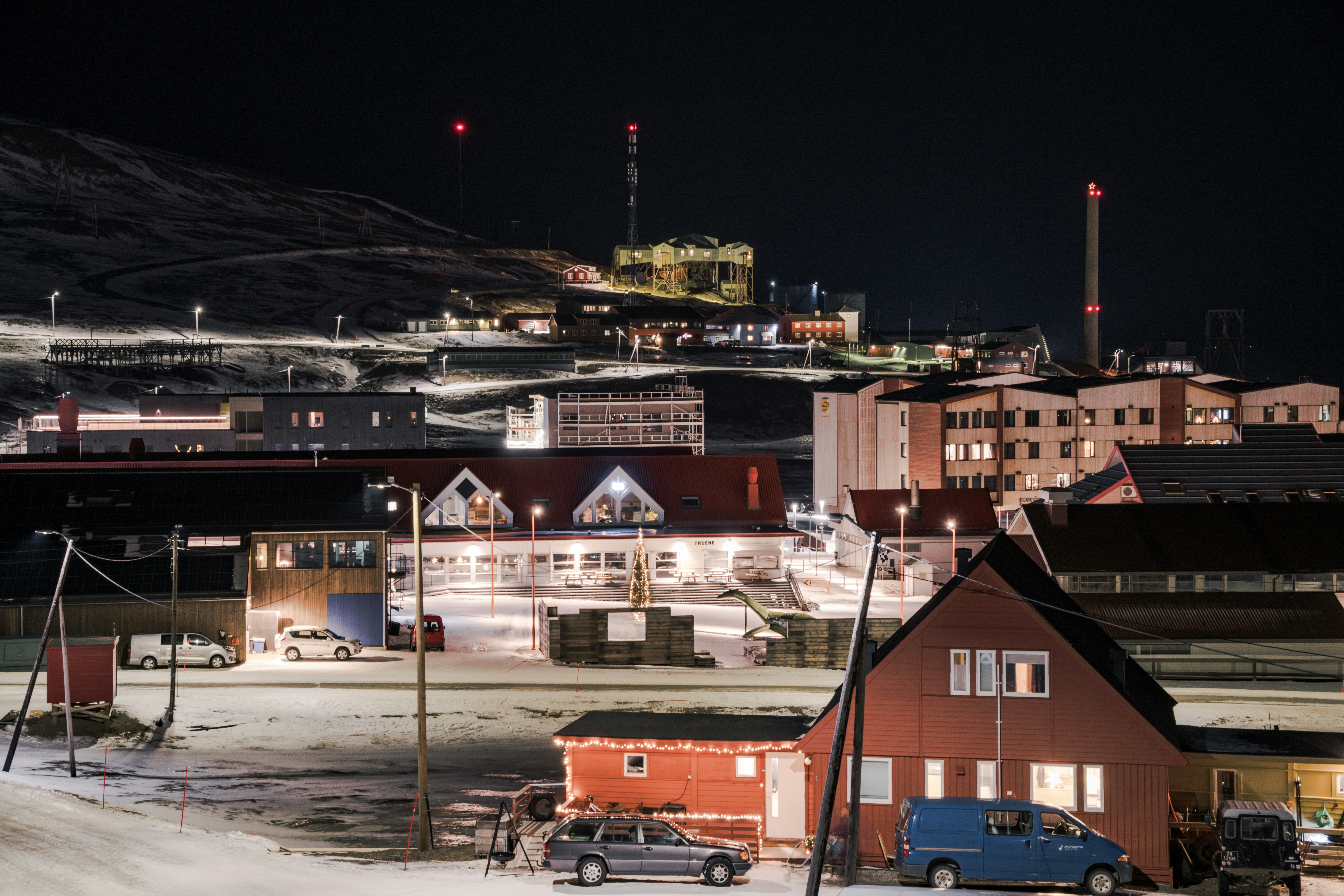
Researchers from Norway’s SINTEF have assessed the potential contribution of solar PV to the transition away from fossil fuel-based energy in Longyearbyen, the administrative center of Norway’s Svalbard archipelago and one of the world’s northernmost permanently inhabited settlements. The study examines how Arctic environmental conditions influence PV performance and deployment, with a particular focus on low temperatures, extreme seasonal variations in solar irradiance, snow accumulation and icing, snow drifting, and permafrost-related ground conditions.
“There is a limited literature on how PV performs and should be designed in extreme Arctic environments,” said corresponding author Berhane Darsene Dimd to pv magazine. “Our work combines solar resource and PV performance analysis with Arctic-specific environmental constraints, real case study evidence, and system-level considerations such as the complementarity between PV, wind power, and storage.”