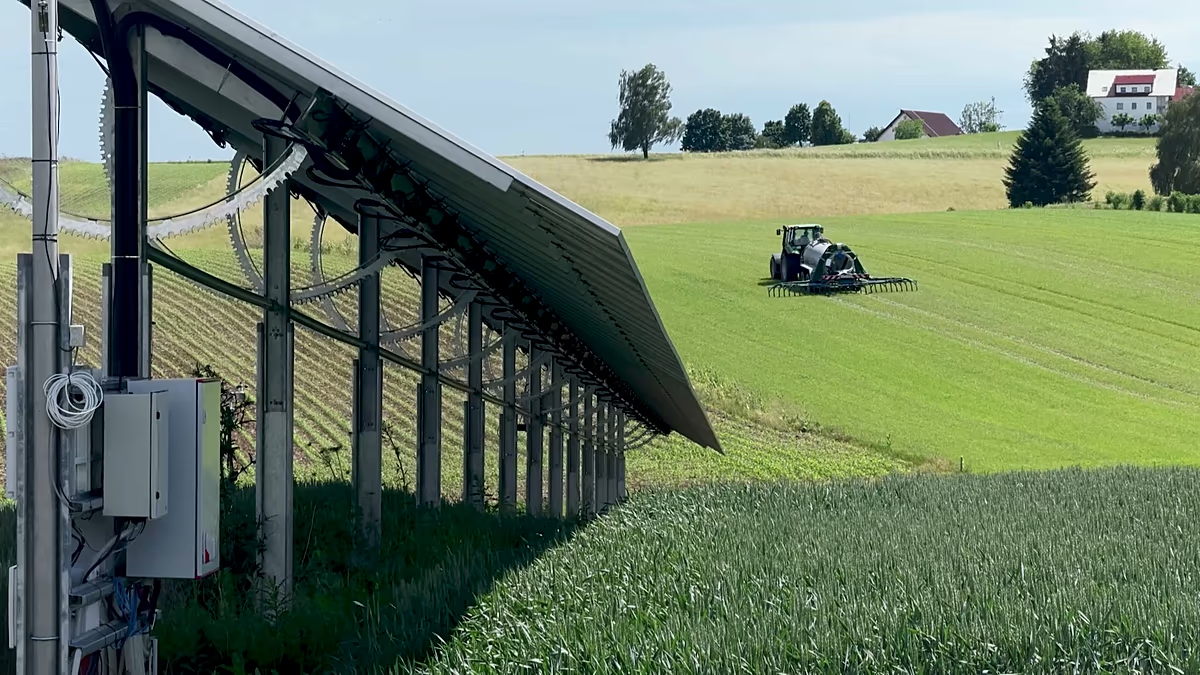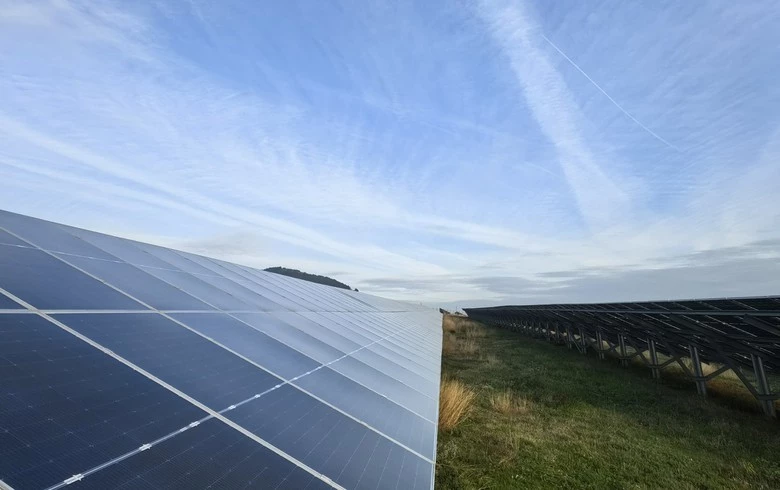
Despite its high-latitude, Finland is poised to build nearly 70 GW solar PV that complements rich wind power resources and outcompetes new nuclear power. A stream of energy system research reveals how the “midnight sun” and deep sector coupling makes solar PV the unexpected summer backbone of the Nordic nation’s carbon-neutral future to form a synergetic basis alongside wind power.
When energy professionals think of Finland, they typically picture snowy winters, vast forests, and a heavy reliance on nuclear power and bioenergy. Solar PV rarely comes to mind as a cornerstone of a Nordic nation’s energy strategy. A stream of energy transition research from LUT University reveals a different future perspective: Solar PV is not just viable in Finland; it can lead the country’s cost-optimal path to a highly renewable energy system by 2050.
Far from being a marginal player, solar PV is projected to become the dominant technology by installed capacity. Across multiple scenarios, Finland’s solar PV capacity is set to expand from nearly 2 GW today to 68 GW by 2050, representing 62% of the nation’s total installed electrical capacity and 30% of the generated electricity.
The different research studies are centered on the main study entitled Energy and industry transition to carbon-neutrality in Nordic conditions via local renewable sources, electrification, sector coupling and Power-to-X and complemented by studies featuring the value of heat pumps, the role of biogenic CO2 and point-source capture, the role of nuclear power, high energy-intensive industry dominance on the case of Southeast Finland, and on the Arctic energy opportunities in Lapland. This recent research stream links to earlier research considering prosumers, electric vehicles flexibility, and fundamental screening for system options.