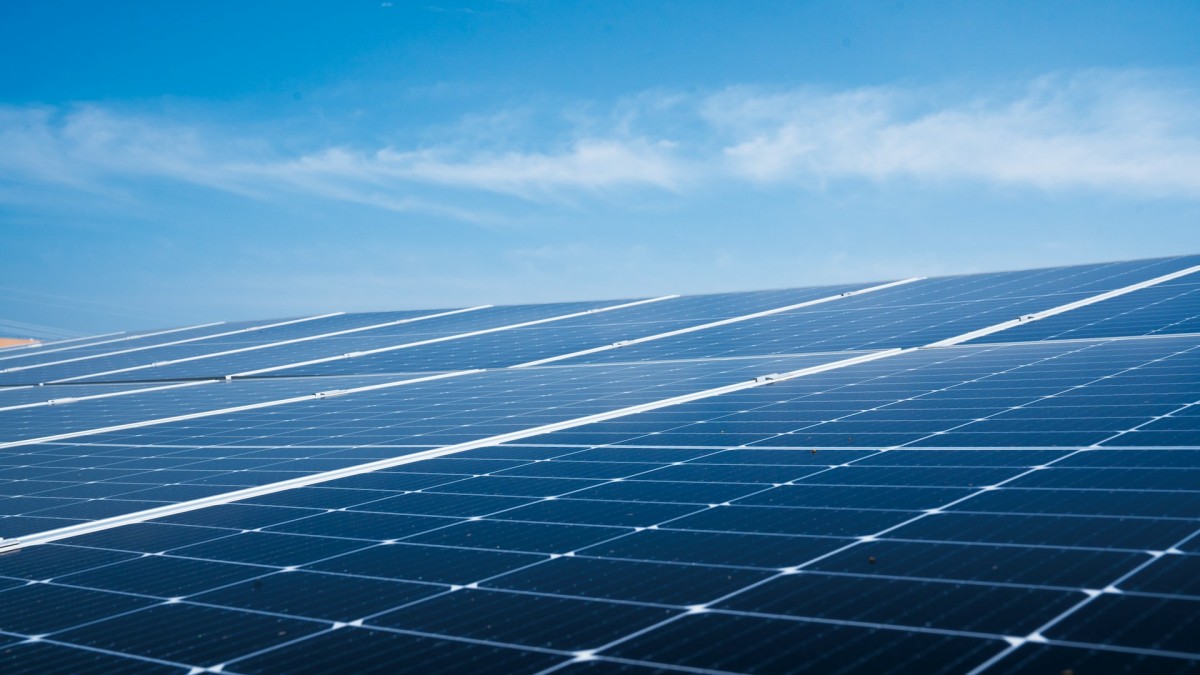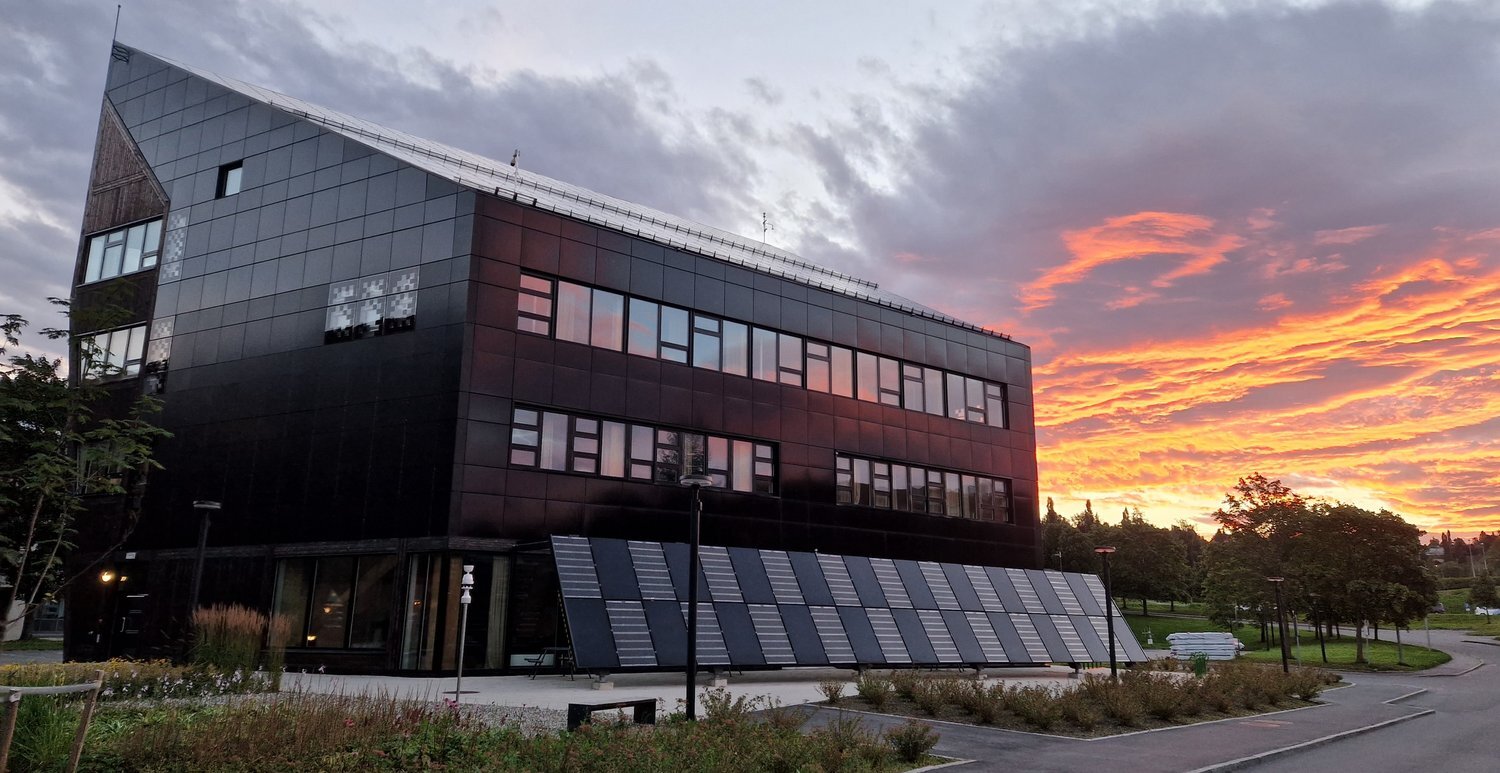
Mounting solar panels on roofs can be a good solution for solar energy in Norway. The photo shows the Zero Emissions Building Laboratory, run by NTNU and SINTEF, Scandinavia’s largest independent research institute. Credit: ZEB Lab NTNU/SINTEF
No matter how you look at it, Norway's future electricity needs will grow. At the same time, the planet is warming at an unprecedented rate. One important way to help halt this trend is electrification, powered by renewable energy. But renewable energy isn't without its costs. Hydropower plants, wind farms, solar installations and even transmission lines all share one common need: land.
How can Norway provide new renewable energy sources to meet future needs while still protecting its natural environment, and the plants and animals that live there?
"A central dilemma is that Norway and many countries need more renewable electricity to decarbonize," said Jan Borgelt, a postdoctoral research fellow at NTNU's Industrial Ecology Program. "But building that infrastructure also affects biodiversity and natural habitats. The energy transition must happen, but where and how we build matters for nature, for biodiversity," he said.
A new study published in Cleaner Energy Systems with Borgelt as the first author has now coupled Norway's projected energy demands up to 2050 with different renewable energy options and the potential impacts on Norway's natural environments.