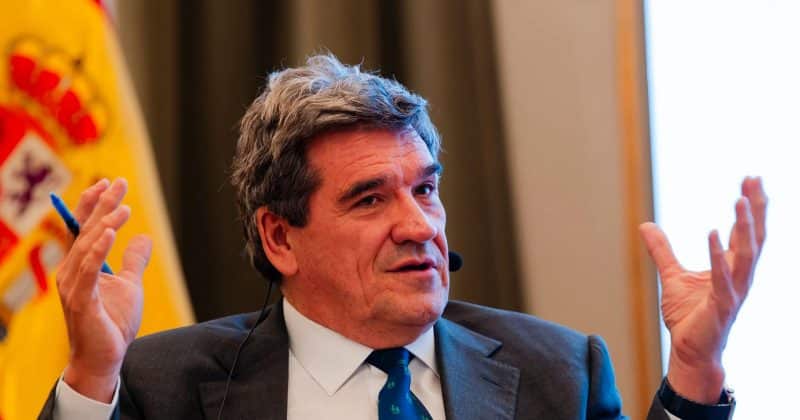
José Luis Escrivá, the Governor of the Bank of Spain and a sitting member of the ECB Governing Council, delivered a pointed warning during a speech in Barcelona on June 18: rising oil prices could eventually bleed into wages and broader consumer prices across the euro area, and the European Central Bank needs to keep a close eye on it.
The concern isn’t abstract. Escrivá specifically flagged the transmission of higher energy costs into the services and transport sectors, two areas where fuel expenses are a meaningful chunk of operating costs.
Second-round effects: not here yet, but not off the table
The key phrase from Escrivá’s remarks is that second-round wage effects “have yet to materialize.” In English: workers haven’t started demanding significantly higher pay to compensate for energy-driven price increases, at least not in a way that’s showing up in the data yet.
He noted that “considerable uncertainty” surrounds the baseline economic scenario for the euro area, driven largely by unpredictable energy developments. Oil production levels, geopolitical disruptions, and recovery timelines for supply are all variables that remain stubbornly hard to forecast.