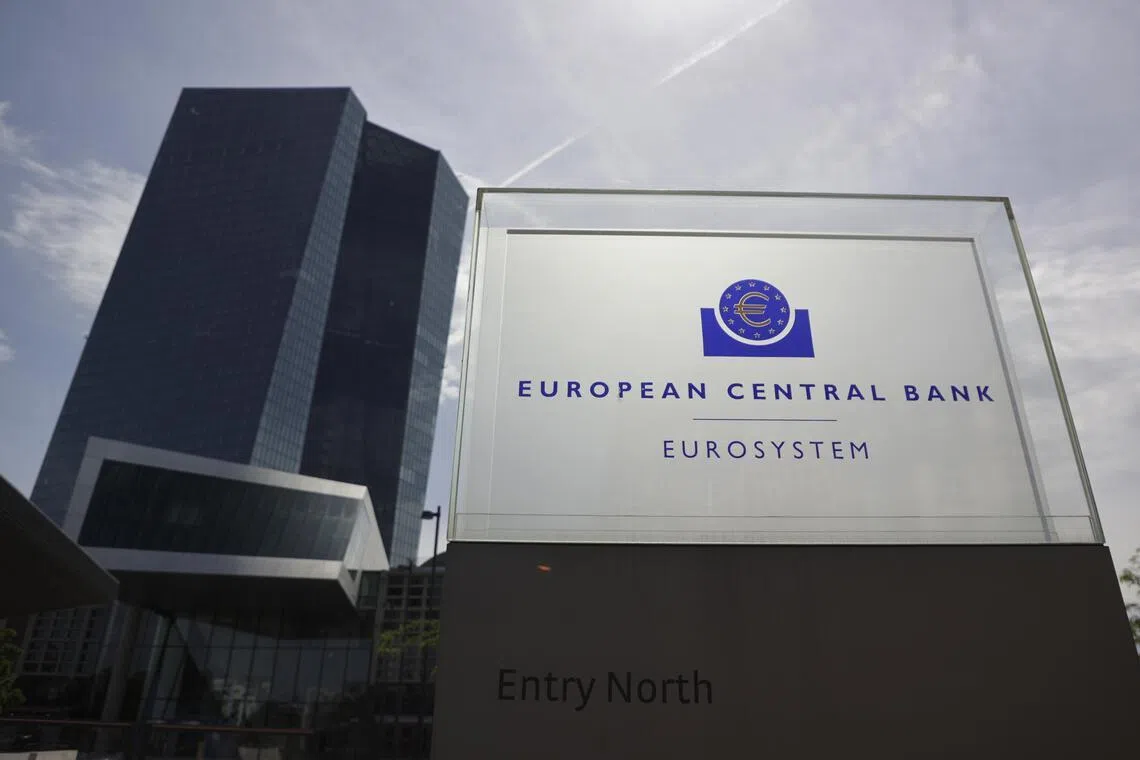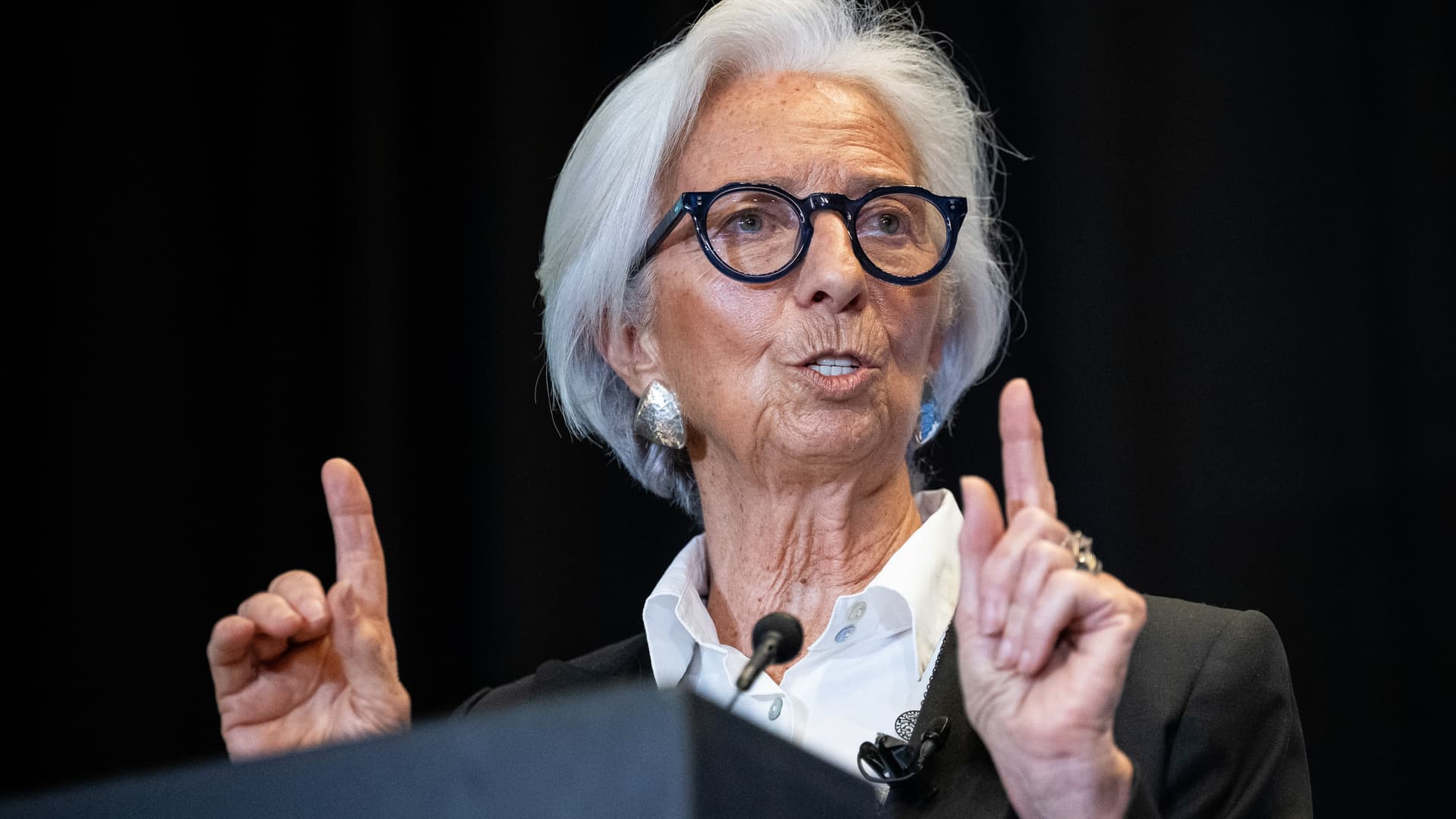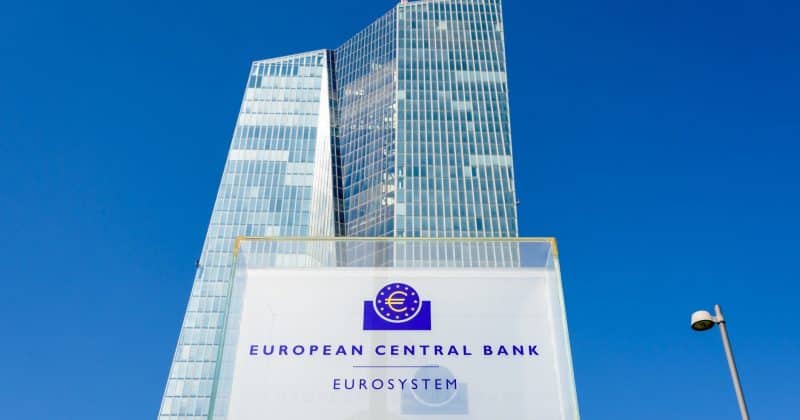
Oil prices have a nasty habit of not staying in their lane. What starts as a spike at the pump eventually shows up in grocery bills, shipping costs, and the price of basically everything that moves on a truck. Emmanuel Moulin, a member of the European Central Bank’s Governing Council, made exactly that point on May 20, warning that surging crude costs are now visibly raising prices across goods and services in the euro area.
Moulin’s comments came during Senate confirmation hearings for his nomination as governor of the Banque de France. Brent crude has climbed to roughly $124 per barrel, its highest level in four years, driven largely by geopolitical tensions in the Middle East. Euro area inflation, meanwhile, was approaching 3% as of April 2026.
The pass-through problem
Moulin flagged that cost increases are no longer contained to energy. They’re spreading into broader categories of goods and services, which is the kind of inflation that becomes self-reinforcing if workers start demanding higher wages to keep up, and businesses pass those wage costs right back to consumers.
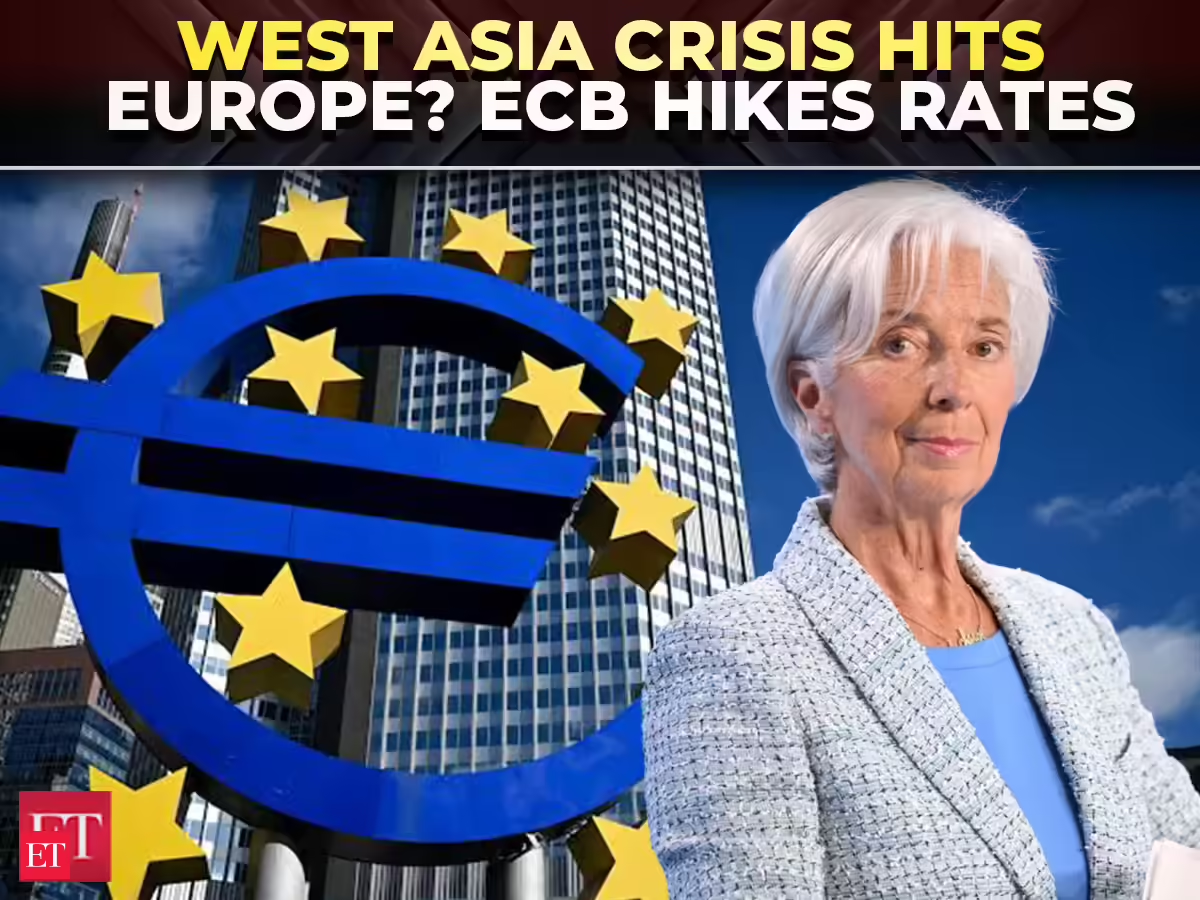
The ECB raised its benchmark interest rate from 2% to 2.25%, marking the first hike in nearly three years. ECB Vice President Luis de Guindos had earlier signaled in April 2026 that future rate decisions would hinge on whether oil-driven effects persist in broader price categories. Moulin’s remarks reinforced that message, calling for vigilance on inflation expectations heading into June’s policy meetings.