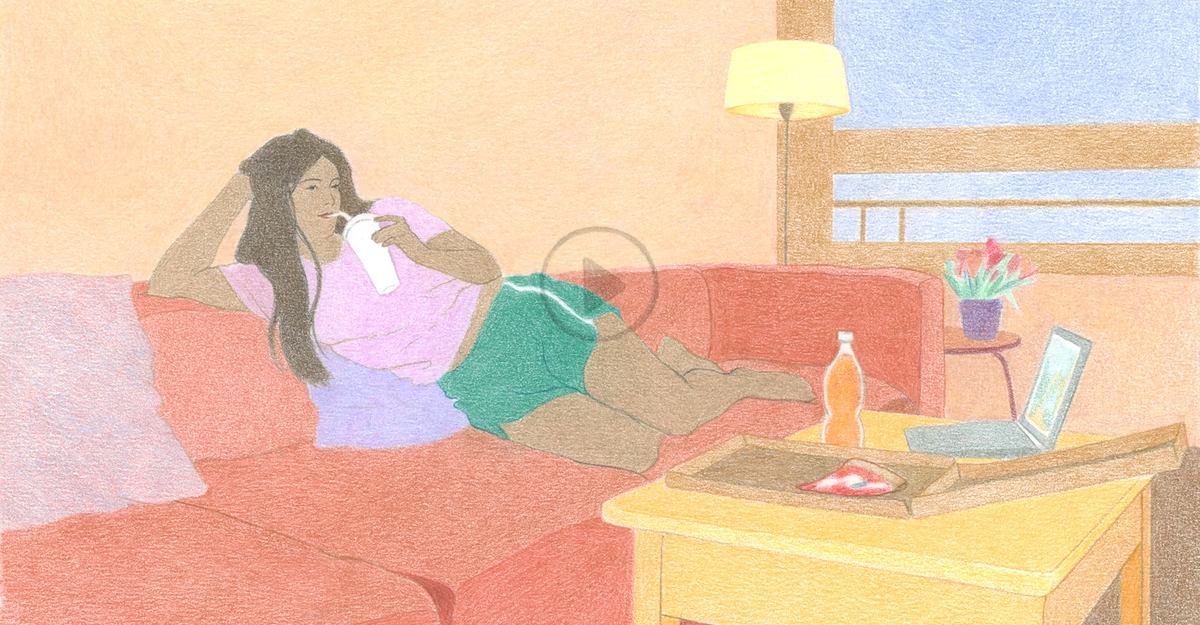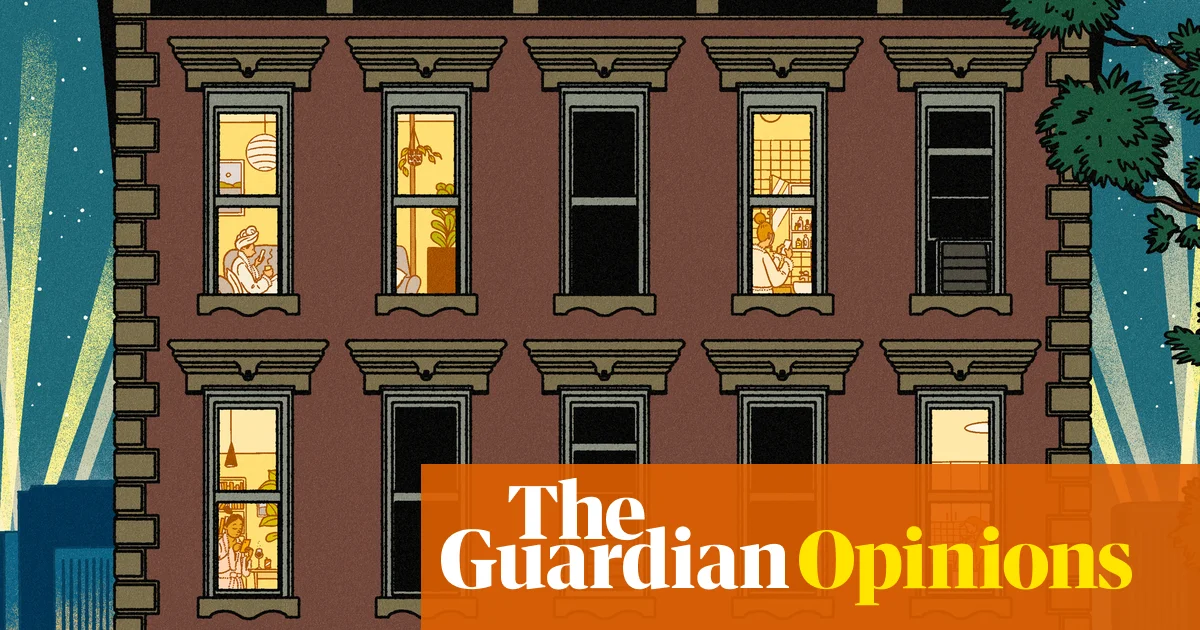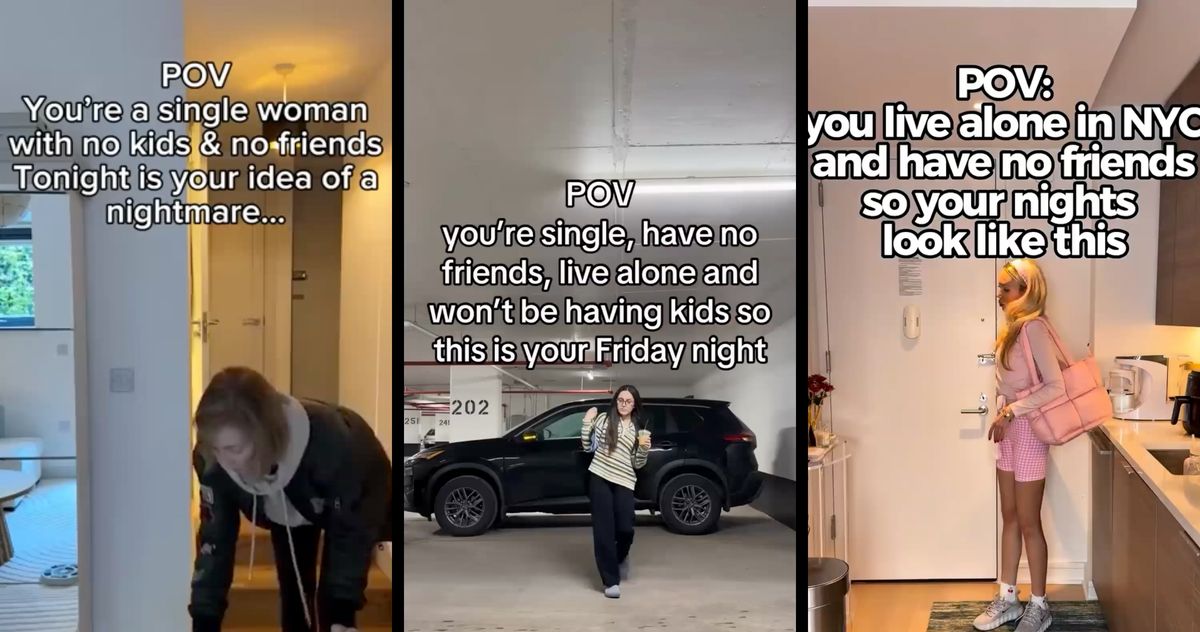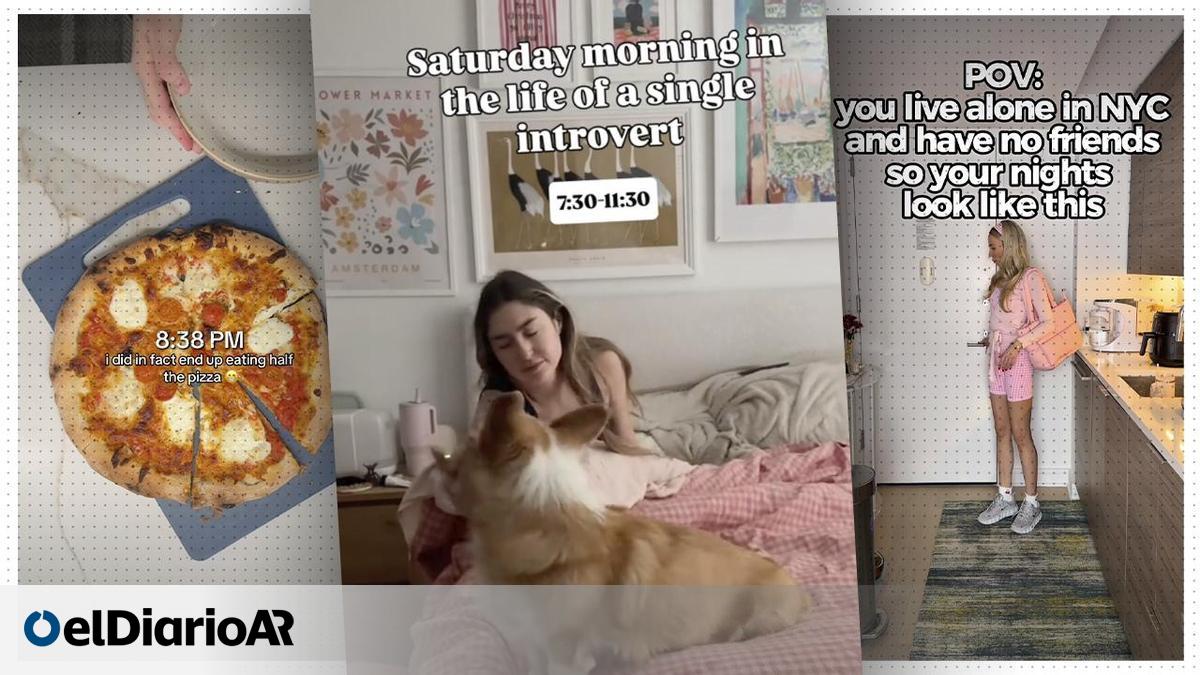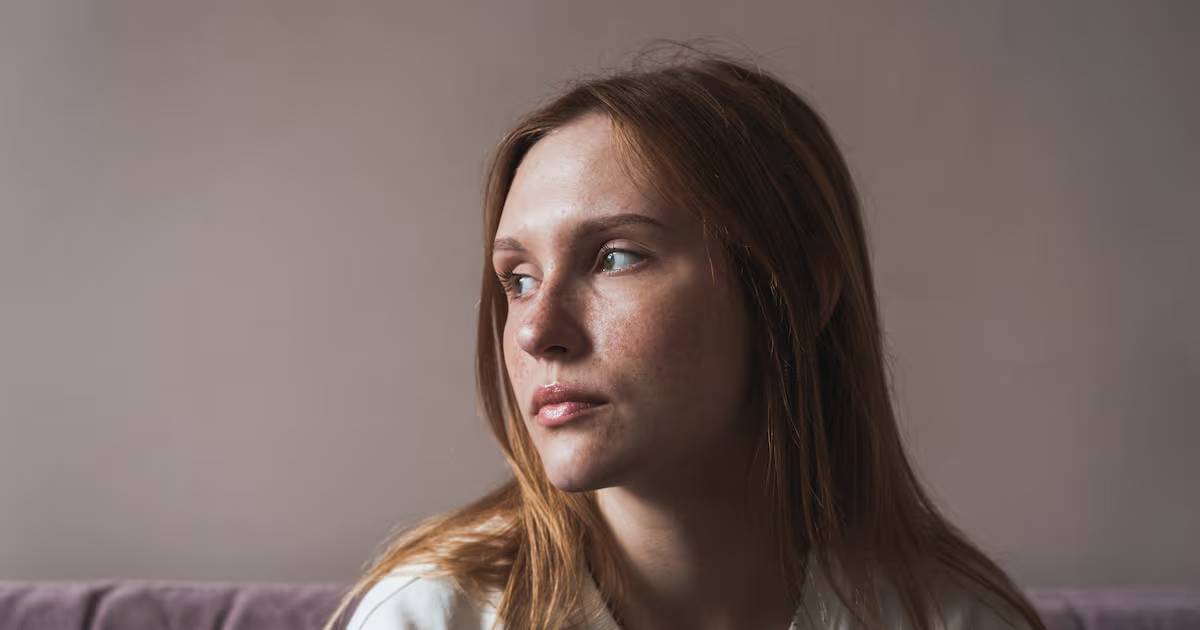
Being prone to doomscrolling as much as the next phone addict, I sometimes click on reels that I find genuinely baffling. I recently clicked on one called Living Alone in Japan. The half-hour long video followed a young woman as she got out of bed, did her skincare routine, made breakfast, tidied up an already pristine apartment and left for work. Watching paint dry ought to count as a fun time in comparison, and yet the video was oddly compelling.It had thousands of views. While it was less obviously weird than the ones of that guy called Clavicular – the one who adds “-maxxing” to every second noun and taps his face with a hammer to improve his looks – it was still odd.Turns out that I am, yet again, late to the party. Living-alone diaries, from people variously known as loneliness influencers, solitude-maxxers (complete with the unnecessary extra x) or solo-daters, are a huge trend among young women. (Men prefer the hammer-tapper, another illustration of the great gender divide.) I thought influencers existed to flog aspirational content, whether it be insanely overpriced skincare, make-up or breakfasts with 400 grammes of protein. But those posting living-alone diaries everywhere from New York City to Brighton are selling loneliness as a lifestyle.Young women chronicle their solitary, repetitive lives, often claiming that they do not have a single friend but are nonetheless fulfilled.Isa talks about leaving her clean apartment and the joy of returning home to find it still clean, and of taking pleasure in simple treats or watching a sunsetOne of the original chroniclers, Lana Isa, has 166,900 followers and 6.2 million likes on TikTok and 199,000 followers on Instagram, for videos that mostly show her eating meals including crispy waffles and chicken nuggets at home on a Friday evening. Her videos have captions like “what a weekend looks like as a friendless girl with NO interest in men or dating”.She kind of hurts my heart. The only evidence I could find of other people in her videos is the hands of people in service jobs, for example, at a pizza place or coffee shop. She mentions her mother and sister fondly, but beyond that, she works remotely and seems to have virtually no human contact.And yes, lots of online content is manufactured and false, but this young woman seems real to me. After she was featured in both The Atlantic and digital magazine The Cut, she posted explaining that she has suffered a lot of betrayal by friends and lovers. She grew up in a low-income household. All she wanted was to feel free, and living alone gives her that feeling. Unsurprisingly, mothers with small children are among her greatest fans, women for whom the idea of visiting the bathroom alone would be a luxury, much less an entire evening devoted to doing whatever they like. In that sense, for these women, Isa’s life is aspirational and completely out of reach. But she also gives comfort to other friendless, single women.Isa talks about leaving her clean apartment and the joy of returning home to find it still clean, and of taking pleasure in simple treats or watching a sunset. The majority of comments on her videos are surprisingly sweet and protective of her.An October 2025 OECD report confirmed that young adults aged 16 to 24 in Ireland are most likely to report feeling lonely ‘most or all of the time’, even more so than 65-year-oldsWhile she has hundreds of thousands of followers, there are dozens of other people uploading similar content. Some of it is much more polished, with a cosy, glowing aesthetic and hashtags such as #livingalone, #cozyvlog, #cozyathome, #forthegirls and #sololiving.Are we just watching an introvert’s dream, or is it necessity dressed up as choice?There is something paradoxical about filming one’s days to celebrate being alone. People talk about parasocial relationships with celebrities, that is, one-sided relationships where a fan feels that they have an emotional connection with someone well-known. These reels are like an inverse parasocial dynamic, where the vlogger feels a relationship with followers, though the connection is fundamentally one-sided.If they are simply introverted, solitude-loving vloggers – that’s great. But romanticising unwanted social isolation is not so great. Involuntary social isolation has been compared to smoking 15 cigarettes a day in terms of its effect on health. The first ever EU-wide survey on loneliness, EU-LS 2022, found that while on average 13 per cent of respondents in the EU report feeling lonely most or all of the time over the previous month, the figure for Irish people is 20 per cent, the highest in Europe.An October 2025 OECD report confirmed that young adults aged 16 to 24 in Ireland are most likely to report feeling lonely “most or all of the time”, even more so than 65-year-olds. This does not sound like flourishing to me.Maybe loneliness influencers or solitude vloggers are performing a service by destigmatising being friendless, but they are also normalising it in an unhelpful way. Introverts need other people, too. Cathal O’Gara wrote recently that it is easier to get a mortgage than to make a new friend in your 30s. Our lives are so frantically busy, our shoulders so hunched from scrolling, that we have forgotten how to maintain vital connections. And no amount of aspirational lifestyle vlogging will mask the sadness of that reality.
Opinion: Loneliness influencers: the odd appeal of ‘living alone, no friends’ diaries
Solitude vloggers destigmatise being friendless – but they also normalise an unhealthy kind of loneliness
TL;DRAI
Creators like Lana Isa (166K TikTok followers) post 'living-alone' diaries celebrating friendlessness. OECD 2025 data shows 16-24-year-olds in Ireland report more loneliness than seniors, signaling that social-media engagement patterns may risk normalizing harmful isolation.
892 words~4 min read