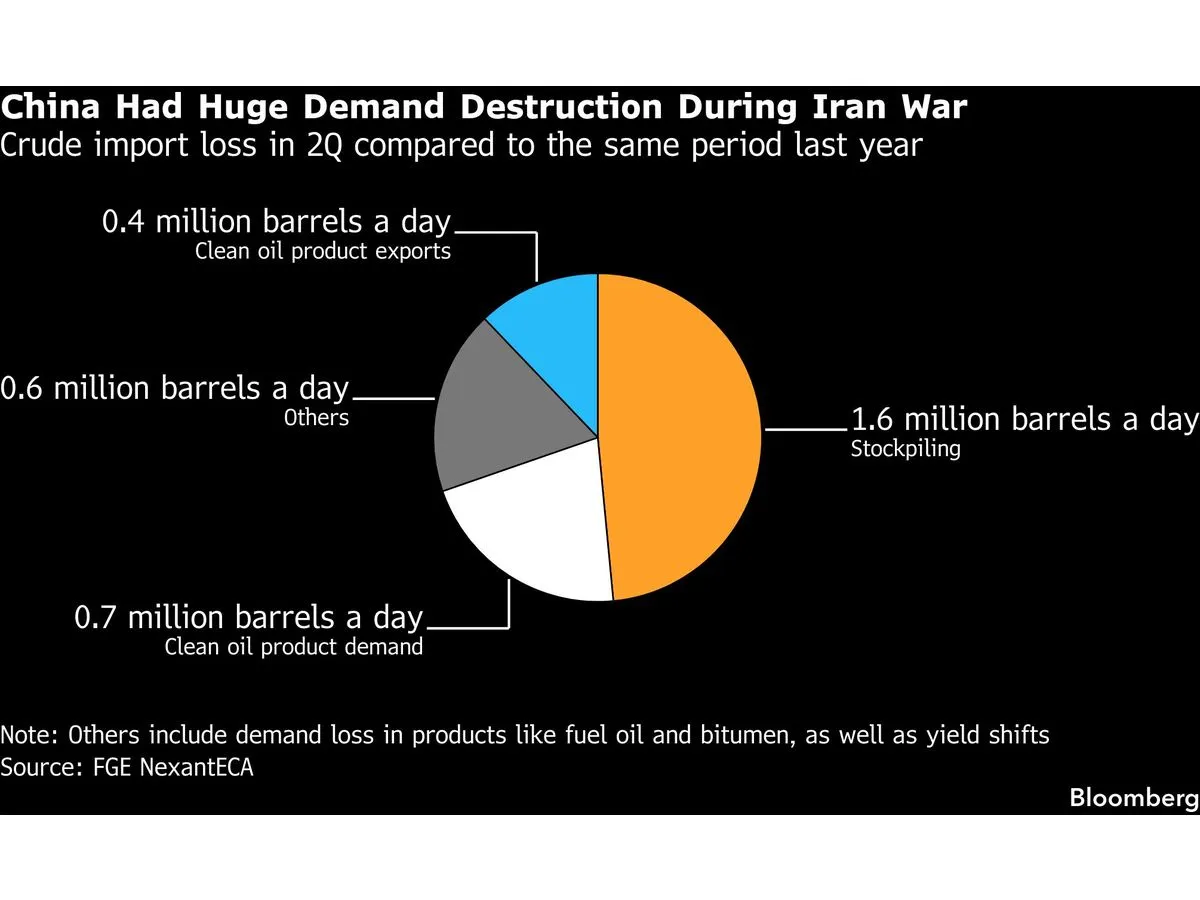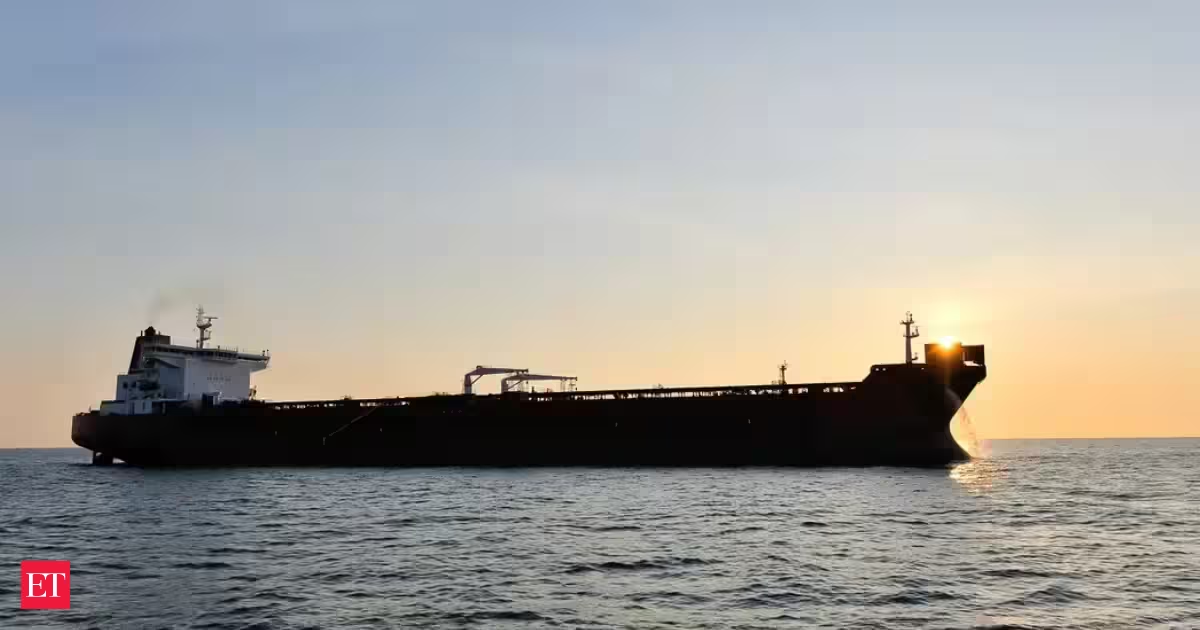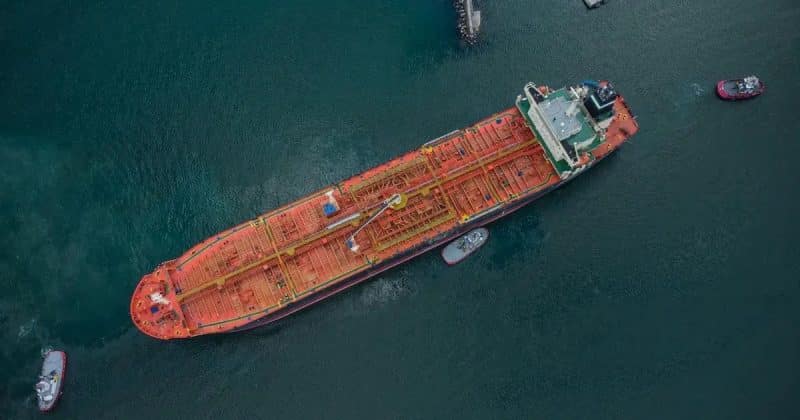
China’s crude oil imports dropped to roughly 7.8 million barrels per day in May 2026. That’s a decline of approximately 29-33% from pre-war averages of 11.6 million bpd. That missing volume, nearly 4 million bpd, is roughly equivalent to the entire oil output of Iraq.
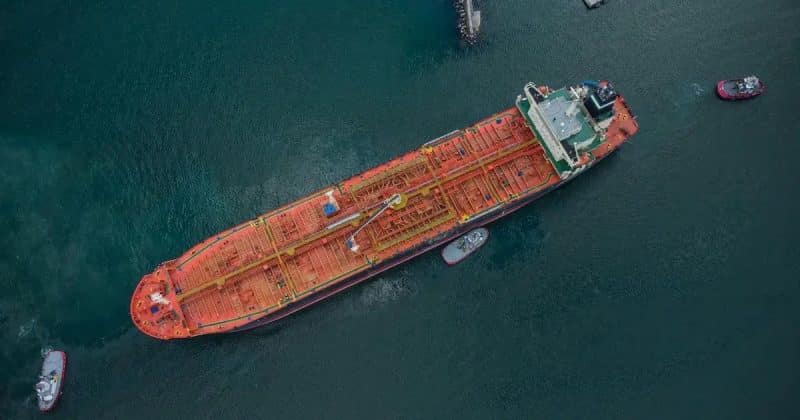
The catalyst is straightforward. The Iran war, which began with US-Israel military actions on February 28, 2026, severed one of China’s most critical and cost-effective supply lines. Iran had been shipping approximately 1.4 million bpd to China by the end of 2025, accounting for 80-90% of Iran’s total exports. That pipeline effectively went dark.
The structural damage runs deeper than lost barrels
Analysts at both Rystad Energy and Energy Aspects Ltd. are projecting that a meaningful chunk of the lost demand is permanent. Rystad Energy estimates that 200,000 to 600,000 bpd of lost transportation fuel demand may not recover in 2026. Energy Aspects puts the permanent loss at roughly 300,000 bpd, driven by the combined effects of the war and China’s accelerating adoption of electric vehicles.
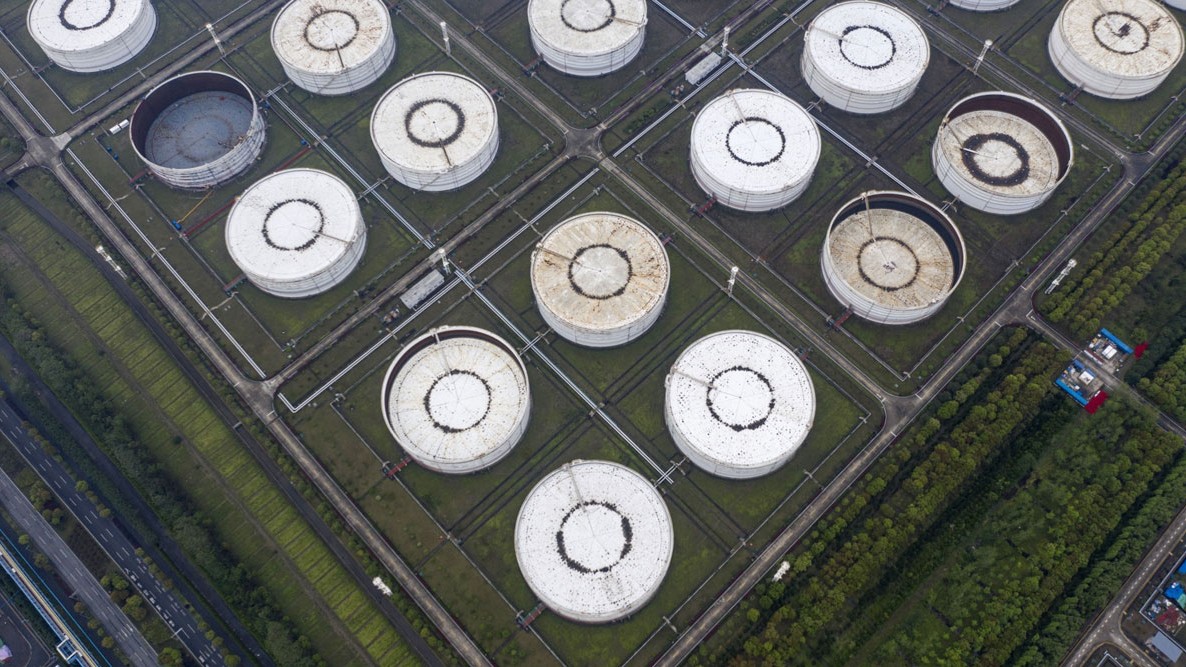
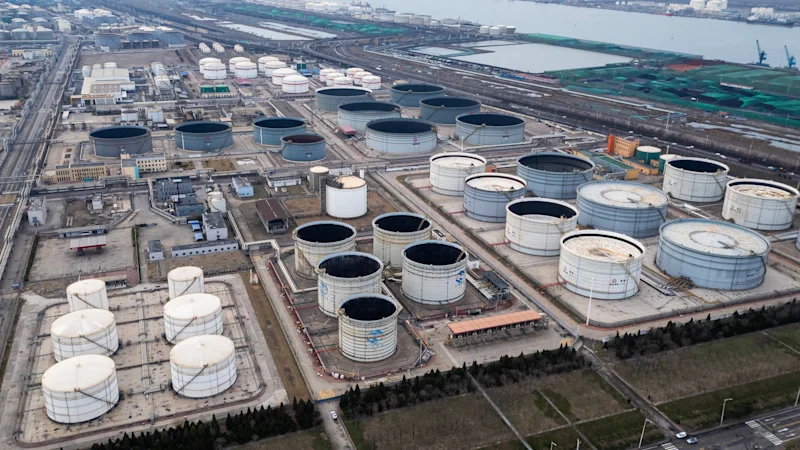
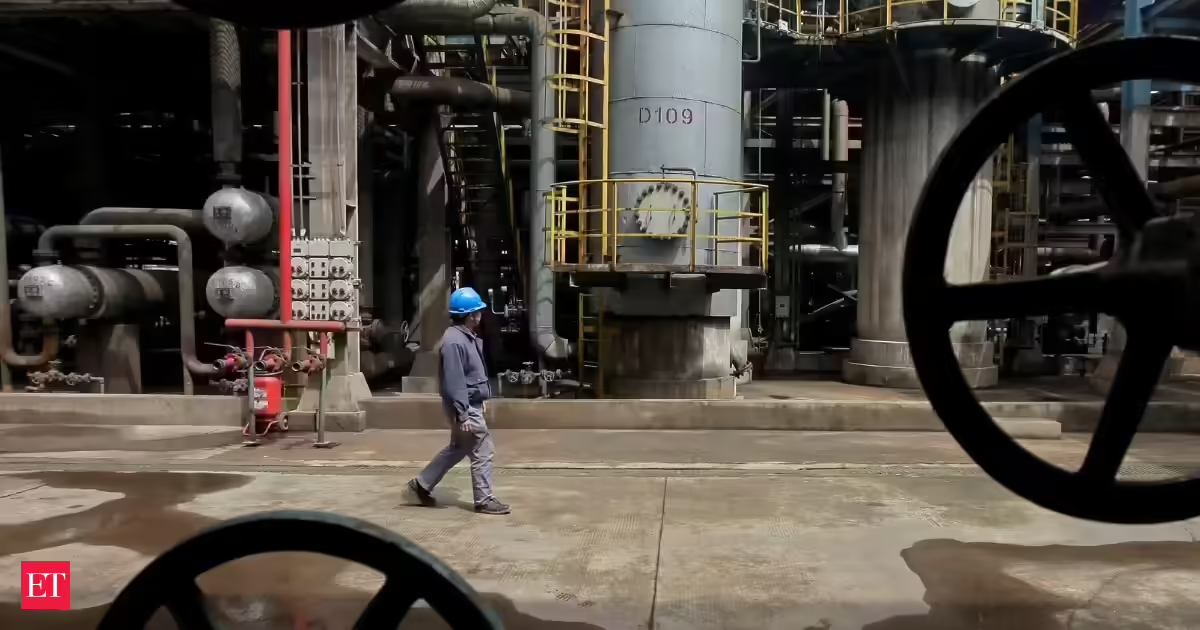
China’s independent refineries, commonly called “teapot” refineries, had built their business models around discounted Iranian crude. When that supply vanished, these smaller operators couldn’t simply pivot to more expensive alternatives. Many cut refinery runs dramatically.