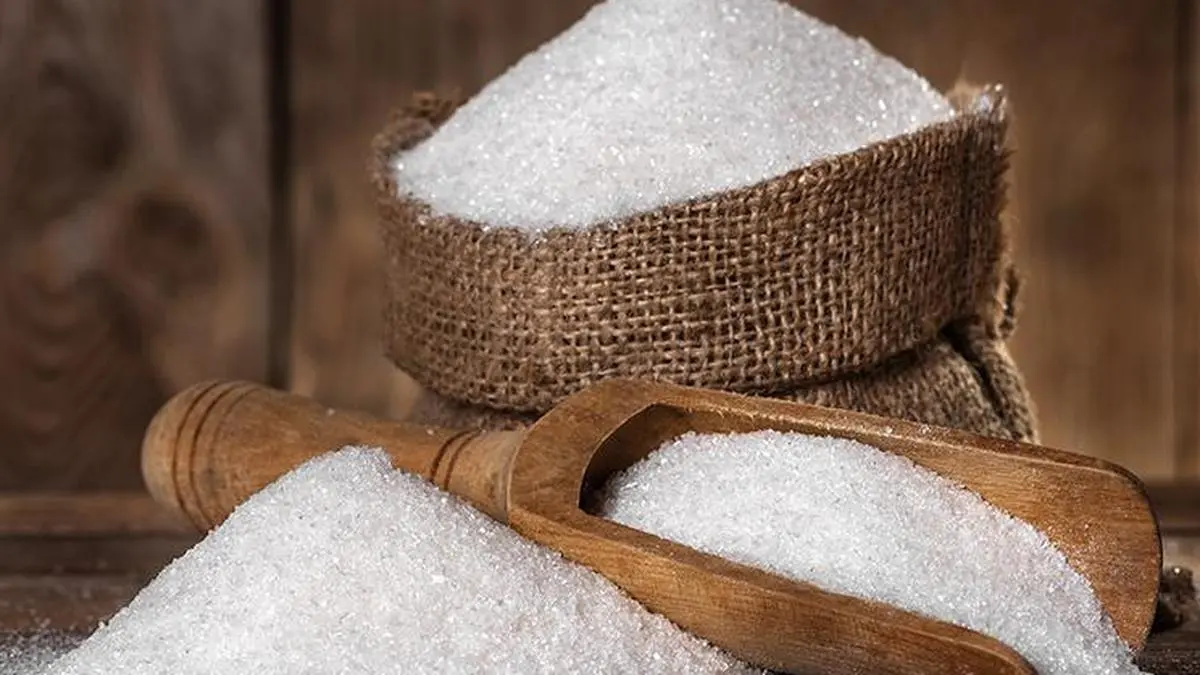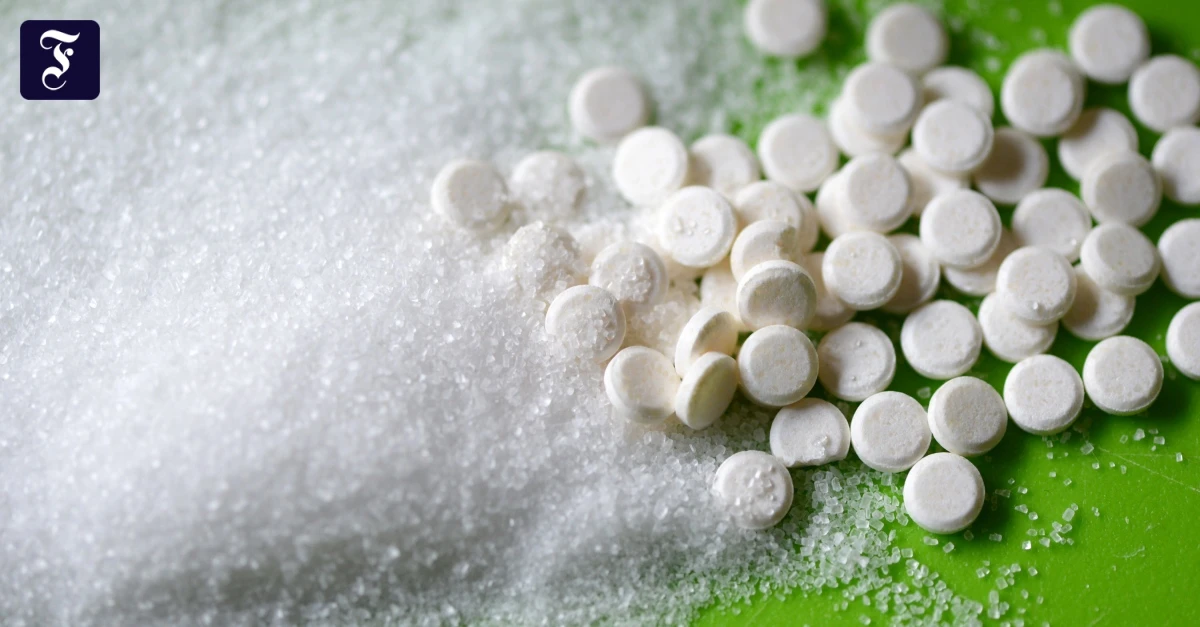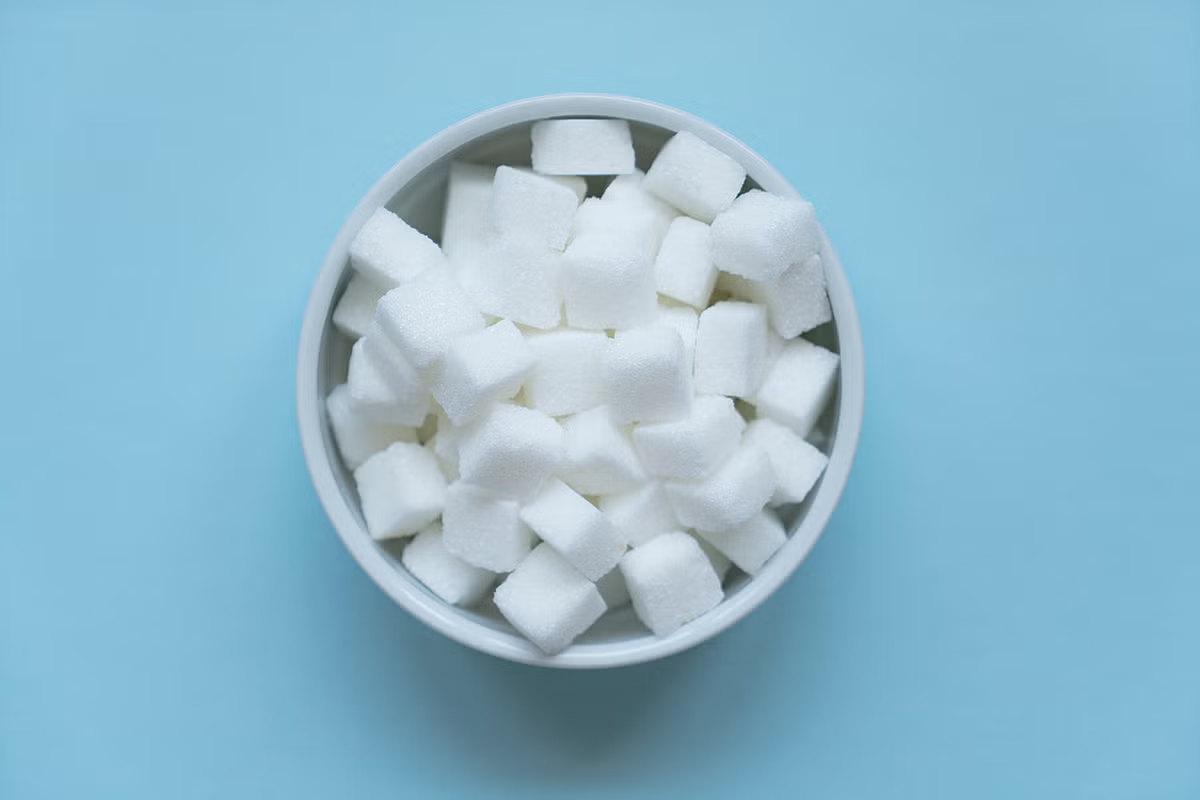
Jerusalem Post/Health & Wellness/NutritionAllulose as an innovative sweetener: These are the metabolic benefits, this is also the comparison to sugar, and the consumer importance of reading the full ingredients list in processed products.Follow us on GoogleSugar(photo credit: SHUTTERSTOCK)ByDR. MAYA ROSMANJUNE 22, 2026 08:00In recent years, more and more "sugar-free" or "low-carb" products proudly display a relatively new ingredient named Allulose. Those who look at the ingredients list in cookies, protein bars, spreads, or dessert mixes can find it alongside more familiar sweeteners like stevia, sucralose, monk fruit, or erythritol. The question the listener asked is whether it really is a more successful sweetener, what its advantage is compared to other sweeteners, and whether every product that says "with Allulose" is indeed healthier.What is Allulose: Allulose is a type of natural but rare sugar. Chemically, it is similar to fructose, the fruit sugar, but our body treats it completely differently. It is absorbed in the digestive tract, but most of it does not undergo regular breakdown to produce energy like white sugar; therefore, it provides much fewer calories, and also barely raises blood sugar levels, and barely causes insulin secretion.According to FDA guidelines, Allulose is calculated as 0.4 calories per gram, compared to about 4 calories per gram in regular sugar, meaning roughly one-tenth of the calories of sugar. The FDA also allows it to be excluded from "Total Sugars" and "Added Sugars" on food labels in the United States, because of its different metabolic effect.Is Allulose found in nature? Yes, but in very small quantities. Allulose is found naturally in foods like figs, raisins, wheat, jackfruit, and maple syrup, but not in a quantity sufficient for commercial production. Therefore, most of the Allulose used in the food industry is produced in an industrial process, usually from corn starch or other carbohydrate sources, using enzymes that convert more available sugars into Allulose.This is an important point: “Found in nature” does not necessarily mean that the product we buy is simply "natural sugar from the fruit." It is indeed a substance that exists in nature, but in the industry, it is produced through a technological process. This does not mean it is necessarily bad, but only that it is worth being precise and not turning the word “natural” into a health promise.What is special about it compared to other sweeteners? The great advantage of Allulose is that it is similar to sugar in terms of taste, texture, and behavior in cooking and baking more than many other sweeteners. It is not intensely sweet like stevia or sucralose, and therefore leaves less of a strong aftertaste. It also does not belong to the sugar alcohol family like erythritol, xylitol, or maltitol, so in some people, it causes less of a cooling sensation in the mouth and less of a "sweetener" taste.It is usually described as having 70% of the sweetness of regular sugar. The meaning is that if one wants to reach the same level of sweetness, it may be necessary to use a larger quantity of it, or combine it with an additional sweetener. This is precisely the reason that in many products you will not find only Allulose, but a blend of Allulose with stevia, monk fruit, sucralose, or erythritol. The advantage of the blends is a sweeter taste and a better texture, but the disadvantage is that it is no longer possible to speak only of Allulose. One must check the entire ingredients list.White sugar (credit: SHUTTERSTOCK)Effect on sugar and insulin: A study published in 2023 examined the effects of Allulose and erythritol on metabolic markers such as glucose, insulin, the hunger hormone ghrelin, and blood lipids. The general picture is that Allulose does not behave like regular sugar in terms of its effect on glucose and insulin, but more long-term studies are still needed to understand its effect in regular daily use.Effect on the digestive system: Like many sweeteners, Allulose can also cause digestive symptoms in some people, especially in large quantities. This can include bloating, gas, abdominal discomfort, or diarrhea. In most people, small to moderate amounts are well tolerated, but those who are sensitive in the digestive system, or those who suffer from irritable bowel syndrome, should start carefully and not assume that “sugar-free” means "symptom-free."It is particularly important to pay attention to products that contain both Allulose and sugar alcohols. Sometimes the stomach reaction does not come from Allulose itself, but from erythritol, maltitol, or other ingredients present in the same product.A product with Allulose is not necessarily a healthy product: Here, in my view, lies the consumer trap. One can take a product that contains Allulose, add erythritol, saturated fat, low-fiber flour, unimpressive quality protein, or many processed ingredients to it, and then market it as “sugar-free.” The consumer sees the word Allulose and thinks it is a health product, but in practice, the full ingredients list must be checked: How many calories are in a serving, how much protein, how much fiber, what fat, what additional sweeteners, and what the real serving size is.Allulose can be a successful ingredient inside a good product, but it does not turn every cookie into a health food. Just as brown sugar does not make a cake healthy, Allulose also does not automatically make a processed product recommended.Combination with erythritol: In recent years, studies have been published that generated many headlines. Erythritol is a sweetener from the sugar alcohol family, and it is very common in low-carb, ketogenic, and sugar-free products. It barely raises blood sugar, but a study published in 2023 in Nature Medicine found a link between high levels of erythritol in the blood and an increased risk of cardiovascular events, such as heart attack and stroke. In the same study, possible mechanisms of increased platelet activity and a tendency toward clotting were also found.It is important to say: The study does not prove that everyone who eats a product with erythritol will get a heart attack. But the researchers also conducted additional experiments, including administering erythritol to healthy people, and found a prolonged rise in erythritol levels in the blood and an increase in markers related to platelet activity. The "NIH" summarized the findings cautiously, but wrote that the results point to a possibility that the consumption of erythritol could increase blood clot formation, and therefore further safety studies are required.In 2024, another study was published in Vascular Biology in which healthy participants drank a beverage with 30 grams of erythritol. The researchers found that erythritol, contrary to glucose, increased platelet reactivity and markers of clotting potential. This is a small study, but it reinforces the need for caution, especially in people with cardiac risk factors or a tendency toward clotting.Therefore, when a product contains both Allulose and erythritol, it cannot be judged solely by the Allulose. Those who try to avoid erythritol or reduce it should read the ingredients list, and not suffice with a large inscription on the front of the packaging.Allulose or sugar: Compared to regular sugar, Allulose may definitely be an interesting option: Fewer calories, almost no effect on sugar and insulin, a taste relatively similar to sugar, and more convenient use in baking compared to some sweeteners. Compared to other sweeteners, its advantage is mainly in taste and texture, and also in that it is not an intense sweetener with a strong aftertaste.But there are also disadvantages. It is less sweet than sugar, so it is sometimes used in a large quantity or combined with additional sweeteners. It is still an industrial ingredient in many products. In a high quantity, it can cause discomfort in the digestive system. And in Israel and Europe, its availability and regulation are not always identical to the United States, so it is important to check each product individually.The bottom line: Allulose is an interesting sweetener, and perhaps one of the more successful ones among sugar substitutes in terms of taste and effect on blood sugar. It is found in nature in small quantities, provides much fewer calories than sugar, and barely raises glucose and insulin. But it is not magic, and not every product containing Allulose is a health product. The most important thing is to read the ingredients list. Whether the product contains only Allulose or a delicate combination with another sweetener.For Dr. Maya Rosman's course: How to improve health and how to lose weight in a sane and logical way, click hereFor Dr. Maya Rosman's newsletter, articles on nutrition and health, advice and tips for improving health, and nice recipes, free of charge, click hereFollow us on Google
Sugar or Allulose – the truth revealed | The Jerusalem Post
Allulose as an innovative sweetener: These are the metabolic benefits, this is also the comparison to sugar, and the consumer importance of reading the full ingredients list in processed products.
1,426 words~6 min read