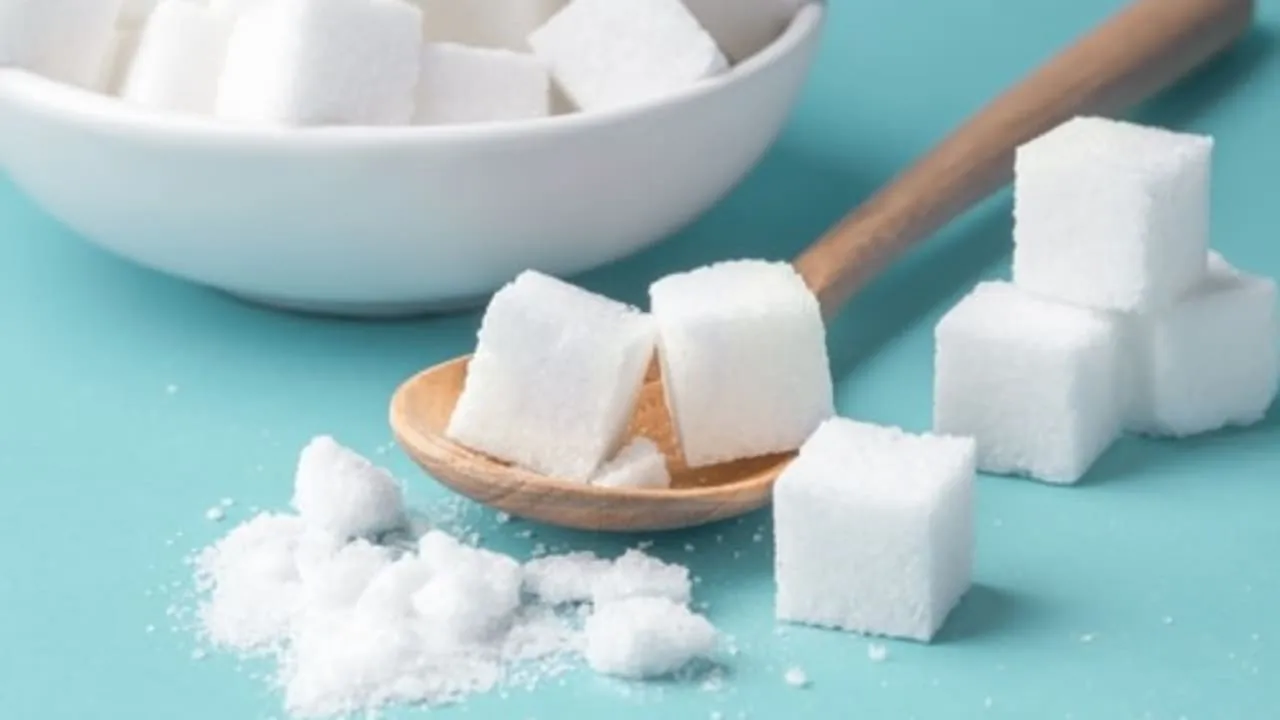
Today’s consumers no longer want to choose between taste and health—they expect both. While the desire for indulgent, sugar-like sweetness remains unchanged, there is a growing preference for ingredients that also deliver nutritional benefits.As health awareness continues to rise, consumers are actively seeking products made with natural, clean-label ingredients that support better lifestyle choices without compromising on flavour.This shift has accelerated the demand for natural sweeteners such as monk fruit, which provides the sweetness of sugar without calories or increasing the glycemic index.As a result, food and beverage manufacturers are reformulating their products to offer the familiar taste consumers enjoy while meeting their expectations for healthier, better-for-you alternatives.A rapidly growing market fueled by wellnessNatural sweeteners continue to grow strongly across the globe due to changes in consumer priorities. Having a worth of approximately USD 24.7 billion in 2023, the market is expected to touch nearly $45.1 billion by 2033, registering a CAGR of around 7.4 per cent from 2026 to 2033.The Asia-Pacific region will remain the fastest-growing in the market, fueled by fast-paced urbanization, high disposable income levels, and increased consumer awareness of healthy living and diabetes.Within this landscape, monk fruit is emerging as one of the most promising natural sweeteners due to its clean-label appeal and compatibility with sugar-reduction trends.Natural sweeteners fuel product innovationNatural sweeteners are encouraging manufacturers to rethink product formulations, and monk fruit has become a key ingredient in this transformation.Plant-derived sweeteners have continued gaining favour since they can sweeten products with few or zero calories.The rising demand for naturally derived sweeteners without the associated increase in Glycemic index is one of the major factors leading to increased consumer interest in these additives.Alongside emerging natural sweeteners, monk fruit is gaining widespread acceptance for its ability to provide sweetness without increasing the glycemic index.Naturally derived and calorie-free, monk fruit offers a sugar-like taste while helping maintain stable Glycemic index levels, making it a preferred choice for people managing diabetes or following low-sugar lifestyles.Its clean-label appeal, combined with functional benefits and ongoing improvements in taste and mouthfeel, has positioned monk fruit as one of the most promising alternatives to refined sugar in modern food and beverage formulations.Science and technology are improving tasteOne of the major barriers to the adoption of natural sweeteners was the need to replicate the taste and mouthfeel of sugar.Technological advancements in food science have helped to overcome these challenges in the industry. Through precision fermentation, manufacturers are now able to come up with natural sources of sweetness more effectively and consistently.Besides, blending several natural sweeteners, including monk fruit with other plant-derived ingredients, has become a common practice to create balanced sweetness profiles while overcoming aftertaste challenges and delivering a sugar-like sensory experience.These technological advancements have also improved the use of monk fruit by reducing the lingering aftertaste often associated with natural sweeteners. As a result, manufacturers can develop products with lower sugar content without compromising on flavour, texture, or the overall sensory experience.Wider uses across industriesThe use of natural sweeteners is not restricted to beverages or tabletop applications anymore. The uses of natural sweeteners have expanded to include dairy products, bakery products, confectionery, cereals, functional foods, nutraceuticals, pharma, and personal care products. Monk fruit is also finding wider application in reduced-sugar snacks and wellness-focused products, where consumers seek naturally sweetened, minimally processed options.Advancements in technologies for sugar reduction and food processing have made it possible to maintain the nutritive value of the products while providing better taste and shelf life. Increasing demand for plant-based, non-allergenic, and clean-label products is opening up new avenues for natural sweeteners.Challenges and the road aheadWhile regulatory requirements, raw material availability, supply chain challenges, and formulation consistency continue to influence the industry, the outlook for natural sweeteners remains highly positive. Monk fruit is expected to play an increasingly important role as manufacturers look for naturally derived ingredients that deliver both health benefits and consumer-friendly taste.As wellness continues to shape food choices, innovation in natural sweeteners will accelerate. Companies that successfully combine nutrition, flavor, and sustainability will be well positioned for long-term growth, while ingredients such as monk fruit are expected to play a pivotal role in the next generation of healthier food and beverage products.The author is founder Sorry SugarPublished on July 19, 2026
Growing wellness: How consumer demand for natural sweeteners is driving innovation
As wellness continues to shape food choices, innovation in natural sweeteners will accelerate
703 words~3 min read