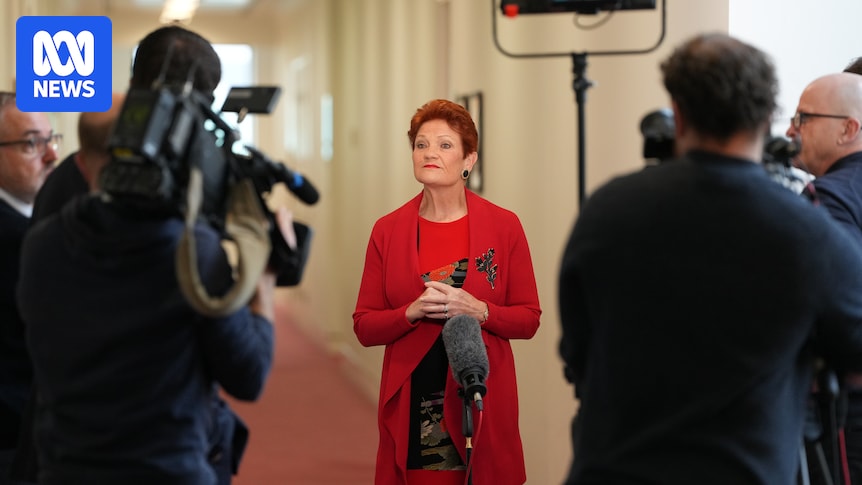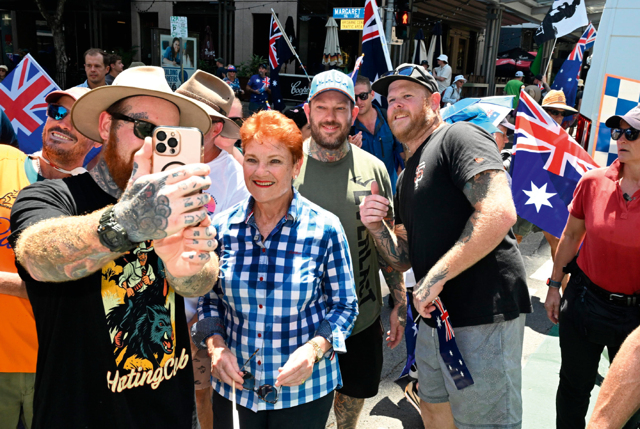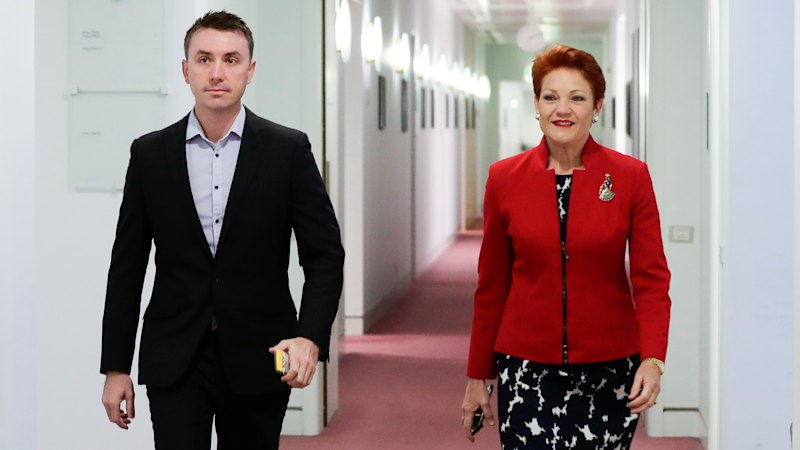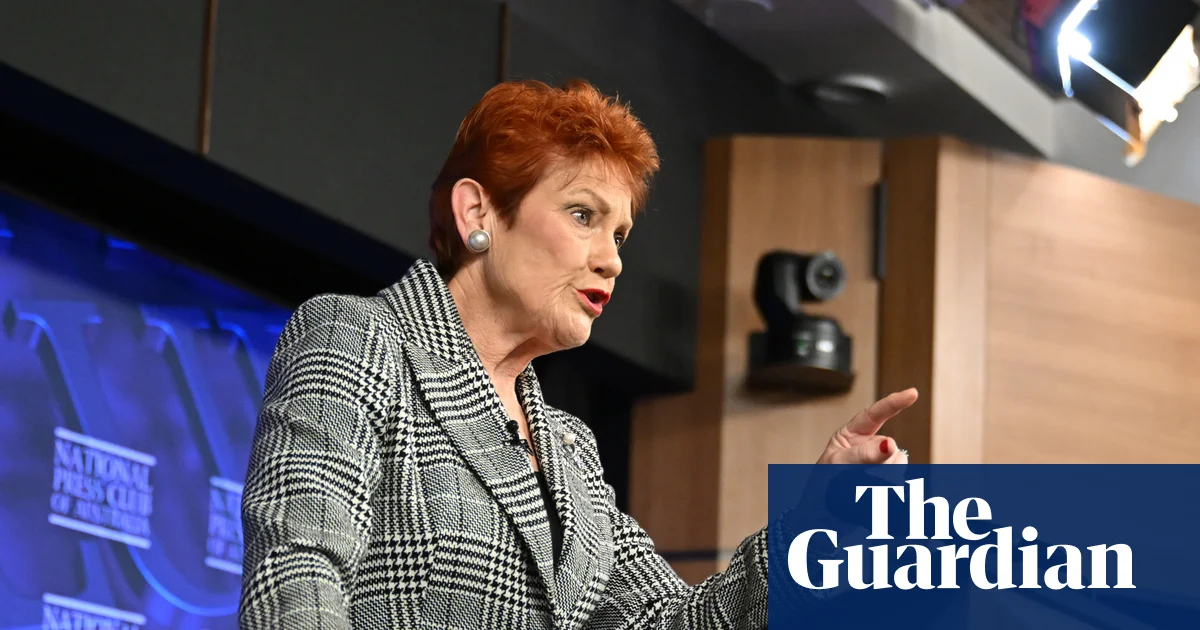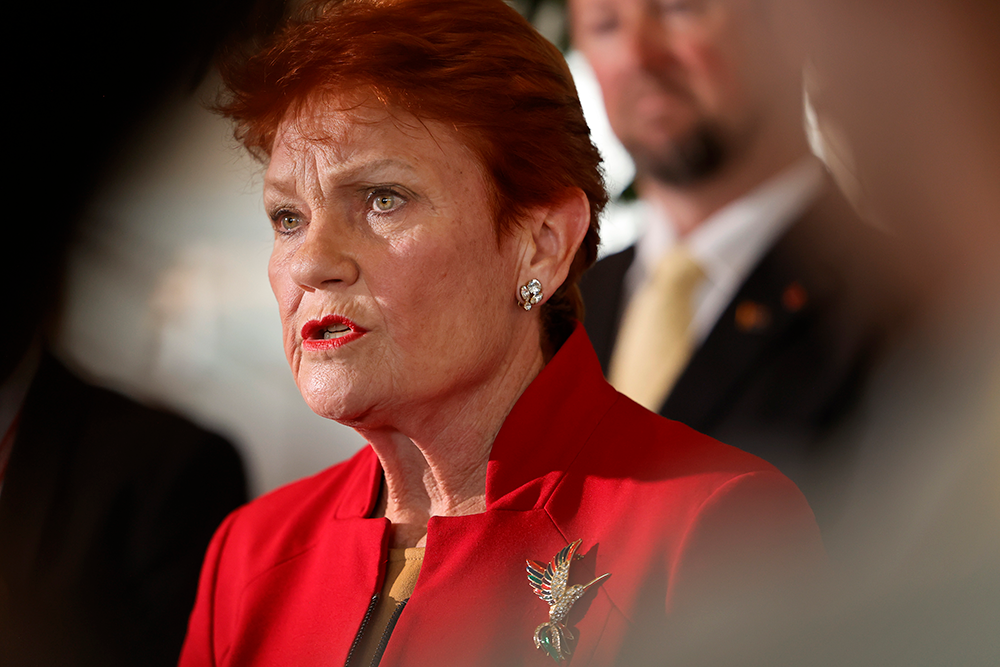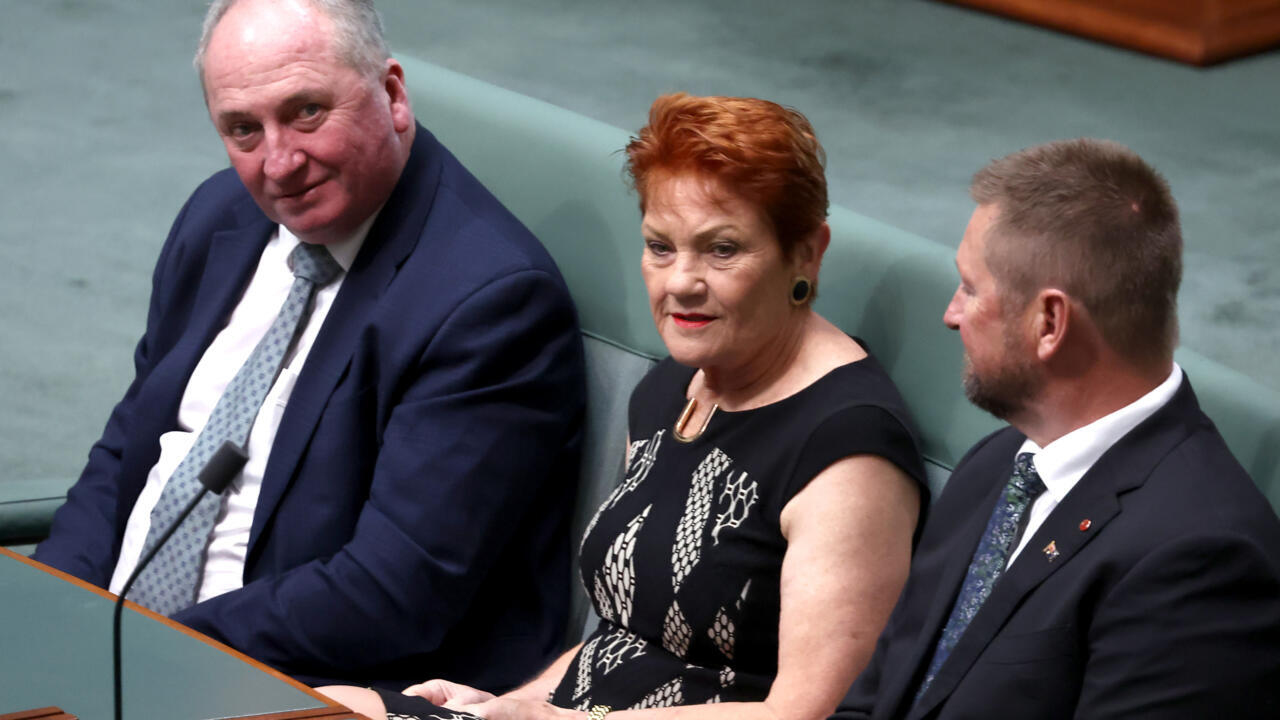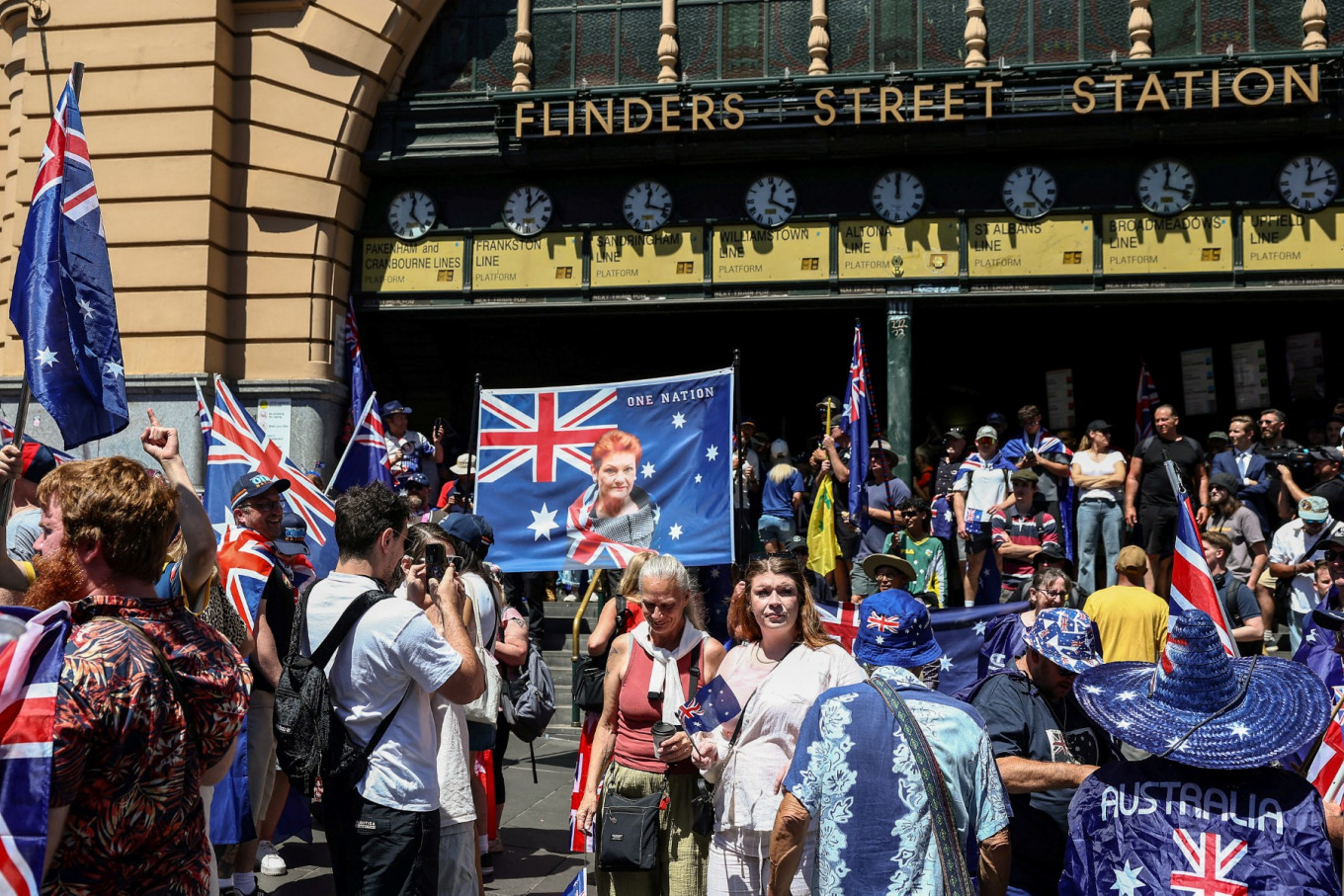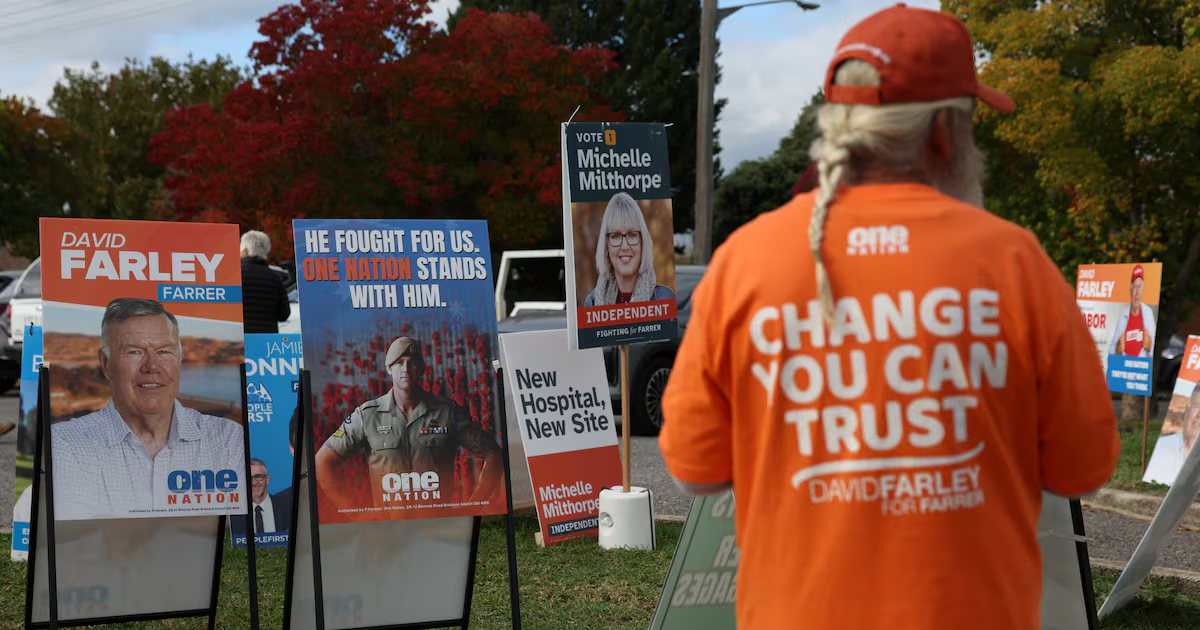
Analysts were quick to credit the landslide re-election of Australia’s centre–left Labor Party government in May 2025 to voters’ rejection of the conservative Liberal–National opposition’s experiment with Trump-like populist themes. But in the 13 months since, the defining trend in Australian politics has been a boom in support for MAGA’s local analogue, the right-wing populist One Nation party.
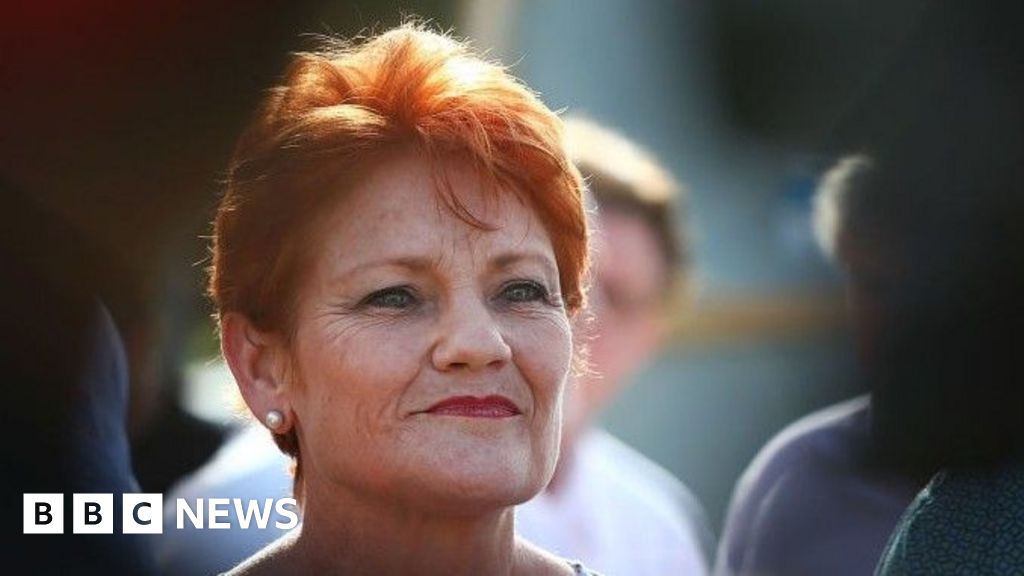
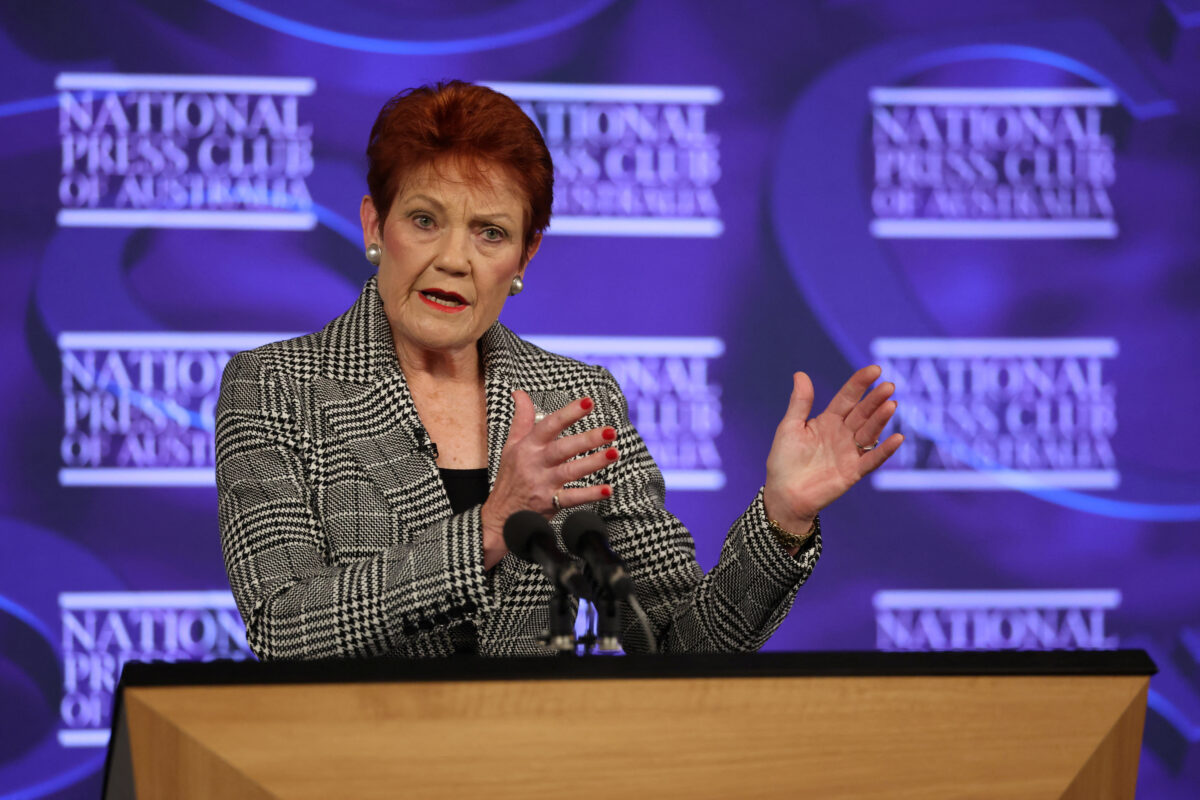
Since its launch in 1997 as the vehicle of one-time Liberal candidate Pauline Hanson, One Nation has maintained an intermittent presence at the rightward fringes of federal politics, peaking at 8.4 per cent of the lower house popular vote in 1998. Its rise since May 2025 has been extraordinary. Since winning 6.5 per cent of the lower house vote at that election, One Nation’s support has quadrupled to about 28 per cent as of June 2026, bringing it level with Labor and exceeding the combined vote of the Liberal Party and its traditional junior coalition partner, the rural-based National Party
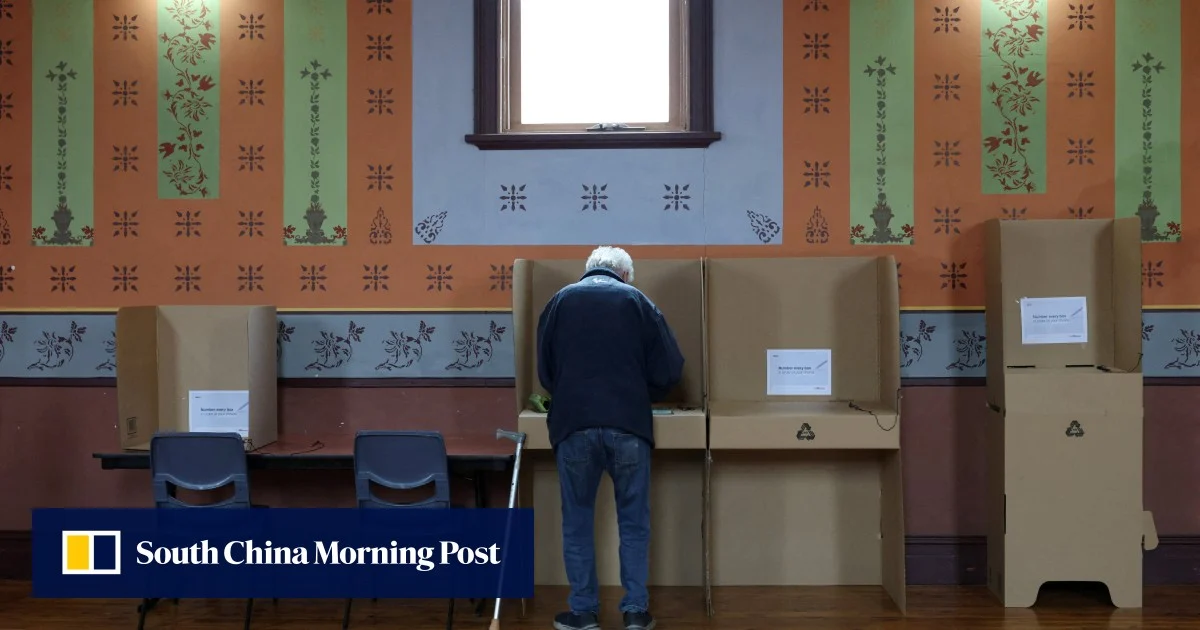
Thanks to the intricacies of Australia’s preferential or ‘ranked-choice’ voting system, Labor could still comfortably win government on those numbers. But estimates of the ‘two-party preferred’ vote — which election predictions often depend upon — are growing less reliable as the underlying first-preference vote fragments. Federal and state Labor governments are becoming increasingly vigilant about the hazard One Nation may pose if it can make inroads into the less affluent and more socially conservative segments of Labor’s base.