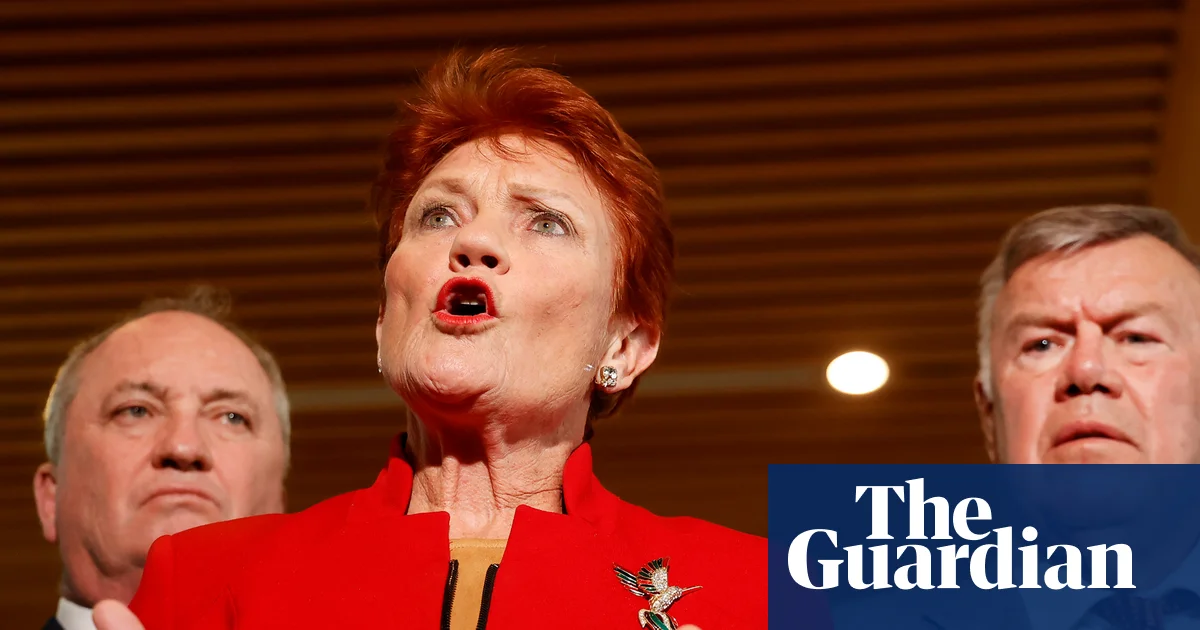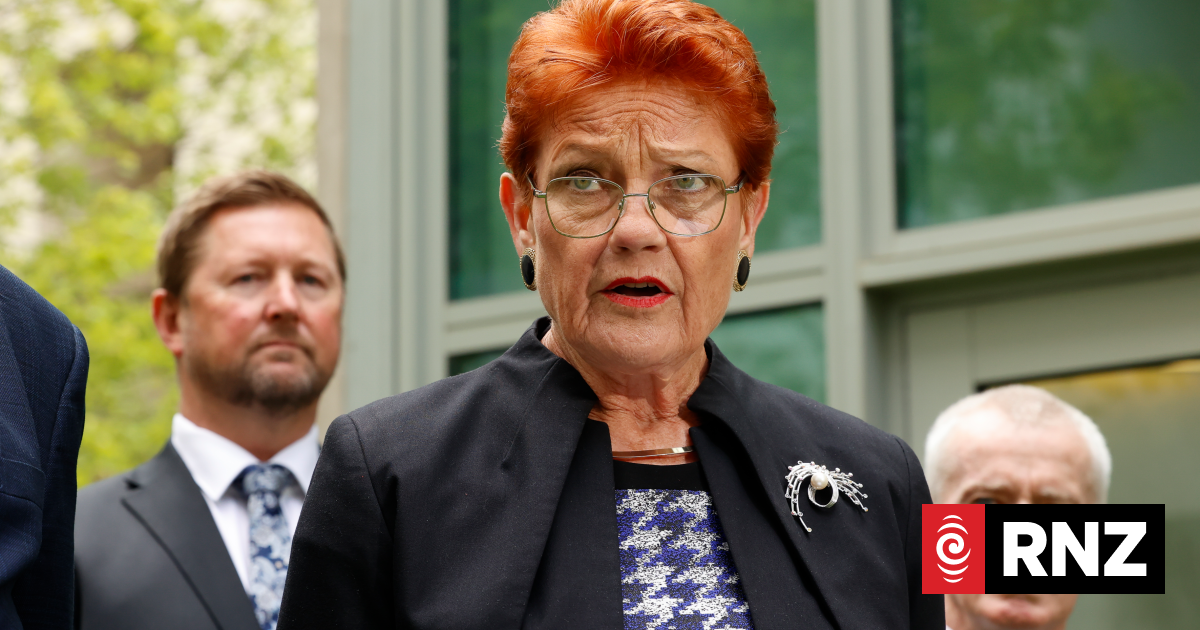
Thirty years ago, against the odds, a fish-and-chip shop owner with little political experience won a seat in the Australian parliament.
Since then Pauline Hanson has become as well known for her inflammatory anti-immigration rhetoric as much as her parliamentary stunts, while support for her right-wing populist One Nation party has ebbed and flowed.
But after returning from the political wilderness a decade ago, Hanson's party is now riding a new wave of popularity, driven by voters weary of mainstream political parties that they say don't understand their struggles.
On 21 March, One Nation achieved its first electoral breakthrough outside Hanson's home state of Queensland. In a state election in South Australia, the party won the second highest number of votes - more than 20% - the first time it has done so in Australia where two parties have traditionally been dominant.
Incumbent Labor Premier Peter Malinauskas won a resounding victory in the poll, increasing his majority in the process, but One Nation will get at least three candidates elected, mostly at the expense of the main conservative opposition Liberal Party.