Sydney
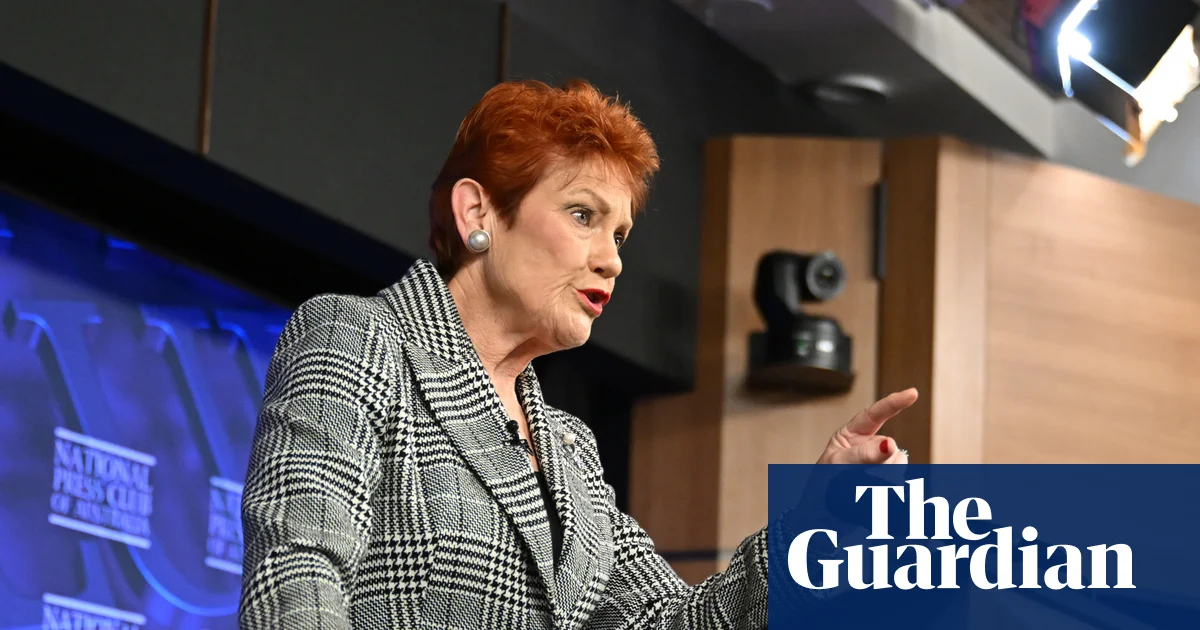
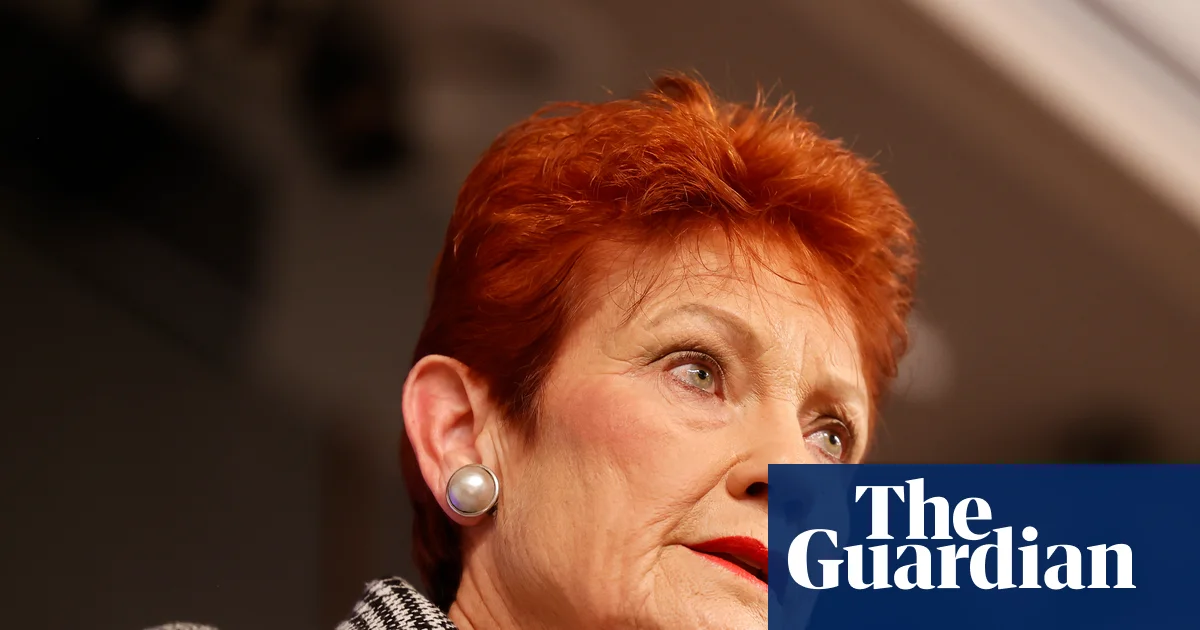
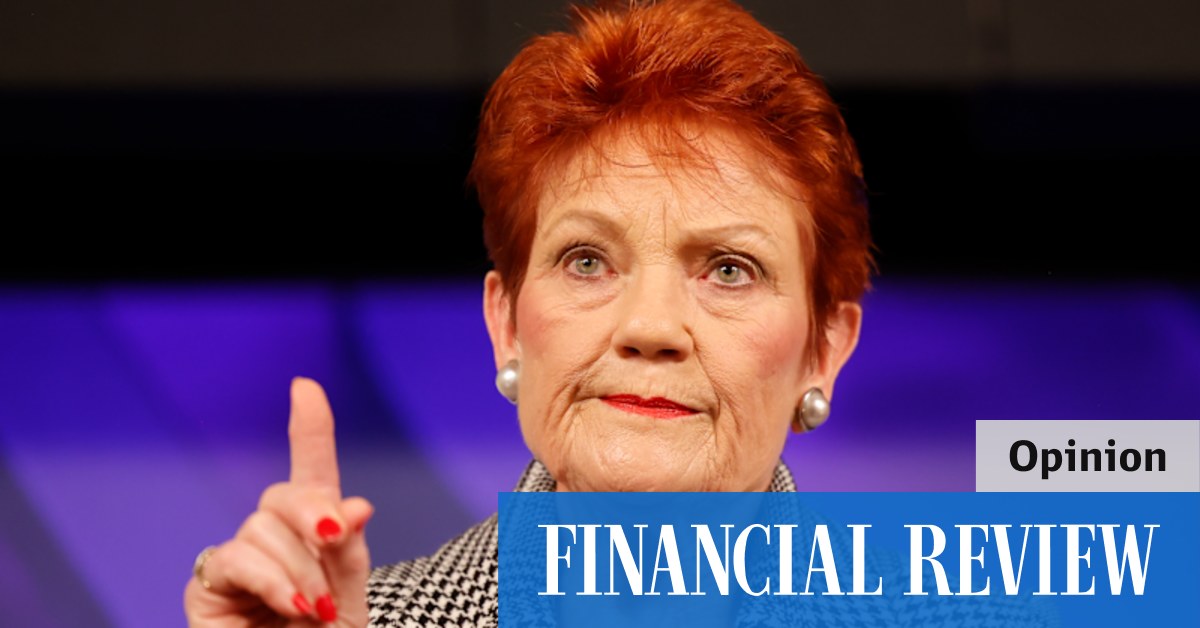
For three decades, Australia’s political Establishment has been predicting Pauline Hanson’s demise. But whenever critics tried to administer the kiss of death to the flame-haired firebrand, it somehow functioned as mouth-to-mouth resuscitation.
Today her One Nation party is polling at levels once thought unimaginable. In recent polls, it even surpasses support for Australia’s centre-left Labor government and centre-right Liberal-National party opposition. Last month, One Nation won its first lower-house seat. Whatever happens next, Hanson has become one of the most consequential figures in modern Australian politics.
To British readers, Hanson is often described as Australia’s answer to Nigel Farage. The reverse is closer to the truth. Hanson emerged in 1996, two decades before Brexit, long before Donald Trump’s rise, before Reform UK and before the resurgence of nationalist and populist parties across Europe. Australia encountered populism before populism became fashionable.
The Establishment mocked her as a former fish-and-chip shop owner who wandered into parliament by mistake