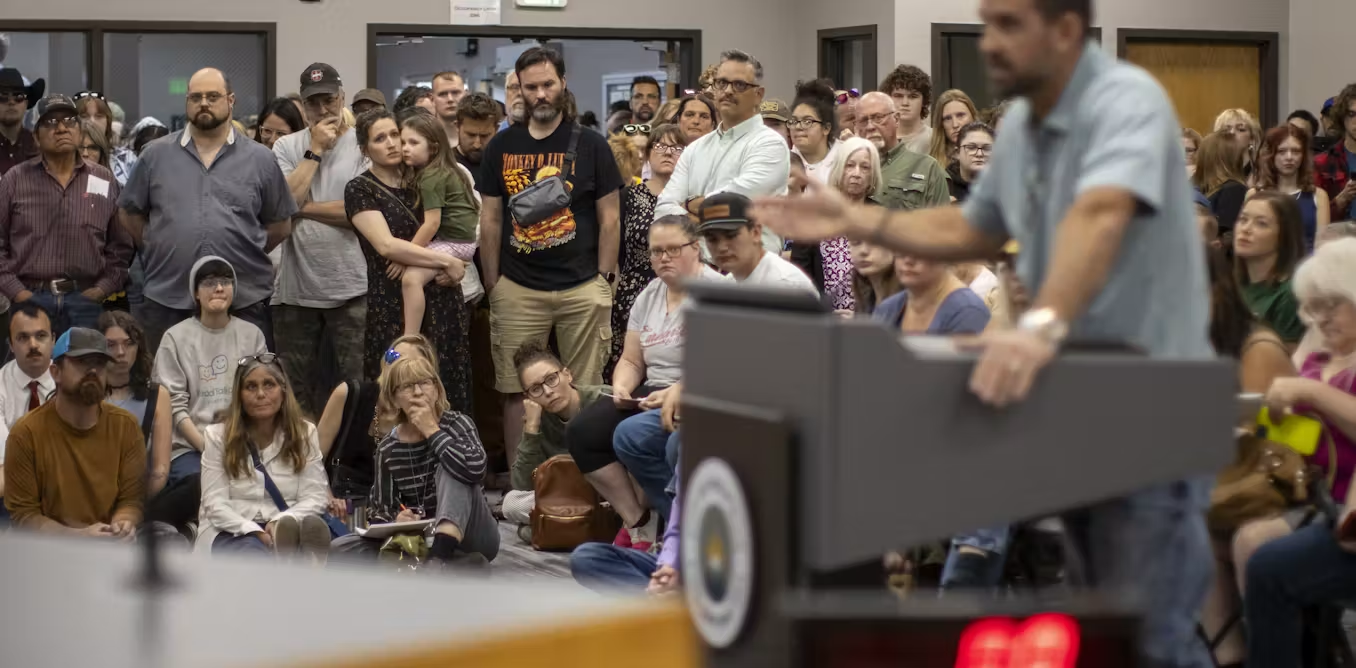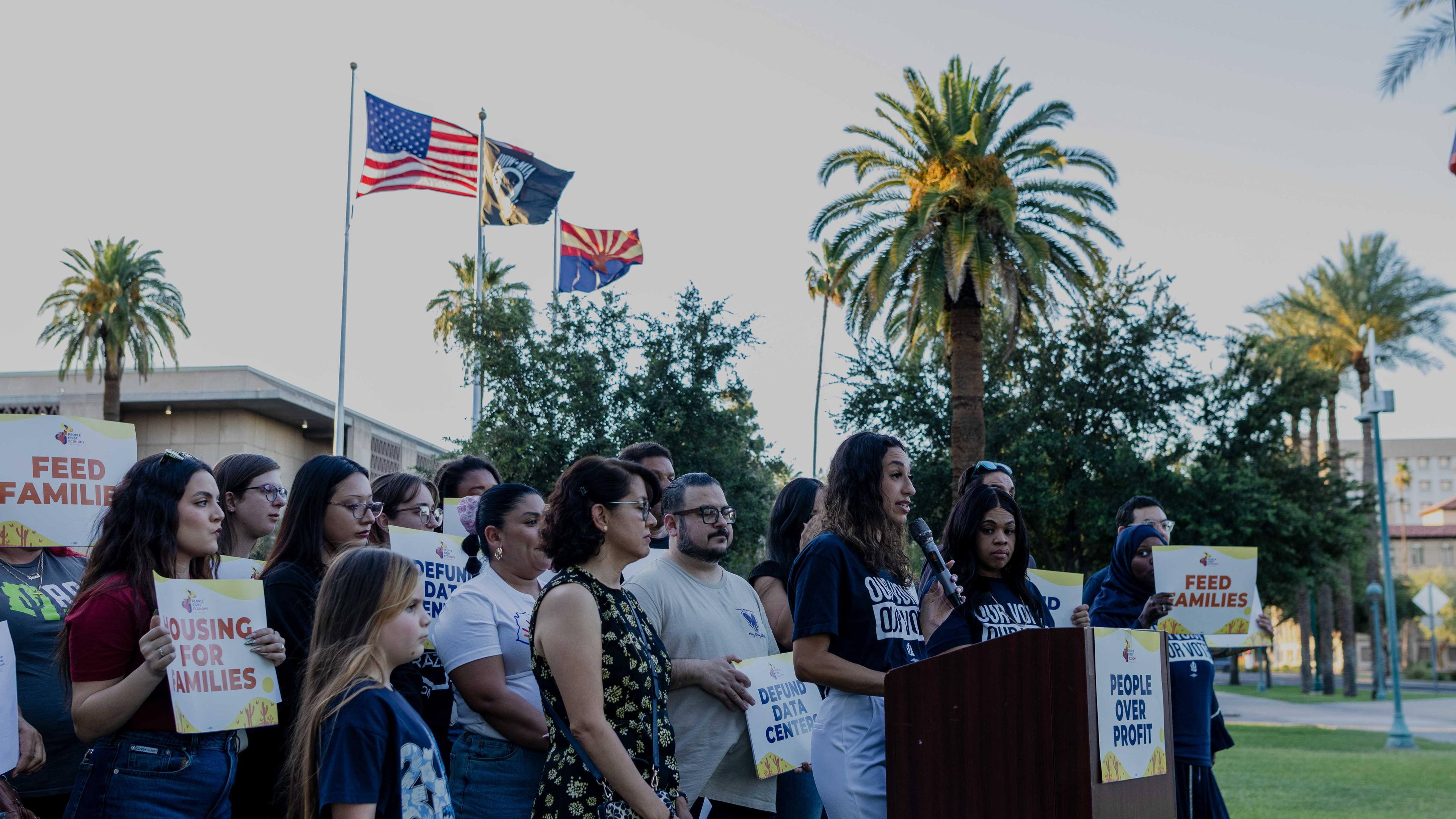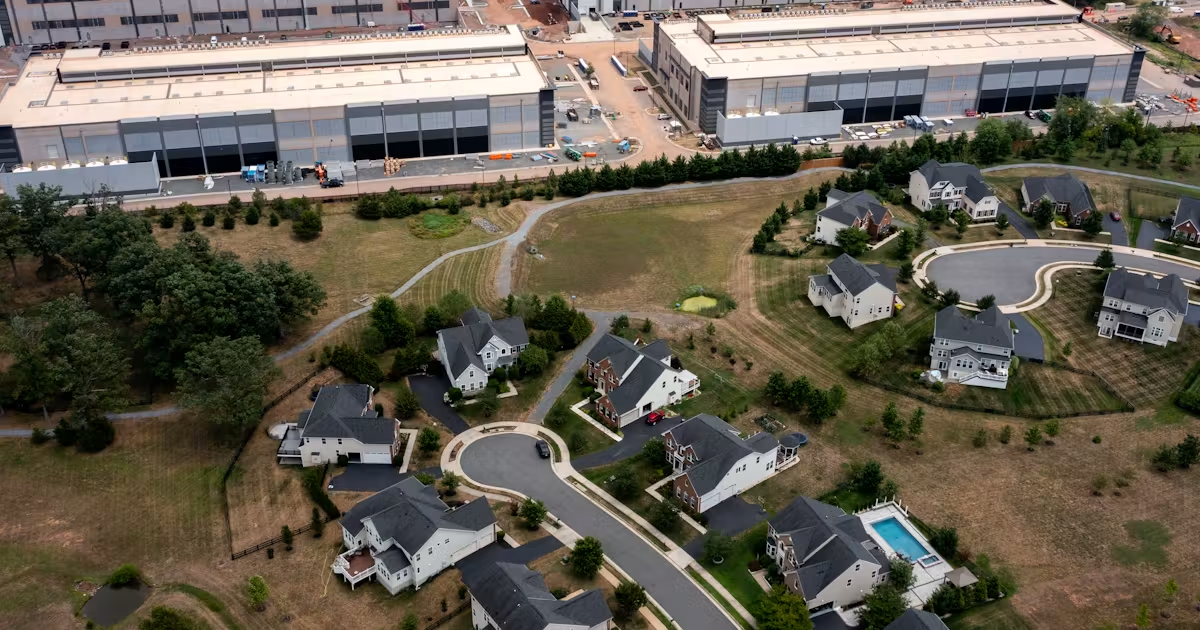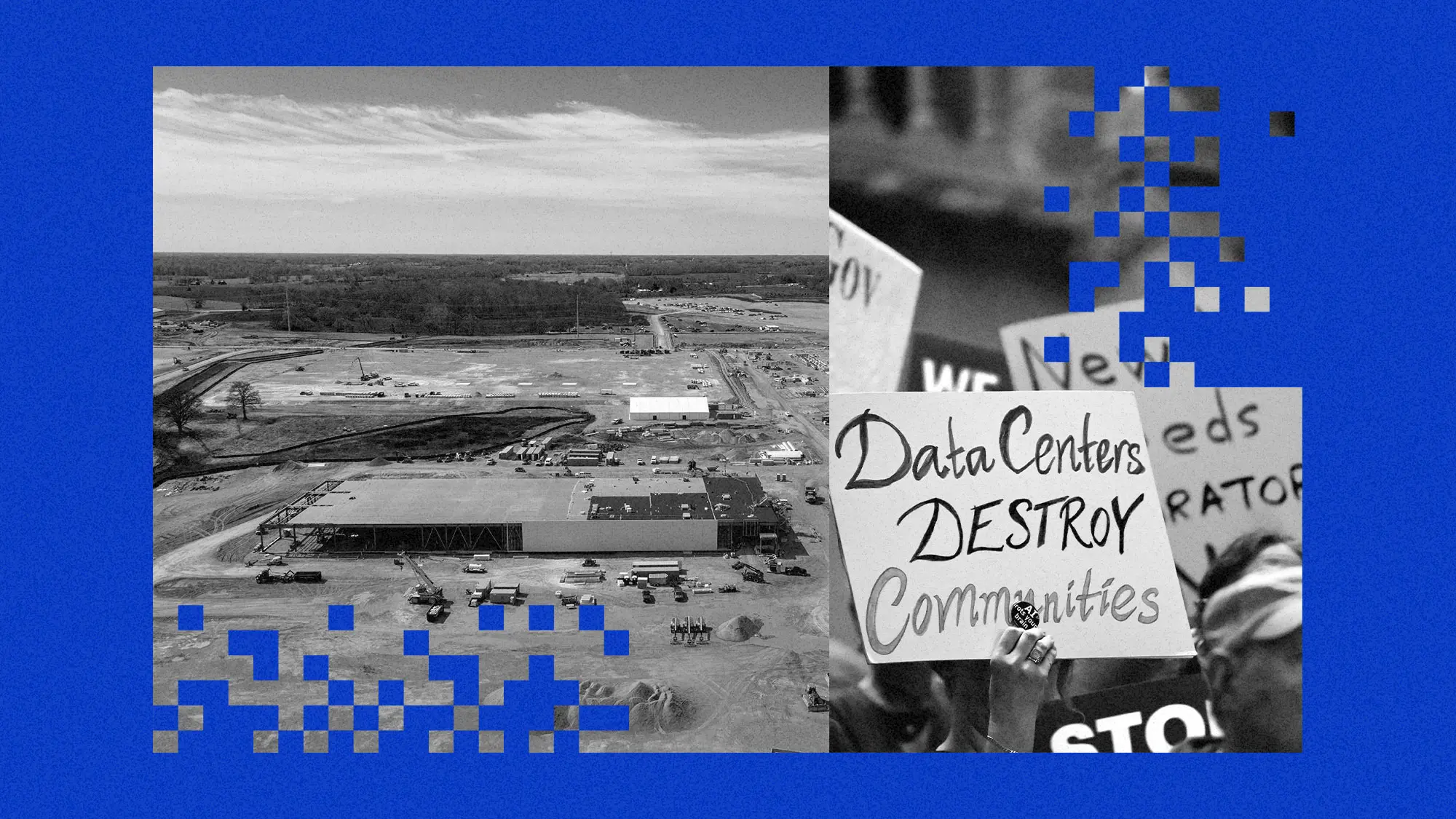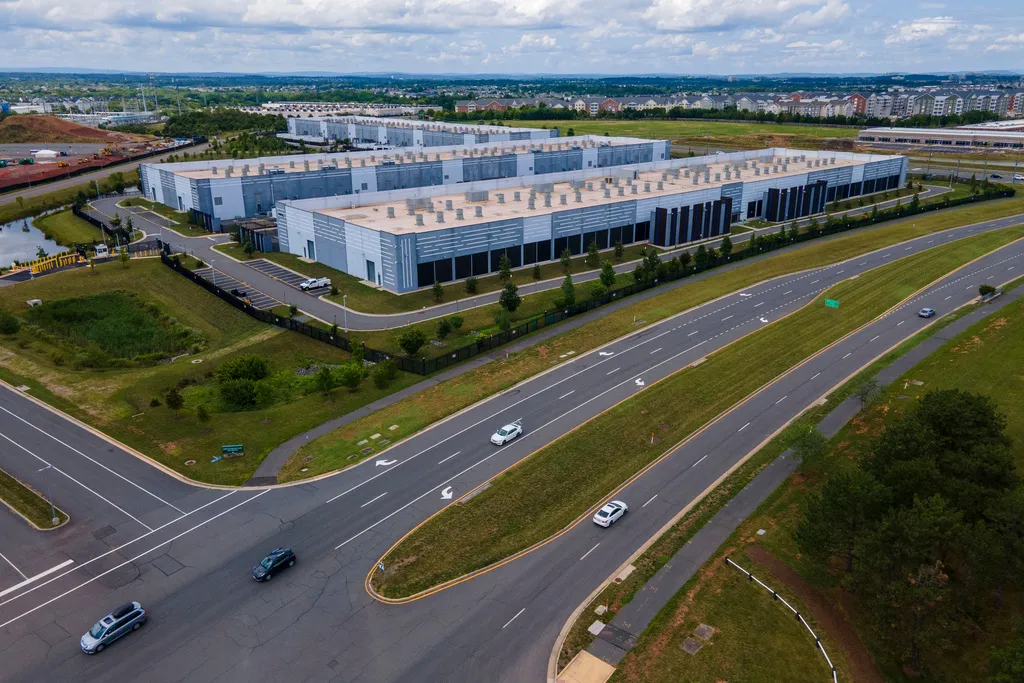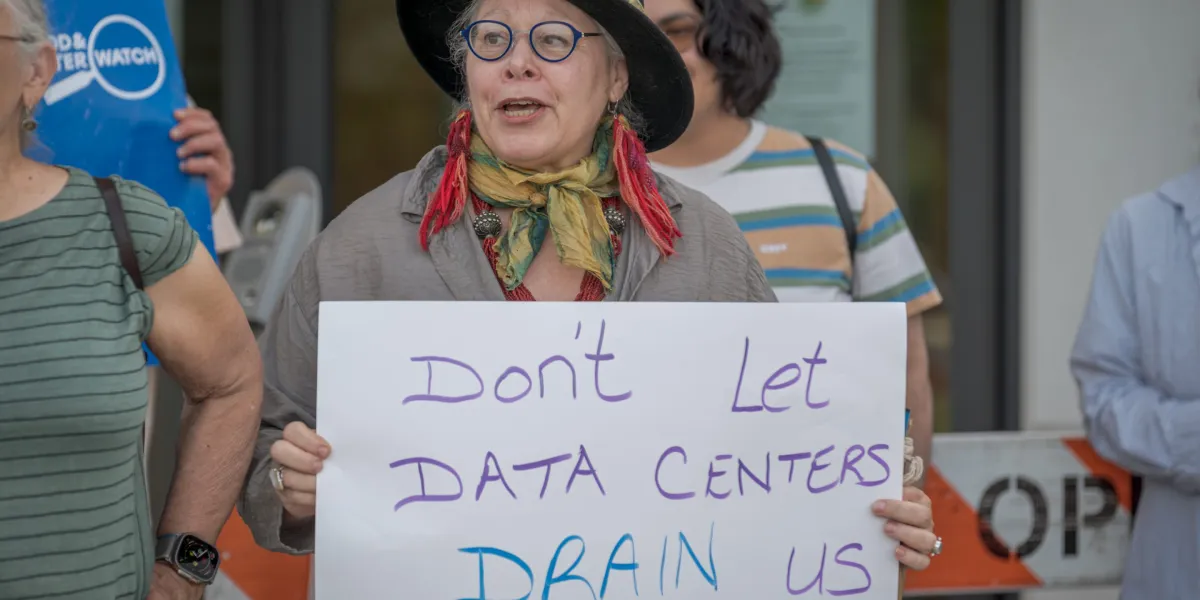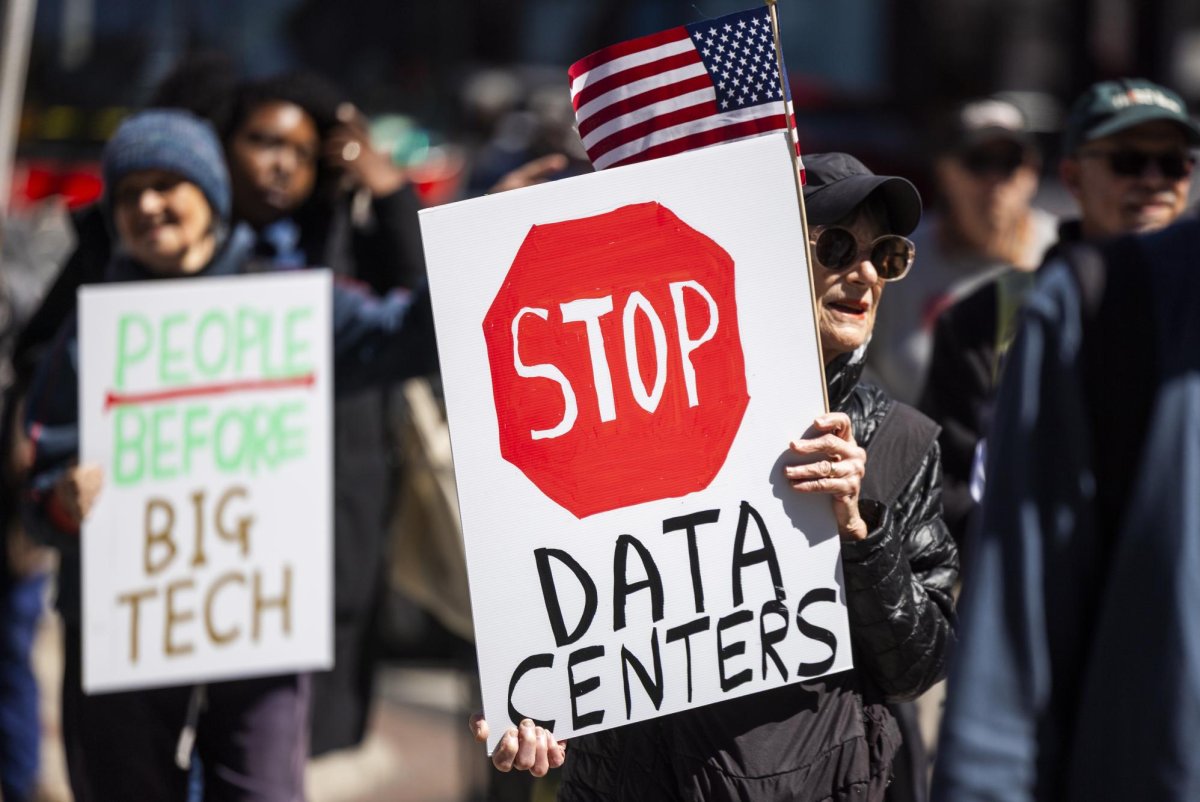
I’m a Harvard researcher studying the relationship between data centers and energy. I’ve closely monitored how local governments respond to proposals or even just concerns about the potential for data centers in their communities. What I’ve found is a complex story of community needs, political tensions and corporate power – all interacting with local, state and national democratic processes.At the community level, technology companies claim that data centers bring jobs, economic revitalization, digital connectivity and economic growth to local communities.Local leaders, like these in Evanston, Wyo., are faced with questions, and potential opportunities, when data centers are proposed in their communities. Natalie Behring/Getty Images
Simultaneously, electricity prices continue to outpace inflation, burdening families across the country. These trends reflect, in part, the costly infrastructure investments needed to power data centers.
The local movement
My research has found that local governments across the U.S. are trying to avoid or reduce these harms.
Some counties and cities that don’t have specific zoning rules and regulations for data center development are using short-term moratoriums. These pauses in data center permitting and construction give communities time to consider how to define new laws and regulations about the facilities’ location, electricity use, water conservation and noise buffering.