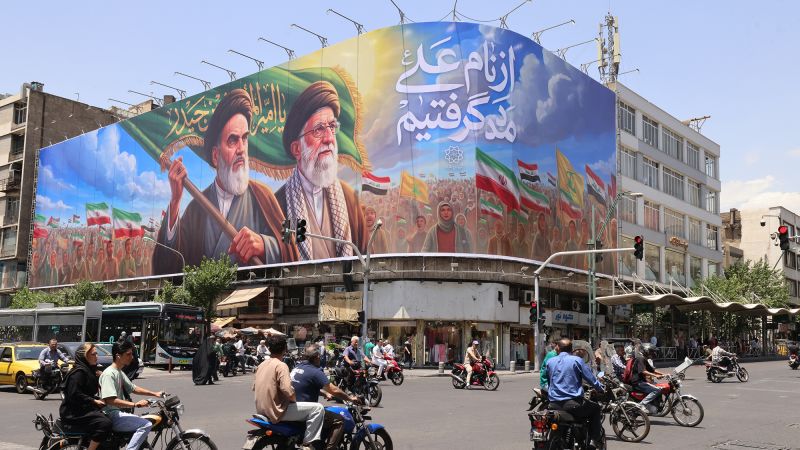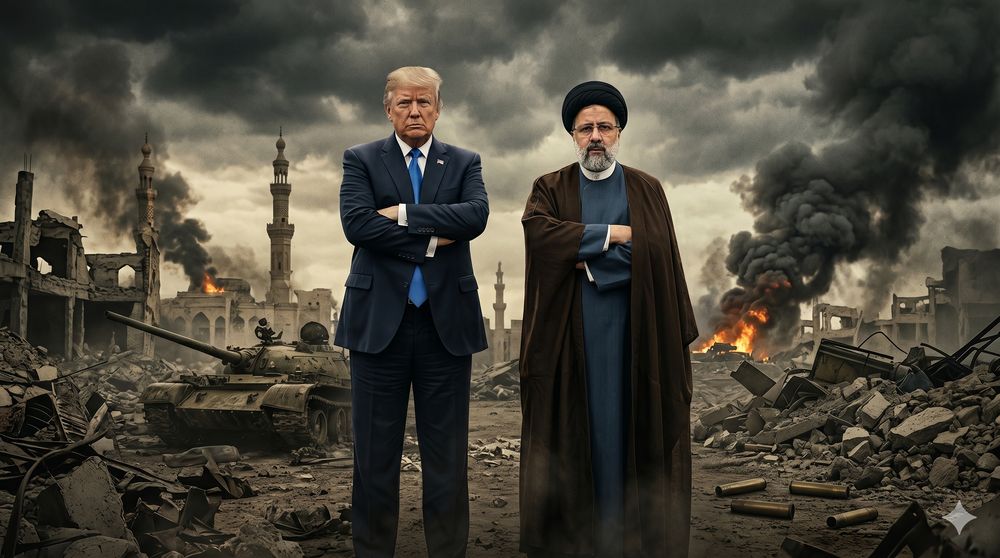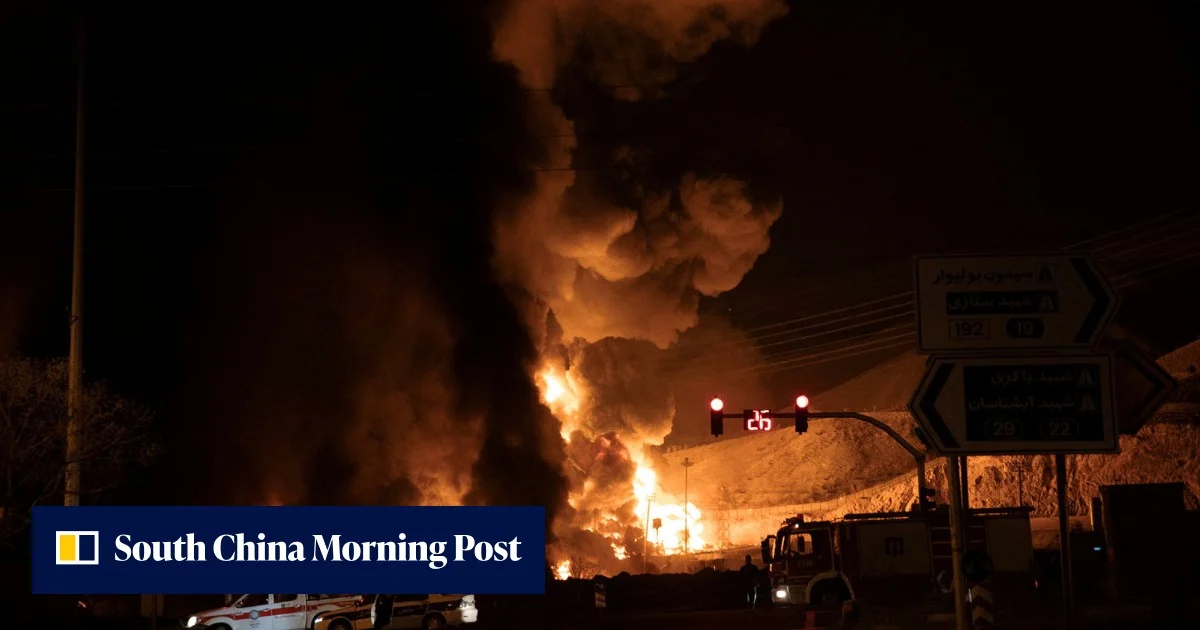
Military campaigns often reveal as much about the expectations of those conducting them as they do about the enemy they seek to defeat. The recent confrontation between the US and Iran is no exception. Over recent years, Western discussions of Iran have largely revolved around military capabilities. Analysts debate missile inventories, drone production, air defense systems, proxy networks and naval assets. Every escalation produces a fresh discussion about targets, strike packages and military responses. Yet there is a distinct possibility that the debate itself is trapped within a tactical framework.JOIN US ON TELEGRAMFollow our coverage of the war on the @Kyivpost_official. The military strategist Antoine-Henri Jomini observed that the first principle of war is to direct the mass of one’s forces against the decisive point. The challenge, of course, lies in identifying that point correctly. History is filled with examples of armies achieving repeated battlefield successes while failing to strike the source of an adversary’s strength. This possibility deserves serious consideration when examining Iran. Iran’s ability to endure The Islamic Republic has withstood sanctions, covert action, cyber operations, economic pressure, targeted assassinations and, most recently, the sustained military pressure of Operation Epic Fury. Senior commanders have been removed. Military infrastructure has been degraded, and proxy organizations have suffered severe setbacks. Yet the Iranian state continues to function, adapt and resist.
Why Iran Endured: One Target the US Didn’t Hit
Iran has survived Operation Epic Fury not through military strength but through the economic core the US avoided targeting – leaving its true resilience largely untouched.
1,251 words~6 min read