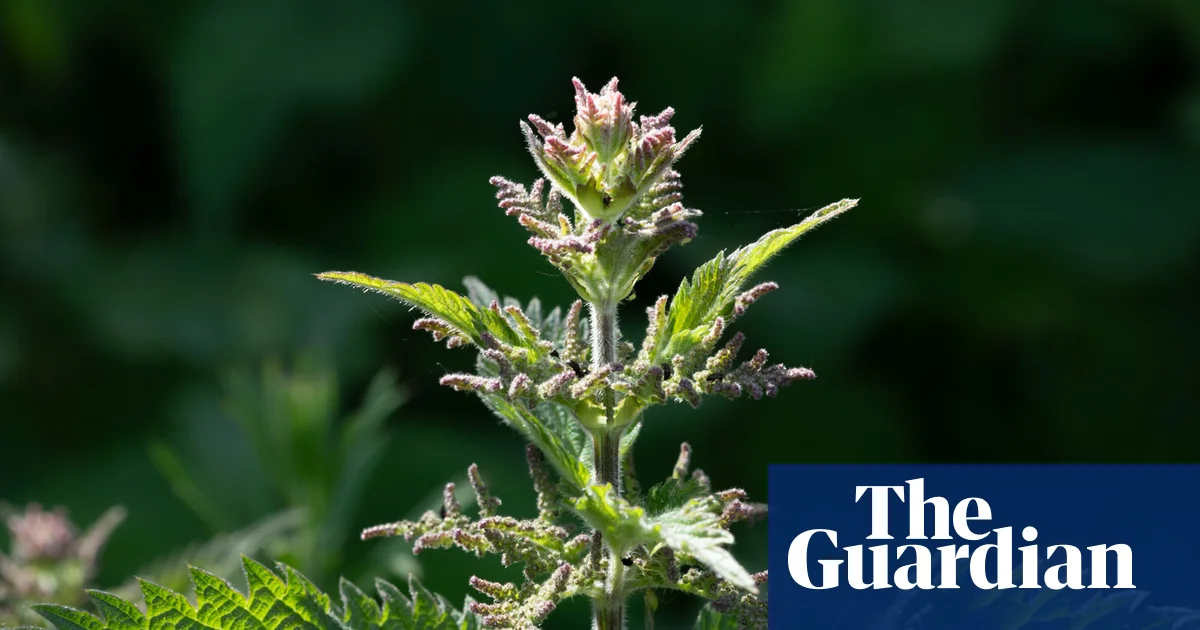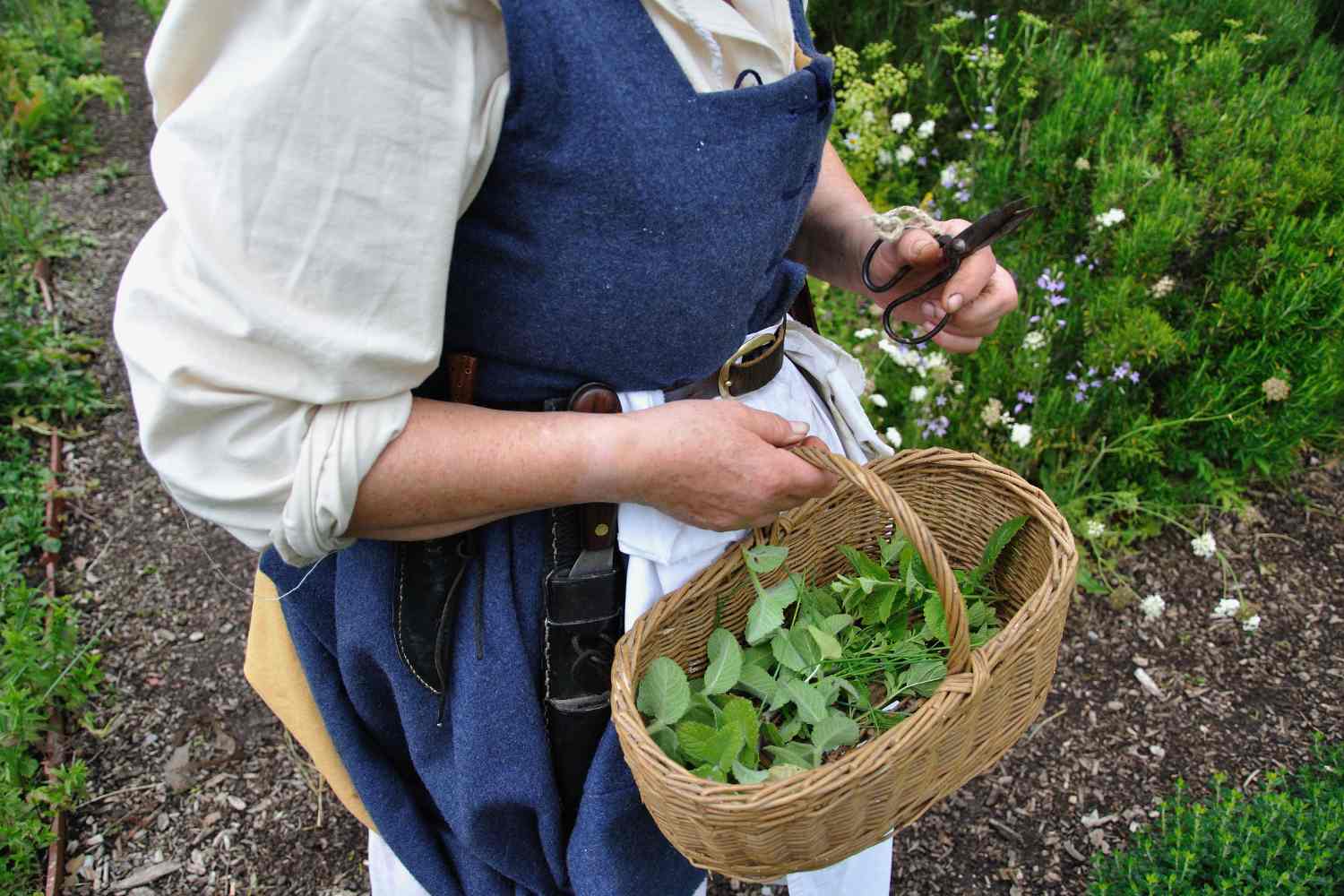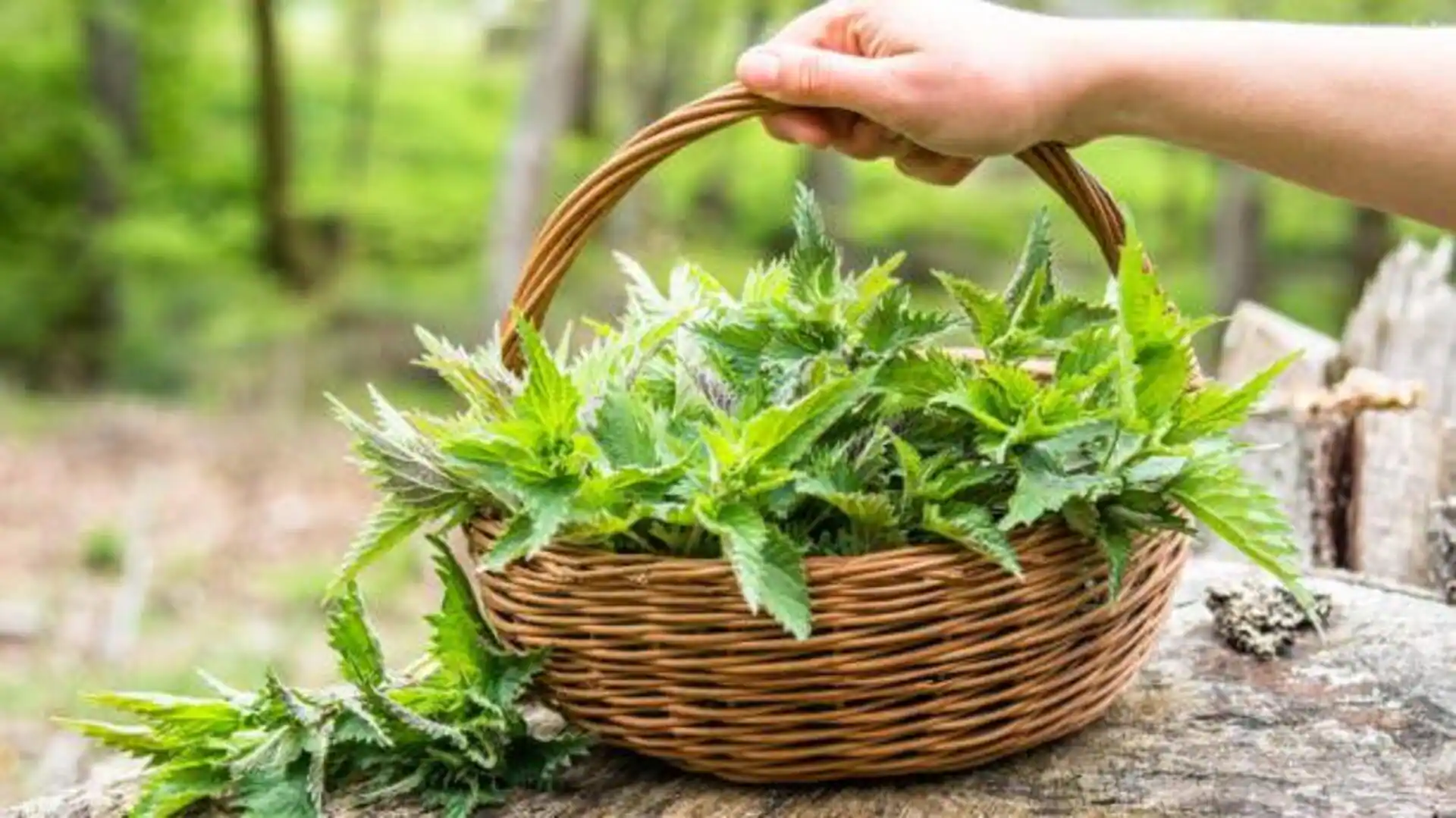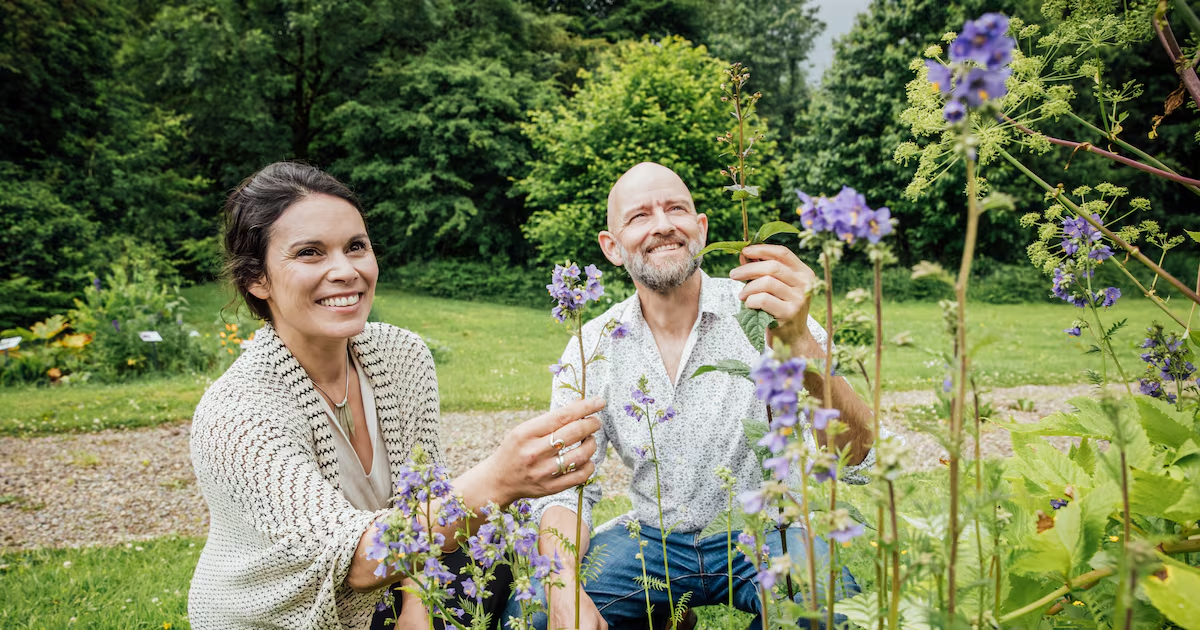
Even in the most manicured of green spaces, stinging nettles, feathery dandelions and umbels of angelica find space to grow.Some of us see these plants as weeds to be sprayed or a homogenous green blur from the car window. For others, these plants and hundreds more that grow on this island constitute a living apothecary, plant medicine beneath our feet.Those who dry herbs to make teas, grind roots, or steep flowers in alcohol to make tinctures are often known as herbalists, and they have deep roots in Irish society.“It’s easy being a herbalist in the countryside,” says Marina Kesso, who owns and runs Ivywood, a nursery and herbal clinic in Co Clare with her husband, Ross Hennessy. “People here are only one or two generations removed from when it was common to have a herbalist in every village. They don’t need any convincing when it comes to the power of plants and herbs.”Internationally, there appears to be a growing desire to harness the potential power of traditional medicine, including nature-based remedies and holistic practices. In 2025, the World Health Organisation adopted a decade-long strategy to establish a robust evidence base for traditional medicine practices, develop regulation of treatments and practitioners and, where appropriate, integrate the practices into mainstream healthcare.Around 40 per cent of pharmaceutical products today draw from nature and traditional knowledge, including landmark drugs like aspirin, which comes from willow bark, and the anti-malaria medication artemisinin, which comes from sweet wormwood. Other household favourite remedies commonly sold in pharmacies include arnica, a plant in the sunflower family often used to prevent bruising, and Bach’s Rescue Remedy, made from flower extracts and used for calming nerves.“Many herbal preparations have shown benefit in managing minor ailments, with studies showing a solid scientific basis for their actions,” says Professor John Walsh of the School of Pharmacy and Pharmaceutical Sciences at Trinity College Dublin. “Indeed, some herbal preparations have been the inspiration for new conventional medicines.”This institutional investment mirrors what Kesso has seen happening locally over the past few years, as people’s interest in growing and foraging plants to make traditional remedies has grown.Herbalist Marina Kesso. Photograph: Brian Arthur “Foraging has become a huge thing over the last 10 years,” she says. “People’s understanding and their interest in wild plant medicines have really developed, and that’s fabulous to see.”“The older generation of herbalists has always been busy, but work quietly and tend not to advertise, but there are a lot more community herbalists now. They might not have the same level of training, but they have a lot of knowledge, and they’re driving a lot of interest.”Some herbalists, such as Kesso, undergo years of training and clinical practice, and others take a different route.“A lot of what I know is self-taught, community-taught. I’m a deep lover of books, and the plants teach me things too,” says llewyn máire, a community herbalist based in Clare. “My mother taught me what she knew about growing vegetables and herbs. She was a politically oriented hippie. As a queer neurodivergent child, I spent a lot of time with my flora kin rather than with other people.”Máire was born in the US but moved to Ireland 10 years ago. They now run courses through Savage Craic Apothecary, at Common Knowledge Centre, a nonprofit organisation in the Burren, Co Clare. Here they teach people plant medicine skills that can easily be shared with others.“I make things on a small scale, like remedies and ferments,” they say.“We also do a lot of free medicine-making events, like how to make fire cider [a tonic believed to boost immunity, typically made from apple cider vinegar, onions, garlic, horseradish and other ingredients], things that are easy for people to go and share with others. I do sometimes see people one-on-one, but it’s informal and collaborative.”llewyn máire, a community herbalist based in Clare who runs courses through Savage Craic Apothecary at the Common Knowledge Centre in the Burren. Photograph: Ciara Parsons Máire is part of this new generation of community herbalists who are working back towards the old Irish tradition of an bean feasa: the wise woman in every rural Irish village who looked after her community with plants and herbs.From the Irish Folklore Archives, which are rich with accounts of folk healers, we know these women, and sometimes men, were trusted and respected by their neighbours, due to their extensive knowledge. But these herbalists guarded their “cures” closely. Remedies were passed between family members, and if there was no one left to tell, the “cures” were often taken to the grave.The current generation of community herbalists is honouring the tradition of growing and foraging for herbs and plants available in Ireland and breaking with customs by sharing their information freely in person and online.Terri Conroy, who works online under the name Danu’s Irish Herb Garden, has more than 200,000 subscribers on YouTube, where she posts videos of herself in her garden or walking the country lanes around her cottage in the west of Ireland.In a beautifully meandering style, she points out different herbs in the hedgerows, or shows how she makes a tincture from hawthorn blossoms and young leaves, or a skin salve using dandelion.“It is supporting people to be able to grow, forage, and dry plants to make their own remedies at home,” Conroy says. “My dream is that every woman can be her own family’s herbalist. Men can do it too, but throughout history, this role has been woman’s. I think it’s because women are just more intuitive.”Herbalist Terri Conroy, who works online under the name Danu’s Irish Herb Garden We are speaking via video call, and Conroy is in her kitchen apothecary, where herbs are hanging to dry, and tall shelves are stacked with neatly labelled brown bottles.As a community herbalist, Conroy helps her own family and friends with remedies, but her work is largely focused on communicating knowledge to others through courses and online videos.Conroy reflects on the contradiction that so many of us are prepared to buy a box of pre-bagged dried nettle or mint tea, but we still have a fear of going out and picking the leaves ourselves for fresh tea.“I think it’s part of the problem of modern society that there’s been a disconnect,” Conroy says. “It’s something I have to work on with people to encourage them to trust themselves.”Conroy has seen an uptick in interest in recent years in the online herbal courses she teaches. This is coming, she believes, from people’s deep desire to be more self-sufficient.“People from every generation want to be less reliant on the modern world,” Conroy says. “There is a sense of freedom to being able to make things for yourself.”There can sometimes be a perception of alternative, complementary or herbal medicine as expensive and elitist. Private consultations are not available through the public health system, and are unlikely to be covered under health insurance.In recent years, herbs have been co-opted by the wellness industry and marketed heavily by some of the most famous women in the world, including Kate Moss’s €24 herbal tea bags, Elle MacPherson’s €60 monthly subscription to her “elixir” food supplement brand, and Gisele Bündchen’s promotion of €32 dried nettle leaf capsules.Community herbalists are fighting hard against this advertising that beneficial herbs must come in glossy packaging, and are the purview of those with high levels of disposable income. They are trying to make both the herbs and the necessary knowledge of how to use them accessible to as many people as possible.Some are going directly out into communities in need, such as the Dublin Herb Bike, a mobile clinic providing free herbal care and comfort to unhoused communities around Dublin. Cofounded by Lorna Mauney-Brodek and Anna Drews, the Dublin Herb Bike sets up on the third Thursday of every month outside the GPO on O’Connell Street, where people can avail of advice, herbal remedies and care packs.Leasha Hogan, a community and folk herbalist in Belfast In Belfast, Leasha Hogan, a community and folk herbalist, works with a wide range of communities, from mother and baby groups to asylum seekers and older people in residential care environments. “It’s a participatory exchange, not just me coming in and telling them what to do,” Hogan says. Her work is about 50 per cent paid and 50 per cent voluntary.At the outset, she asks groups what issues they are experiencing and helps them choose what herbs to grow. As she says, even the most gentle herbs can make a difference for people, so if someone is having stress with stomach problems, they might grow chamomile. Hawthorn could also be an option for stress and anxiety. Lemon balm can be a great all-rounder for all ages, says Hogan.She then shows them how to create herbal remedies from the plants. If the group she’s working with doesn’t have access to growing space, she brings the herbs to them.German tea chamomila (Chamomilla recutita) flowers Calendula officinalis “Because of the nature of the communities I work with, I don’t make tinctures or use any alcohol. I would make a lot of herbal teas with folks, and we would also make syrups and topical balms, using herbs like calendula and chickweed, for skin conditions like eczema, psoriasis and dry skin.”Hogan began studying herbal medicine seven years ago after a positive experience using herbal remedies to support her own mental health.“The connection to nature and the feeling of empowerment of going out and finding my own remedies was really transformative for me,” Hogan says. “I found it really improved my own mental health.”The experience led her to study herbalism for two years with the Irish School of Herbal Medicine in Dublin, and four years with Brighid’s Academy of Healing Arts in Meath..“I want people to have an understanding of what’s growing all around them, so they can grow it and forage it for themselves,” Hogan says. “We’re constantly being told that we have to buy these exotic, faraway things for wellness. And actually, the things that we need are all literally under our feet.”But before heading outside with a basket and secateurs, Walsh, who is also associate director of NatPro, Trinity’s centre for natural products research, cautions that just because something is plant-derived does not guarantee it is safe for human consumption, as many common toxins originate from plants.Highlighting the importance of correct species identification when gathering plants and herbs, Walsh recommends performing quality control on all material collected.“When collecting plants for human use, careful consideration should be given to correct species identification, time of collection, evidence of adulteration, contamination (heavy metals, pesticides, moulds), storage, and stability,” he says.It is recommended to check with a GP in advance of taking any herbal remedies, as Walsh emphasises that some plant constituents can cause herb-drug interactions and allergic reactions, or may be unsuitable in pregnancy, breast-feeding, childhood, old age or certain medical conditions.“Patient safety,” as he says, “is the cornerstone of healthcare.”Advice on foraging and growing herbs for beginnersLavender flowers. Photograph: Getty Terri Conroy never buys dried plants to use in her herbal remedies, but uses what she has grown and what she can find locally. This is both to ensure the potency of the plants and also comes from a belief that local plants are more beneficial for local people.As a first step towards collecting herbs, Conroy recommends getting a plant identification book, and not to rely on plant ID apps. “Then go for a lovely walk and just identify the plants as you’re going along.”For anyone who wants to start growing at home, she recommends buying thyme, rosemary and sage plants from the local garden centre to start with.“Begin by tasting the plant. Ask yourself, how does the taste make you feel? Does it make you feel happy, or does it make you withdraw? Some herbs are very drying, and some are moistening. There are all kinds of ways you can get to know a plant. All of those herbs are wonderful for winter remedies. You can dry them for tea. Use sage at the first sign of a sore throat; and, if you start sneezing, thyme is wonderful.”Leasha Hogan also recommends looking around to see what herbs are growing before planting anything. “Nettle is abundant in so many places and is one of my favourite herbs. I use it in almost every remedy,” she says.For anyone starting from scratch, she suggests thinking about what issues they’re facing or what people in their family or community might need.Three of the most common issues she sees are skin complaints, digestion issues and stress, and there are herbs that are useful for all three.“Chamomile, calendula and lavender can cover a lot of bases and are really useful for people,” Hogan says.“These are easy to grow as well, which is important because when you’re first starting, you want it to work and to feel encouraged.”
The Irish herbalists finding new purpose in ancient remedies
There is a growing movement of people reviving the ancient Irish healing tradition of an bean feasa
2,139 words~10 min read