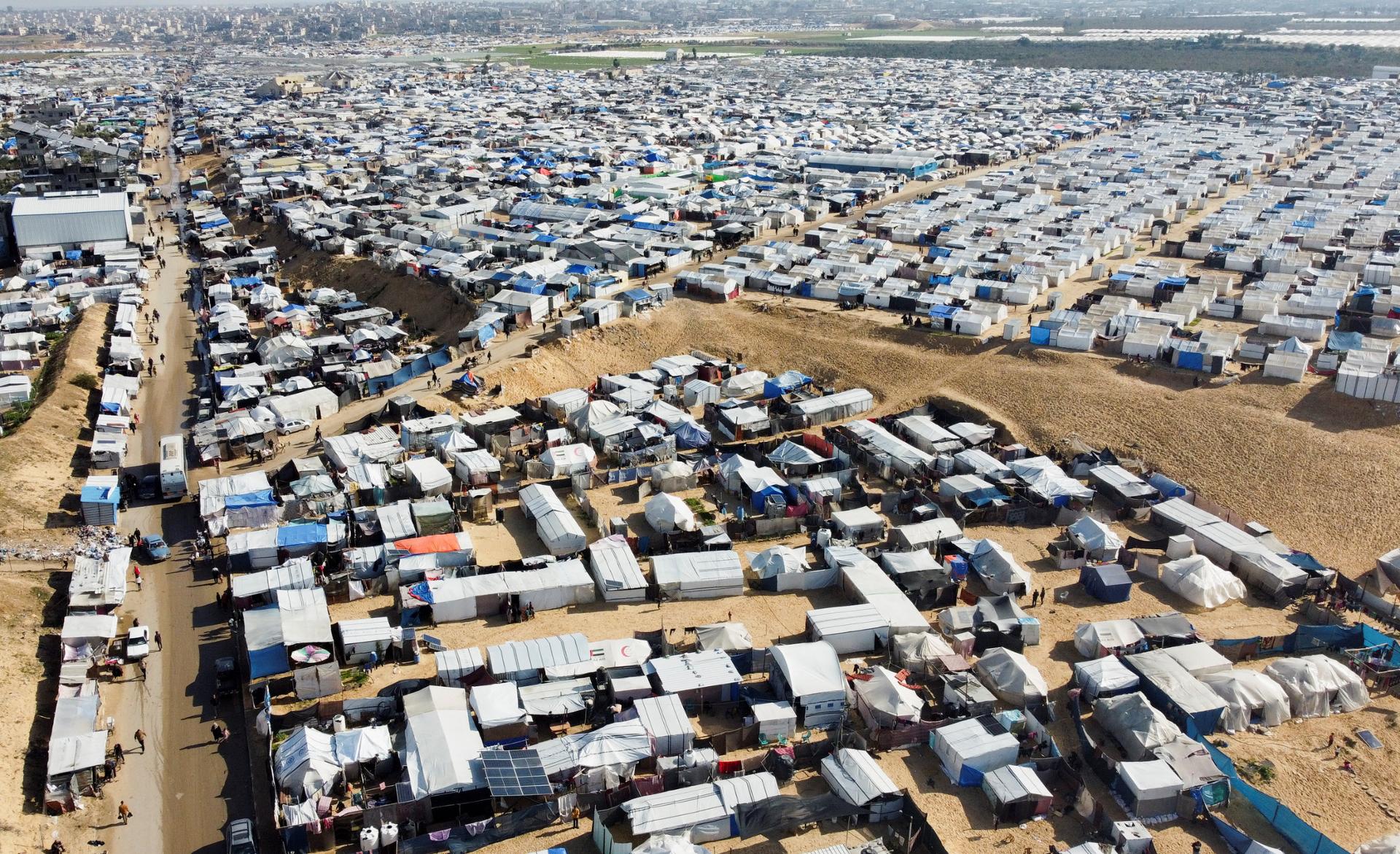
A drone view shows a tent camp where displaced Palestinians shelter, following a ceasefire between Israel and Hamas, in Khan Younis in the southern Gaza Strip, Jan. 23, 2025. Reuters-Yonhap
Gyeonggi Province, the populous economic engine surrounding Seoul, has launched the first comprehensive provincial investigation into the living conditions of its refugee population.
The initiative marks a significant shift in how Korean local governments manage forced migration, moving beyond generalized immigrant support systems to address the distinct legal and socioeconomic vulnerabilities of displaced people.
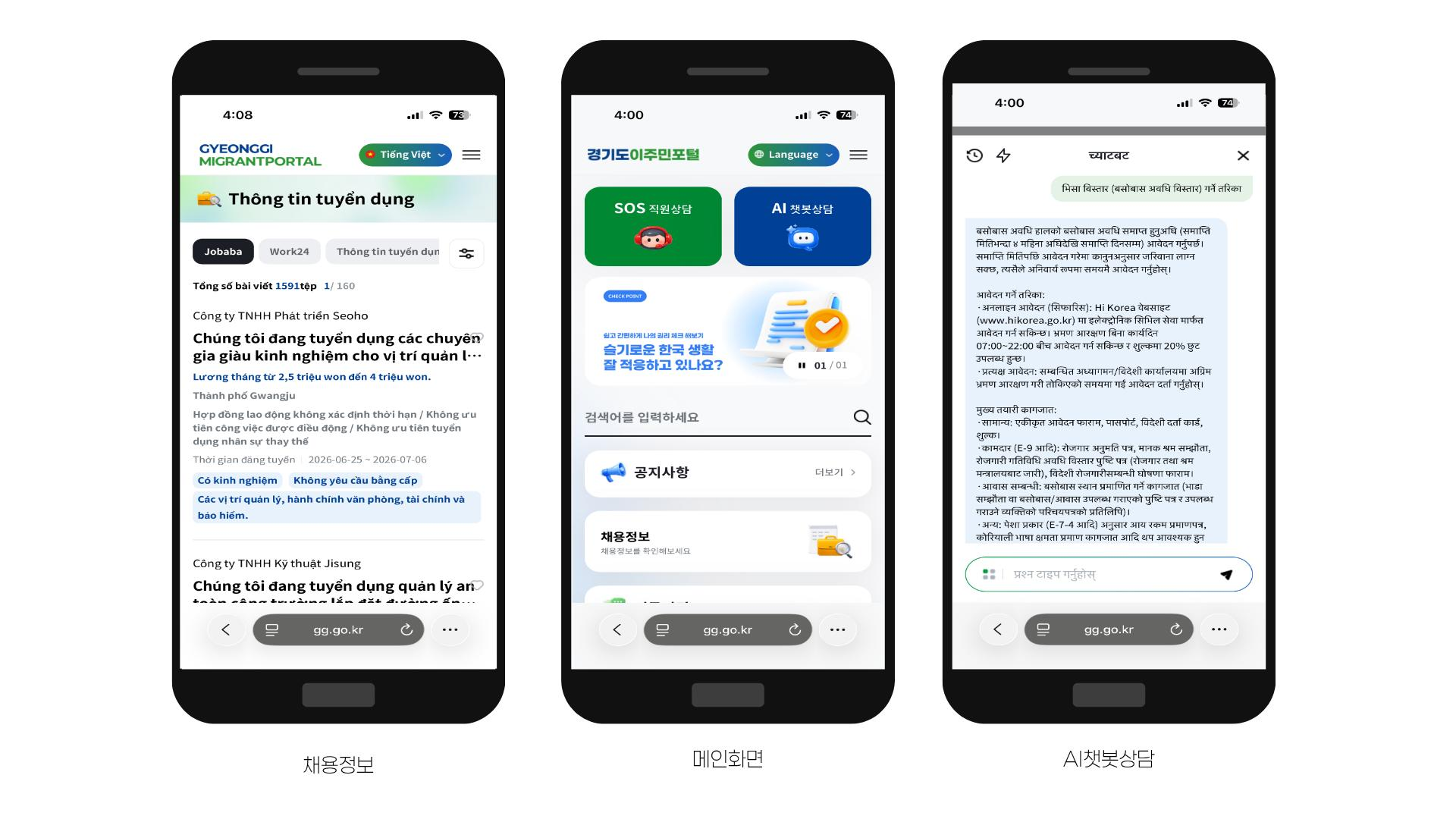
At an inaugural briefing held Thursday at the Gyeonggi Migration and Integration Support Center in Uijeungbu, officials outlined an ambitious monitoring framework designed to map the structural gaps plaguing the state's refugee safety nets. The investigation comes on the heels of the province’s pioneering Ordinance on the Protection of Human Rights and Guarantee of Basic Living for Refugees, enacted last year.
As of late March, Gyeonggi Province was home to 18,169 refugees, representing roughly 2.5 percent of the region's long-term foreign residents. While Korea became the first East Asian country to pass a standalone refugee law in 2012, humanitarian groups have long criticized the central government for its notoriously low asylum recognition rates and a lack of integration infrastructure.