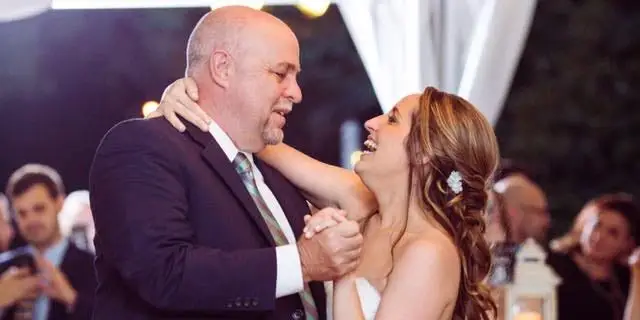
Courtesy of the author
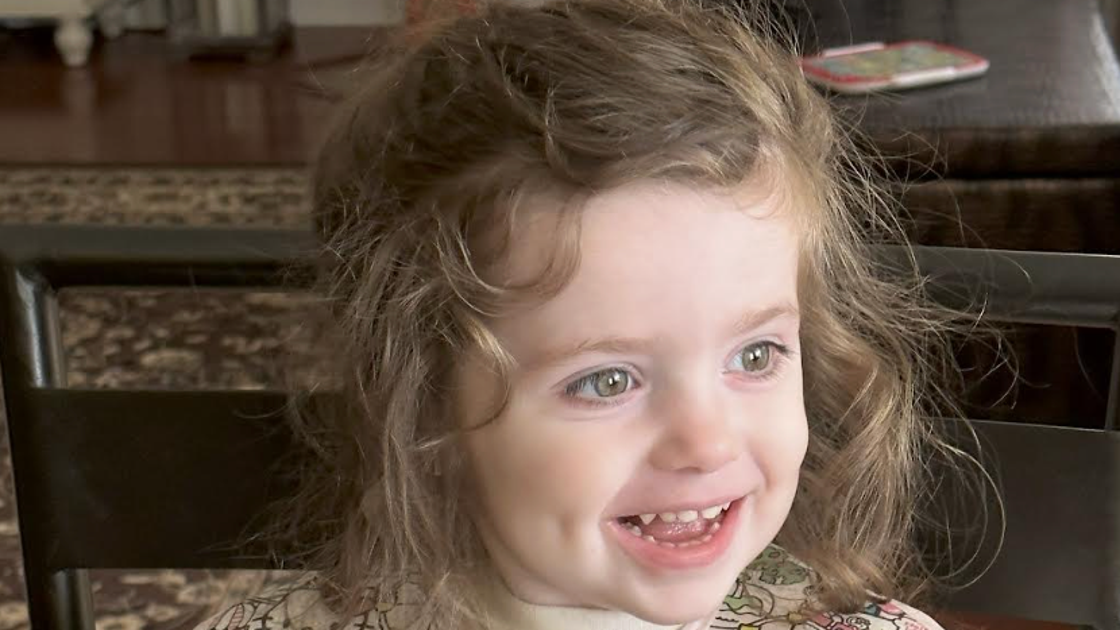
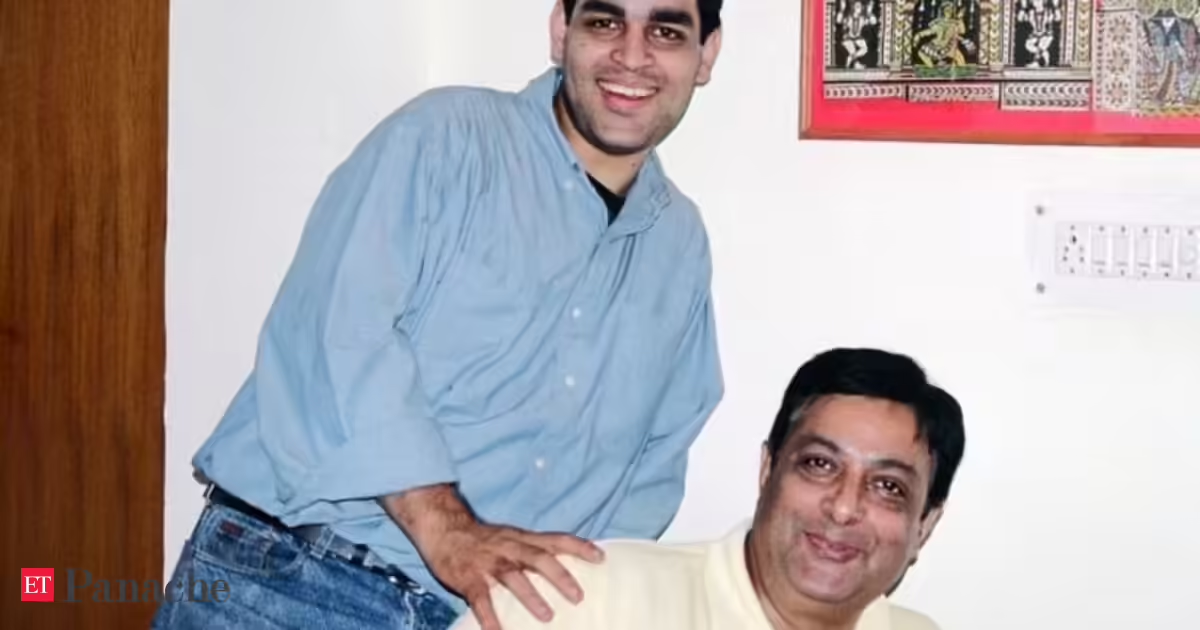
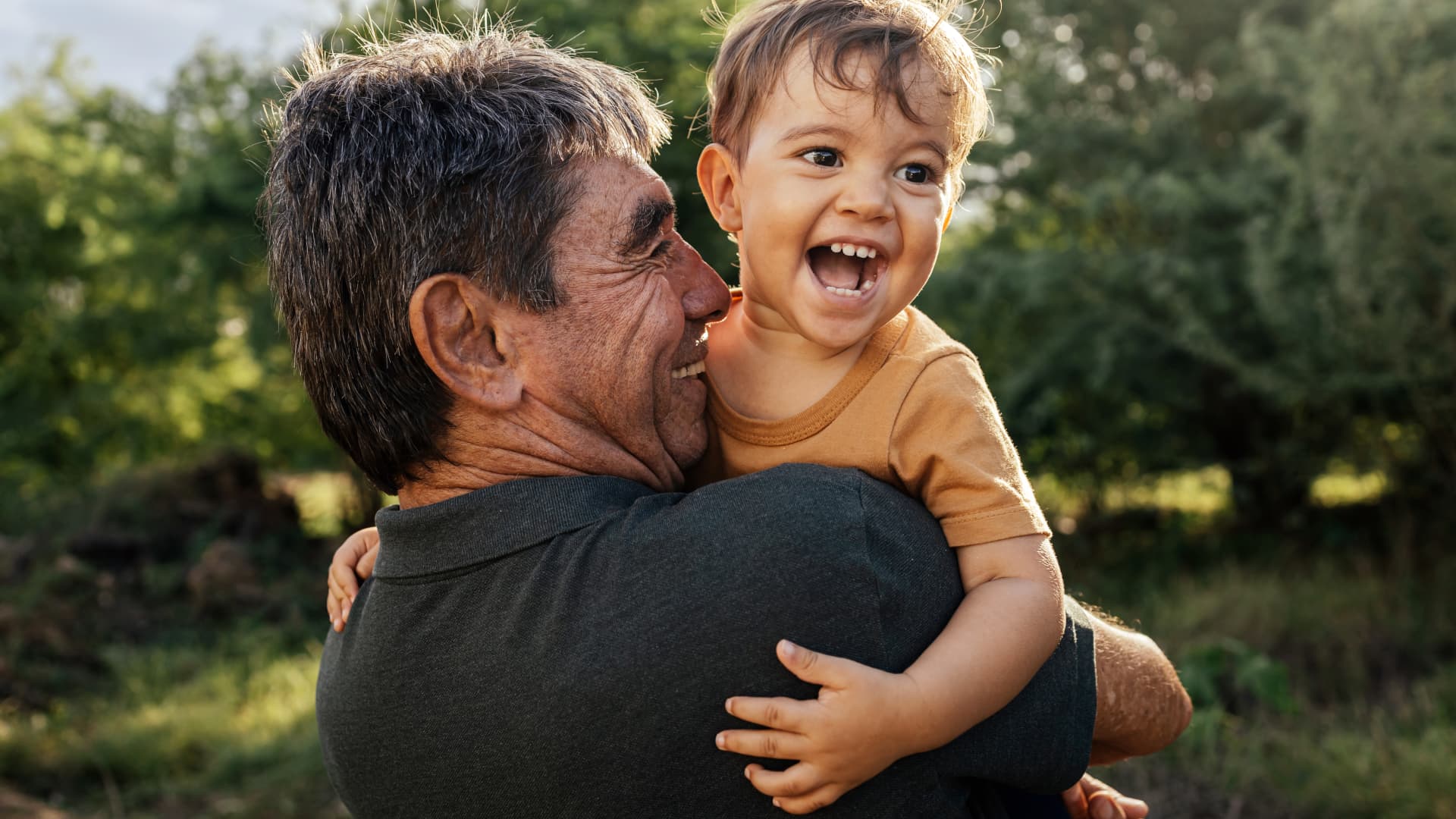
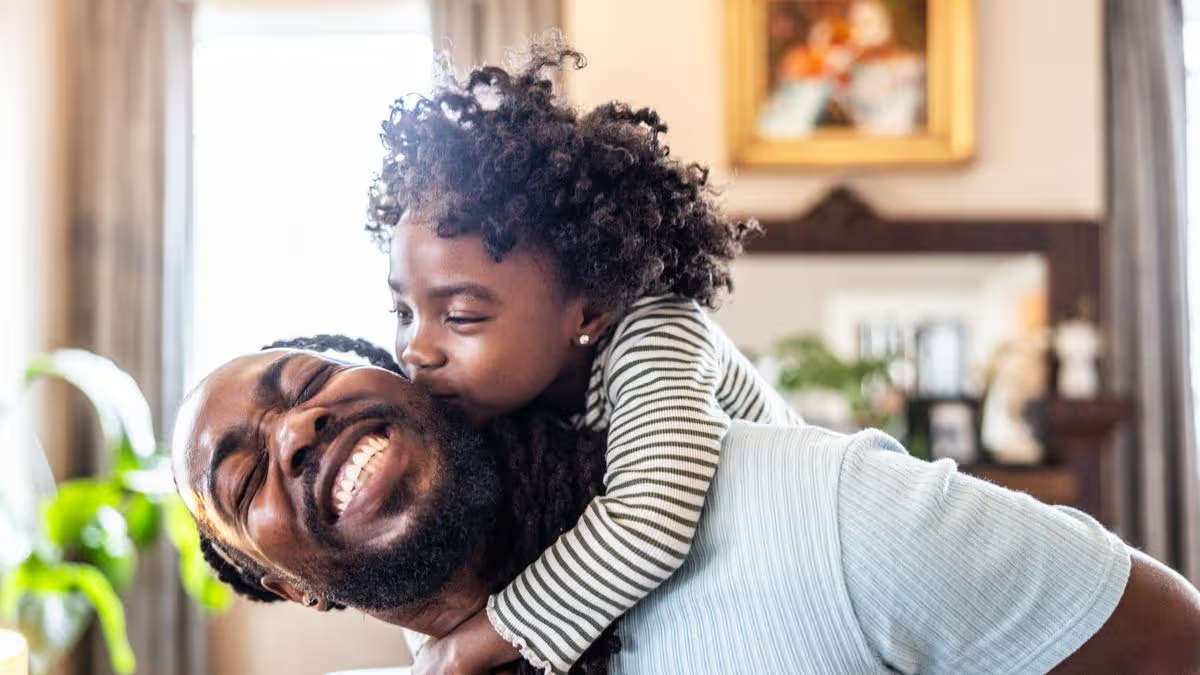
"Pops, I love you!" my 6-year-old giggled as she launched herself into my dad for a bear hug. He hugged her back with a playful eye roll and a slightly exaggerated, "Oh yes, I love you too," before pulling her in for tickles.I catch myself smiling every time I see him with my girls. It's the same goofy energy he had with me as a kid: hugs, tickles, over-the-top silliness. It's like a glimpse into my own childhood. My dad was always the one to make us laugh. He poked fun at just about anything — or anyone — always lightheartedly reminding us, "Hey, there's no slack in this family."
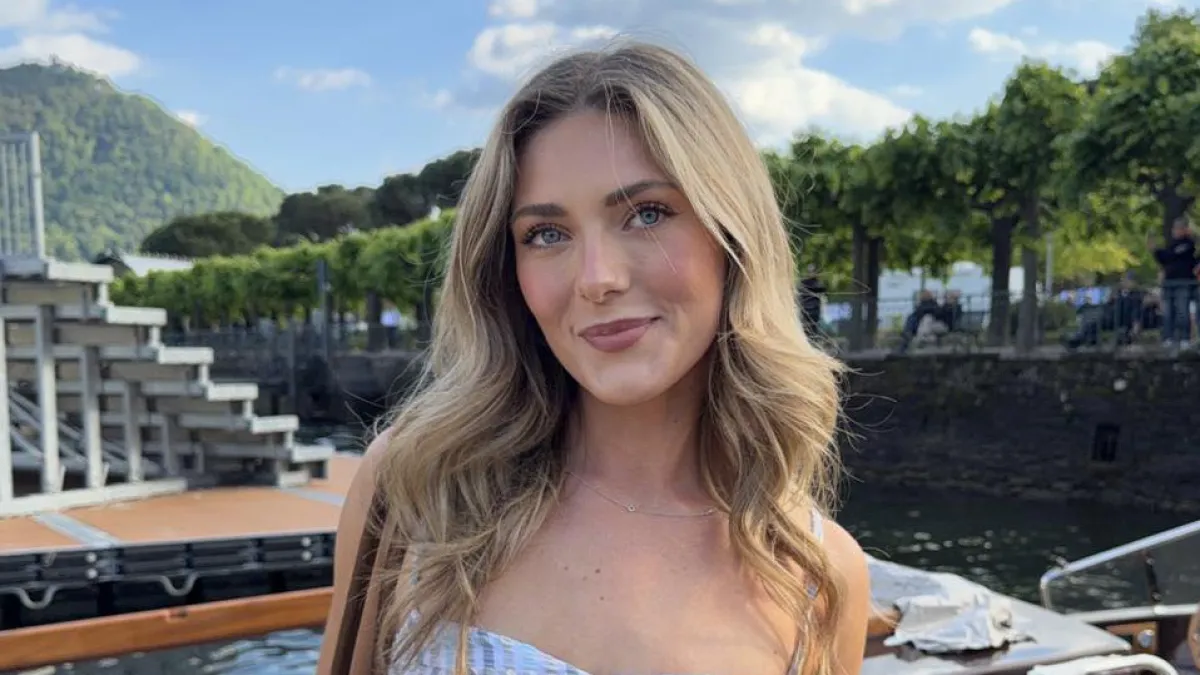
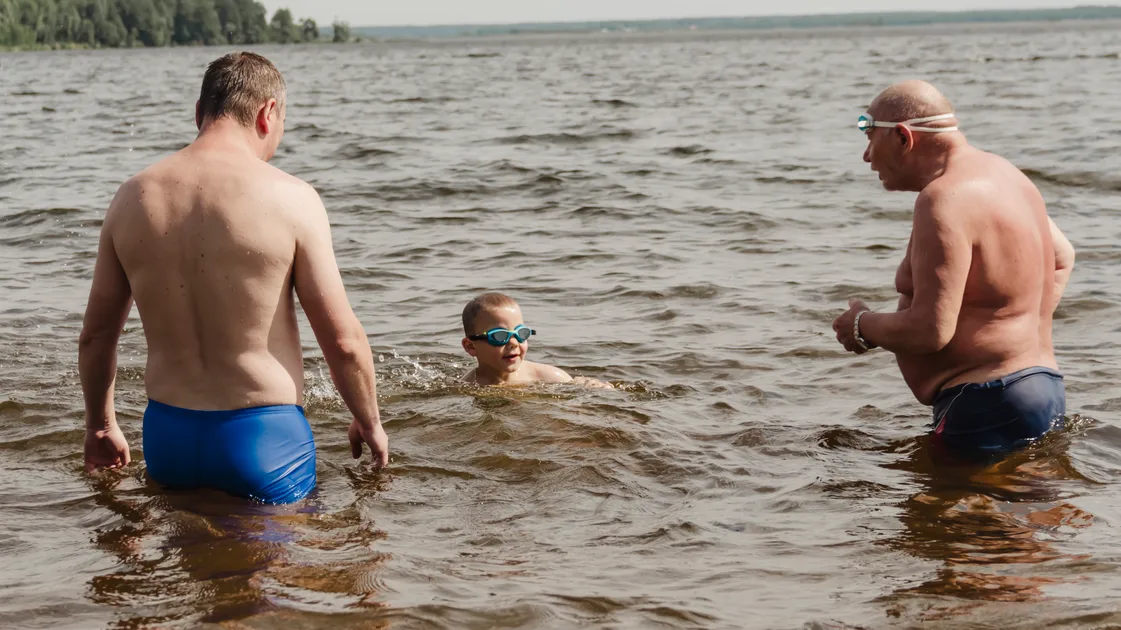
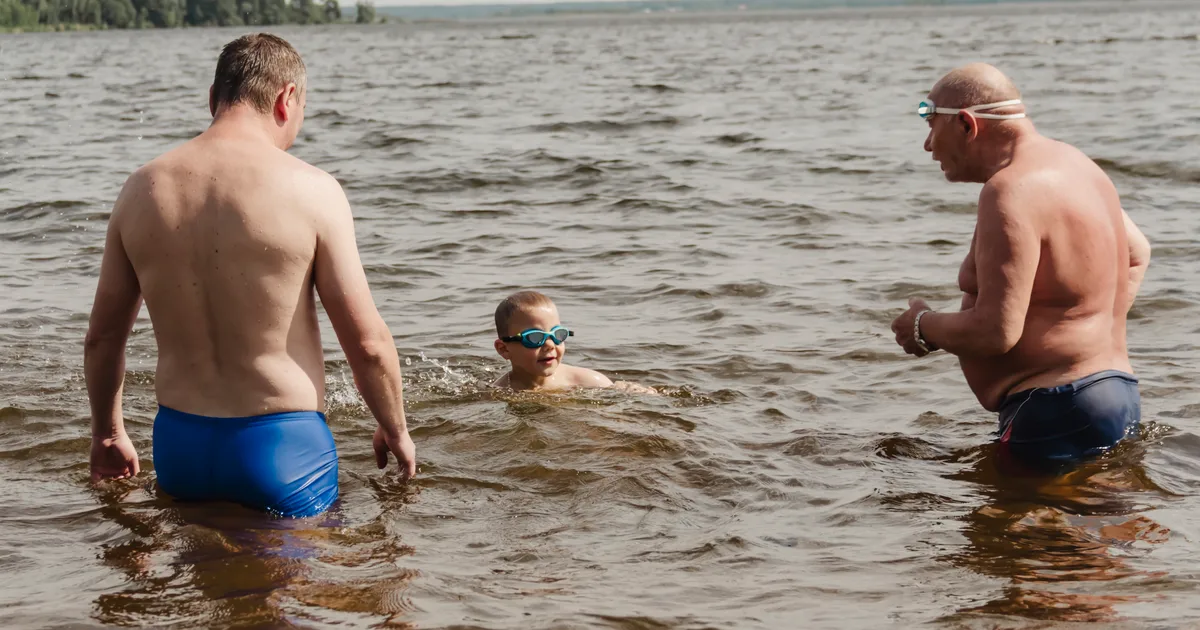
The author's dad always made her laugh.
Courtesy of the author
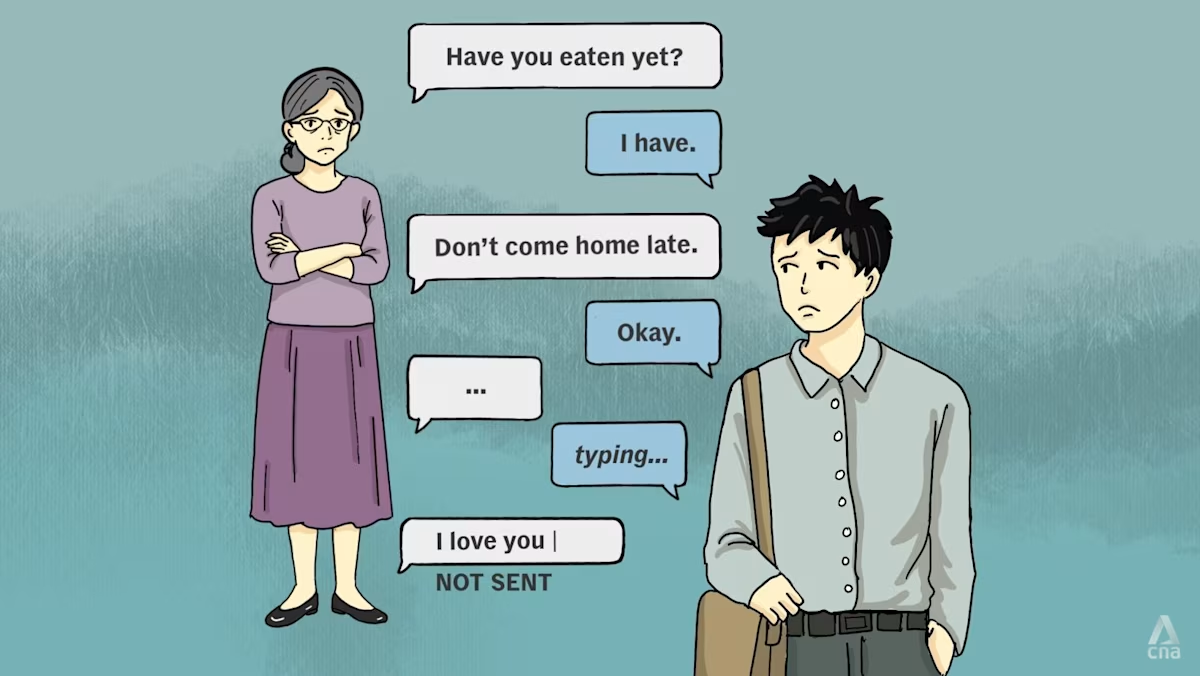
And maybe that's why we had a slightly different way of saying "I love you." Instead, we said, "Like you a lot."It was never said with much seriousness, and most of the time followed by a chuckle — a quiet wink. Of course, he loved me, and I never doubted that. The words themselves weren't off-limits, but at some point, we found something just as meaningful — and it stuck.I grew up with different love languagesBetween my mom and dad, my brother and I grew up with two very different love languages. My mom was the more openly affectionate parent, and loved us in a way that most people imagine a mother to be: warm, doting, attentive, and maybe a little overprotective.But where my mom was cautious, my dad was more laid-back. She wanted to keep us close; he wanted us to venture out. She never held back her emotions; he kept his more subtle. She was the heart; he was the humor.My dad didn't say "I love you" the way others would expect, but his version showed up in other phrases: "I'm proud of you," "You're the best player out there," or, my personal favorite, "I joined the Avril Lavigne fan club so you can get pre-sale concert tickets."