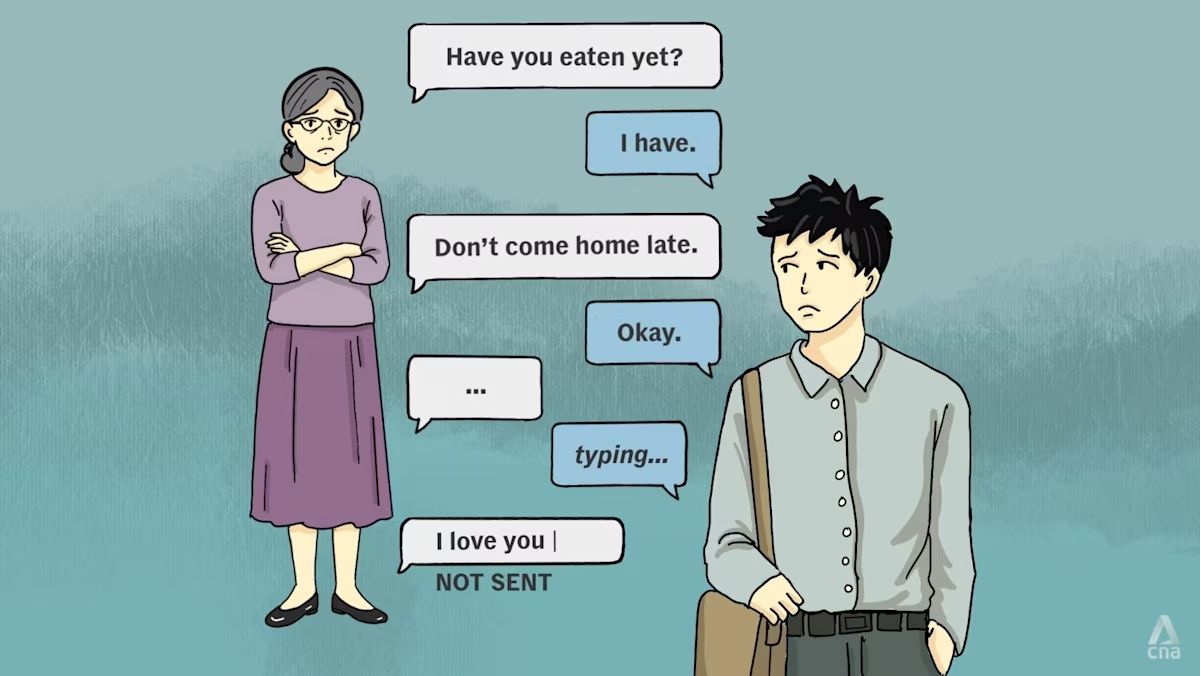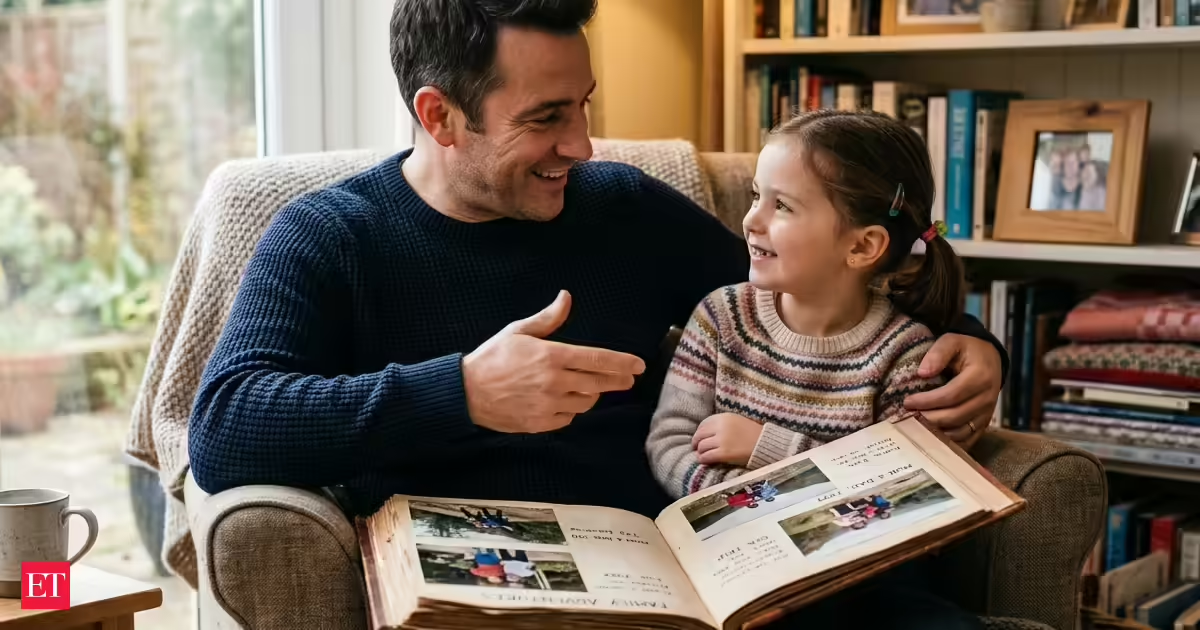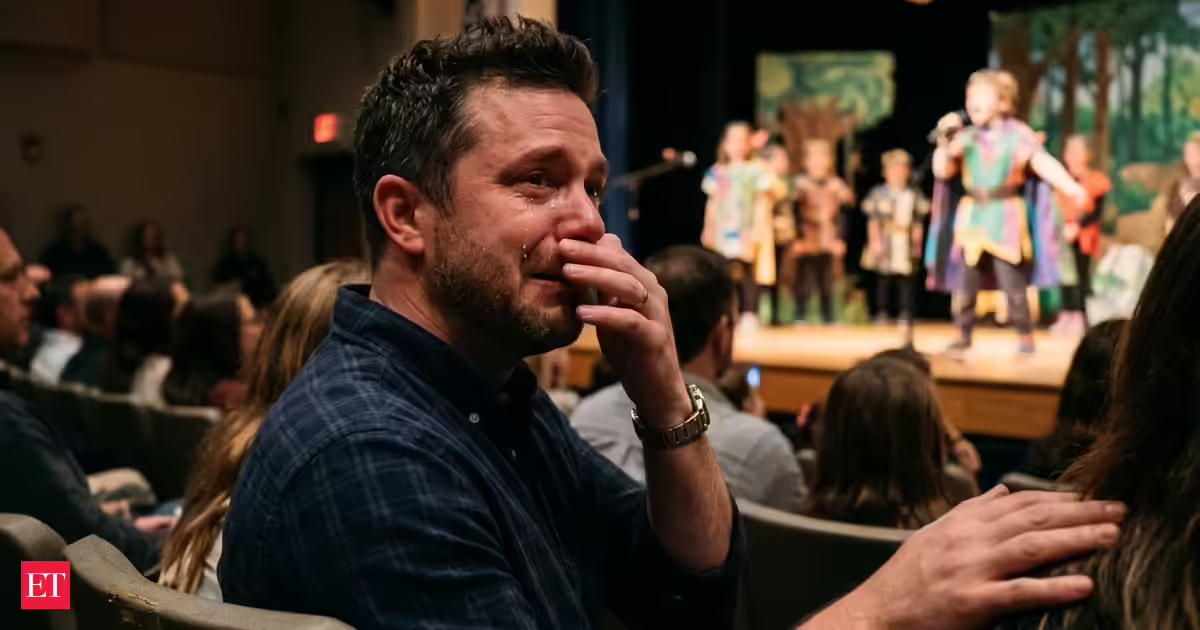
Psychology says fathers who don't show their love to children in words aren't always emotionally unavailable. Many people believe that love must be expressed through words such as "I love you" or frequent praise. However, psychology explains that emotional care can also appear through actions, protection, guidance, and responsibility. Many fathers grow up in environments where speaking about feelings was uncommon. As a result, they often communicate love in practical ways instead of verbal expressions. Understanding this behavior helps children and parents avoid misunderstandings. It also encourages families to appreciate different communication styles while building stronger emotional connections over time.Psychology explains that love is expressed in different ways. Some people communicate through words, while others communicate through actions. Many fathers belong to the second group.A father may work long hours to provide financial support. He may spend time solving problems for the family. He may protect his children during difficult situations. These actions often become his way of expressing love.Children sometimes expect verbal reassurance because it helps them understand emotions clearly. When those words are missing, they may think their father does not care. Psychology says this conclusion is not always correct. The father's actions may already reflect his feelings. Understanding this difference can help reduce emotional distance between parents and children.What psychology says?Psychology suggests that communication styles develop through childhood experiences, family culture, and social expectations. Many fathers were raised in homes where emotions were rarely discussed. They learned that responsibility, discipline, and protection were the main duties of a parent. Because of this learning, they often believe their actions speak louder than words.You Might Also Like:Research in family psychology also shows that emotional expression differs from person to person. Some individuals naturally communicate feelings openly. Others find it difficult to express emotions verbally even when they care deeply.Psychologists also explain that emotional restraint does not always mean emotional absence. A father may experience strong feelings but struggle to express them because he never learned how. This pattern can continue across generations unless families consciously develop healthier communication habits.What does this mean?This behavior means that love may not always be communicated in the same way. A father who fixes household problems, attends school events, teaches life skills, provides financial security, or supports difficult decisions may be expressing care through consistent actions.You Might Also Like:Children often understand emotions through both words and behavior. When verbal affection is missing, they may overlook these daily acts of care. Psychology encourages people to look at the complete picture instead of focusing only on spoken expressions. Recognizing different love languages can help family members appreciate one another more accurately.Why is it done?There are several reasons why fathers may avoid expressing love through words. One reason is upbringing. Many fathers grew up in families where emotional conversations rarely happened. Another reason is cultural expectation. In many societies, men are expected to appear strong, practical, and emotionally controlled. These expectations may discourage open emotional expression.Some fathers believe their responsibilities already demonstrate their love. They may think providing safety, education, and financial support is enough to communicate their feelings. Others may simply feel uncomfortable using emotional language because they lack experience with it.Stress, work pressure, and personal personality traits can also influence communication habits. These reasons do not always mean that love is absent. Instead, they explain why verbal affection may not come naturally.You Might Also Like:What to learn from it?This behavior teaches several important lessons.First, people should understand that actions and words both carry emotional meaning.Second, children can benefit from recognizing the efforts their parents make every day, even when those efforts are not accompanied by emotional conversations.Third, fathers can also learn that verbal encouragement has value. Simple statements such as "I am proud of you" or "I love you" can strengthen a child's emotional confidence.Families should avoid assuming intentions without open communication.Talking honestly about emotions helps reduce misunderstandings and builds stronger trust.Learning both action-based and word-based communication creates healthier family relationships.Life lessons from the behaviorThis pattern offers many practical life lessons.One lesson is that love can appear in different forms.Another lesson is that communication improves relationships. Speaking openly prevents confusion and strengthens emotional understanding.Families also learn the importance of appreciating both spoken affection and daily acts of support.Parents can balance responsibility with emotional expression to help children feel secure.Children can remember that every person communicates differently, and understanding those differences creates stronger family bonds.Finally, emotional growth remains possible at every stage of life. Fathers who did not grow up expressing feelings can still learn new ways to communicate with their children.Simple conversations, encouragement, and regular appreciation can create lasting positive memories for the entire family.FAQsQ1. Psychology says fathers who don't show their love to children in words aren't emotionally distant. Why?Many fathers express affection through responsibility, protection, guidance, and daily support instead of spoken words. Psychology explains that actions often become their primary way of communicating love and care.Q2. Can fathers learn to express emotions more openly with their children?Yes. Psychology suggests emotional communication can improve through practice, honest conversations, active listening, and simple expressions of appreciation. Small verbal gestures help strengthen trust and family relationships over time.
Psychology says fathers who don't show their love to children in words aren't emotionally distant: What the behavior means and the lessons behind it
Psychology says fathers who don't show their love to children in words aren't always lacking affection. Psychology explains that many fathers express care through actions instead of spoken words. Their upbringing, social expectations, and personal communication style often shape this behavior. Understanding these reasons helps families build stronger relationships, reduce misunderstandings, improve communication, and recognize different ways love can be expressed between parents and children.
853 words~4 min read