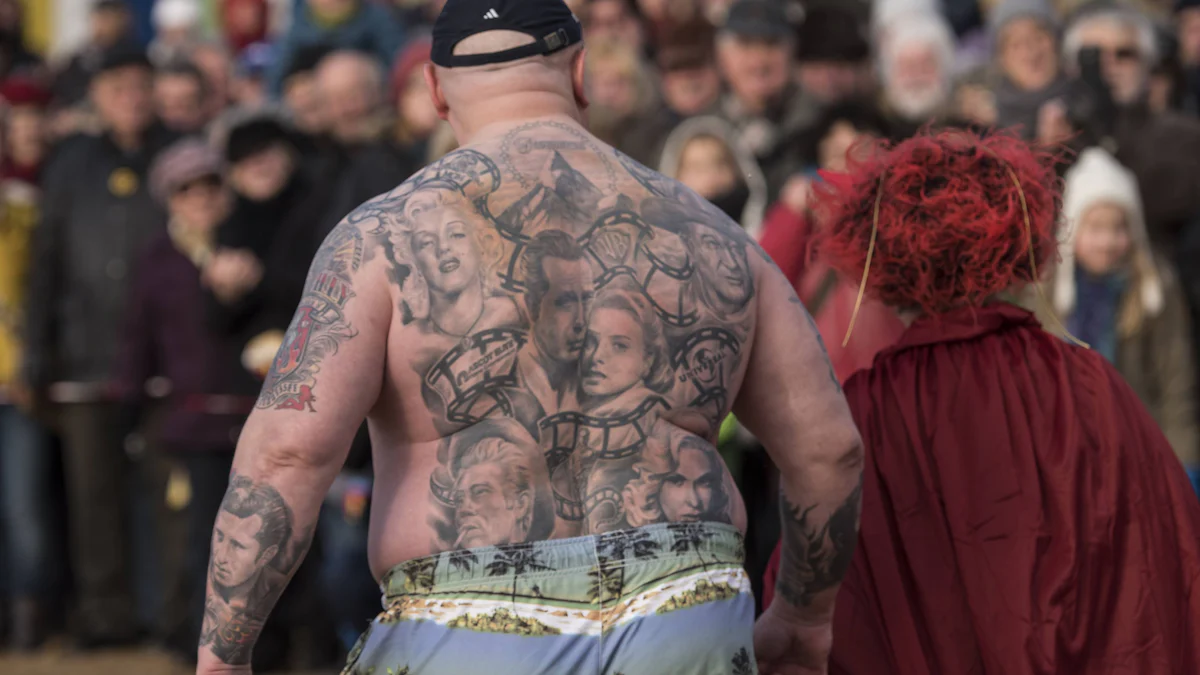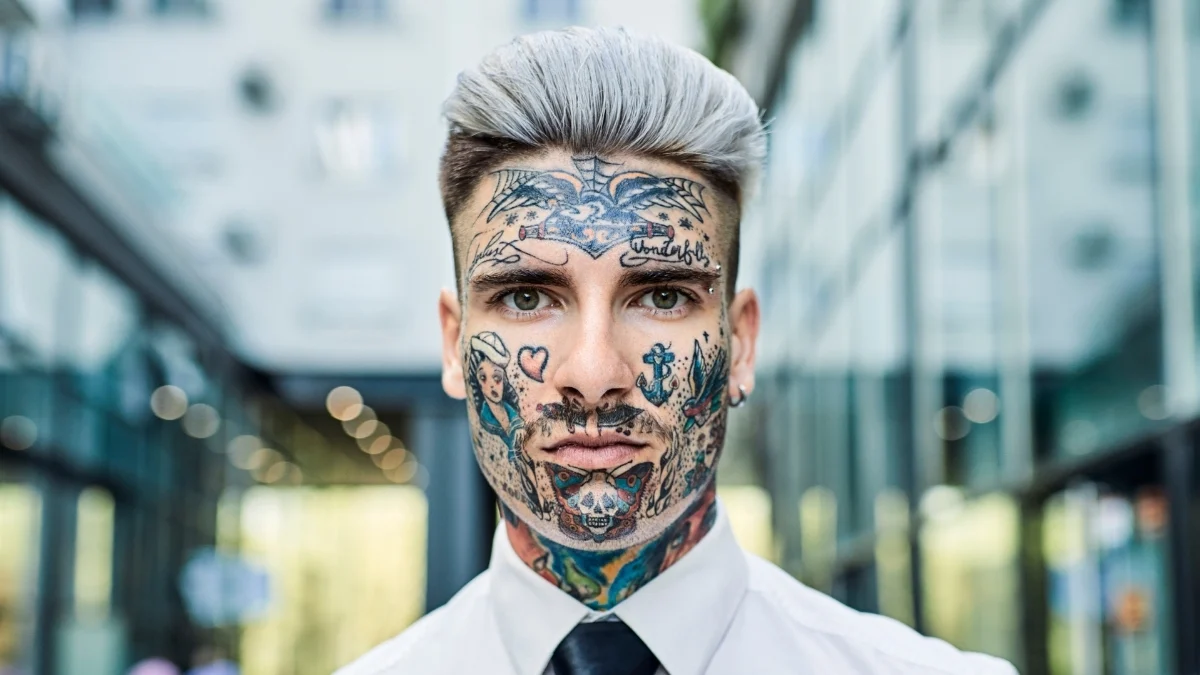
For decades, people with large tattoos have been misunderstood. Some have been called rebellious. Others have been labeled impulsive or attention-seeking. Today, those stereotypes are rapidly disappearing. Body art has become mainstream across professions, generations, and cultures. Doctors, teachers, athletes, entrepreneurs, and corporate professionals openly display tattoos. Psychology suggests that huge tattoos are rarely just about appearance. For many adults, they are about identity. The body becomes a canvas where experiences, memories, values, and emotions are permanently preserved. In many ways, tattoos are less about decoration and more about storytelling.Why Tattoos Often Become Part Of A Person's IdentityOne explanation comes from Identity Theory. Humans naturally seek ways to define who they are. People communicate identity through clothing, hobbies, careers, and personal choices. Tattoos simply become another language of self-expression.A tattoo may represent:A difficult chapter someone survivedA loved one they lostA major life transformationA personal philosophyA symbol of resilienceThe tattoo itself may matter less than the meaning attached to it.Why Huge Tattoos Often Represent Emotional OwnershipPsychologists also discuss Self-Expansion Theory, developed by psychologists Arthur Aron and Elaine Aron. Humans continuously build their sense of self through experiences. Some people expand their identity through travel. Others through relationships. Others through creativity. Tattoos become another way to expand and solidify identity. The body transforms into a visible autobiography. Each piece becomes part of a larger narrative.Why Some People Get Tattoos During Major Life ChangesPsychologists also point to Narrative Identity Theory, developed by psychologist Dan McAdams. Humans naturally create stories to make sense of their lives. Periods of transition often strengthen this behavior.Modern examples include:Getting a tattoo after graduating.Getting one after ending a long relationship.Getting one after recovering from illness.Getting one after achieving a major goal.The tattoo becomes a marker between an old version and a new version of themselves. It creates a visible reminder of growth.Why Tattoos Can Create A Sense Of ControlPsychologists also connect tattoos to Compensatory Control Theory. Life can be unpredictable. People cannot always control careers, relationships, or circumstances. However, they can control decisions about their own bodies. Choosing a tattoo design, placement, and timing can become an empowering experience.This does not mean people are compensating for something negative. It simply means humans naturally seek areas where they can exercise personal agency. For some people, tattoos become one of those spaces.Why Younger Generations View Tattoos DifferentlySocial norms have changed dramatically. Millennials and Gen Z grew up during an era that celebrates individuality.Social media platforms have normalized personal expression. Today, people openly share tattoos connected to mental health journeys, cultural heritage, family memories, and life philosophies. Unlike older generations, younger adults often view tattoos as an extension of personality rather than an act of rebellion. The body has become another communication tool.Why Creativity Plays A Big RolePsychologists also discuss Openness To Experience, one of the five major personality dimensions within the Big Five Personality Model. Research has sometimes found associations between tattoos and higher levels of openness.People high in openness often enjoy:CreativityNovel experiencesArtistic expressionPersonal experimentationThis does not mean everyone with huge tattoos shares identical personalities. It simply means body art may attract individuals who enjoy expressing themselves in unconventional ways.Why Tattoos Sometimes Help Build ConfidencePsychologists also connect tattoos to Self-Congruence Theory. People often feel more comfortable when their outer appearance aligns with their internal identity.When someone finally gets a tattoo they have wanted for years, they may feel more authentic. The tattoo creates alignment between who they feel they are and how they present themselves. For many people, this can increase confidence rather than insecurity.The Bigger Psychological TruthPsychology suggests adults with huge tattoos are rarely trying to become someone else. More often, they are trying to become more themselves. The most important insight is that people are not always decorating their bodies. They are often preserving memories, reclaiming experiences, and creating a visible version of their personal story. Perhaps that is why tattoos have become so common across generations.Humans have always looked for ways to leave traces of their identity behind. Some people do it through writing. Some through photographs. Some through achievements. Others choose ink. In the end, huge tattoos may not be about changing who someone is. They may simply be about making their invisible story visible.FAQsWhat does psychology say about people with huge tattoos?Psychology suggests tattoos often serve as tools for identity expression, storytelling, and emotional meaning.Are people with large tattoos seeking attention?Not necessarily. Research increasingly suggests many people use tattoos as forms of personal expression rather than attention-seeking.
Psychology says adults with huge tattoos are not seeking attention, they are using the body to tell stories, reclaim identity and express authenticity
Psychology suggests that adults with large tattoos are rarely trying to become someone they are not. More often, they are expressing and embracing a deeper sense of who they already are. The key insight is that people are not always decorating their bodies. In many cases, they are using their bodies to tell stories, preserve memories, and communicate parts of their identity that words cannot easily capture.
741 words~3 min read