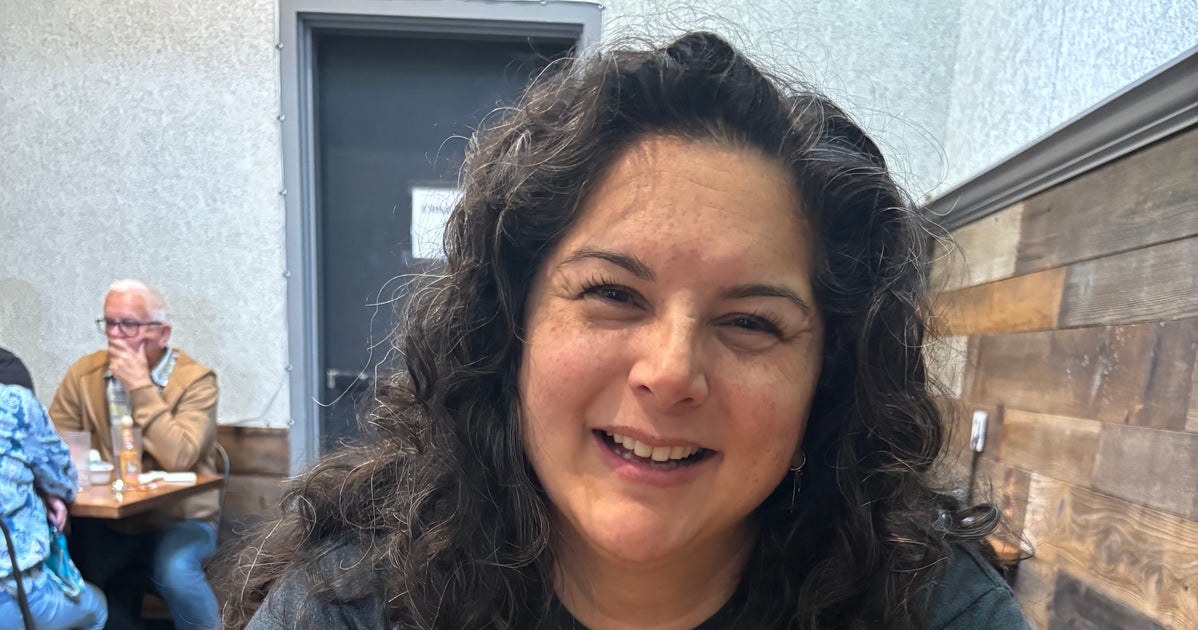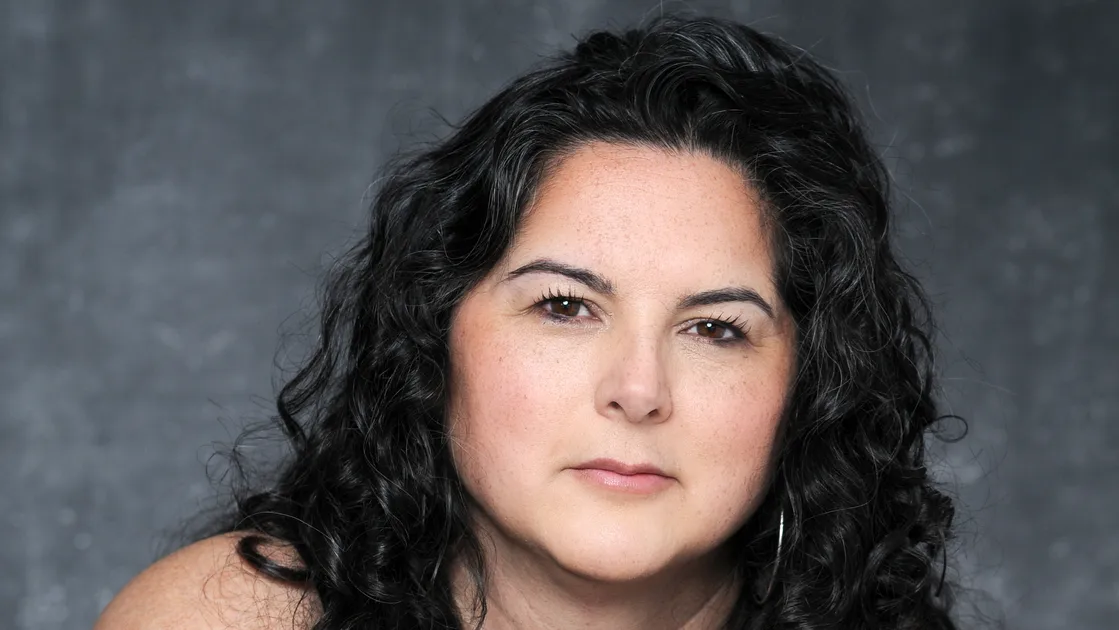
I’ve always loved tattoos. When I was a kid, I covered my arms with Bic pen and Crayola marker pictures. My parents, scandalized, insisted I wash them off immediately. Only low class, poorly educated people had tattoos, I was told. While tattoos are common today, with 30% of the adult American population wearing at least one, tattooing continues to be associated with risk-taking behavior, and tattooed people are still often presumed to have issues with substance use, neurodivergence or mental illness. The more tattoos a person has, the less educated, successful and stable they are often assumed to be. Even despite the fact that today most tattoos are unique pieces of fine art created by talented, in-demand artists. For some people, tattoo designs can serve as reminders of life events or as mantras that they want to embody. In my case, tattoos have become a reminder to stay sober. Throughout high school, I snuck out nightly to party, drinking to blackout before escalating to heroin and other hard drugs. I stole from others and slept with anybody who would have me to support my habit. By the time I was 20, I came to understand that I couldn’t use drugs and alcohol responsibly and got sober. My early sobriety was marked by efforts to obtain an endorphin rush without using drugs or alcohol. One night, on my way to a meeting with a pack of young alcoholics, I hopped in my 15-year-old, blue Volvo station wagon and flew down a forested two-lane road, well above the speed limit. There were no streetlights, and I didn’t have my brights on. When the road ended at a T-intersection, I didn’t even touch the brakes ― too busy scream-singing the lyrics to Sublime’s “What I Got” with my friends, one hand on the wheel and the other holding a cigarette. The speed at which we ran off the road launched my car into the air, the passenger- and driver-side doors brushing tree trunks. When we hit the ground, I was jolted into awareness and slammed on the brakes. As the dirt and soil rose around us, I understood I needed to find a new way to manage my impulsivity. A few days later, a friend called and asked if I wanted to get a tattoo. I took barely a moment to deliberate, excited to do something that others might find irresponsible. The tattoo shop was a long rectangular room in a rundown strip mall. The walls were covered from floor to ceiling with sheets of flash drawings you can have the artist tattoo onto you if you are brave enough. In less than 20 minutes, I had selected a yellow moon surrounded by stars and a little blueish cloud, and was face down on a hard table, pants off. When the artist pushed the soldered needles of the buzzing tattoo gun against my butt cheek, I took a sharp breath in, surprised that it hurt. It hadn’t occurred to me that getting a tattoo involved needles and blood. As I lay there, the burning sensation in my butt increasing, I had to breathe deeply and empty my mind to manage the pain. When I got up from the table, I realized my usually racing thoughts had quieted for the longest time I could remember since childhood. I examined my buttock in the mirror, euphoric. I had found my endorphin rush, one that wouldn’t interfere with my sobriety date. Over the next year or two, when the urge to use drugs or alcohol washed over me, I ended up in that same tattoo shop, picking flash off the walls, only my meager salary slowing down my visits. I’d accelerate into the parking spot almost always available directly in front of the storefront, huff into the shop and pick the first thing I saw. “Put it on!” I’d demand of the tattooer, who now knew me by name. “Don’t pick that one,” he’d admonish, as I pointed to a monkey whose anus I wanted to ring my belly button, or the large pelican I tried to have tattooed over my heart. He directed me to pick pieces that would be more aesthetically pleasing. The tattooer also encouraged me to place my ink in places I could cover with clothing. “You never know what your job will be,” he told me. “You don’t know what people will think.” I found this ironic coming from a guy tattooed from ankle to wrist to collarbone, but I took his advice, as I was just getting tattooed to soothe my frayed nerves. I didn’t really care what they looked like. When I was a few years sober, I enrolled in graduate school across the country in Utah, leaving the East Coast and my friends and family behind. Within a few weeks, loneliness set in, and the urge to use drugs and alcohol came back. I defaulted to what I knew worked. At that time, in the late ’90s, there was only one tattoo shop in Utah County, an indicator of the highly conservative demographic of the area. The shop was on Main Street in a small town, the storefronts beside it vacant and dusty. When I walked into the tiny space, I saw two tables flanking one another, three feet apart. By one, sat a body piercer, a sign announcing her profession, by the other, a sober tattooer I had met in a 12th step meeting. He handed me a book of photos of his previous tattoo work, but when I picked out a piece and asked for it, he shook his head.“I mostly do custom work,” he told me. “You need something unique and beautiful, not something that somebody else is wearing.”I wasn’t sure what to make of this. If I didn’t put on a tattoo immediately, I was going to have to sit with the emotions I was trying to tamp down. But when the artist pulled out a few tattoo reference books ― mostly traditional Japanese bodysuits ― I was fascinated by the designs, the ways in which each piece differed, despite having similar themes. I agreed to wait for a custom piece, scheduling an appointment for some weeks later. The author's not-quite-done right arm sleeve, including her dog, Pooter, depicted as an astronaut.Photo Courtesy Of Sara SchiffAs the time passed between the consultation and actual tattoo sessions, I had to manage my stress with other activities. Desperate to distract myself, I shopped with what money I had and I explored Utah, introducing myself to strangers to pass the time. Trying to quiet my mind, I learned to fly fish and slept around a bit. Finally, I started psychotherapy and began to examine the ways that I had used alcohol and drugs to cope, and how tattoos were helping me stay sober. By the time I graduated almost five years later, I had covered my flanks, lower back and behind with ink, internalizing the advice of my first tattoo artist to place my pieces where I could cover them. The rate at which I was getting tattooed had slowed, the drive muted by other interests, like CrossFit and travel. Tattoos became gifts I gave myself when I achieved certain milestones. I could wait years between pieces instead of just weeks or months.Today I am 50 years old and live in the less liberal eastern suburbs of San Francisco. More recently, I decided to sleeve both of my arms, covering all of my skin on those limbs. One morning, as I walked my French bulldog, Pooter, down the horse path in front of my house, I noticed that an older couple was staring at me, or more specifically, my arm. I smiled and greeted them, but they turned away. A situation like this repeated itself at my medical office, where I work as a neuropsychologist. I was wearing a dressy tank top, appropriate for a formal workplace, that put my tattoo sleeves on full display. As I walked into my waiting room, the adult in there just stared at me. “We’re here to see the doctor,” they said. I nodded. “I’m the doctor.” “We’re here to see Dr. Schiff,” they repeated. I nodded again. “I’m Dr. Schiff.” The individual looked me up and down, their eyes focused on the ink on my arms. They pressed their lips together before responding.“Hello, Dr. Schiff.” They put the emphasis on the doctor. “I don’t think we’ll be needing to see you today.” This had never happened before, and I was flummoxed. The individual left before I had a chance to respond. Soon after, I received a message stating that they felt my tattoos were a representation of my ethics (or lack thereof), proof that I would be a bad influence on their loved one. After that, I put up a professional website with a picture where my tattoos are prominently displayed, so that prospective clients know that I am inked. Later, I reflected on what others see when I don’t wear long sleeves and pants: the flowers on my quads, for example, or the stars and galaxies that flow up and down my arms ― arms that happen to belong to a highly educated individual in a competitive field. I have remained sober for 30 years. I am still getting tattooed, now with pieces I’ve researched and planned, and with time in the chair I’ve booked months in advance. My artists are my friends ― relationships I’ve honed over time ― who understand my drive for ink and the history that accompanies it. The tattoos that were initially meant to serve an intense and momentary need are now a means of practicing patience and mindfulness. As I have become more comfortable in my identity, my tattoos have spread from my core to my extremities. The pieces on my torso are reminders of the behaviors of my youth I felt compelled to hide from others. In my mind, the pieces on my arms and legs show my current confidence and self-acceptance. While strangers have sometimes perceived me as irreparably damaged based on my appearance alone, they’re wrong. My tattoos are a measure of my resilience, strength and grace. They tell the story of my recovery, rather than my descent. The art that now covers my body serves as a visual reminder of where I have come from ― and where I aspire to go. Need help with substance use disorder or mental health issues? In the U.S., call 800-662-HELP (4357) for the SAMHSA National Helpline.Do you have a compelling personal story you’d like to see published on HuffPost? Find out what we’re looking for here and send us a pitch at pitch@huffpost.com.
Drugs And Alcohol Nearly Killed Me — Then I Found A Surprising Way To Stay Sober
“While strangers have sometimes perceived me as irreparably damaged based on my appearance alone, they’re wrong.”
1,781 words~8 min read