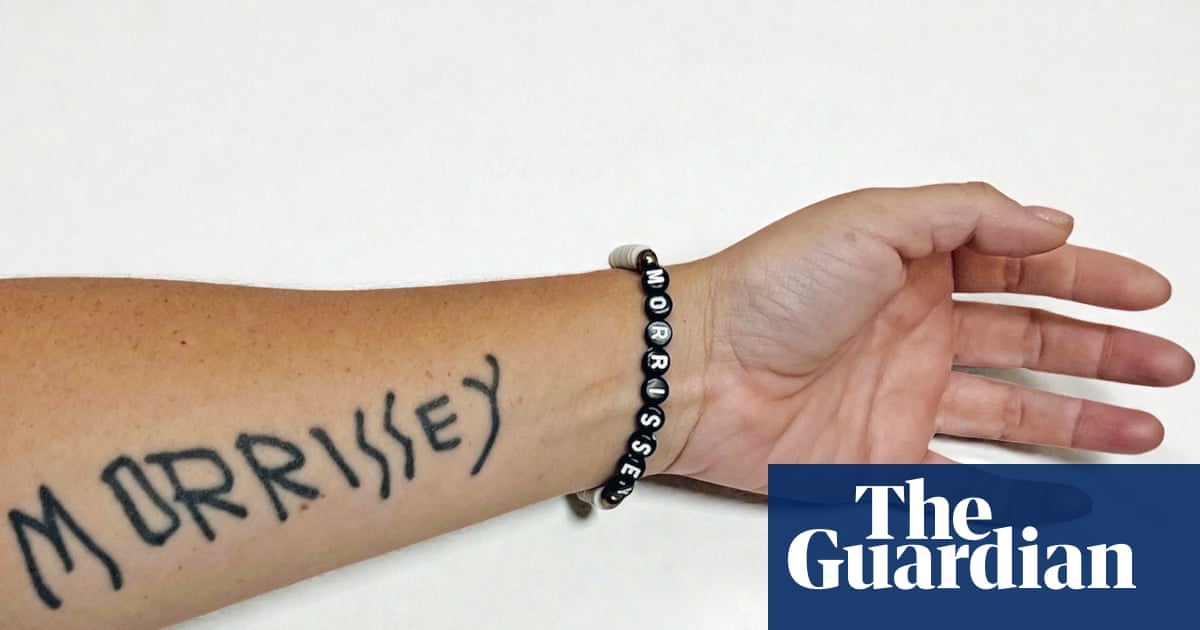
I’ve always loved tattoos. When I was a kid, I covered my arms with Bic pen and Crayola marker pictures. My parents, scandalized, insisted I wash them off immediately. Only low class, poorly educated people had tattoos, I was told.
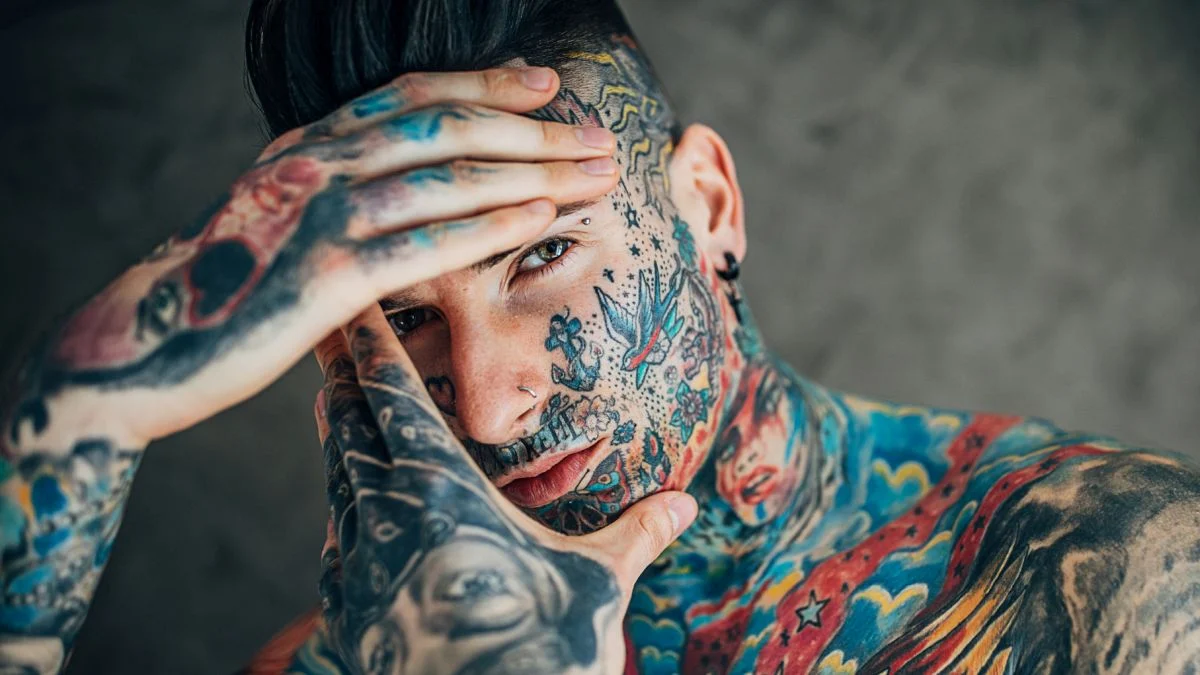
While tattoos are common today, with 30% of the adult American population wearing at least one, tattooing continues to be associated with risk-taking behavior, and tattooed people are still often presumed to have issues with substance use, neurodivergence or mental illness. The more tattoos a person has, the less educated, successful and stable they are often assumed to be. Even despite the fact that today most tattoos are unique pieces of fine art created by talented, in-demand artists.
For some people, tattoo designs can serve as reminders of life events or as mantras that they want to embody. In my case, tattoos have become a reminder to stay sober.
Throughout high school, I snuck out nightly to party, drinking to blackout before escalating to heroin and other hard drugs. I stole from others and slept with anybody who would have me to support my habit. By the time I was 20, I came to understand that I couldn’t use drugs and alcohol responsibly and got sober.