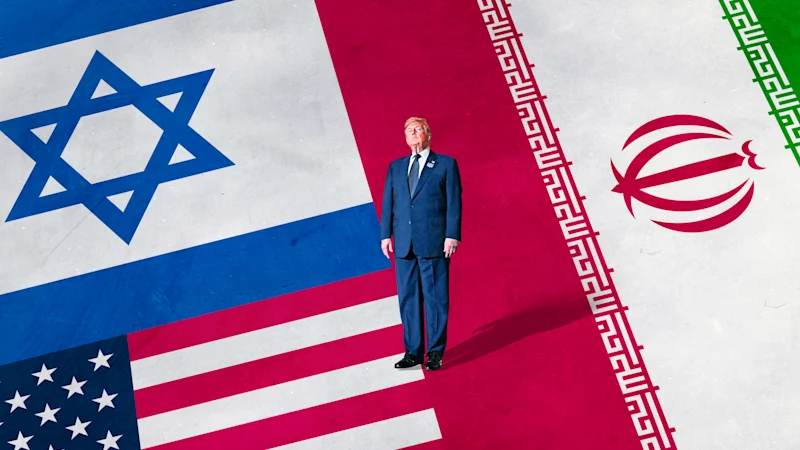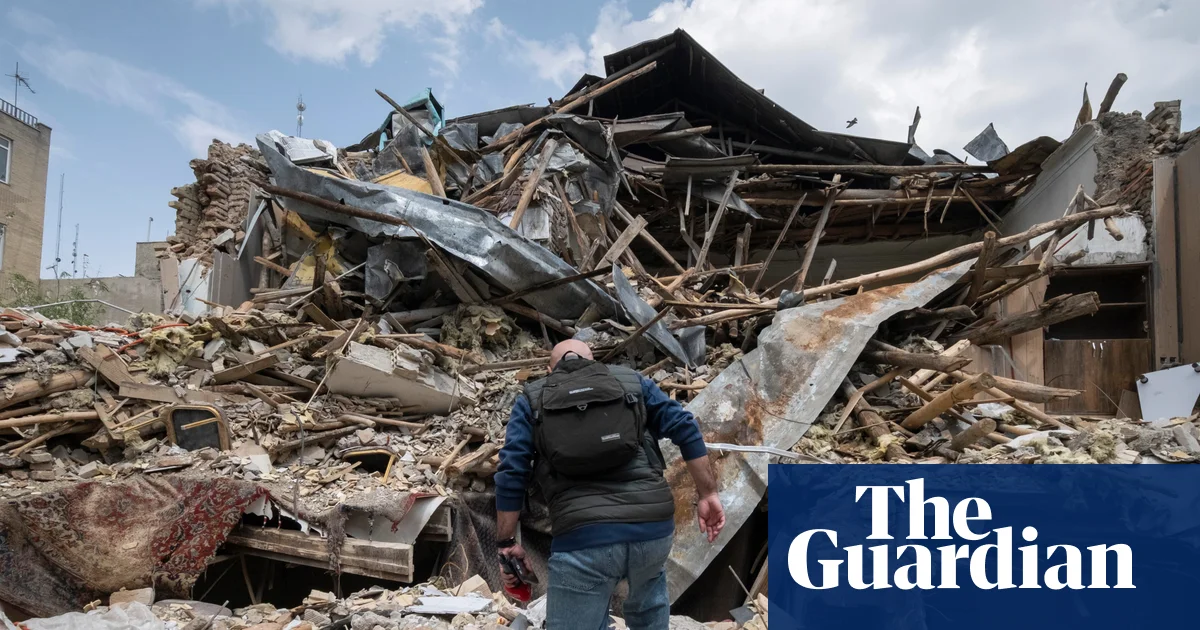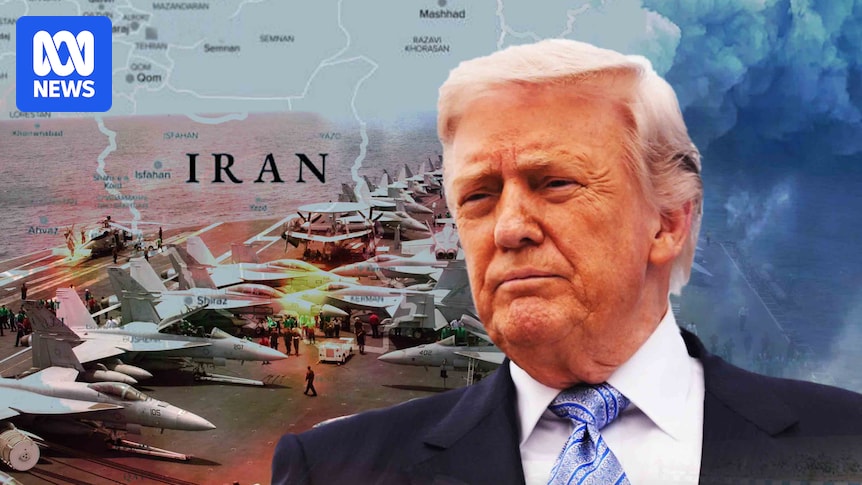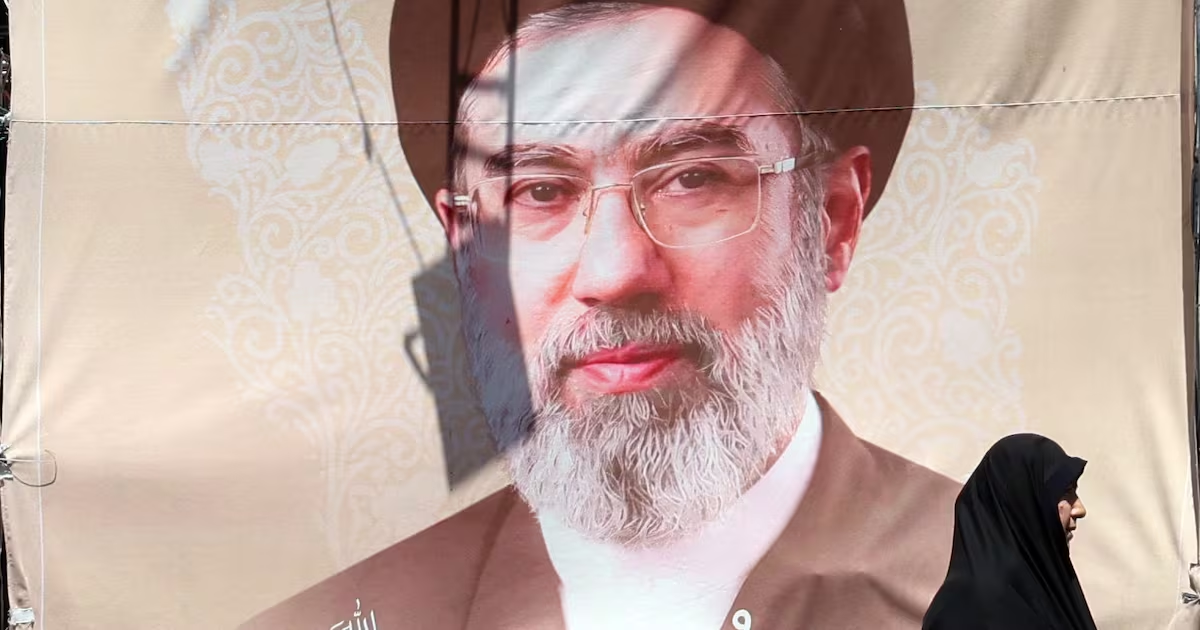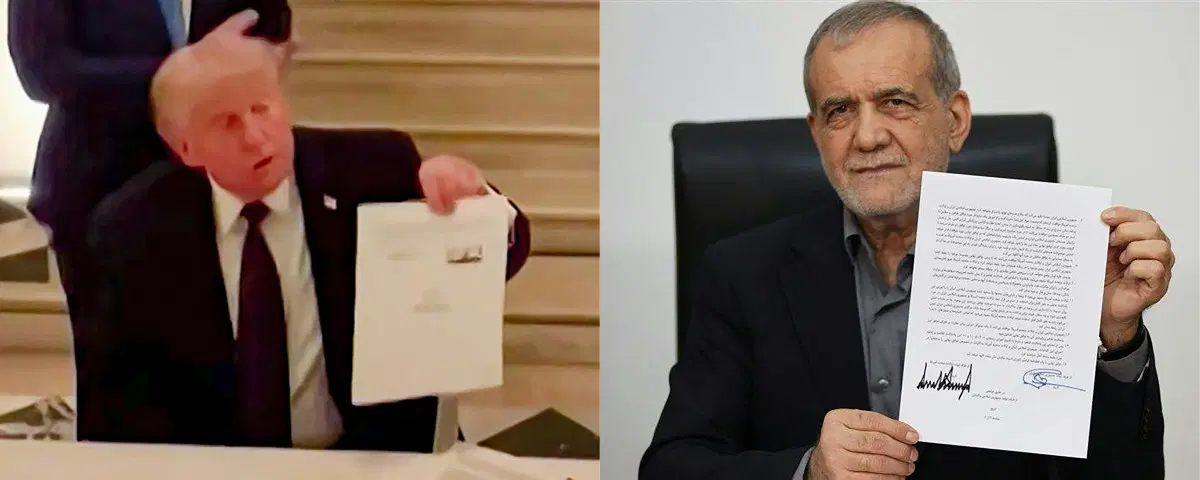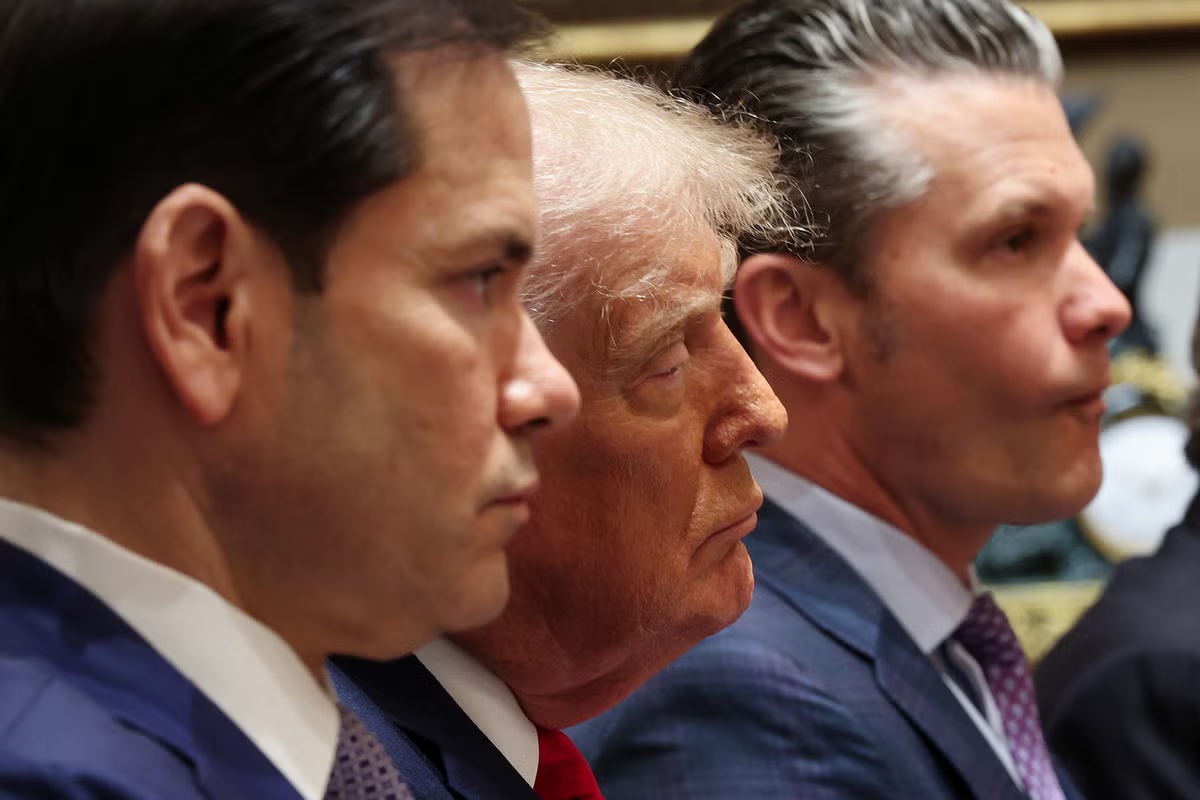
On June 19, the US and Iran formally signed a memorandum ending more than a hundred days of war. Iran’s supreme leader was assassinated in the opening strikes, 13 American servicemen were killed in the conflict and Washington expended a significant share of its precision-munitions stockpile. The outcome, according to the administration’s own allies? A deal that leaves Tehran’s regime intact, its grip on power arguably strengthened, and key questions about its nuclear program deferred rather than resolved. Israel is furious. US Vice President JD Vance’s response to that fury was not reassurance. It was a public rebuke, telling Israeli leaders to “wake up and smell the reality” of their own isolation. This is what Washington does to allies who object to the terms of a deal US President Donald Trump wants closed: it tells them to get in line.JOIN US ON TELEGRAMFollow our coverage of the war on the @Kyivpost_official. Ukraine should sit with that sentence for a moment. The lesson nobody wanted to learn this way Israel is not a junior partner to Washington. It is arguably the most deeply integrated US security relationship on the planet – built over seven decades, reinforced by a domestic political consensus in Washington that survives changes of administration, and sustained by intelligence sharing and joint weapons development. American presidents of both parties have treated it as close to sacred. If that relationship can be publicly overridden the moment it becomes inconvenient to a deal Trump wants, the question for every other US partner is obvious: What makes you different?
What Trump’s Deal-Making Really Means for Allies
Watch what Washington does to its friends, not what it says about them. This week, that lesson was delivered in the Middle East – and Kyiv should be taking notes.
1,260 words~6 min read