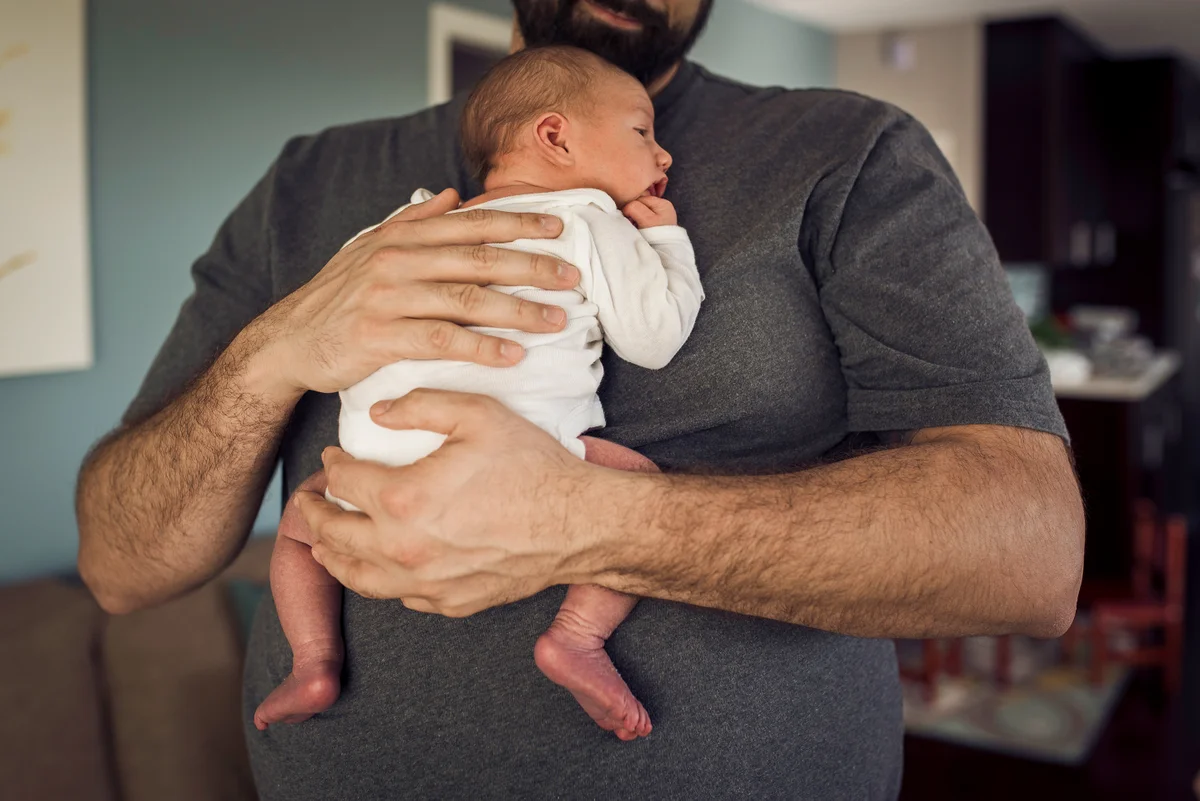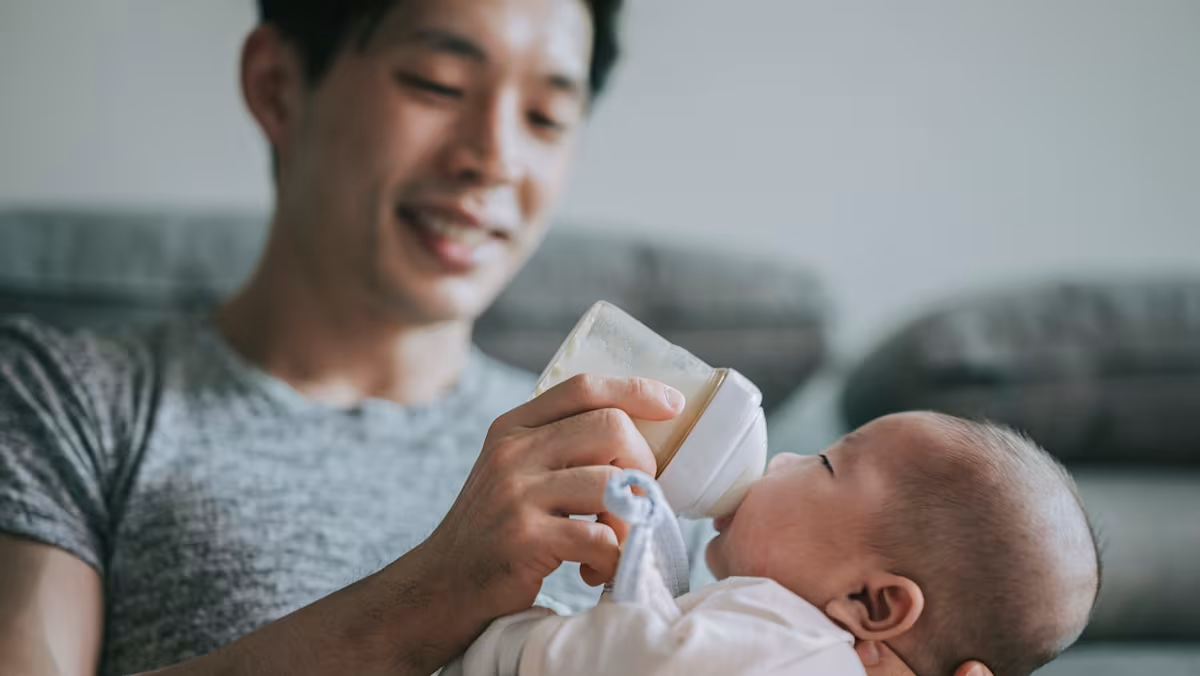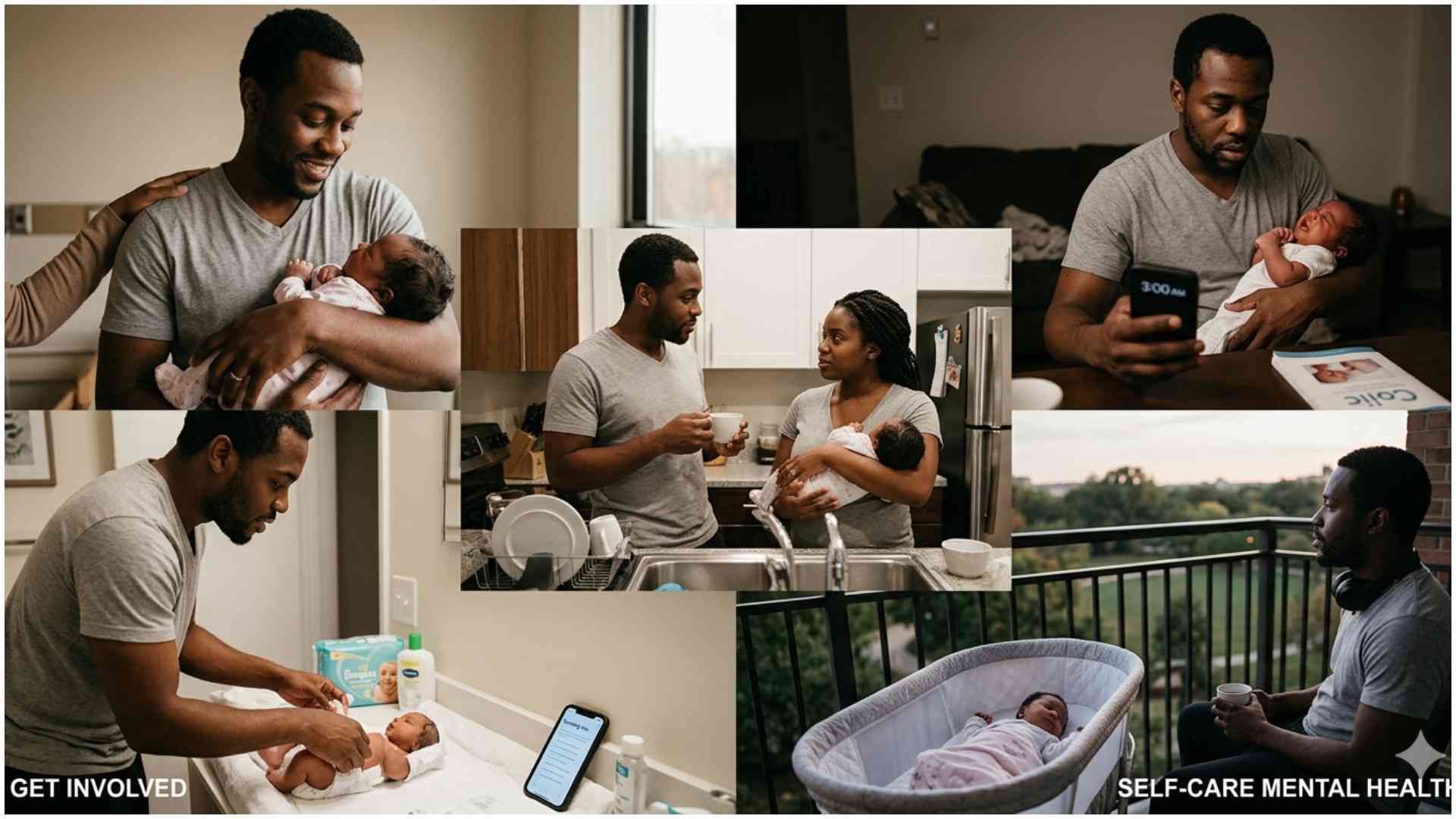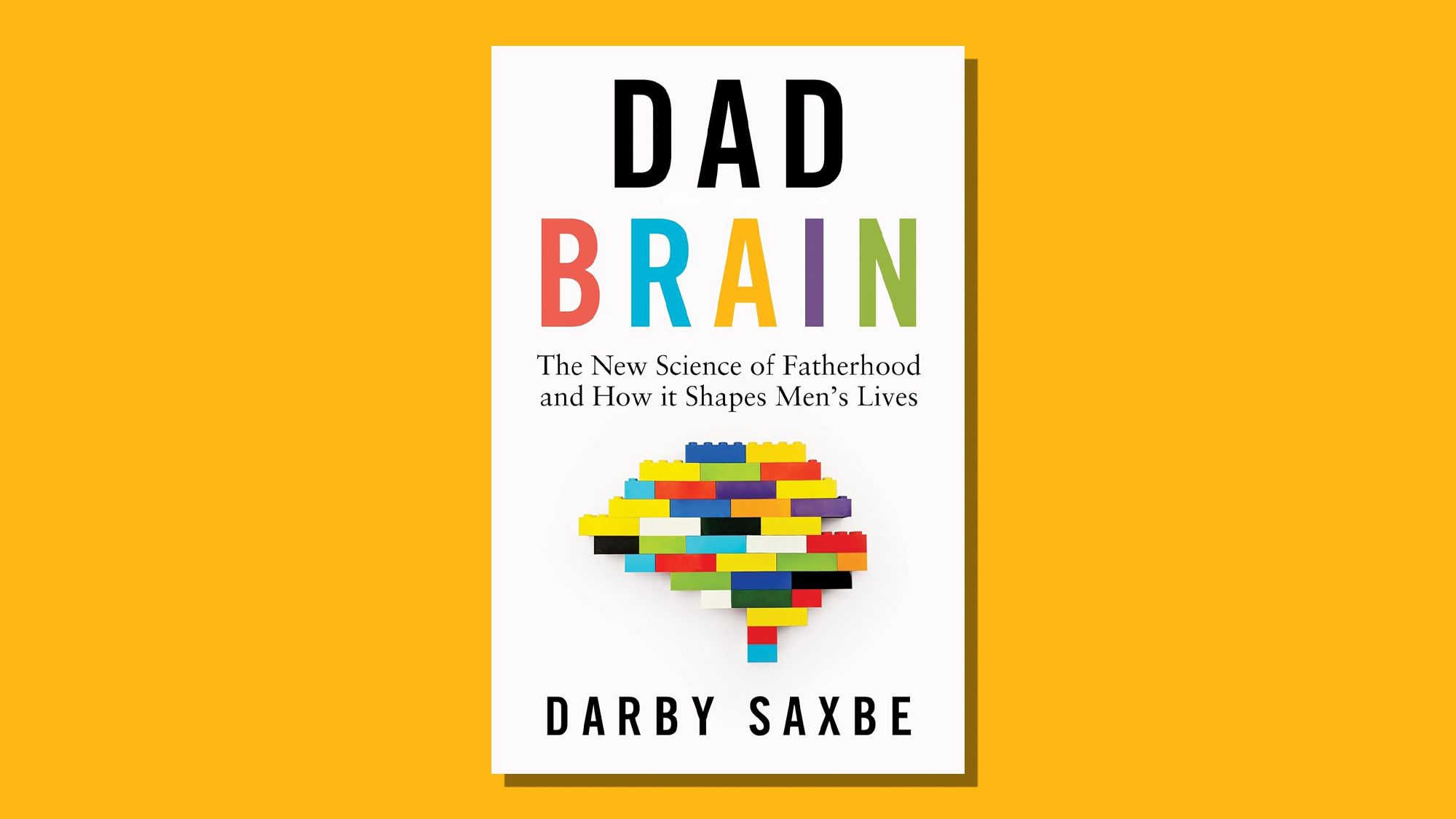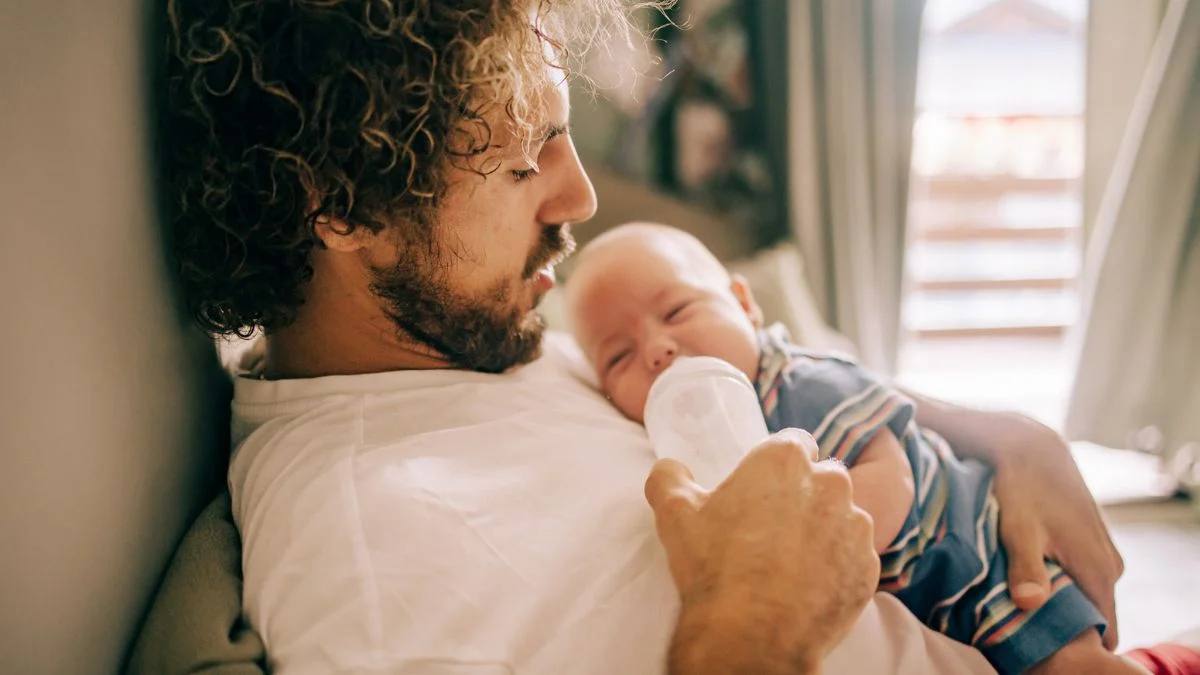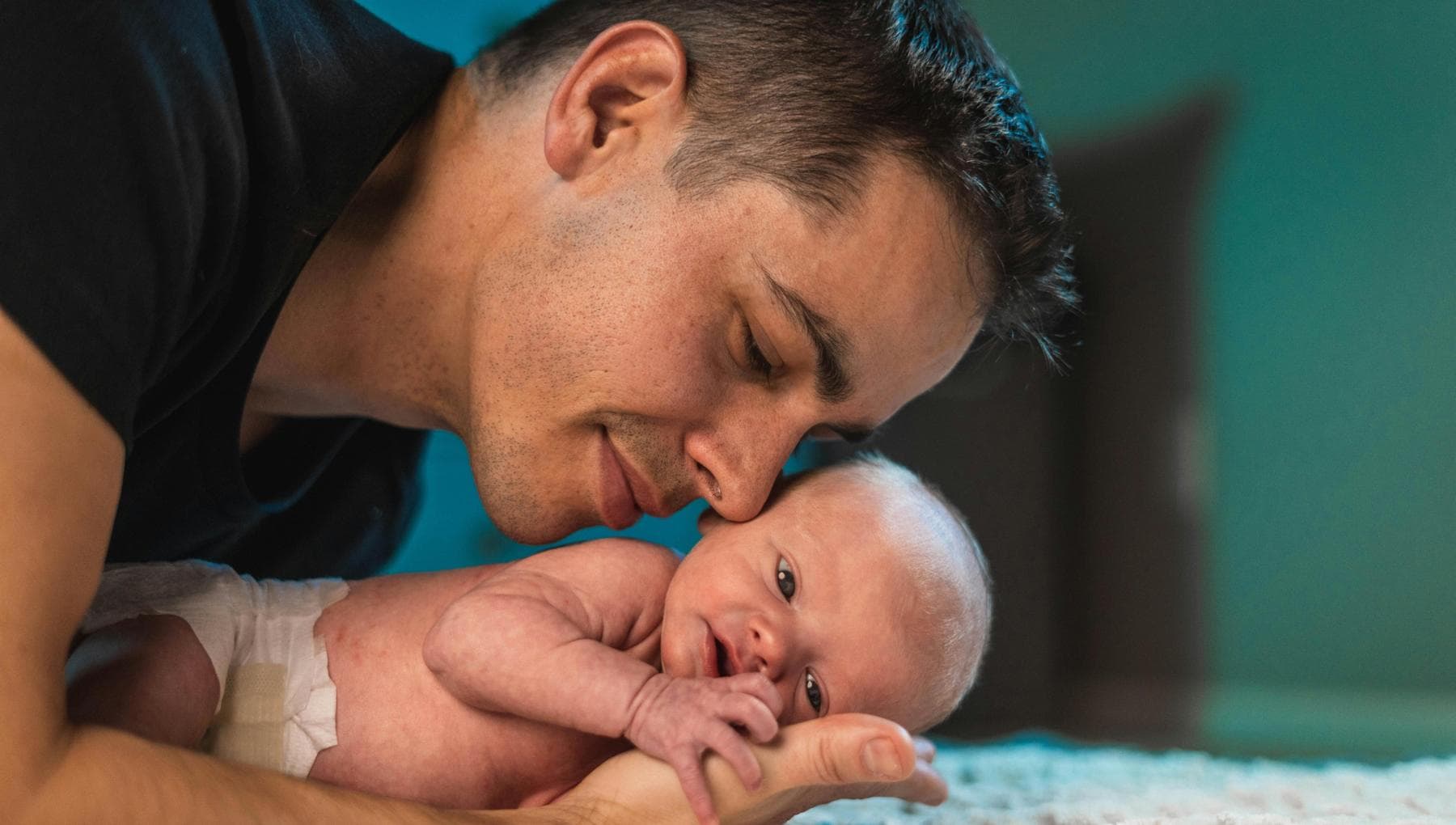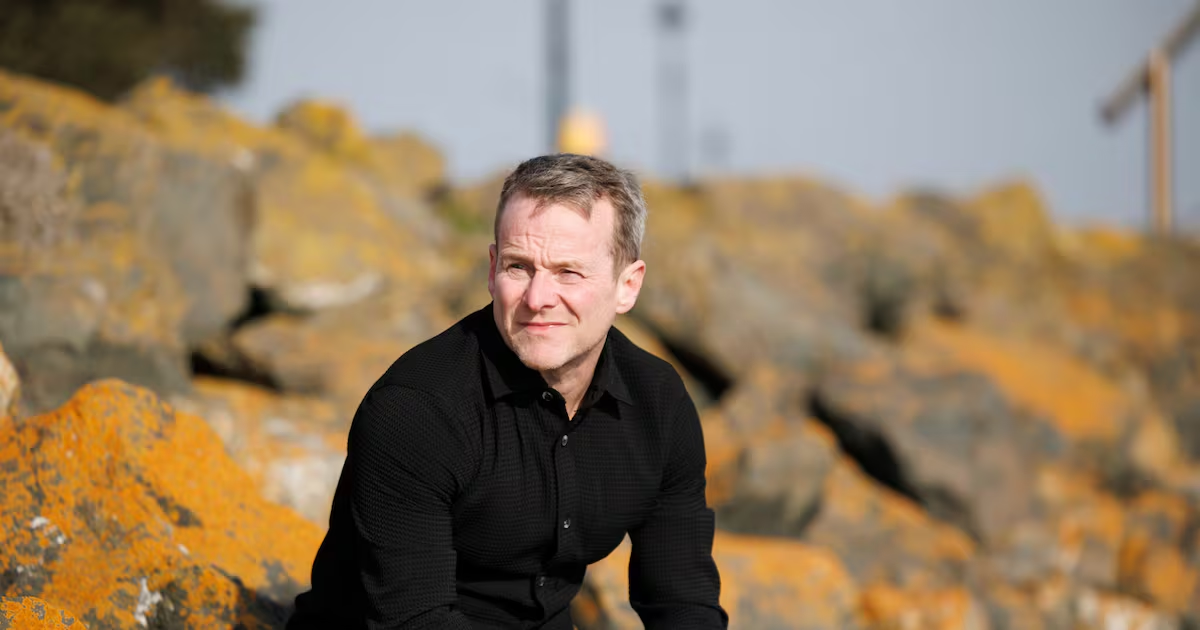
That women experience tremendous physiological, psychological, emotional and social changes following the birth of a child has long been recognised. Matrescence, sometimes described as adolescence for mothers, is the name given to the period of transition to motherhood.Matrescence is often linked to the physical process of pregnancy and giving birth. But recent studies have suggested that men may experience their own version of this – patrescence – when they become fathers. [ Men on how fatherhood changed them: ‘You say goodbye to an old part of yourself’Opens in new window ]“When people think of fatherhood they think of an emotional, a psychological and a social role. But it’s a neurobiological transition,” neuroscientist Brian Pennie says. He describes fatherhood as an “identity earthquake”, especially the first time around.“If you think about it, you’re going to have to start noticing infant cues, responding to crying. There’s a bond going on so, neurobiologically, oxytocin, serotonin and dopamine are going to be released. And that’s through emotion regulation, vigilance, empathy.” The more involved a father is in caring for their child, the more pronounced the shift can be.Research shows that testosterone levels drop in fatherhood, “but especially when they are involved in the caregiving”, Pennie says, citing a study of more than 600 men in the Philippines which found significantly lower levels of testosterone at waking, and in the evening, in men who were fathers. “Testosterone, for the most part, especially from an evolutionary perspective, is linked with competition, status, drive, threat, readiness,” says Pennie. Testosterone increases in response to aggression and mating, he says. “But with fatherhood the shift goes away from these things, from the mating effort, towards parenting effort. Biology is asking a question. Instead of asking ‘How do I compete? It’s asking ‘How do I care?’ And that’s the shift right there.”[ Brendan Gleeson: ‘I got very tired of watching fatherhood portrayed as something that was almost an abuse’Opens in new window ]Patrescence as a concept has developed as men’s roles as fathers have changed. “The roles have completely shifted,” Pennie says. “I would say to the extent that if the woman was in the workplace, and the father took on the caregiving role 100 per cent of the time, I would say you would see testosterone levels drop down even further,” Pennie says. Pennie adds that he would also expect to see lower levels of testosterone in fathers who have adopted or care for children who are not their biological children. “If you’re the biological father, I would imagine that the caring role might start from the time of conception you’re protective of the partner. You’re protective of the unborn baby. You’re going into that protective mode.”One of the modern challenges in perception and conversations around lower levels of testosterone is the ‘manosphere version’ of the world, Pennie says. “Some people would think that [lower levels of testosterone] would make men weak. But a drop in testosterone is more of an adaptive shift towards bonding, patience, sensitivity and vulnerability. Which for me is a strength.”[ Fatherhood: A History of Love and Power - parenting ideals challenged by real-life experienceOpens in new window ]Several studies have also shown higher levels of the “love hormone” oxytocin in fathers, rising in parallel with the amount of time they spend with their children. Significant changes are seen when fathers first hold their newborn babies, or play with their children.“[Oxytocin is] often associated with bonding, trust, touch, social connection,” Pennie says. “Again, the biology follows the behaviour.” The biological shifts don’t suddenly happen because a man is a father. They happen because of how a man behaves when he is a father, Pennie clarifies. “So the more a father engages with the holding, the feeding, the soothing, the playing; even the baby on the chest at the very start, there’s more opportunity for bonding and more opportunity for oxytocin to release. It’s really changing the brain. Neurons have to fire to release oxytocin. They wire those neuro changes together.”Clinical psychologist Darby Saxbe, author of a newly published book Dad Brain, has spent over a decade studying how fatherhood affects men’s brains, bodies, health and relationships at the University of Southern California. She collaborated with researchers in Spain to scan the brains of men before and after their first child was born, and recorded neural changes. Other recent studies have shown the brains of parents – both fathers and mothers – age slower than those who have not had children. Child and adolescent psychotherapist Colman Noctor: 'You can still offer some support to new dads, without taking from the support for mums.' Child and adolescent psychotherapist Colman Noctor says the relatively new concept of putrescence often gets “sniffed at”. The hormonal changes throughout the different stages of life for men “are obviously not as severe as that of the female hormonal system”, Noctor says, which he suggests might be why men are slow to talk about the impacts. “It’s the whole thing of ‘Well, women have it much worse, so what are you complaining about?’, ‘Well, my whole system goes into breakdown and I have perimenopause and menopause, so shut up you about your complaints’. “If you have a dad going ‘I’m struggling to adjust to being a dad’, you’re going to go ‘Well, are you doing the night feeds? Are you doing the breastfeeding? Has your body changed? No it hasn’t. So again, shut up’.“But it’s not a zero-sum game. You can still offer some support to new dads, without taking from the support for mums,” Noctor adds.[ Ivan Yates: ‘The lack of affection from my parents’ generation was a huge mistake’Opens in new window ]“I can see it in new dads who are really struggling with that transition in that role. And then sociologically, how they see their identity, and how they would have seen their role in society change when they became a dad. Some men struggle to readjust.”That “identity earthquake” that can co-occur with fatherhood can be very challenging, Pennie says. “When you think of an identity shift or an identity earthquake, that’s the death of an ego, your conceptual sense of who you are. And if fundamentally who you are is one of the lads, into the banter, goes to the pubs, has a sense of freedom, does what you want, and all of a sudden this whole new thing lands on your doorstep, that might be very threatening. And maybe testosterone levels will go up a level. Maybe aggression could kick in. Maybe stress could kick in. It depends on the person.”[ ‘I would have loved to have been a stay-at-home dad’: Fintan O’Toole on fatherhoodOpens in new window ]The isolation some men can feel in fatherhood, or their struggles to connect with other fathers, can stem from how men are socialised too. “Men are socialised to be useful, not vulnerable. Providers, not emotionally expressive. Men are socialised to be problem-solvers, not help-seekers. “I think men have a language for responsibility, but they don’t have a language for emotional transitions,” Pennie adds.
‘An identity earthquake’: The biological and psychological impact of fatherhood on men
Patrescence, the physical and mental transition to becoming a dad, is a recent concept recognising the isolation men can sometimes feel in fatherhood
1,173 words~5 min read