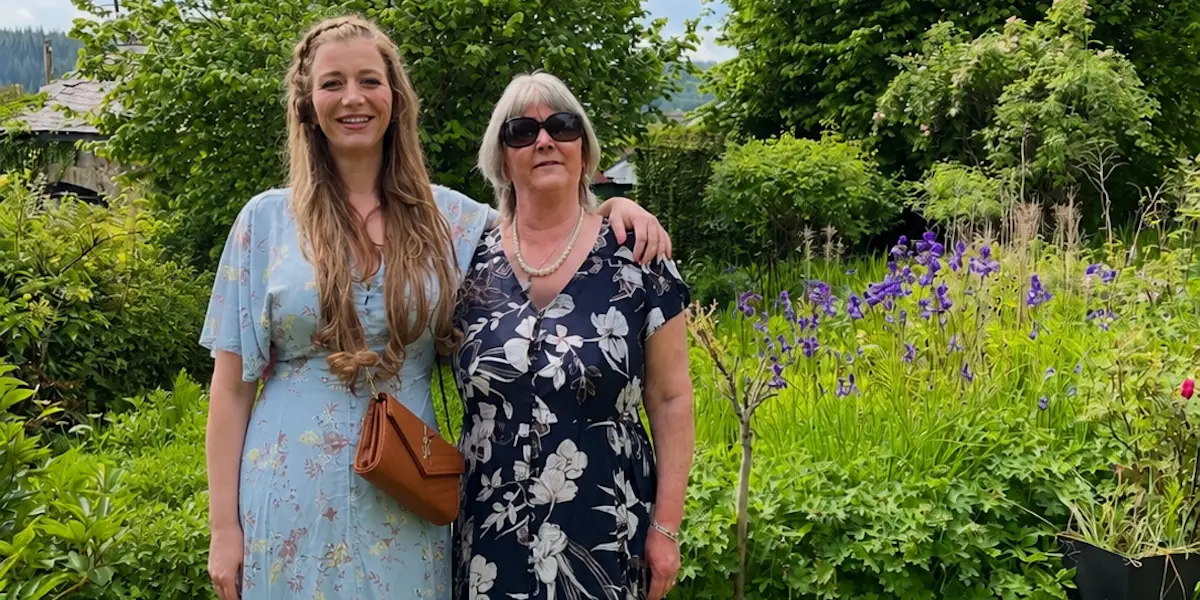
Every so often, a fashionable new concept is born. Witness the arrival of ‘matrescence’, which, for the uninitiated, is a phrase used to describe the physical, psychological, emotional and social transition a woman undergoes when becoming a mother. Or, as my mother and grandmother would have put it, and perhaps yours too: motherhood.
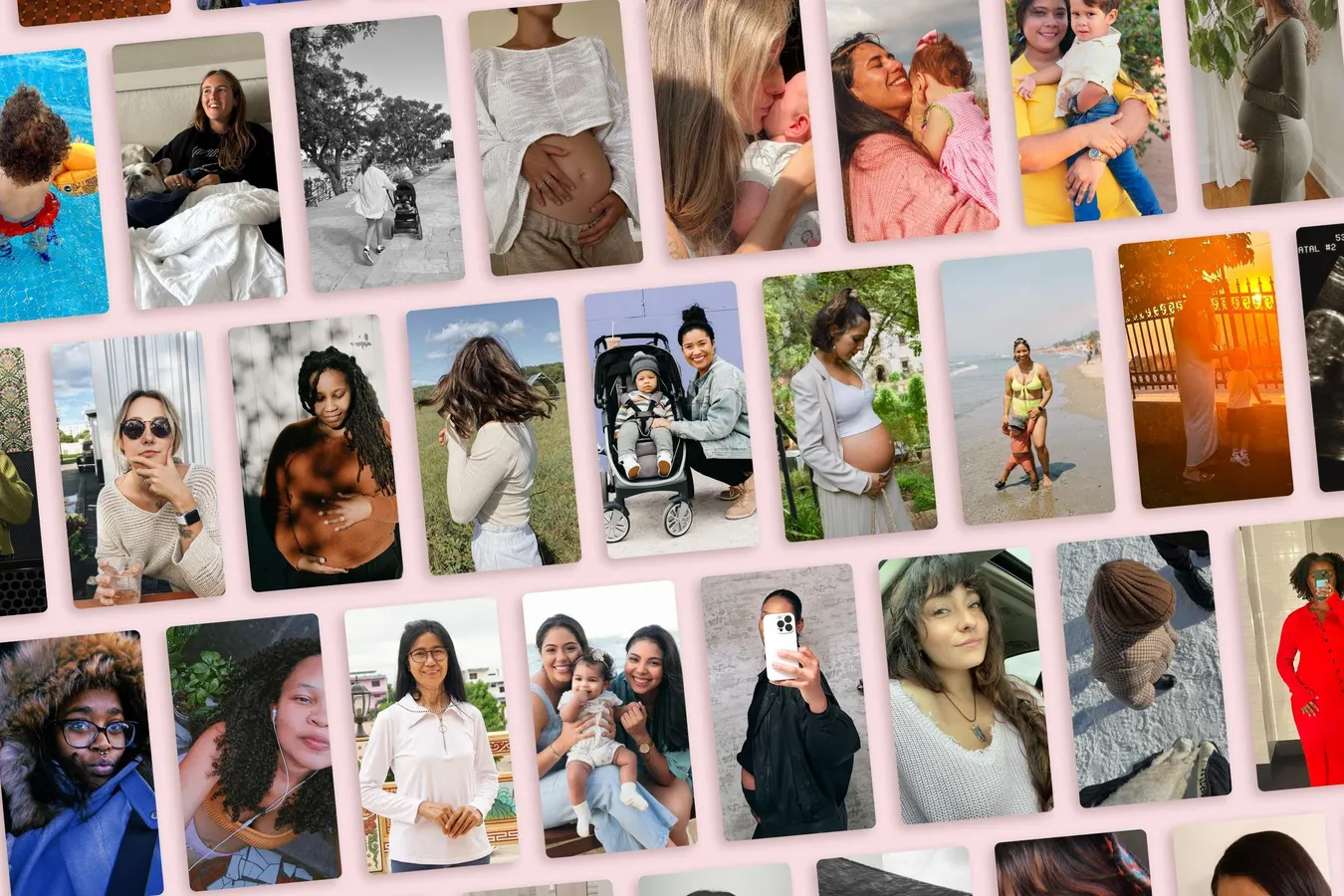
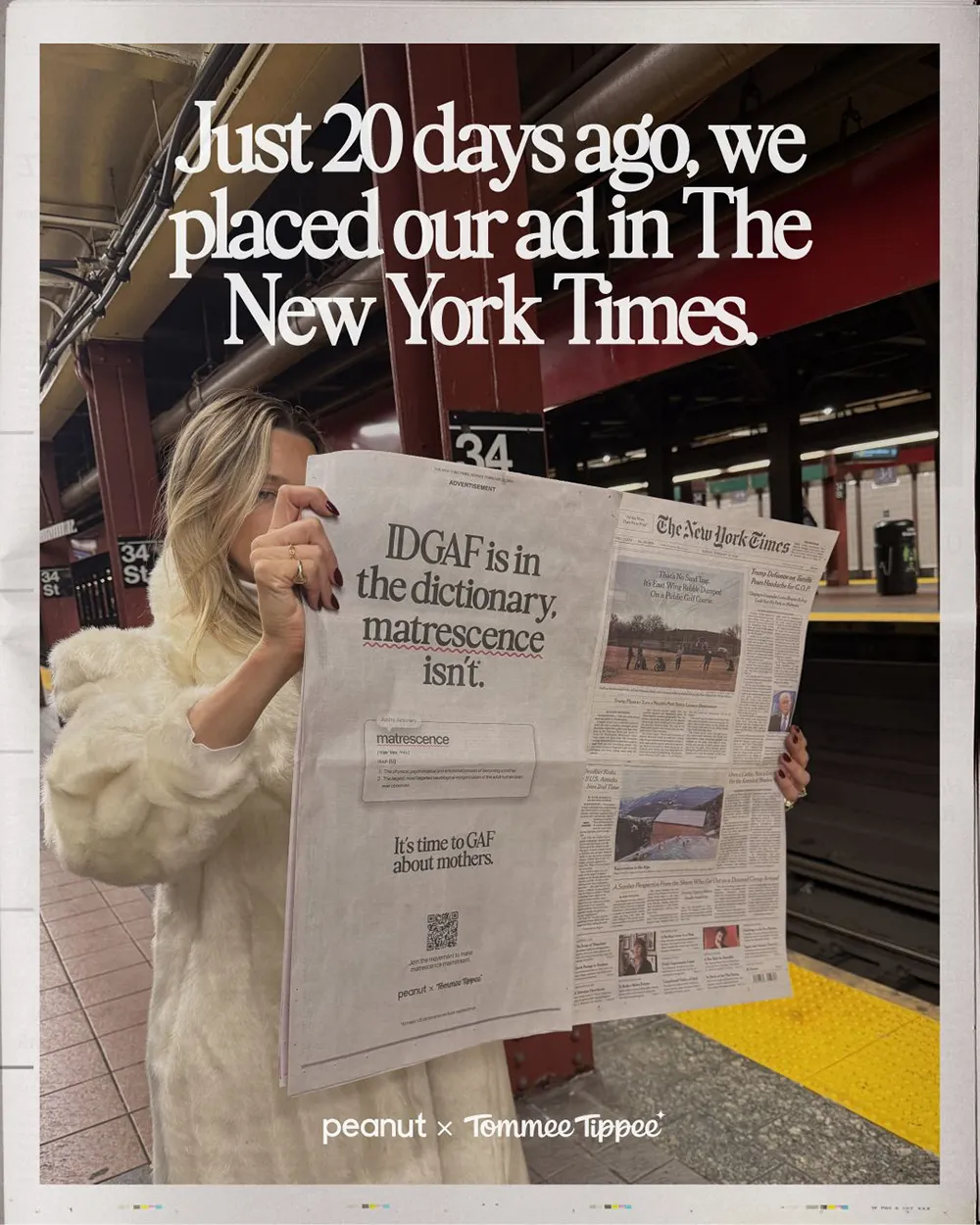
‘Matrescence’ first appeared in the 1970s, coined by the medical anthropologist Dana Raphael, but it seems to be reaching maturity now. Adverts splashed across the back page of the New York Times make the case for the inclusion of the word in the dictionary. A ‘global movement’ is being launched (by a social networking site for women and a company that sells baby bottles) to put matrescence on the cultural map. ‘When we don’t name what happens to women, we don’t study it. We don’t fund it. We don’t support it.’
Babies and toddlers are welcome, which seems only fair given the sessions take place on Zoom
They might have added: we don’t milk it. Because while it is indisputable that having a baby changes your life, it is also indisputable that someone, somewhere, will be trying to commercialise and reify your experience of motherhood (sorry, matrescence).
Lucy Jones’s book Matrescence has become something of a bible for the thinking millennial mother, arguing that pregnancy and motherhood trigger a transformation comparable to adolescence or menopause. Saddle up, girls: your body and soul are in for yet another wild ride. Expect neural reorganisation, hormonal surges and identity shifts that will fundamentally alter your relationship with yourself and the world around you.