The challenges of parenting may build cognitive reserveCraig Boylan
When you are pregnant, everything changes. Hormones surge, your belly swells, cravings kick in. Until recently, the story was assumed to end there – that once the physiological and hormonal upheaval of pregnancy and birth resolves, the body and mind largely return to a pre-pregnancy state. It is clear now that this isn’t true.
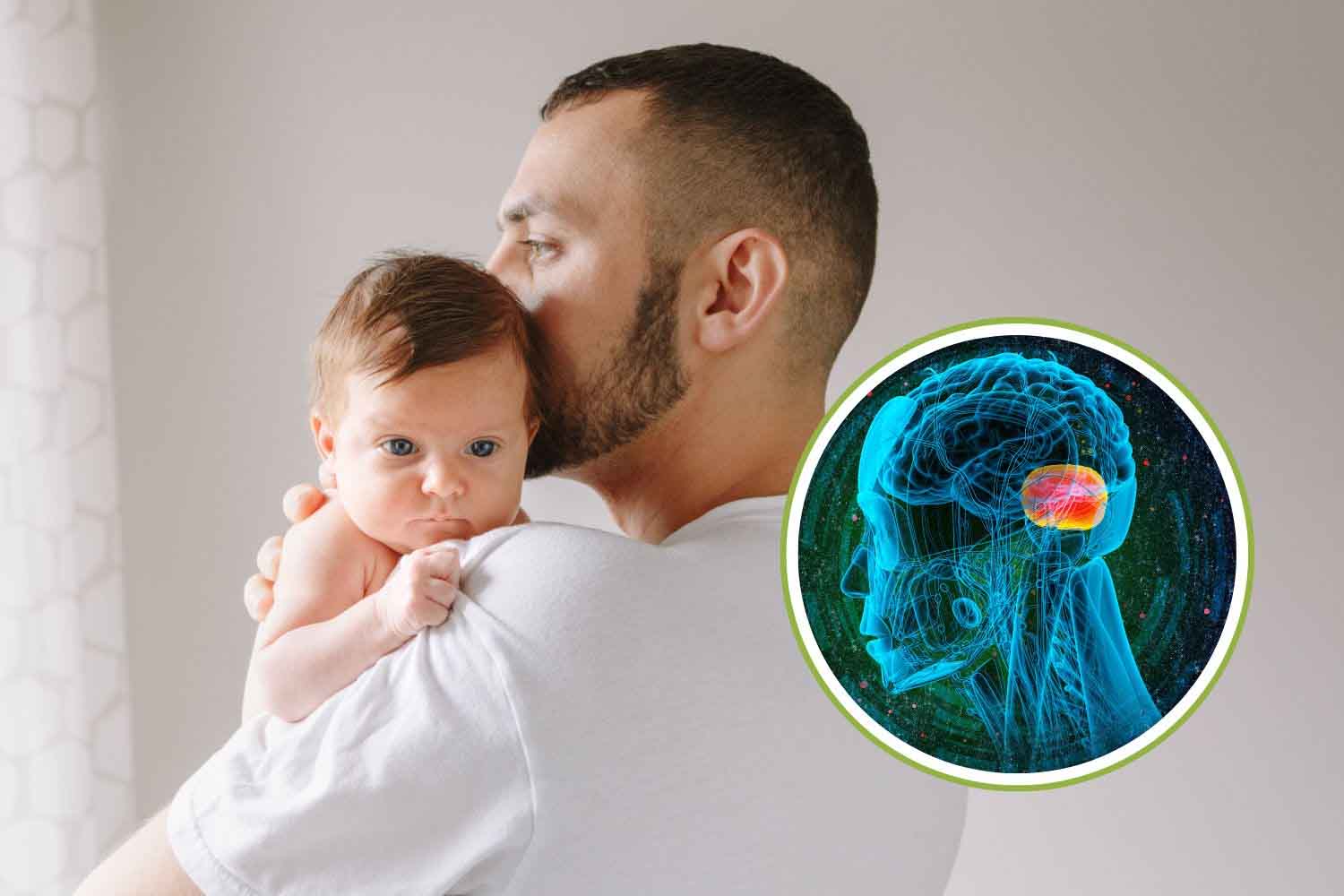
During pregnancy, another transformation unfolds. Inside the skull, the brain quietly remodels itself in ways that shape a mother’s ability to care for her child. Far from being temporary, many of these changes persist for years – perhaps even a lifetime. This phenomenon isn’t restricted to the person who gives birth, either. Fathers’ brains also experience changes during the transition to parenthood. “Few brain regions go untouched,” says Emily Jacobs, a professor of neuroscience at the University of California, Santa Barbara.
Scientific consensus about the parental brain has undergone a profound shift in the past decade. What was once dismissed as “mum brain” – a forgetful, sleep-deprived state offset by an almost superhero-like vigilance for your child – is now understood as something more complex: a combination of highly orchestrated neurological adaptations that may influence everything from empathy and attention to memory and even Alzheimer’s risk.