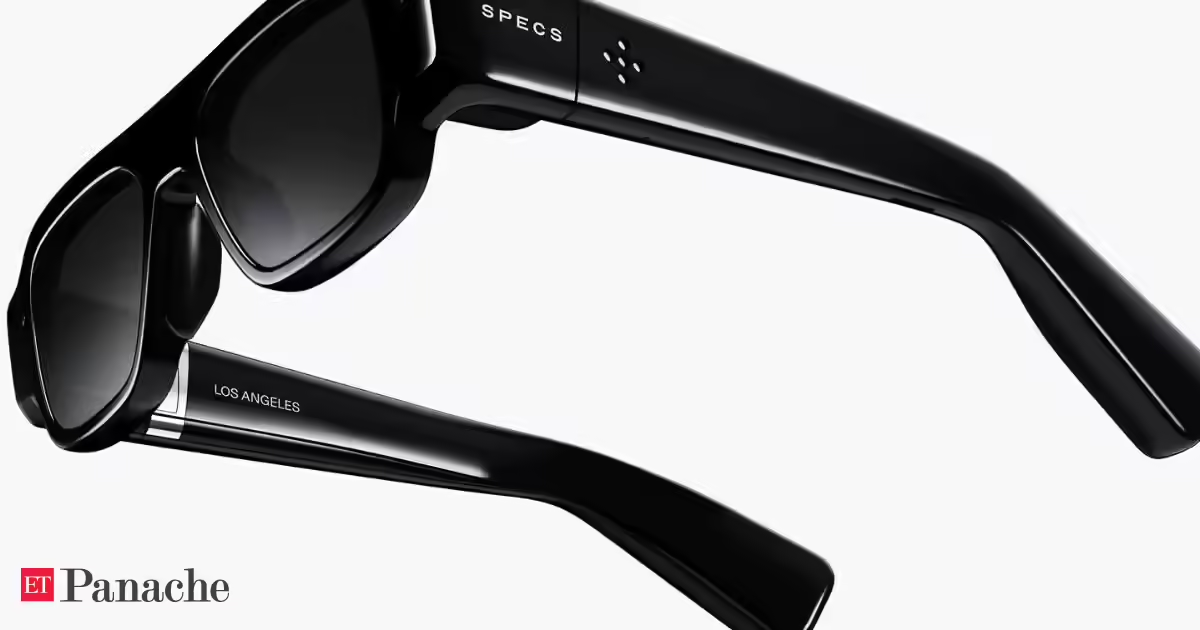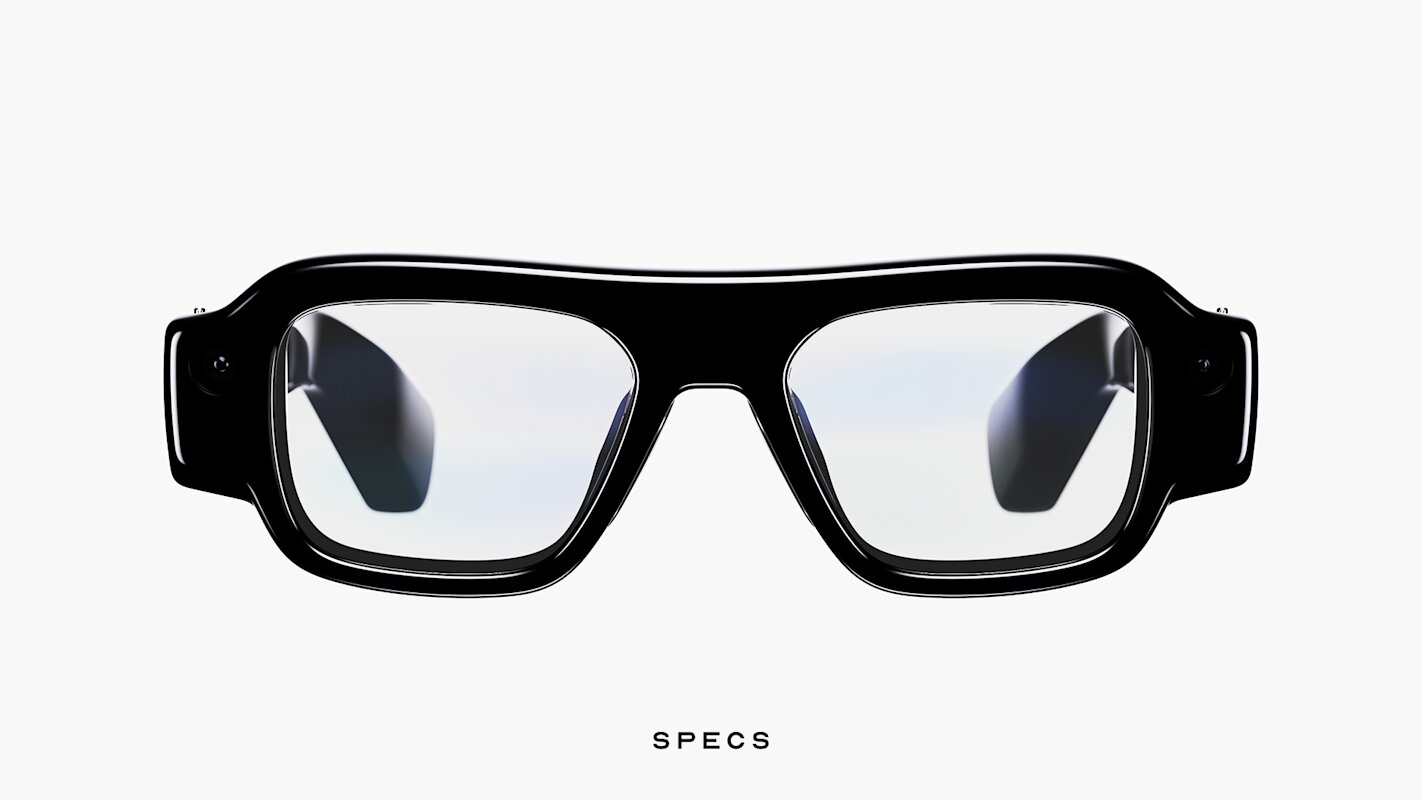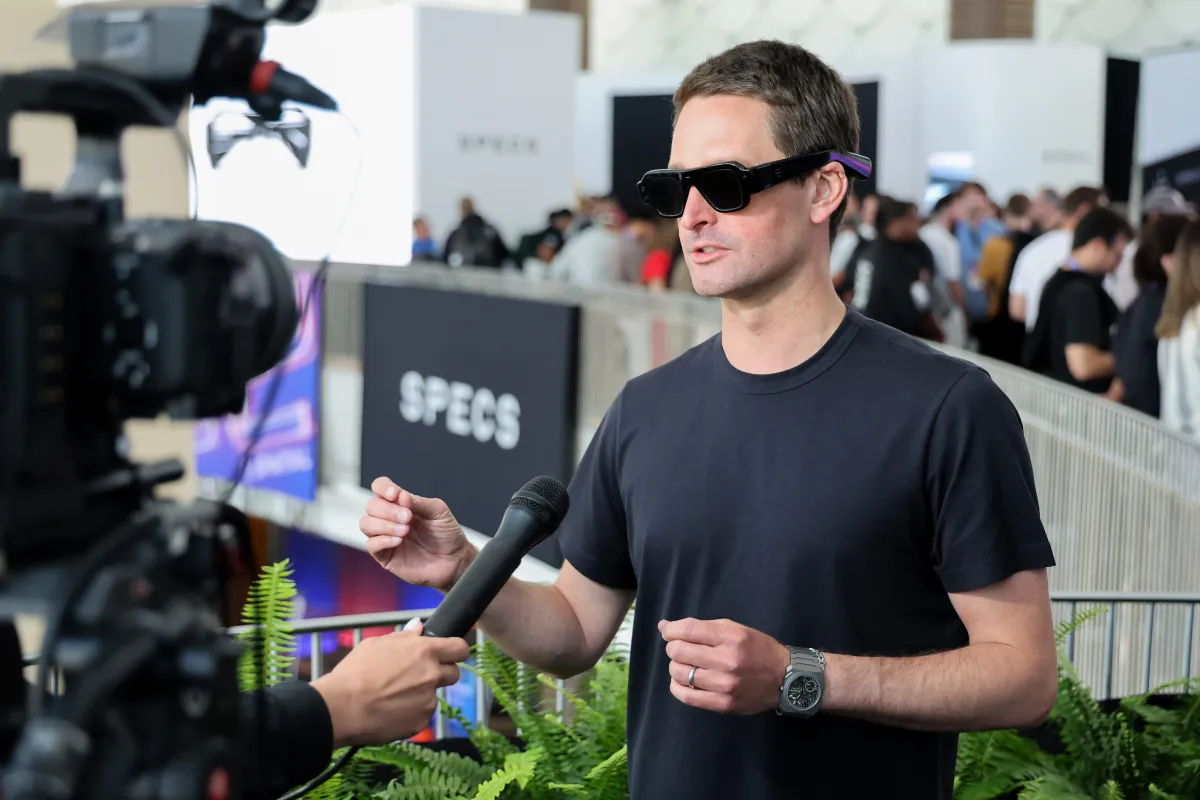
Still, Snap is trying to position SPECS as something between basic AI glasses and bulky headsets. The company said that AI glasses are wearable but limited, while headsets are powerful but can be uncomfortable and cut users off from the world around them. By contrast, Snap says SPECS are fully standalone, with no tether or extra device, thereby making them more capable than AI glasses and easier to wear than traditional headsets. CEO Evan Spiegel also defended the price by saying SPECS should be viewed as a computer and comparing the cost to high-end laptops and other premium computing devices.
However, the timing could be difficult because consumers are still dealing with inflation, and Snap’s younger audience may be less willing or able to spend more than $2,000 on a new device. In fact, IDC’s Jitesh Ubrani told CNBC that this is a tough time for any company to launch a premium product, especially one aimed at a younger user base. At the same time, the wearables market is becoming more crowded, with Meta’s Quest, Apple’s (AAPL) Vision Pro, Samsung’s (SSNLF) Galaxy XR, Google-backed (GOOGL) smart glasses, and products from Xiaomi (XIACF) and Huawei all competing for attention.
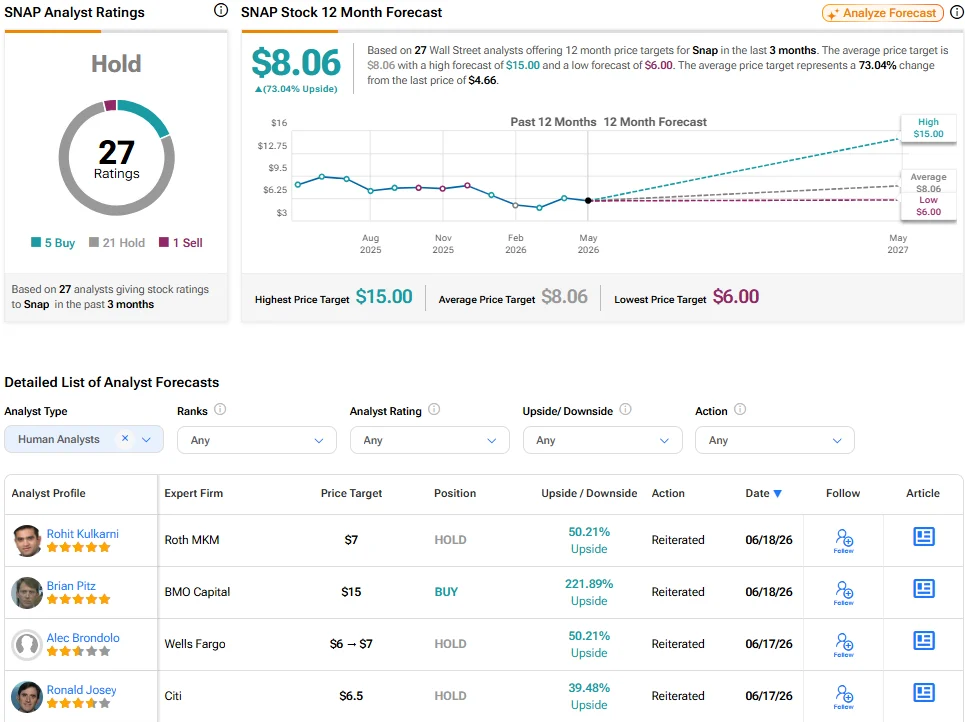
Is SNAP Stock a Good Buy?